How the Malamute Was Rebuilt After the Gold Rush
Oh, the Gold Rush. It was a time of immense excitement and opportunity for humans, but for our beloved Alaskan Malamutes, it was a period that nearly spelled disaster, threatening to erase the very characteristics that made them so magnificent. Many wonderful working dogs were almost lost in the frenzy of crossbreeding and shifting priorities. This guide dives into that tumultuous era, revealing how these incredible dogs were brought back from the brink, painstakingly rebuilt, and preserved for future generations, ensuring their unique legacy endured.
The Gold Rush Crisis: Why the Malamute Faced Extinction
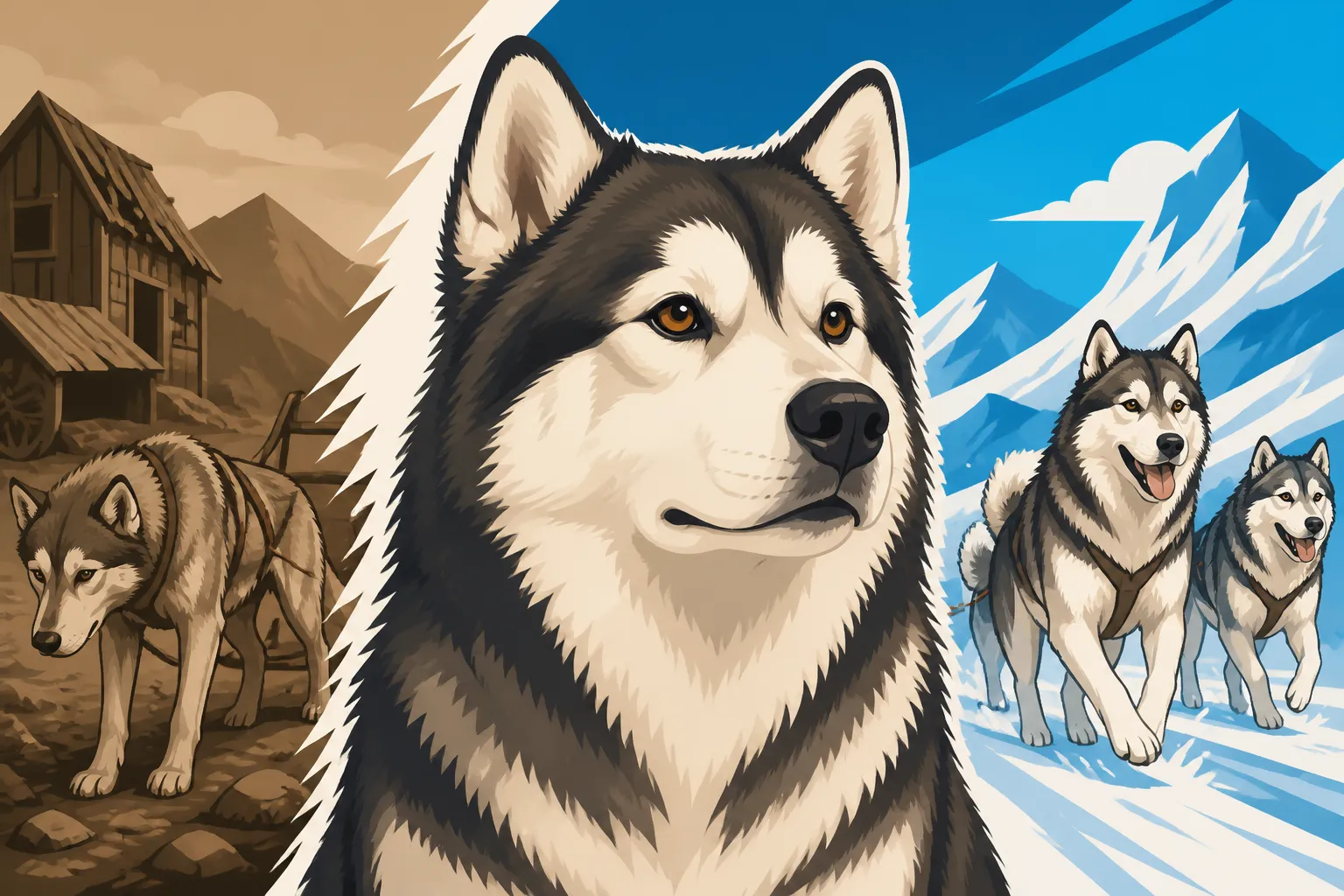
Imagine a world suddenly obsessed with speed. That's precisely what happened during the Gold Rush in Alaska and the Yukon. People were rushing to stake claims, transport goods, and make their fortunes, and every minute counted. This desperate need for haste directly clashed with the Alaskan Malamute's inherent design: a powerful, steady freighter built for endurance, not for sprinting.
The Lure of Speed Over Strength
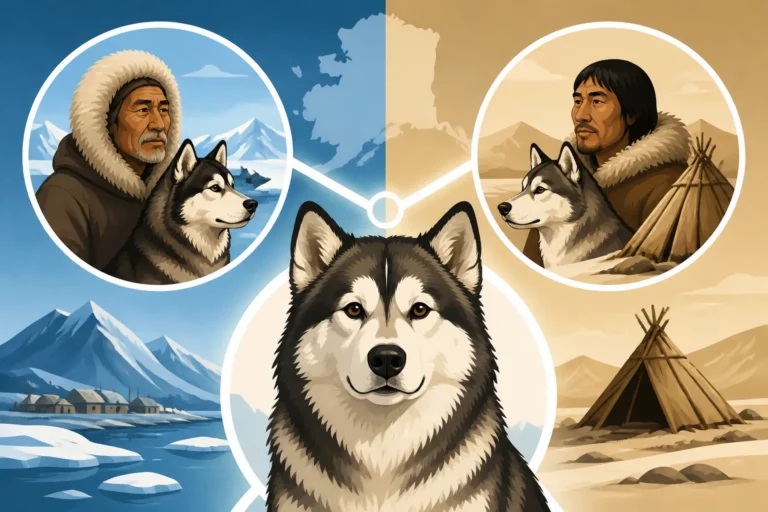
Before the Gold Rush, the Mahlemut people developed the Malamute to haul heavy loads over long distances in brutal Arctic conditions. They needed a dog that could pull sustenance and supplies, sometimes over immense distances and frozen terrain, and do so reliably day in and day out. Their dogs were powerful, stocky, and had a deep, insulating coat. They were the ultimate working partners for survival in a harsh environment, valuing strength and stamina above all else. How Much Weight a Malamute Freight Team Hauled
However, with the gold rush, things changed dramatically. Prospectors and entrepreneurs were often less interested in the long-term sustainability of a dog team and more interested in getting their goods to market or their claims as quickly as possible. Faster, lighter breeds like Siberian Huskies and various hunting hounds were introduced into the region. These dogs, while perhaps not as robust or heavy-boned as the traditional Malamute, offered quick bursts of speed. The result was widespread crossbreeding, driven by the immediate economic pressures of the time. The focus shifted from the Malamute's incredible freighting ability to a mixed-breed ideal of speed, diluting the pure Malamute stock at an alarming rate.
Dilution of the Mahlemut Dog
This promiscuous crossbreeding was perhaps the biggest threat to the Alaskan Malamute. Imagine taking a carefully crafted tool, honed over generations for a specific purpose, and then indiscriminately mixing it with other tools, hoping for a "better" or "faster" outcome. That's essentially what happened to the Malamute. The unique characteristics that the Mahlemut people had fostered—their distinctive head shape, their powerful bone structure, their dense double coat, and their unwavering stamina—began to disappear.
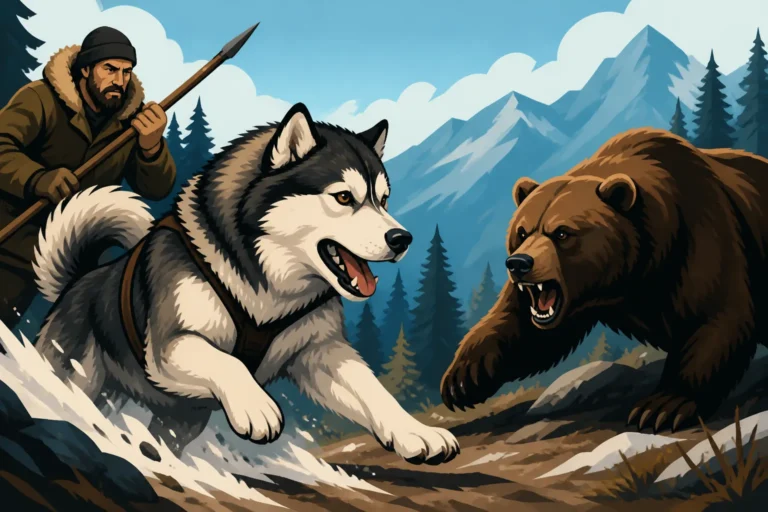
Litters were born with varying sizes, coats, temperaments, and working drives. The consistent, reliable type that defined the Malamute became rare, replaced by a hodgepodge of traits. True Malamute characteristics were not just physical; they included a specific temperament of independence, intelligence, and immense loyalty, combined with a powerful prey drive for hunting alongside humans. What an Alaskan Malamute Was Bred to Hunt These behavioral and working traits were also at risk of being diluted or lost entirely in the rush to create a faster, albeit less true-to-type, sled dog. Breeders and enthusiasts looking for pure Malamutes found it increasingly difficult to locate dogs that truly embodied the original Mahlemut type.
The Rescuers: Individuals Who Saw Their Value
Thankfully, not everyone was swept up in the pursuit of speed. A few dedicated individuals recognized the immense value and unique heritage of the Alaskan Malamute. They saw beyond the immediate demands of the Gold Rush and understood that a precious piece of canine history, and indeed, human history, was at stake. These visionaries became the unlikely saviors of the breed, painstakingly working to gather, preserve, and eventually rebuild the Alaskan Malamute.
Eva Seeley and the Kotzebue Strain
One of the most pivotal figures in the Malamute's recovery was Eva B. Seeley. If you know anything about the breed's history, her name will undoubtedly come up. She was an extraordinary woman who dedicated her life to preserving these magnificent dogs. Starting in the 1920s, Seeley, along with her husband Milton, operated Chinook Kennels in New Hampshire. They were passionate about sled dogs and recognized the distinct qualities of the original Alaskan Malamute.
Seeley focused on a line of dogs she acquired from the northern regions of Alaska, particularly from the Kotzebue Sound area. These dogs were known for their uniformity in type, their impressive strength, and their stoic, reliable temperament. Her breeding program, often referred to as the "Kotzebue" strain, became the foundation for many modern Malamutes. She meticulously selected her breeding stock, prioritizing the breed's original appearance, working ability, and sound disposition. Her efforts were instrumental in maintaining the purity and integrity of the Malamute during a time when it was desperately needed. The Kotzebue dogs were generally considered to be of consistent size and moderate type, reflecting the traditional Mahlemut dog. The Kotzebue and M'Loot Lines Behind Every Modern Malamute
Paul Voelker and the M'Loot Strain
While Eva Seeley was carefully cultivating her Kotzebue line, another equally important figure, Paul Voelker, was also working to save the breed, albeit from a slightly different angle. Voelker's dogs, which became known as the "M'Loot" strain, originated from dogs found in the interior of Alaska. These dogs were often larger and sometimes showed a bit more variation in appearance than the Kotzebue line. They were rugged, powerful animals, known for their immense size and sometimes a more boisterous temperament.
Voelker's M'Loot dogs were highly valued for their strength and pulling power, and they too embodied the spirit and working drive of the Alaskan Malamute, even if their physical presentation differed slightly from the Kotzebue ideal. Both Seeley and Voelker's dedication, though focused on slightly different manifestations of the breed, were critical. They essentially created the two primary genetic pillars upon which almost every modern Alaskan Malamute's pedigree rests. Their foresight and relentless work ensured that the powerful, intelligent, and resilient Malamute type would not be lost forever to the whims of the Gold Rush era.
Establishing the Standard: Defining the Breed's Future
Once dedicated individuals had managed to secure foundational stock, the next crucial step in the Malamute's rebuilding process was to formally define what an Alaskan Malamute should be. This meant creating a breed standard, a written blueprint that would guide future breeding decisions and ensure consistency.
The Importance of a Breed Standard
A breed standard is much more than just a description of a dog's appearance; it's a living document that encapsulates the breed's history, purpose, and ideal characteristics. For the Alaskan Malamute, establishing such a standard was absolutely vital. After years of indiscriminate crossbreeding during the Gold Rush, breeders needed a clear set of guidelines to work towards. Without it, the efforts of people like Eva Seeley and Paul Voelker might have eventually dissolved into further variations.
The standard helped to capture the Malamute's essential physical traits—its deep chest, strong bone, characteristic head with its gentle, watchful expression, and its dense double coat designed for Arctic temperatures. But it also delved into temperament, emphasizing their affectionate nature towards their human family, their intelligence, and their inherent dignity. Crucially, the standard reinforced the Malamute's primary role as a freighting dog. It wasn't about speed; it was about strength, endurance, and the ability to pull heavy loads efficiently. This definition was a powerful tool in steering the breed back to its ancestral purpose and away from the fast-paced, often short-sighted demands of the Gold Rush. It articulated exactly what an Alaskan Malamute actually weighs and how it should be built.
Early AKC Recognition and its Impact
Formal recognition by kennel clubs like the American Kennel Club (AKC) was another monumental step in the Malamute's journey back to prominence. Gaining such recognition isn't just about getting a fancy title; it provides a framework for tracking pedigrees, hosting conformation shows, and establishing health and ethical breeding practices. The AKC officially recognized the Alaskan Malamute in 1935. The Year the AKC Recognized the Alaskan Malamute This was a landmark achievement.
This recognition consolidated the breed and gave it legitimacy in the wider dog world. It encouraged responsible breeding by providing a system for registration, which helped track lineage and avoid further dilution. It also meant that breed clubs could be formed, fostering a community of dedicated enthusiasts who could work together on preservation, education, and promoting the breed responsibly. Suddenly, the Malamute had a recognized identity, a clear path forward, and a growing number of advocates committed to its future. This formal structure was crucial for ensuring that the meticulous work of the early pioneers wasn't undone by future trends or misunderstandings about the breed.
Challenges and Continued Preservation Efforts
Even after the initial rebuilding phase, the journey to fully restore and protect the Alaskan Malamute was far from over. Modern breeders and owners continue to face challenges, from managing a relatively narrow gene pool to balancing various aspects of the breed's development. Preservation is not a one-time event; it's an ongoing commitment.
The Narrowing Gene Pool
One of the inherent challenges of rebuilding a breed from a relatively small number of foundation dogs, as was the case with the Malamute, is the potential for a narrowed gene pool. While the Kotzebue and M'Loot lines provided excellent starting points, they represented a limited number of individuals. Over generations, if not managed carefully, this can lead to reduced genetic diversity within the breed. A narrow gene pool can sometimes increase the risk of inherited health conditions becoming more prevalent or reduce the breed's overall robustness.
Dedicated breeders today are keenly aware of this. They work tirelessly to diversify bloodlines responsibly, often collaborating across kennels and even internationally to introduce new genetic material while staying true to the breed standard. This involves meticulously researching pedigrees, understanding the health history of various lines, and making thoughtful breeding decisions that prioritize overall health and genetic diversity. It's a delicate balance, but one that is absolutely essential for the long-term health and vitality of the Alaskan Malamute. Whether the Malamute Gene Pool Is Narrow
Balancing Work and Show Traits
Another ongoing discussion within the Malamute community revolves around balancing the breed's working heritage with the demands of the show ring. The Alaskan Malamute was, first and foremost, a powerful freighting dog, built for incredible endurance and strength in harsh conditions. Its body was a testament to function, designed to pull. Freight, Not Speed: What Separates a Malamute From a Racing Dog However, conformation shows, while valuable for judging adherence to the breed standard, can sometimes inadvertently prioritize aesthetics over true working ability if not approached carefully.
Breeders committed to the Malamute's original purpose strive to ensure their dogs not only look the part but can also perform the job they were bred for. This means selecting for proper structure, sound movement, and the innate drive to pull, even if the dog may not be actively involved in competitive sledding or weight pulling. It's about maintaining the inherent capabilities of the breed. Reputable breeders understand that a dog that looks beautiful but cannot perform its historical function has lost a crucial part of its identity.
Modern Health Screening and Responsible Breeding
In today's world, thanks to advances in veterinary science and genetics, responsible breeding goes hand-in-hand with comprehensive health screening. For Malamutes, like many large breeds, hip and elbow dysplasia are concerns. Eye conditions and certain inherited neurological disorders, such as polyneuropathy and day blindness, have also been identified within the breed.
Modern breeders utilize DNA tests and health clearances from organizations like the Orthopedic Foundation for Animals (OFA) for hips and elbows, and canine ophthalmologists for eye certifications. They also employ DNA tests for specific genetic conditions, ensuring that they are not unknowingly passing on diseases to future generations. These tests are vital tools that allow breeders to make informed decisions, protecting the health of the puppies they produce. Many dedicated owners also seek out these tests for their own Malamutes to ensure peace of mind, and places like Chewy offer a wide range of specialized diets, supplements for joint health, and even genetic testing kits that can aid owners in providing the best possible care for their dogs. Understanding The Health Tests Both Alaskan Malamute Parents Should Have is crucial for anyone considering adding a Malamute to their family.
The Malamute Today: A Testament to Resilience
The story of the Alaskan Malamute's rebuilding is a powerful testament to the resilience of a breed and the dedication of the people who championed it. From the brink of dilution during the Gold Rush, these magnificent dogs have not only survived but thrived, thanks to visionaries and ongoing efforts.
The Breed's Enduring Popularity and Purpose
Today, the Alaskan Malamute stands as a beloved companion and, for many, a formidable working dog. Their unique blend of strength, intelligence, and affectionate nature has captured the hearts of countless individuals worldwide. While not every Malamute pulls a sled professionally, their powerful build and innate drive mean they excel in activities like weight pulling, hiking, canicross, and backpacking. Peary, Amundsen and Byrd Took Malamutes to the Poles Their purpose, while perhaps adapted for modern life, remains rooted in their heritage as enduring, capable working partners.
They are known for their unwavering loyalty and deep bonds with their families, often described as having a "big dog with a gentle heart" personality. This enduring popularity is a direct result of the successful rebuilding efforts that ensured the breed retained its distinct physical and temperamental characteristics. They continue to represent a powerful link to the Arctic wilderness and the ancient cultures that first developed them.
The Role of Dedicated Owners and Clubs
The continued success and preservation of the Alaskan Malamute are heavily reliant on the dedication of its owners, breeders, and breed clubs. Organizations like the Alaskan Malamute Club of America play a crucial role in safeguarding the breed's future. They provide resources, education, and support for owners, promote responsible breeding practices, and fund research into Malamute health. What the Alaskan Malamute Club of America Offers a Buyer
For example, understanding the nuances of caring for an aging Malamute, as explored in Caring for an Old Alaskan Malamute, or the importance of daily routine, highlighted in What an Alaskan Malamute Needs Every Day, are all aspects fostered by these communities. From participating in breed rescue efforts to educating potential owners about the breed's needs and challenges, these communities ensure that the legacy of the Malamute remains strong. Every responsible owner who takes the time to understand their Malamute, provide appropriate training, and meet its unique needs contributes to the ongoing preservation of this magnificent and historically significant breed.
Disclaimer
This article is for general informational purposes only and does not constitute professional advice. Laws, prices and regulations vary by location and change over time. Consult a qualified professional for guidance on your specific situation.