Whether a Malamute’s Face Markings Change With Age
A Malamute’s face can look different as it grows, but its underlying markings usually do not suddenly change from one pattern to another. Puppy coat changes, seasonal shedding, lighting and age-related graying can all alter how dark or distinct the face appears. This guide explains what is normal, what to compare in photos and when a skin or coat change deserves attention.
Do Malamute face markings change as they grow
The basic pattern usually stays recognizable
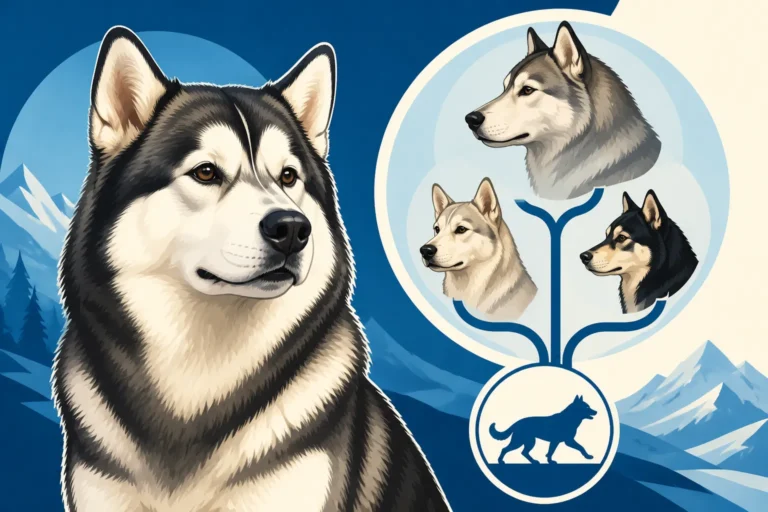
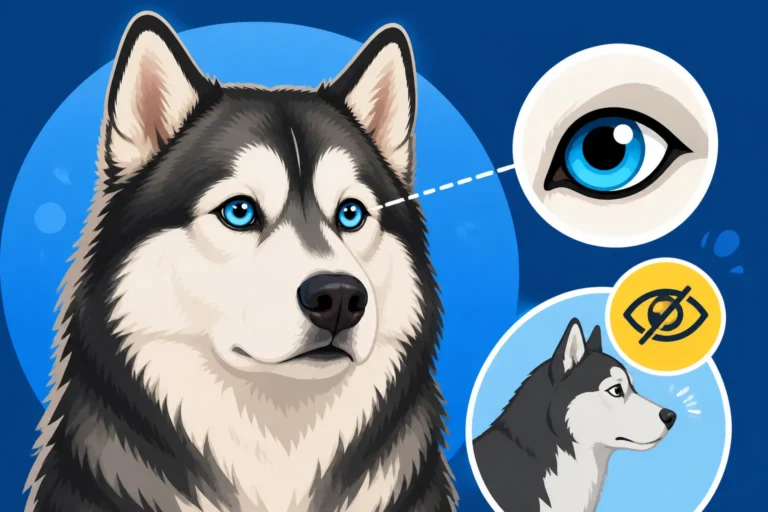
Alaskan Malamutes often have contrasting facial markings: lighter fur around the muzzle and cheeks, with darker fur across the head. A dark cap, a bar down the forehead, or a mask-like pattern may be part of the dog’s individual appearance. These markings can be striking, but they are made of colored hairs in a coat—not a permanent design printed onto the skin.
As a Malamute grows, the pattern generally remains recognizable. A puppy with a dark cap may still have a dark cap as an adult, even if its edges look softer or the contrast seems different. A bar can appear narrower or less obvious after the coat changes, but that does not necessarily mean the marking itself has shifted.
The wording can be useful when you’re trying to describe what you see. What a Malamute's Cap and Bar Markings Are explains those common terms, while Which Colors the Alaskan Malamute Standard Allows provides context for the range of coat colors and markings associated with the breed.
Puppy coat can make a face look different
A puppy’s coat is not always a preview of its adult coat in exact detail. As the soft puppy coat is replaced, the length, texture and distribution of darker and lighter hairs can change. That change can make a face marking look more sharply defined, less bold or slightly different in shape, even when the overall pattern is still there.
For example, a young puppy may have a charcoal-looking cap that seems to fade as its adult coat comes in. The adult hairs may be longer or have a different mix of color, and the lighter facial areas may become more noticeable. Another puppy’s markings may look faint at first and become more apparent as the coat matures. These shifts are part of coat development, not proof that the dog’s markings have been “replaced.”
If you’re comparing a puppy with an older littermate or parent, remember that age, coat condition and lighting can make a bigger difference than expected. Whether a Malamute Puppy's Color Changes is a useful related read if the overall coat—not just the face—seems to be changing.
Why the markings may look lighter, darker or less distinct
Seasonal coat changes affect contrast
Malamutes shed heavily, and the coat can look noticeably different during a seasonal shed. When a dense undercoat loosens and comes away, the visible mix of undercoat and guard hairs changes. The face may appear less full, more defined or slightly different in color while the coat is in transition.
A coat blow can also make the dog look uneven for a while. One area may have shed more than another, or fresh hair may be coming in at a different pace. Owners sometimes notice this first around the cheeks, forehead or neck because those areas frame the face and make contrast easy to spot. Comparing a Malamute during a coat blow with a photo taken several months later may therefore give the impression that the markings changed dramatically.
Regular, gentle brushing helps remove loose coat and makes it easier to see what is going on. If you need a coat brush or other routine grooming supplies, Chewy is one place owners may check for basic pet-care items; choose tools suited to a double coat and use them gently around the face. Brushing should not involve pulling at the skin or scraping delicate facial areas.
Light, wet fur and photographs can fool the eye
Lighting is a surprisingly common source of confusion. Bright outdoor sun can make dark fur look lighter or warmer, while shade may make it appear almost black. Indoor bulbs can add yellow or red tones. A wet face may look darker because the hair clumps together, and a freshly brushed coat can reflect light differently than a coat with loose hair.
Phone cameras add another layer. Automatic exposure may brighten a pale muzzle and deepen shadows across the forehead, changing the apparent boundary between colors. A close-up taken at noon is not an easy comparison to a puppy photo taken indoors at dusk—even if the dog’s coat has barely changed.
For a fair comparison, take photos in similar natural light, from a similar angle and with the coat dry. Use the same side of the face and avoid filters or portrait effects. A dated series of ordinary photos is often more informative than relying on memory, especially when gradual coat changes are involved.
| What you notice | Common explanation | What to compare |
|---|---|---|
| The face looks less dark during a shed | Loose undercoat and uneven coat replacement | Photos from before and after the coat blow |
| A marking seems to have a softer edge | Adult coat growth or a different mix of visible hairs | The overall pattern, not just its boundary |
| Fur looks lighter in one photo | Sunlight, shade, flash or camera exposure | Images taken in similar natural light |
| A muzzle looks grayer over time | Possible age-related graying | Whether the change is gradual and limited to the hairs |
| Skin looks red, crusty or bare | A skin or coat problem rather than a normal color shift | The skin itself and any itching or discomfort |
Age can add gray hairs without changing the pattern
Some dogs develop gray or white hairs around the muzzle as they age. This can soften the contrast between the pale muzzle and darker facial fur, making a familiar pattern look less crisp. The timing and amount vary from dog to dog; a few gray hairs do not, by themselves, tell you that a Malamute is unwell.
Look closely at the hair and skin. A gradual scattering of lighter hairs on otherwise healthy skin is different from sudden hair loss, scabs, swelling or a raw patch. If the color change is accompanied by itching, odor, tenderness or a change in appetite or energy, it is sensible to contact a veterinarian rather than assuming it is simply aging.
Chewy may be a convenient place to find routine coat-care supplies, but grooming products cannot diagnose a skin issue or explain a sudden change in pigmentation. If you are unsure whether what you see is gray hair, staining or a skin problem, a clear photo and a veterinary examination are more useful than trying several products at random.
How to tell a normal coat shift from a problem
Check the hair, the skin and the pattern
Start by parting the fur gently in the area that looks different. Is the hair still present, with a different shade, or is there a bare patch? Is the skin beneath it normal-looking, or does it appear red, flaky, thickened, scabbed or irritated? These details help distinguish a visual coat change from a problem affecting the skin or hair.
Also note whether the change is gradual or sudden. A marking that seems softer over months as a puppy matures is usually less concerning than a new, sharply defined patch that appears over a few days. Take a photo in natural light, then make a note of when you first noticed the change and whether your dog is scratching or rubbing the area.
Avoid applying human hair dye, whitening products, peroxide or strong cleansers to a dog’s face. The skin around the eyes, nose and mouth is delicate, and a dog may lick anything placed on the coat. If you’re considering shampoo or other coat-care supplies, including options available through Chewy, use products intended for dogs and ask your veterinarian before using medicated products.
Know when to ask a veterinarian
A change in the apparent shade of healthy fur is not usually urgent on its own. Arrange veterinary advice if the change comes with hair loss, persistent itching, crusts, bleeding, swelling, discharge, pain or a strong odor. The same applies if the change is spreading, affecting the skin around the eyes or mouth, or appearing alongside other signs that your dog feels unwell.
Do not assume that every crust or pale area is a harmless coat variation. Malamutes can have skin concerns that need a proper examination, and several different causes can look similar at home. What a Malamute's Cap Marking Looks Like and What a Malamute's Bar Marking Looks Like can help you identify common pattern descriptions, but they are not substitutes for checking a new or uncomfortable skin change.
Likewise, a face that looks more masked or less masked in a photograph may simply reflect coat length, angle or light. Whether a Malamute Can Have a Full Mask offers further context on facial patterns. The key distinction is whether the coat’s appearance is changing while the skin remains comfortable and healthy, or whether there are signs of irritation or illness.
A simple way to track your Malamute’s face markings
Take consistent photos over time
Choose a spot with indirect daylight and photograph your dog’s face from the front and from each side. Keep the coat dry, avoid using flash if it changes the color, and take the pictures at roughly the same distance. A plain background can help, but the most important thing is consistency.
Repeat the photos periodically, or whenever you notice a change. If your Malamute is a puppy, these images can show how the coat develops through growth and shedding. If your dog is older, they can help you distinguish gradual graying from a sudden change. You do not need professional photos; clear, unedited phone pictures are often enough for comparison.
Keep notes about recent bathing, coat blowing, sun exposure and any new grooming products. That context matters. A face that looks lighter after weeks of shedding may settle into a different-looking but healthy coat, while a patch that appeared soon after irritation or scratching may deserve closer attention.
Describe what changed, not just that it looks different
When you talk with a breeder, groomer or veterinarian, specific observations are more helpful than “the markings changed.” You might say, “The dark hair above the left eye looks thinner than it did last month,” or, “The muzzle has gradually picked up gray hairs, but the skin looks normal.” That describes location, timing and whether the skin is involved.
If the change is only in appearance, compare the whole facial pattern rather than focusing on one boundary. Puppy coat replacement, adult coat texture, seasonal shedding and lighting can all change the impression a face makes. In most cases, the pattern remains broadly recognizable even as its contrast shifts.
If the skin is abnormal or your dog seems uncomfortable, make an appointment rather than waiting for another coat cycle. A Malamute’s face markings can look different with age, but healthy skin and a comfortable dog matter more than whether a cap or bar looks exactly as it did in a puppy photo.
Disclaimer
This article is for general informational purposes only and does not constitute professional advice. Laws, prices and regulations vary by location and change over time. Consult a qualified professional for guidance on your specific situation.