Whether a Robot Vacuum Keeps Up With an Alaskan Malamute
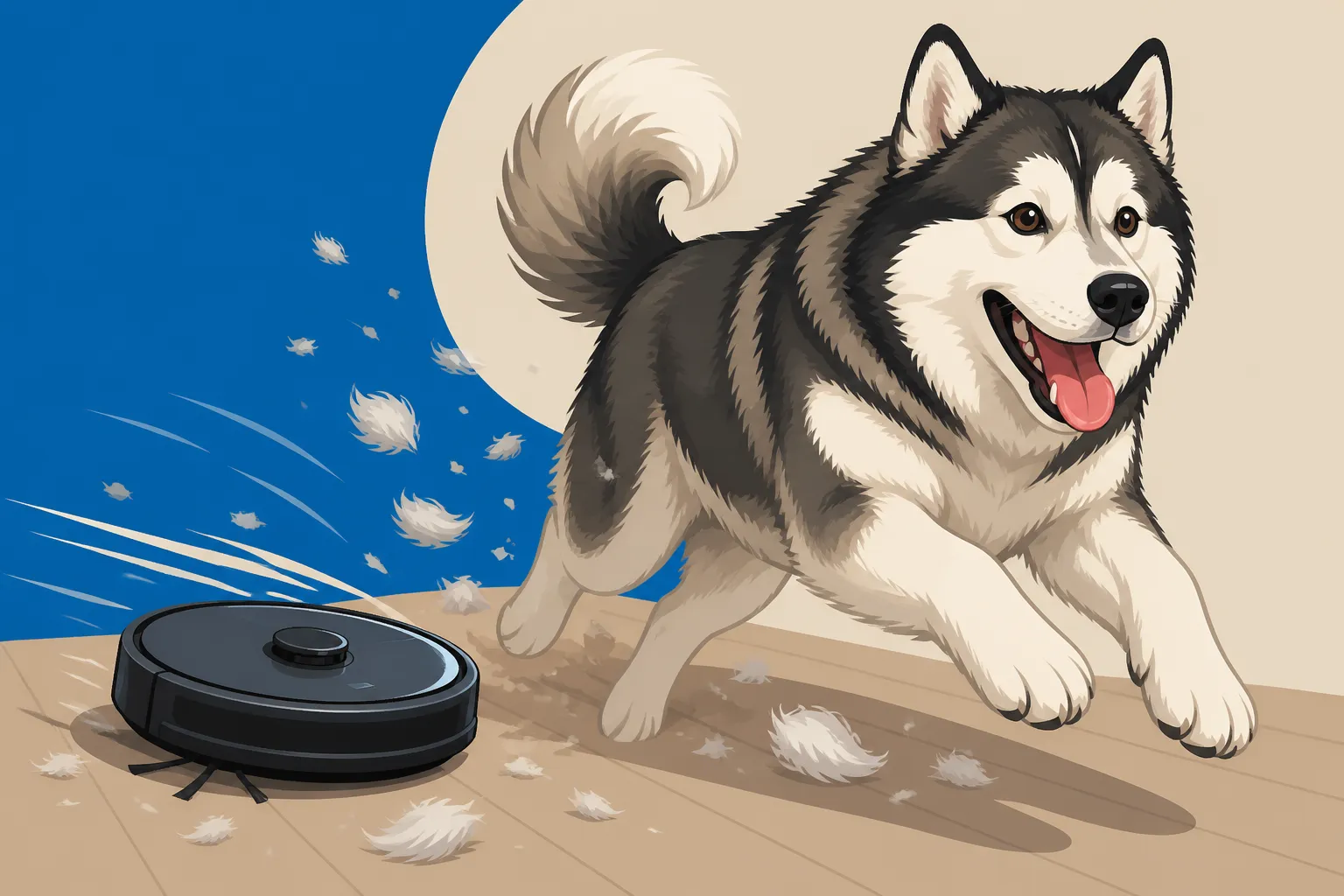
If you're an Alaskan Malamute owner, you know the daily struggle: that ever-present tumbleweed of fur floating across your floor, making you wonder if your vacuum cleaner is truly up to the task. It's a never-ending battle, and many of us eye those sleek robot vacuums with a glimmer of hope. Can these smart little machines actually keep up with the prodigious shedding of a Malamute, especially during the notorious coat blow? This guide will dive deep into the reality of robot vacuums in a Malamute household, managing expectations, and offering practical advice to keep your home a little less hairy.
The Reality of Malamute Shedding
Let's be brutally honest: owning an Alaskan Malamute means living with fur. It's not just hair; it's a fundamental part of their magnificent double coat, designed to protect them from the harshest Arctic conditions. Understanding this reality is the first step in managing your expectations, even when considering advanced cleaning technology.
The Perpetual Cloud of Fur
Your Malamute isn't just shedding during specific times of the year; it's a low-level, constant release of guard hairs and undercoat. Every step they take, every wag of their tail, every time they settle down for a nap, more fur becomes airborne or settles on your surfaces. It clings to furniture, embeds itself in carpets, and forms those infamous "dust bunnies" that are more like "fur tumbleweeds." You might vacuum daily with a traditional upright, only to see new fur appear moments later. This isn't a sign of poor grooming or an unhealthy dog; it's just the Malamute way. It's why many owners jokingly refer to Malamute fur as "confetti" or "Malamute glitter"—it's everywhere, all the time.
The Infamous Coat Blow
Then there's the coat blow. Oh, the coat blow. Twice a year, typically in spring and autumn, your Malamute will embark on a grand shedding event that makes the daily fur look like a mere whisper. During this period, they'll shed vast quantities of their dense undercoat, sometimes enough to knit a small sweater or two. It can feel overwhelming, like a fur blizzard inside your own home. Picture scooping up handfuls of soft, downy fur after a quick brushing session, only to find an equal amount still clinging to their body, just waiting to escape. The Malamute Coat Blow That Fills a Vacuum in an Afternoon isn't an exaggeration; it's a daily occurrence for weeks on end. This intense shedding is the real test for any cleaning appliance, and it's where many robot vacuums might struggle the most.
How Robot Vacuums Handle Pet Hair Generally
Robot vacuums have come a long way, evolving from novelty gadgets to legitimate cleaning tools. They're designed with various features to tackle pet hair, but their effectiveness depends heavily on the volume and type of fur they encounter.
Suction Power and Brushroll Design
At their core, robot vacuums rely on suction and brushrolls to pick up debris. For pet hair, strong suction is paramount. Brands like Roomba and Roborock often highlight their increased Pascal (Pa) ratings for suction, indicating their ability to lift stubborn hair from carpets and hard floors. However, equally important is the design of the brushroll. Many robot vacuums now feature tangle-resistant brushrolls, often made of rubber or a combination of rubber and bristles, specifically to prevent long pet hairs from wrapping around them and jamming the machine. Traditional bristle brushes can quickly become a tangled mess, requiring frequent manual cleaning. This is particularly relevant for Malamute fur, which is dense and often quite long.
Navigation and Coverage
Modern robot vacuums employ sophisticated navigation systems, from simple bumper sensors to advanced LiDAR and VSLAM technology. Better navigation means more thorough coverage, ensuring the entire floor area is cleaned. Some models even allow you to set "no-go zones" or virtual walls, which can be useful around pet food bowls, water dishes, or areas where your Malamute might be resting and you don't want the robot to disturb them. The ability to return to its base to charge and resume cleaning, or to empty its dustbin (more on this later), significantly enhances its utility for continuous cleaning. While great navigation ensures wide coverage, it doesn't necessarily dictate how much hair it can physically hold or how well it handles extreme volumes.
Specific Challenges with Alaskan Malamute Fur
While robot vacuums are designed for pet hair, Alaskan Malamute fur presents a unique set of challenges that can push even the most advanced models to their limits.
The Sheer Volume
This is the biggest hurdle. A Malamute's undercoat is incredibly dense. When they're blowing coat, the volume of fur shed daily is astronomical. Most robot vacuum dustbins are relatively small, designed for typical household dust and a moderate amount of pet hair from shorter-haired breeds or those with less dense undercoats. A Malamute can fill a standard robot vacuum dustbin within minutes, especially during coat blow. This means the robot will either stop cleaning, unable to hold any more, or it will continue to run with a full bin, merely pushing fur around rather than collecting it. Even robot vacuums with auto-empty docking stations, which are fantastic, can struggle to compact the sheer fluffiness of Malamute undercoat effectively into their larger collection bags. It might still fill up faster than expected, requiring you to manually check and empty the robot's onboard bin, or the dock's bag, more frequently.
| Robot Vacuum Feature | Ideal for Malamute Owners | Why it Matters |
|---|---|---|
| Suction Power (Pa) | 2000 Pa or higher | Essential for lifting heavy, embedded fur from carpets. |
| Brushroll Type | Tangle-resistant (rubber/silicone) | Prevents long Malamute hairs from wrapping and jamming. |
| Dustbin Capacity | Larger than average (0.6L+) | Accommodates the high volume of daily shedding. |
| Auto-Empty Dock | Highly recommended | Reduces manual emptying, but still needs monitoring during coat blow. |
| Mapping & Navigation | LiDAR/VSLAM (Smart mapping) | Ensures thorough coverage and allows for targeted cleaning. |
| Filter Type | HEPA-style | Traps fine dander and airborne fur particles. |
Hair Type and Tangles
Malamute fur isn't just voluminous; it's also a combination of coarse guard hairs and soft, downy undercoat. The undercoat, while incredibly soft, can be surprisingly prone to tangling, especially when wet or if left in large clumps. This fine, fluffy undercoat can sometimes get matted around brushrolls even if they're designed to be tangle-resistant. While rubber brushrolls are generally superior, a particularly thick clump of Malamute fur can still test their limits. The guard hairs, being stiffer, can also contribute to brushroll entanglement, though less frequently. This means that even with advanced brushroll designs, you might still find yourself needing to perform more frequent manual brushroll cleaning than the average pet owner. Many owners report needing to clean the brushroll every 1-2 days, even if the manufacturer claims "self-cleaning" features.
Impact on Robot Vacuum Maintenance
The constant influx of Malamute fur means that maintenance on your robot vacuum will be more frequent and rigorous. Filters, especially, will clog quickly. A clogged filter reduces suction power, making the vacuum less effective. You'll likely need to clean or replace your filters far more often than recommended for a household without a large, double-coated breed. Keep a supply of spare filters on hand; you can often find compatible ones on platforms like Amazon or Chewy. Additionally, the wheels and sensors can also accumulate fur and debris, impacting the robot's navigation and movement. Regular cleaning of all components—dustbin, brushroll, side brushes, filters, wheels, and sensors—becomes a mandatory ritual, not an occasional task, to keep your robot vacuum functioning optimally.
Strategies for Maximizing Robot Vacuum Effectiveness
If you're determined to have a robot vacuum assist in your Malamute fur management, there are definite strategies you can employ to make it a more successful venture. It's all about playing to the robot's strengths and compensating for its weaknesses.
Daily Operation is Key
The absolute best way to make a robot vacuum effective in a Malamute home is to run it daily, sometimes even twice a day, especially during the coat blow season. The goal isn't to pick up a week's worth of fur in one go (it simply can't), but to prevent large accumulations from forming. By picking up smaller amounts of fur continuously, the robot vacuum is less likely to overfill its bin, jam its brushroll, or clog its filter too quickly. Think of it as a constant maintenance tool rather than a deep-cleaning solution. Schedule it to run while you're at work or out for a walk with your Malamute, so it can do its job uninterrupted. This continuous effort is far more impactful than sporadic, intensive runs. Whether an Alaskan Malamute Sheds All Year means this daily vigilance is a year-round commitment, not just for coat blow season.
Pre-cleaning and Maintenance
Even with a robot vacuum, your regular Malamute grooming and house cleaning routines remain vital. Before running the robot, a quick manual sweep or vacuum of heavily furred areas (like where your Malamute typically sleeps) can significantly lighten the load. Brushing your Malamute regularly and thoroughly is non-negotiable. How Often an Alaskan Malamute Needs Brushing is frequently, and during coat blow, it might be daily or even twice daily. The more fur you remove directly from your dog, the less ends up on your floor. Investing in a good deshedding tool, like a rake or a slicker brush, will be more impactful than relying solely on the robot. Consider using a force dryer if you bathe your Malamute at home; it blasts out loose undercoat remarkably well, reducing the amount that eventually falls inside.
Also, be prepared to clean the robot vacuum itself frequently. As discussed, filters will clog, and brushrolls will inevitably collect some fur. Establish a routine: empty the dustbin daily (unless you have an auto-empty model), check the brushroll every 2-3 days, and clean the filters weekly. This proactive maintenance ensures the robot maintains its suction power and efficiency.
Choosing the Right Robot Vacuum
Not all robot vacuums are created equal when it comes to Malamute fur. When making a selection, prioritize certain features. Look for models with:
- Strong Suction: As mentioned, high Pascal ratings are a good indicator.
- Tangle-Resistant Brushrolls: Rubber or combination brushrolls are usually best. Read user reviews specifically from pet owners.
- Larger Dustbins: While still relatively small, some models offer larger capacities than others.
- Auto-Empty Docks: This feature is a game-changer for Malamute owners, significantly reducing the frequency of manual bin emptying. Many top brands like iRobot Roomba, Shark, and Roborock offer excellent self-emptying base options. Even if the bin on the robot fills quickly, the dock can pull out what it can, allowing the robot to continue working. You can often find these models and their replacement bags on Amazon.
- HEPA-style Filters: These are better at capturing fine dander and allergens that come with copious pet hair.
- Smart Mapping and Zone Cleaning: This allows you to send the robot to specific "high fur traffic" areas multiple times a day if needed, or avoid obstacles like dog beds.
Consider models designed by brands that specifically market to pet owners. While no robot vacuum will completely eliminate Malamute fur, choosing a model with these features will give you the best fighting chance against the fur onslaught.
The Verdict: Can a Robot Vacuum Keep Up?
After all this, you're probably wondering: is it worth it? Can these little robots truly tame the fur storm that an Alaskan Malamute brings?
A Helping Hand, Not a Replacement
Here's the honest truth: a robot vacuum alone cannot "keep up" with an Alaskan Malamute, especially during a full coat blow. It's simply too much fur for any single automated device to handle perfectly. The volume is too great, the bins too small, and the brushrolls, while improved, will still require attention. Think of it less as a replacement for your traditional vacuum and more as a powerful, tireless assistant. It handles the daily maintenance beautifully, preventing the build-up of fur that can become overwhelming. It's fantastic for keeping hard floors relatively clear and reducing the amount of fur that settles deep into carpets between your deeper, manual vacuuming sessions.
Many Malamute owners who use robot vacuums still perform a thorough manual vacuuming session with a powerful upright vacuum 1-3 times a week, depending on their dog's shedding level and their tolerance for fur. The robot vacuum's job is to make those manual sessions less arduous by keeping the worst of the surface fur at bay. It makes your life easier, but it doesn't take over entirely.
Integration into Your Malamute Grooming Routine
The most successful approach is to integrate a robot vacuum into a holistic fur management strategy that includes consistent brushing, regular manual vacuuming, and potentially professional grooming during peak shedding seasons. For instance, after a vigorous grooming session where you've brushed out a significant amount of undercoat, running the robot vacuum immediately can pick up any stray hairs that escaped the brush.
Consider this scenario: you spend 15-20 minutes deshedding your Malamute with a good undercoat rake, collecting a mountain of fur. Then, you send your robot vacuum on its daily patrol. It picks up the residual fur that might have fallen from the dog or settled on the floor during brushing. This combined effort is where you'll see the most significant impact on your home's cleanliness. Without the robot vacuum, that residual fur would just sit there until your next manual cleaning. With it, you get continuous, passive cleaning that makes a noticeable difference.
So, while a robot vacuum won't make your Malamute shed less, it will definitely help you manage the shedding more effectively and keep your home consistently cleaner. It's an investment in your sanity and your floors, allowing you to spend less time actively vacuuming and more time enjoying your magnificent, albeit hairy, companion. And that, for any Malamute owner, is a win.
Disclaimer
This article is for general informational purposes only and does not constitute professional advice. Laws, prices and regulations vary by location and change over time. Consult a qualified professional for guidance on your specific situation.