Whether Snow Balls Up Between a Malamute’s Toes
Ah, the joys of winter with an Alaskan Malamute! There's nothing quite like watching these majestic dogs truly come alive in the snow, but for many of us, that delight is often paired with the rather annoying reality of snow and ice clumping stubbornly between their magnificent paw pads. It’s a common frustration, not just a minor inconvenience, turning a fun outing into a painful chore for your furry friend and a cleanup mission for you. This guide is here to tackle that icy problem head-on, giving you practical strategies to prevent and deal with those pesky snowballs, ensuring your Malamute can romp through winter comfortably.
Why Snow and Ice Are Such a Problem for Malamute Paws
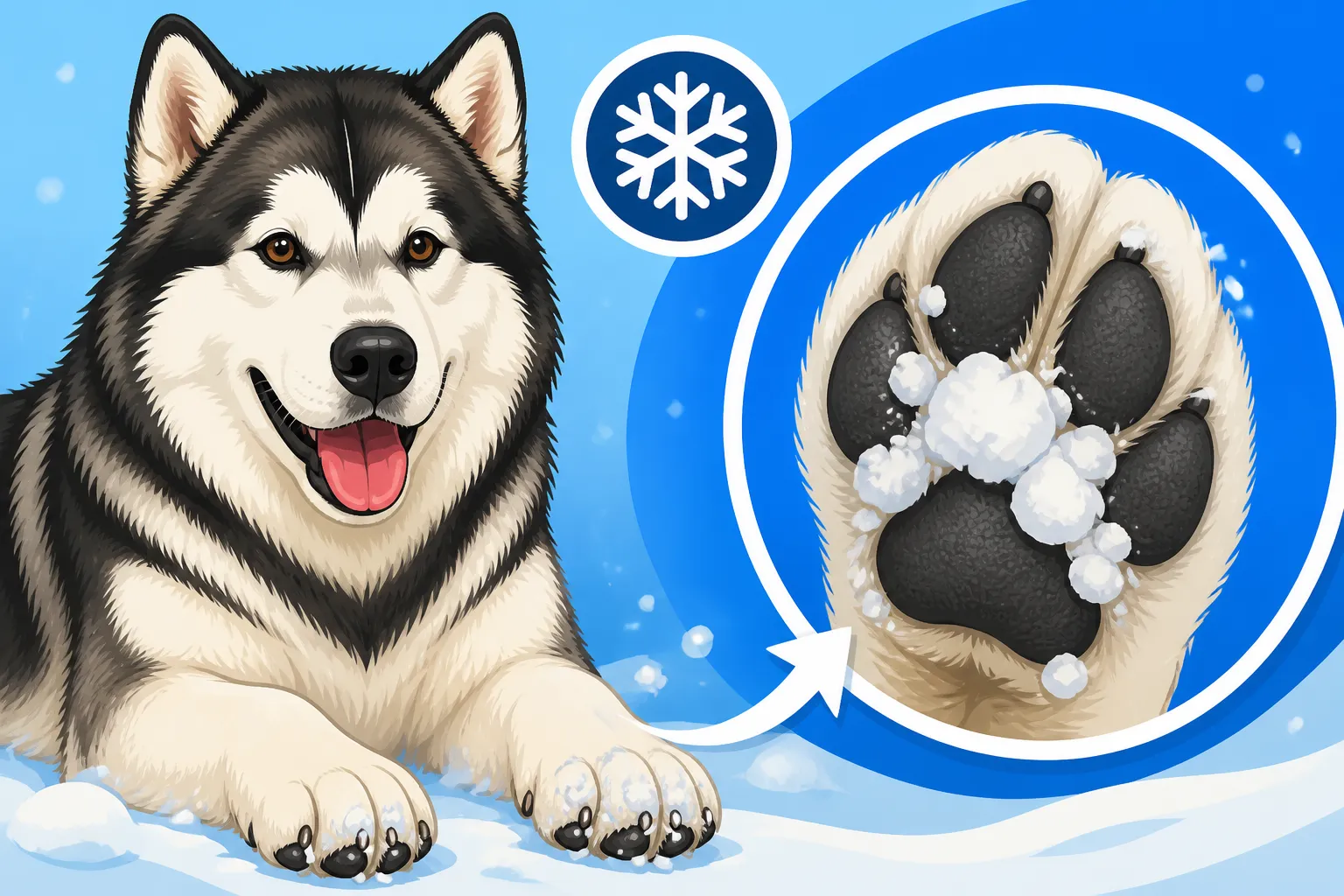
It might seem counterintuitive that a breed so perfectly engineered for snow and cold could have issues with their paws, but the very features that make them incredible winter companions can also lead to trouble. The Alaskan Malamute's paw is a marvel: large, well-padded, and designed for traction and weight distribution across snow and ice. However, the abundant fur between those toes, while offering some insulation, also acts like a natural magnet for snowflakes.
As your Malamute runs, trots, or even just stands in the snow, those loose snowflakes get caught in the interdigital fur. The dog's body heat, combined with the pressure of their weight and motion, melts the inner layer of snow, only for it to refreeze as ice. More snow accumulates, melts, and refreezes, forming hard, uncomfortable, and sometimes painful ice balls. Think of it like a snowball rolling down a hill, but instead of growing bigger, it's becoming denser and rock-hard between their sensitive toes. This isn't just a minor annoyance; it can seriously impede their stride, cause limping, and even lead to injuries.
The discomfort isn't just from the physical presence of the ice balls. These icy clumps can pull on the fur, causing irritation and even skin abrasions. If left unaddressed, they can lead to raw spots, inflammation, or even more serious issues like frostbite in extreme cold, especially if the ice is trapping moisture against the skin. Beyond natural snow and ice, consider the urban environment: de-icing salts and chemicals commonly used on sidewalks and roads can adhere to these snowballs, then get pressed directly against your Malamute's pads and skin. These chemicals are highly corrosive and can cause painful chemical burns, making paw protection and careful post-walk cleaning absolutely essential. It’s a lot to consider for what should be a simple snowy walk, but our Malamutes rely on us to understand and mitigate these risks. You can learn more about general paw health for working dogs in Feet, Pads and Nails on an Alaskan Malamute That Pulls.
Preventative Measures to Keep Snow Balls at Bay
The old adage "an ounce of prevention is worth a pound of cure" certainly applies here. Proactively addressing the issue of snow and ice accumulation can save you and your Malamute a lot of grief and discomfort during the winter months. There are several key strategies you can employ to create a barrier between your dog's paws and the elements, ensuring their winter adventures remain joyous.
Trimming the Paw Fur
One of the simplest yet most effective preventative measures is to regularly trim the fur between your Malamute's paw pads. This dense interdigital hair is the primary culprit for collecting snow and turning it into icy clumps. By keeping this fur neatly trimmed, you remove the "anchors" that snow needs to cling to.
When trimming, use a good pair of blunt-nosed scissors or a small electric trimmer designed for pet grooming. Carefully separate the paw pads and trim the hair flush with the pad surface. Be extremely cautious not to cut the pads themselves or the delicate skin between the toes. This isn't about giving them a fancy trim; it's about functionality. You'll want to do this routinely throughout the winter season, perhaps every few weeks, depending on how fast your Malamute's fur grows. A clean, short trim makes a huge difference in preventing those painful snowballs.
Paw Balms and Waxes
Another excellent line of defense comes in the form of paw balms and waxes. These products create a protective, water-resistant barrier on your Malamute's pads and within the interdigital spaces. Think of it like waxing a car – it helps water and snow slide right off instead of sticking.
Products like Musher's Secret or other paw waxes are designed specifically for this purpose. They are typically made from a blend of natural waxes and oils, safe for dogs to lick (though you want it to stay on their paws, not in their stomachs!). Before a walk, generously apply the balm, making sure to work it deeply into the fur between the pads, not just on the pads themselves. This waxy layer prevents snow from bonding to the fur and helps to repel moisture, reducing ice formation and offering an extra layer of protection against harsh de-icing chemicals. You'll find a wide array of options for these types of products on platforms like Chewy or Amazon.
Protective Booties for Serious Conditions
For longer outings, deep snow, or when dealing with particularly harsh conditions like icy pavement treated with rock salt, paw booties are your Malamute's best friend. While some dogs initially resist wearing them, consistent positive reinforcement and finding the right fit can make them invaluable.
Booties offer a complete physical barrier against snow, ice, and chemical irritants. Look for durable, waterproof options with good traction. Neoprene or rubber-soled booties are often a good choice for winter. Ensure they fit snugly enough not to slip off, but not so tight that they restrict circulation. Brands available on Chewy and Amazon offer various styles and sizes, so it might take a bit of trial and error to find the perfect pair for your Malamute's uniquely large paws. Introduce them gradually, perhaps with short sessions indoors, to help your dog acclimate. While your Malamute naturally enjoys the cold, protecting their paws is key to their comfort and health during Winter Is When an Alaskan Malamute Comes Alive. For further tips on protecting their paws, check out Whether a Malamute Needs Booties for Pulling and Whether Paw Balm Helps an Alaskan Malamute.
Here’s a quick overview of preventative paw care options:
| Method | Description | Pros | Cons | When to Use |
|---|---|---|---|---|
| Paw Fur Trimming | Clipping hair between pads flush with the paw | Highly effective, low cost, improves traction | Requires regular maintenance, risk of nicks if not careful | Routinely throughout winter, or as fur grows |
| Paw Balms/Waxes | Creates a protective, water-resistant barrier | Easy to apply, natural ingredients, protects against chemicals | Needs reapplication, can be licked off, less effective in deep snow | Before every walk, especially on treated surfaces |
| Protective Booties | Full physical barrier for paws | Maximum protection, prevents all snow/chemical contact | Can be expensive, some dogs resist, may need practice to fit | Long walks, extreme cold, heavy snow, treated sidewalks, pulling activities |
Dealing with Snow and Ice Accumulation When It Happens
Despite your best efforts, sometimes those stubborn snowballs still manage to form between your Malamute's toes. Whether you forgot a step in your preventative routine or the conditions were simply too extreme, knowing how to safely and effectively remove them is crucial to your dog's comfort and health. Panicking or being too rough can make the situation worse, so a calm and gentle approach is key.
Immediate Action on Walks
If you notice your Malamute limping, stopping frequently to chew at their paws, or showing signs of discomfort during a walk, it’s time for an immediate paw check. Find a safe, sheltered spot to assess the situation. The goal is to remove the ice balls as gently and quickly as possible to alleviate pain and prevent further issues.
The best way to remove small to medium-sized ice balls is with the warmth of your bare hands. Gently cup your hands around the affected paw, using your body heat to melt the ice. You can also carefully massage and squeeze the ice balls between your fingers until they break apart or melt. Avoid pulling or yanking the fur, as this can be very painful and cause skin irritation. For larger, more stubborn clumps, you might need to find a way to get your dog to a warmer spot quickly. If you have a small towel and warm water handy (like from a thermos), you can try to melt them, but often just getting indoors is the fastest route to relief. Remember, patience is a virtue here, as your dog might be in pain and reluctant to have their paws handled.
After-Walk Routine and Inspection
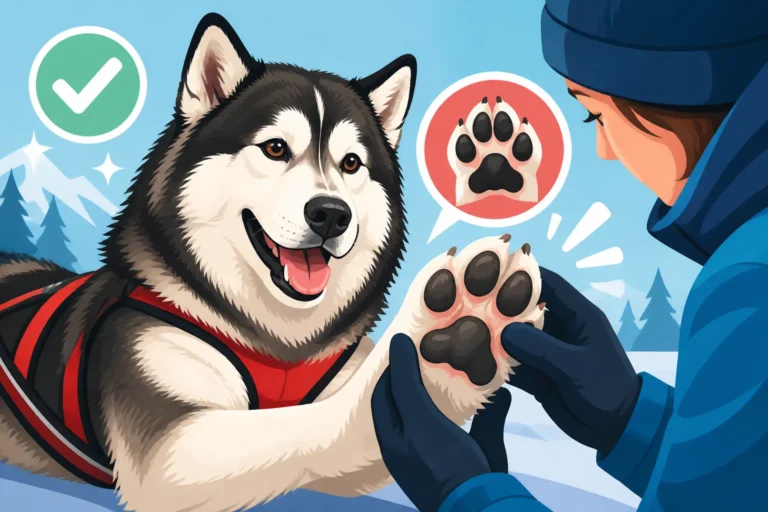
Once you're back inside, the immediate crisis might be over, but your job isn't quite done. A thorough after-walk routine is essential for long-term paw health. First, take a warm, damp cloth and gently wipe down your Malamute's paws. This not only helps to melt any remaining ice and snow but also removes any road salts, de-icing chemicals, or other debris that might have accumulated. Pay special attention to the areas between the pads, ensuring all irritants are gone.
After cleaning, carefully inspect each paw. Look for any signs of redness, swelling, cuts, cracks, or raw spots on the pads or between the toes. Ice balls, especially when hard, can cause friction and damage. If you notice any minor abrasions, you can clean them with a mild antiseptic solution and apply a soothing paw balm (one without irritating chemicals). For anything more serious, like deep cuts, persistent limping, or signs of infection, a vet visit is in order. Remember, conditions like Whether an Alaskan Malamute's Pads Crack in Winter can be exacerbated by icy conditions.
First Aid for Injured Paws
Sometimes, despite all care, an injury might occur. For minor cuts or scrapes that don't seem to penetrate deeply, clean the area thoroughly with a pet-safe antiseptic wipe or a dilute povidone-iodine solution. Apply a thin layer of antibiotic ointment and consider bandaging the paw loosely to keep it clean, changing the bandage daily. Always ensure the bandage isn't too tight, which can cut off circulation.
If you suspect chemical burns from de-icing agents, rinse the paws immediately and thoroughly with lukewarm water for at least 10-15 minutes to dilute and remove the chemical. Follow up with a veterinary visit, as chemical burns can be insidious and cause significant pain and tissue damage, often requiring specific medical treatment. For any signs of severe pain, deep wounds, excessive bleeding, or if your dog is unable to put weight on the paw, do not hesitate to contact your veterinarian immediately. Early intervention is key to preventing complications and ensuring a swift recovery for your Malamute's precious paws.
Long-Term Paw Care for Winter-Loving Malamutes
While addressing immediate snow-ball issues is crucial, maintaining robust paw health year-round provides a stronger foundation for winter resilience. A proactive, consistent approach to paw care ensures your Malamute's feet are as tough and healthy as they need to be for their active lifestyle, especially when the snow starts falling. Think of it as investing in their long-term comfort and ability to fully enjoy the cold weather they were born for.
Regular Inspections and Grooming
Make paw inspection a regular part of your grooming routine, not just a winter-specific task. Ideally, give your Malamute's paws a quick once-over daily, especially after outdoor excursions, and a more thorough check weekly. Look for any debris lodged between the pads, any redness, swelling, dry patches, or cuts. Getting your Malamute accustomed to having their paws handled from a young age will make these inspections much easier and less stressful for both of you. This routine check also includes ensuring the fur between the pads remains trimmed to prevent future snow accumulation, as discussed earlier.
Beyond trimming the fur, keeping your Malamute's nails at a proper length is also incredibly important for overall paw health. Overly long nails can splay the toes, alter gait, and put unnecessary stress on the paw joints, making them more susceptible to injury. They can also contribute to snow and ice accumulation by providing more surface area for snow to cling to and by pushing the paw pads apart. Regular nail trims, whether with clippers or a Dremel, are essential. If you’re unsure how to do this safely, ask your vet or a professional groomer to show you. How Often an Alaskan Malamute's Nails Need Cutting is a critical piece of their routine care.
Nutrition and Hydration for Healthy Paws
Did you know that your Malamute's diet can play a significant role in the health and integrity of their paw pads and skin? A balanced diet rich in essential fatty acids, particularly Omega-3s, contributes to healthy skin, a strong coat, and resilient paw pads. These nutrients help maintain skin elasticity and moisture, which can make pads less prone to cracking and drying out in harsh winter conditions.
Consider supplementing your Malamute's diet with high-quality fish oil. Many Malamute owners swear by its benefits for coat health, and those benefits extend to paw health, too. Brands like Chewy and Amazon offer a variety of reputable fish oil supplements specifically formulated for dogs. Always consult with your veterinarian before adding new supplements to your dog's diet to ensure appropriate dosing and suitability for your individual Malamute's needs. Proper hydration also helps maintain skin and pad suppleness, so ensure your Malamute always has access to fresh water, especially during winter when dry indoor air can be dehydrating. Maintaining good overall health is part of What an Alaskan Malamute Needs Every Day. For more on dietary supplements, consider reading Whether an Alaskan Malamute Needs Fish Oil.
When to Seek Veterinary Help
While home care is effective for many minor paw issues, there are times when professional veterinary intervention is necessary. Don't hesitate to contact your vet if you notice any of the following: persistent limping or lameness, deep cuts or puncture wounds, excessive bleeding, swelling or pus, signs of severe pain, an inability to bear weight on a paw, or any non-healing lesions.
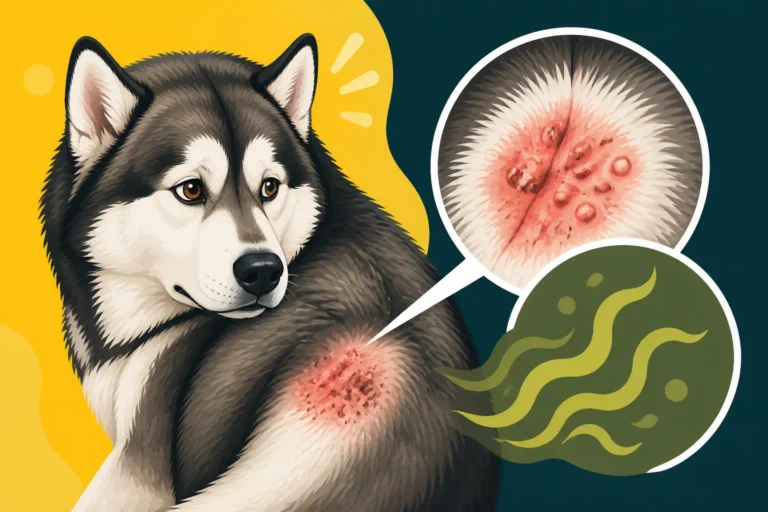
If your Malamute's paw pads become severely cracked, dry, or show signs of infection (like a foul odor or discharge), your vet can diagnose the underlying cause and prescribe appropriate treatment, which might include antibiotics, anti-inflammatory medications, or specialized paw treatments. Remember, your Malamute relies on its paws for everything, from romping in the snow to walking around the house. Prompt veterinary attention can prevent minor issues from escalating into serious problems, ensuring your beloved companion can continue to enjoy their active life to the fullest, even into their senior years. Caring for an Old Alaskan Malamute often involves increased attention to paw health.
Disclaimer
This article is for general informational purposes only and does not constitute professional advice. Laws, prices and regulations vary by location and change over time. Consult a qualified professional for guidance on your specific situation.