Whether an Alaskan Malamute’s Nails Wear Down Pulling
One of the questions I hear most often from new Alaskan Malamute owners, especially those who dream of tapping into their dog’s natural desire to pull, is about how much their dog's nails will wear down with activity. It's a common and completely valid concern because proper nail length is crucial for their comfort and health, but it's not always as straightforward as just letting them "run it off." This guide will dive deep into the realities of Malamute nail wear during pulling activities, what to watch for, and how to maintain healthy paws even with an active lifestyle.
The Reality of Malamute Nails and Working Conditions
It’s a lovely thought, isn't it? Your magnificent Malamute, pulling a sled or a cart, his nails naturally abrading themselves down to a perfect length against the ground. And while there's certainly some wear that occurs, the reality is often a bit more nuanced. We can't always rely solely on their work to keep those claws in check.
How Nails Naturally Wear Down (or Don't)
In an ideal world, a dog’s nails should just touch the ground when they are standing naturally, or even better, be slightly above it. You shouldn't hear a "click-click-click" as they walk across your kitchen floor. For wild canids, constant movement over varied, often rough terrain like rocks, packed earth, and coarse sand does a fantastic job of keeping their nails short. This natural abrasion is what we often try to emulate for our domestic dogs.
However, our Malamutes, even the most active ones, spend a significant amount of their lives on softer surfaces. Think about it: your plush carpet, the grassy backyard, or even snow-covered trails. These surfaces offer very little natural abrasion for those tough Malamute nails. Even a daily walk around the block on pavement might not be enough if the nails are already a bit too long, as the angle of contact isn't always optimal for grinding them down effectively. Plus, a Malamute’s dense coat can sometimes obscure just how long those nails are truly getting until they start causing issues.
The Impact of Pulling Activities on Nail Wear
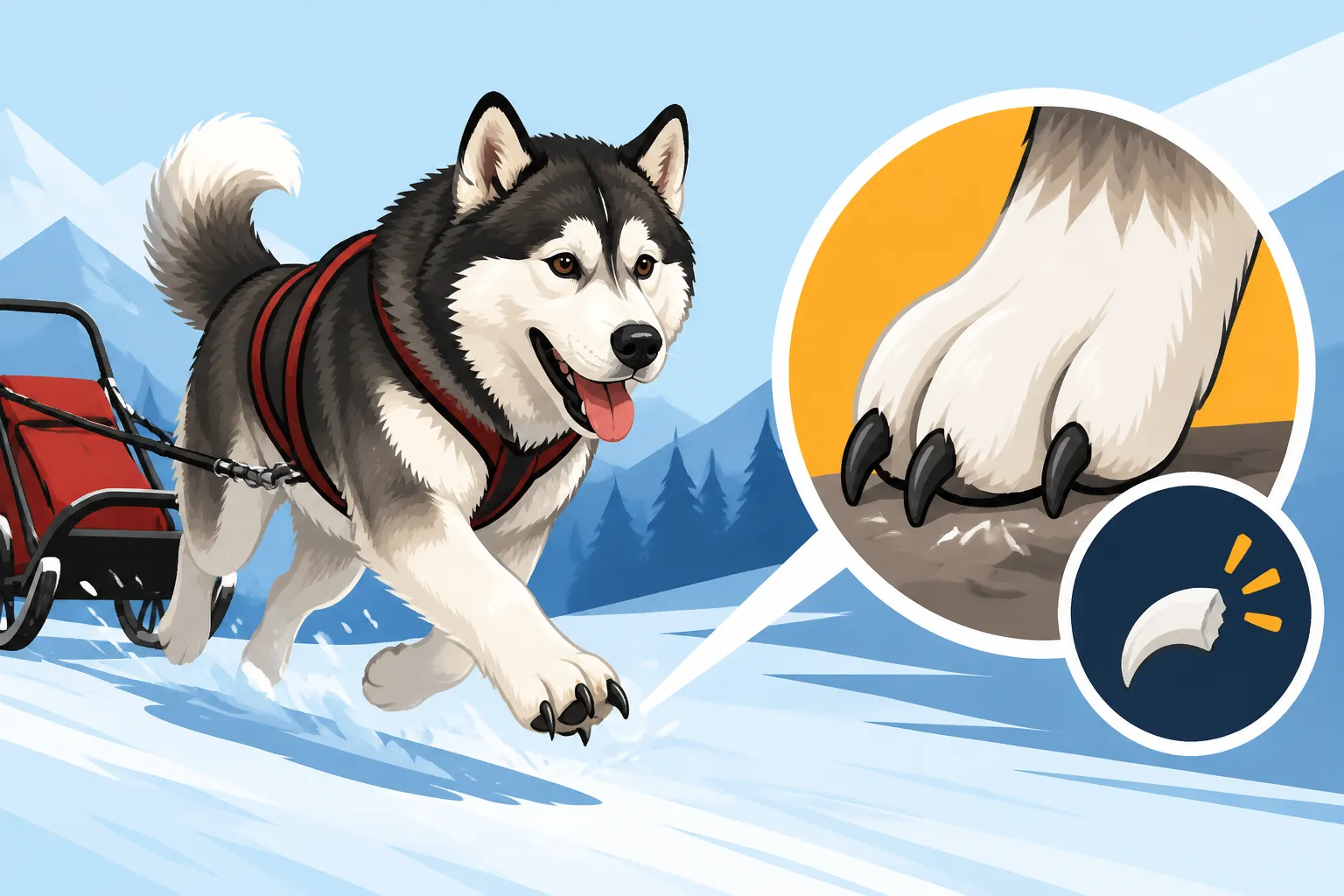
When we talk about pulling activities, we're encompassing a range of wonderful things Malamutes excel at: weight pull, recreational sledding, carting, bikejoring, or even just hiking with a weighted pack. The effect of these activities on nail wear largely depends on a few key factors: the surface, the intensity, and the duration.
Consider the surface first. If your Malamute is pulling a rig across a paved bike path, there's a good chance their nails will get some decent abrasion. The constant friction against the rough asphalt can indeed help to grind them down. However, many pulling activities, especially recreational mushing or weight pull, often take place on softer ground like dirt trails, grass, or, ideally, snow. While snow is fantastic for their paws and joints, it offers almost no abrasive benefit to their nails. In fact, if the snow is crusty, it can sometimes be detrimental, leading to chips or cracks rather than healthy wear. Even firm dirt trails, while better than soft grass, typically aren't abrasive enough to keep up with a Malamute's nail growth, especially if they have strong, fast-growing nails.
Then there's the intensity and duration. A quick sprint across a field might not do much, but hours of consistent work on a varied terrain could certainly contribute. However, even for dedicated working Malamutes, it's rare for their nails to wear perfectly evenly or sufficiently enough to completely forego regular trims. The angle at which their nails hit the ground during their powerful strides, the way they push off, and the sheer strength of their nails often mean that some parts might wear more than others, or not enough overall. It's simply not a reliable substitute for mindful, proactive nail care.
When Pulling Isn't Enough: Identifying Overgrown Nails
It's a common misconception that an active dog never needs a nail trim. Unfortunately, this isn't the case for most Malamutes, whose nails can grow surprisingly fast and strong. Learning to identify overgrown nails is a critical part of being a responsible Malamute owner, as neglecting them can lead to pain and long-term health issues.
Signs Your Malamute's Nails Are Too Long
The first, and often most obvious, sign that your Malamute's nails are getting too long is the sound they make. If you hear that distinctive "click-click-click" as your dog walks across hard surfaces like hardwood floors, tile, or pavement, those nails are definitely past their prime. Ideally, their nails should not touch the ground at all when they are standing naturally.
Beyond the audible cues, observe your Malamute's stance and gait. If their nails are pushing back against their paw pads, it can force their toes to splay out unnaturally. This changes the entire structure of their foot, putting pressure on joints that aren't designed for it. You might notice them walking with a more hesitant or awkward gait, or even slipping more frequently on smooth surfaces because their long nails are reducing their traction. Sometimes, you'll even see the nail itself start to curve under, growing into the paw pad, which is incredibly painful and can lead to serious infections. A quick glance at the side of your Malamute's paw should show you the nails ending before they curl or make significant contact with the ground.
The Dangers of Overgrown Nails
Ignoring overgrown nails isn't just about aesthetics or a noisy walk; it has serious implications for your Malamute's health and comfort. First and foremost, long nails are painful. When the nails constantly push back into the nail bed, it creates discomfort and can even lead to arthritis in their toe joints over time. Imagine walking around all day in shoes that are too small and constantly push your toes back – that’s essentially what a Malamute with overgrown nails experiences.
The altered foot structure from splayed toes can also lead to other issues like lameness, corns, or even hip and back pain as your Malamute tries to compensate for their uncomfortable feet. For a powerful, active breed like the Malamute, this can severely impact their ability to enjoy their favorite activities, whether it's pulling a sled or just bounding through the snow. There's also a significantly increased risk of injury: long nails are much more prone to getting snagged and tearing or breaking off, which can be extremely painful and often requires a vet visit to treat. In severe cases, particularly if the quick (the living part of the nail with blood vessels and nerves) has grown out with the nail, it can be a lengthy process to gradually trim them back without causing bleeding and pain. Taking preventive measures is truly the kindest thing you can do for your companion.
Proactive Nail Care for the Working Malamute
Even if your Malamute is a superstar on the trail or in weight pull, incorporating regular, proactive nail care into their routine is non-negotiable. It’s about ensuring their comfort, preventing injuries, and supporting their overall health for a long, active life.
Essential Tools and Techniques for Nail Trimming
When it comes to trimming your Malamute’s nails, you essentially have two main options: clippers or a Dremel-style rotary tool. Both have their pros and cons, and what works best often comes down to your dog’s temperament and your own comfort level.
Traditional guillotine-style clippers are quick and efficient, but they require a steady hand and a good understanding of where the quick is to avoid cutting too short. A common frustration is that if your Malamute's nails are already too long, the quick may have grown out with them, making it challenging to get them back to a healthy length with clippers without causing pain. This is where a grinder like a Dremel can be incredibly useful. It allows you to gradually grind down the nail, even taking off tiny bits at a time, which helps the quick recede over time. While it takes longer per nail, it can be less stressful for dogs who are sensitive to the "snip" sensation of clippers. It also creates a smoother finish, reducing sharp edges. Whether a Dremel Suits an Alaskan Malamute's Nails is a great resource if you're considering this method.
The most important technique for either method is consistency. Aim to trim or dremel your Malamute's nails every 1-2 weeks. This frequent trimming keeps the quick from growing too long, allowing you to gradually shorten the nail over time. Always have styptic powder on hand in case you accidentally cut into the quick. Most importantly, make it a positive experience with lots of praise and high-value treats. You can even find training videos on platforms like YouTube that demonstrate how to desensitize your Malamute to nail trims, turning it into a calm, cooperative activity. Brands like Chewy and Amazon offer a wide range of clippers, Dremel tools, and styptic powder to get you started.
Incorporating Grooming into a Routine
Making nail care a regular part of your Malamute's life from puppyhood is the easiest way to ensure a lifetime of good paw health. Start gently, even before they need a full trim. Touch their paws, play with their toes, and introduce the clippers or Dremel without actually using them, followed by treats. This desensitization process is crucial for a breed that can be stubborn about things they don’t like.
As they grow, establish a weekly "paw check." This isn’t just for nails; it’s also a good time to check between their paw pads for any foreign objects, cracks, or signs of irritation, especially after a long pull or hike. Consistency helps them understand that this is just part of life, not a scary surprise. If you find yourself struggling or your Malamute is particularly resistant, don't hesitate to seek help from a professional groomer or your veterinarian. They can often provide guidance, demonstrate proper technique, or even do the trimming for you until your dog is more comfortable. Remember, a groomer might charge a bit more for a large, fluffy Malamute, especially one that's not keen on having their paws handled, but it's worth it for the health of your dog and your peace of mind.
Beyond Clipping: Other Considerations
While regular trimming is the cornerstone of good nail care, there are other factors that can contribute to healthy Malamute paws. For example, in certain extreme conditions, like ice-crusted snow or rough, rocky terrain, booties can be incredibly beneficial. They protect the paw pads from injury and can also help prevent nails from chipping or breaking, though they won't necessarily wear the nails down. Whether an Alaskan Malamute Needs Booties for Pulling is a good read on this topic.
Some controlled walks on abrasive surfaces like pavement or concrete can certainly help naturally abrade the nails, but always be mindful of the temperature and duration to avoid burning paw pads in hot weather or over-stressing joints. Finally, a balanced diet plays an indirect but important role. Good nutrition, including adequate zinc, supports strong nails and healthy skin and coat overall. While there isn't a magical food that will make nails self-trim, feeding a high-quality food (perhaps from a brand like Ollie for fresh food options, or a premium kibble) ensures they have the building blocks for healthy growth. If your Malamute has any nail brittleness or recurring issues, it's always worth consulting your vet, as it could be a sign of an underlying nutritional deficiency or health issue.
Nail Care Methods Comparison
Here's a quick comparison of the common methods for managing your Malamute's nails:
| Method | Pros | Cons | Ideal For | Frequency Recommended |
|---|---|---|---|---|
| Guillotine Clippers | Quick, efficient for routine trims | Risk of cutting quick, can be stressful for some dogs, less effective for overgrown nails | Dogs tolerant of clipping, nails not excessively long, routine maintenance | Every 1-2 weeks |
| Dremel/Grinder | Safer for overgrown nails, helps quick recede, smooth finish, less risk of quicking | Takes longer per nail, noise/vibration can scare some dogs, learning curve | Overgrown nails, fearful dogs (with desensitization), precise shaping | Every 1-2 weeks |
| Natural Abrasion (Pavement walks) | Free, convenient, helps some wear | Not sufficient alone, risk of paw pad injury (heat/roughness), not all nails wear evenly, not always available | Supplemental wear, good for dogs with slightly long nails | Daily (with caution) |
| Professional Groomer/Vet | Expert handling, ensures proper length, takes stress off owner | Costly, still requires maintenance between visits | Dogs resistant to home care, first-time owners needing guidance, very overgrown nails | As needed (every 4-6 weeks for maintenance) |
Disclaimer
This article is for general informational purposes only and does not constitute professional advice. Laws, prices and regulations vary by location and change over time. Consult a qualified professional for guidance on your specific situation.