Whether a Malamute Needs Bedding in an Outdoor Kennel
It's a common thought, especially for those new to the breed, that an Alaskan Malamute, with their magnificent double coat, must be perfectly fine sleeping outside in any weather, no bedding needed. You might hear folks say, "They're Arctic dogs, they'll just dig a snow cave!" While it's true they are built for cold, assuming they need absolutely no comfort or protection in an outdoor kennel is a misconception that can lead to an uncomfortable or even unhealthy situation for your beloved companion. This guide will walk you through why providing proper bedding in an outdoor kennel is not just a luxury, but often a necessity for your Malamute's well-being.
The Malamute's Natural Resilience vs. True Comfort Needs
It's easy to look at an Alaskan Malamute and picture them as unyielding titans against the elements. After all, their ancestors thrived in some of the harshest environments on Earth, pulling sleds and surviving alongside the Mahlemut people. Their very physiology is a testament to natural selection, designed for immense endurance and cold weather protection. However, even the toughest working dog benefits from thoughtful care, and separating their innate hardiness from their actual comfort needs is crucial for responsible ownership.
Understanding the Alaskan Malamute's Double Coat
The Alaskan Malamute's double coat is truly a marvel of natural engineering. It consists of two distinct layers, each playing a vital role in insulation and protection. The outer coat is made up of coarse, thick guard hairs. These hairs are straight and stand off the body, acting like a natural waterproof and windproof shell. They prevent snow and ice from reaching the skin and shed water effectively, much like a well-designed winter jacket. Beneath this protective layer lies the undercoat, which is dense, woolly, and soft. This incredibly thick undercoat is the primary insulator, trapping a layer of warm air close to the body, keeping the Malamute warm even in sub-zero temperatures. It’s why you might see a Malamute enjoying itself immensely in a blizzard, perhaps even choosing to Whether a Malamute Sleeps in the Snow by Choice.
However, even this amazing coat has its limits. While it provides excellent insulation from cold and damp, it doesn't offer cushioning from a hard surface, nor does it protect against persistent drafts or extreme ground cold over extended periods. Imagine trying to sleep on a concrete slab in freezing temperatures, even with a thick coat on – your body heat would eventually transfer to the cold surface, and your joints would ache. The coat is for insulating against ambient air, not for cushioning or blocking conductive heat loss to a cold, hard surface.
Beyond Just 'Warmth': Other Comfort Factors
Comfort for a Malamute in an outdoor kennel extends far beyond just staying warm. While their coat handles cold air remarkably well, there are other considerations. A hard, cold surface, like concrete or bare earth, can be detrimental to a Malamute's joints over time. These are large, heavy dogs, prone to issues like Hip Dysplasia in an Alaskan Malamute. Sleeping directly on unforgiving surfaces can exacerbate joint pain, lead to calluses, and simply make them uncomfortable. Think about it: would you want to sleep on a bare concrete floor every night, even if you were wearing a parka? Probably not.
Furthermore, proper bedding provides a sense of security and den-like comfort. Dogs are den animals by nature, and a soft, contained sleeping area can reduce stress and promote better rest. It gives them a designated, comfortable spot that is distinctly theirs. This psychological comfort is just as important as physical warmth. Even if they are perfectly capable of enduring harsh conditions, our goal as owners is to provide them with the best possible quality of life, which includes a comfortable place to rest and recuperate. What an Alaskan Malamute Needs Every Day includes a safe, comfortable place to sleep, regardless of the temperature.
Assessing the Outdoor Kennel Environment
Before you even think about what kind of bedding to provide, it's crucial to thoroughly assess the outdoor kennel environment itself. A kennel isn't just four walls and a roof; it's a micro-environment that needs to be as protective and comfortable as possible, especially for a large breed like the Malamute. Many factors can influence what type of bedding is most appropriate, from the kennel's construction to the local climate.
Kennel Design and Protection from Elements
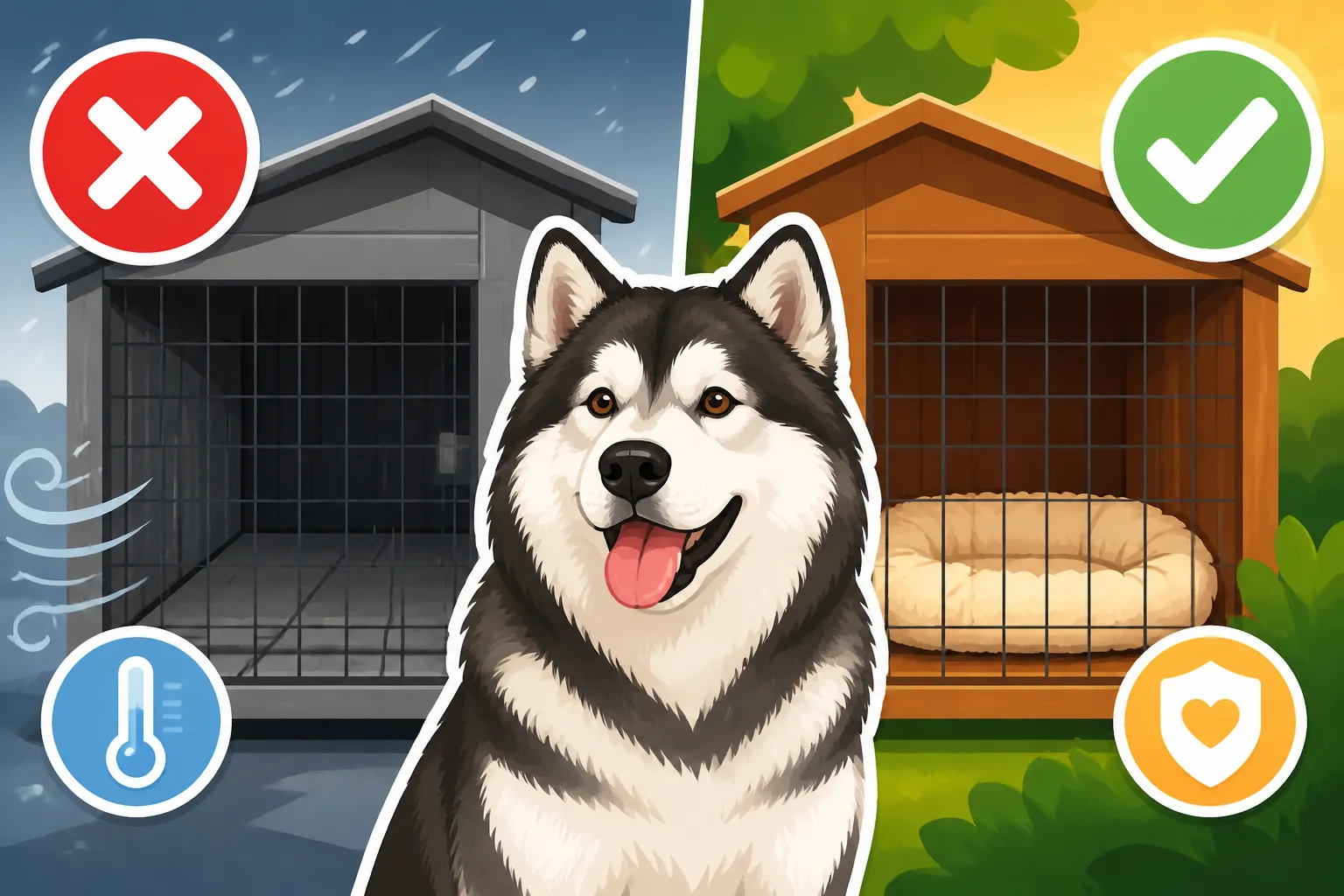
The design of your outdoor kennel plays a significant role in your Malamute's comfort. Is it merely a chain-link run with no overhead cover? Or is it a sturdy, three-sided shelter with a solid roof and raised floor? An ideal outdoor kennel for a Malamute should offer substantial protection from wind, rain, and snow. This means at least three solid walls and a leak-proof roof. A raised floor is also highly beneficial as it prevents direct contact with cold, damp ground, which can wick away body heat and make any bedding less effective. If your kennel doesn't have a raised floor, that becomes an even stronger argument for robust, insulating bedding. You might also want to consider if Whether a Malamute Needs a Roofed Run for protection from both sun and precipitation.
Consider the prevailing winds in your area. Even on a relatively mild day, a constant cold breeze can penetrate a Malamute's coat if they are exposed without adequate shelter. The kennel should be oriented to block these winds, and any open side should face away from the harshest weather. Protection from direct sunlight is also important, as Malamutes can quickly overheat in summer. A shaded area, or a roof that extends beyond the walls, will help keep the kennel interior cooler.
Climate and Temperature Considerations
Your local climate dictates much of what your Malamute will need in terms of outdoor bedding. In areas with mild winters and cool summers, the requirements will be different than for those living in regions with extreme cold snaps or scorching summers.
In colder climates, where temperatures regularly drop well below freezing, insulating bedding becomes paramount. Even though Malamutes thrive in winter, a consistently frozen sleeping surface can sap their energy and contribute to joint stiffness. For dogs that spend significant time outdoors, like a working Malamute, ensuring they have a warm, dry place to rest is critical for their recovery and overall health. On the flip side, during warmer months, the focus shifts from insulation to breathability and hygiene. Thick, insulating bedding can become too hot, making your Malamute uncomfortable and potentially leading to skin issues if it traps moisture. The Temperature at Which a Malamute Should Stay Indoors highlights the need to be aware of heat, not just cold.
It's not just about the absolute temperature, but also the fluctuations. A warm sunny day followed by a cold, damp night can be trickier than consistent, dry cold. Regular monitoring of the weather forecast and your Malamute's behavior will help you adjust their bedding as needed. For older Malamutes, who might be more susceptible to cold or have existing joint conditions, extra insulation and comfort are always a good idea, even if they have a magnificent coat. Caring for an Old Alaskan Malamute often involves making their environment as comfortable as possible.
Types of Bedding for Outdoor Malamutes
When it comes to choosing bedding for your outdoor Malamute, you have several options, each with its own set of advantages and disadvantages. The best choice will depend on your climate, your kennel setup, your budget, and most importantly, your individual Malamute's preferences and habits. What works perfectly for one dog might be shredded to bits by another in an afternoon.
Straw, Cedar, and Natural Options
Many owners turn to natural materials for outdoor bedding, and for good reason. They are often affordable, readily available, and provide excellent insulation.
-
Straw (not hay!): This is a traditional choice for outdoor dog housing and is often recommended for good reason. Straw, which is hollow-stemmed, provides superior insulation by trapping air. It lifts the dog off the cold ground and creates a warm, dry nest. It’s also relatively inexpensive and easy to replace. However, it must be clean, dry straw, not hay. Hay retains moisture, molds easily, and can cause allergic reactions. Straw, on the other hand, repels moisture better. The downside is that it needs regular refreshing to remain hygienic and prevent pests. Some Malamutes might also chew on it, or it can be tracked into other areas. You can often find bales of straw at local farm supply stores.
-
Cedar or Pine Shavings: These wood shavings can offer some insulation and are known for their natural insect-repelling properties and pleasant scent. They are a step up from bare ground and can absorb some moisture. However, they don't offer the same level of insulation or cushioning as straw. They can also be dusty, and some dogs can have sensitivities to the oils in cedar or pine, leading to skin irritation or respiratory issues. Like straw, they need regular replacement.
-
Dry Leaves/Evergreen Boughs: While not a long-term solution, in a pinch or for temporary shelter, a thick layer of dry leaves or evergreen boughs can provide some natural insulation. This mimics what a wild canid might do to create a temporary den. However, it's not hygienic or durable for regular use and would need constant replenishment.
| Bedding Type | Insulation | Cushioning | Cost | Durability | Ease of Cleaning | Notes |
|---|---|---|---|---|---|---|
| Straw (clean, dry) | Excellent | Good | Low | Low | Moderate | Needs frequent replacement; check for pests |
| Cedar/Pine Shavings | Moderate | Low | Low/Medium | Low | Moderate | Dustier; potential for sensitivities; pleasant scent |
| Elevated Bed | N/A (lifts) | Moderate | Medium/High | High | Excellent | No direct insulation, but prevents conductive heat loss |
| Durable Mat/Pad | Moderate | Good | Medium/High | Medium/High | Good | Can be chewed; provides a consistent surface |
Elevated Beds and Durable Mats
Modern options provide excellent alternatives to natural bedding, focusing on durability, hygiene, and specific comfort features.
-
Elevated Beds: These are fantastic for outdoor use. They consist of a sturdy frame (often metal or PVC) with a mesh or fabric sleeping surface suspended above the ground. The key benefit here isn't insulation from the bed itself, but the fact that it lifts your Malamute off the cold, damp, or hot ground. This prevents conductive heat loss in winter and allows air circulation underneath in summer, keeping them much cooler. Brands like Kuranda or similar heavy-duty models found on Chewy or Amazon are excellent choices, as they are often chew-proof and incredibly durable. They are also super easy to clean – a quick hose down and they're dry. You can always add a blanket or a thinner mat on top of an elevated bed for extra warmth or cushioning when temperatures drop.
-
Durable Mats or Pads: If an elevated bed isn't feasible or you want additional cushioning, thick, durable outdoor-specific mats or pads are a good option. Look for ones made from closed-cell foam or heavy-duty, waterproof fabrics that can withstand the elements and your Malamute's chewing tendencies. Memory foam dog beds designed for indoor use generally won't hold up outdoors due to moisture and temperature extremes. You need something rugged and easy to clean. Some are specifically designed to repel water and resist mildew. However, even the most durable mat can be destroyed by a determined Malamute, so choose wisely and consider your dog's chewing habits. For instance, Ruffwear or K9 Ballistics offer highly durable options that can be purchased through retailers like Chewy or Amazon.
The choice often comes down to balancing insulation, cleanliness, durability, and cost. Some owners even combine methods – an elevated bed for year-round comfort, topped with straw or a thick mat during the coldest parts of Winter Is When an Alaskan Malamute Comes Alive.
Practical Tips for Providing Outdoor Kennel Bedding
Providing bedding is one thing; ensuring it remains effective and safe for your Malamute is another. Outdoor environments present unique challenges that require consistent attention and smart strategies. It’s not a "set it and forget it" task, particularly with a breed as resourceful and strong as an Alaskan Malamute.
Keeping Bedding Clean and Dry
The biggest challenge with outdoor bedding is keeping it clean and dry. Damp bedding loses its insulating properties rapidly and creates a breeding ground for bacteria, mold, and parasites. This can lead to skin infections, respiratory issues, and general discomfort for your Malamute.
- Regular Inspection: Check the bedding daily. If it's wet, soiled, or starting to smell, it needs attention. For straw, this might mean removing the wet sections and adding fresh. For mats, it means washing or wiping them down.
- Weather Protection: Ensure your kennel offers adequate protection from rain and snow. Even the best bedding will quickly become useless if it's constantly getting soaked. If your Malamute tends to drag bedding out into the elements, you might need to secure it or choose heavier, less portable options.
- Washing Schedule: Develop a regular washing schedule for fabric mats or blankets. Even if they appear clean, they can harbor dirt, dander, and odors. Many durable mats are hose-washable and quick-drying. For straw, a full replacement might be needed every few weeks, or more frequently depending on use and conditions. Don't forget that a Malamute's coat blow can quickly fill up bedding with shed fur, increasing the need for cleaning. How Much Undercoat a Malamute Puts Into a House is a testament to this!
- Pest Control: Straw and wood shavings can attract fleas, ticks, and other pests. Regular cleaning and replacement are your best defense. If you notice signs of pests, you'll need to treat both the kennel and your Malamute appropriately.
Observing Your Malamute's Preferences
Ultimately, your Malamute will tell you what they prefer, though sometimes their 'preferences' need a little guidance for their own good. Pay close attention to how they interact with the bedding you provide.
- Comfort Indicators: Does your Malamute readily use the bedding? Do they seem settled and relaxed when resting on it? Or do they avoid it, perhaps digging a bare spot next to it, or trying to move it around? Some Malamutes are notorious for redecorating their spaces, pushing bedding into a pile or out of the kennel entirely. This might indicate they don't find it comfortable, or they're trying to achieve a different level of warmth or coolness.
- Seasonal Changes: Notice if your Malamute's habits change with the seasons. They might appreciate a thick straw bed in the dead of winter but prefer just an elevated cot in the heat of summer. Be flexible and adjust the bedding as temperatures change.
- Trial and Error: Don't be afraid to experiment. You might start with one type of bedding and realize it's not working. Try a different material, or combine elements, like an elevated bed with a durable, washable blanket on top. For instance, Whether an Alaskan Malamute Can Sleep Outdoors in Winter is generally yes, but comfortably requires attention to detail.
- Health and Age: Younger, robust Malamutes might tolerate less luxurious bedding, but as they age, comfort becomes increasingly important for their joints and overall well-being. An older Malamute might truly appreciate a softer, more insulating surface.
By observing your Malamute and adapting their bedding as needed, you can ensure their outdoor kennel provides a truly comfortable and healthy resting place, demonstrating that while they are rugged, they deserve all the comfort we can give them.
Disclaimer
This article is for general informational purposes only and does not constitute professional advice. Laws, prices and regulations vary by location and change over time. Consult a qualified professional for guidance on your specific situation.