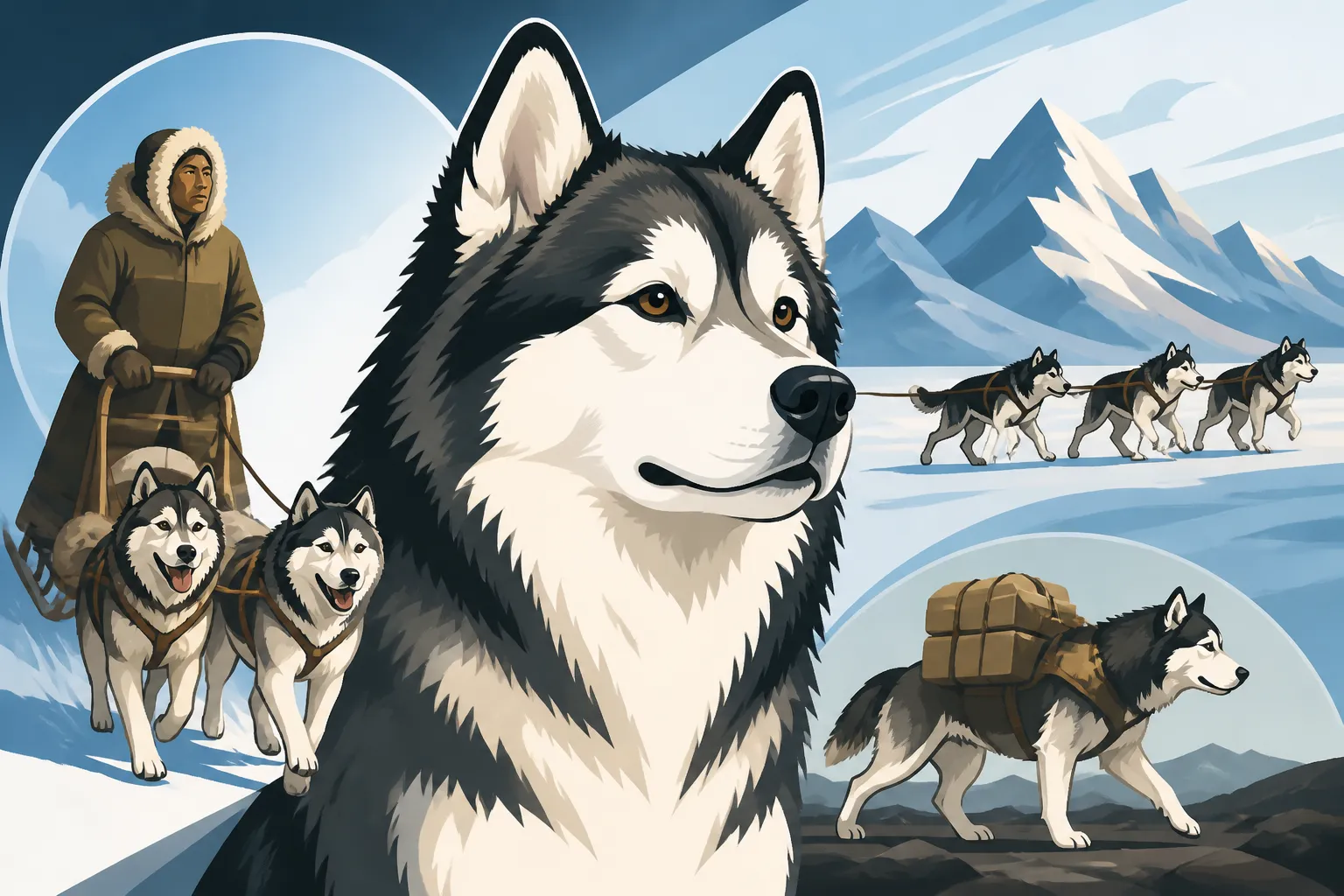
What the Mahlemut Used Their Malamutes For
When we talk about the Alaskan Malamute, it's easy to get lost in their fluffy coats and playful antics, but let's be real: these magnificent dogs weren't just born to be pretty faces. Their very existence is tied to the survival of an indigenous people in one of the harshest environments on Earth. This guide will take a deep dive into the indispensable roles these powerful canines played for the Mahlemut people of the Arctic, shedding light on the grit, intelligence, and unwavering loyalty that forged the breed we adore today.
The Mahlemut People and Their Arctic Homeland
To truly understand the Alaskan Malamute, you first have to understand the people who shaped them: the Mahlemut (also sometimes spelled Mahlemiut, or Malimiut). These skilled hunters and gatherers thrived in the unforgiving Arctic regions of what is now Alaska, specifically around the Kotzebue Sound area. Life here was a constant battle against extreme cold, scarce resources, and vast, challenging distances. Survival wasn't just about individual strength, but about the collective effort of the community, and central to that community were their dogs.
The Mahlemut’s way of life demanded resilience and ingenuity. They weren't just surviving; they were mastering their environment. Their villages were typically situated along coastal areas or rivers, allowing access to marine mammals and fish, as well as inland game. Every tool, every method, every living being in their circle had a purpose, and the dogs were no exception. These were not pets in the modern sense, but vital working partners, intricately woven into the fabric of daily life and long-term existence. You can't just wish for survival in such a place; you engineer it with every resource available, and the Malamute was a crucial living resource. Where the Malamute's Kotzebue Sound Is offers a geographical look at their ancestral home.
Adapting to an Icy World
Imagine a landscape where winter plunges temperatures far below freezing for months on end, where the ground is often frozen solid, and travel is dictated by snow and ice. This was, and still is, the reality of the Mahlemut's ancestral lands. Their existence relied on efficient travel and the ability to transport goods, game, and even their homes across these formidable distances. Without modern machinery, their dog teams were the engines of their society.
The Mahlemut people developed a profound understanding of their environment and the animals within it. They selectively bred their dogs not for speed or flash, but for incredible endurance, strength, and a thick, insulating coat that could withstand blizzards and frostbite. This wasn't a casual breeding program; it was a matter of life and death, ensuring each generation of dogs possessed the traits necessary for their people to thrive. It’s this deep connection to survival that sets the foundation for the Malamute's robust physique and tenacious spirit. How Long Malamute Type Dogs Have Been in Alaska delves into the historical timeline of these dogs in the region.
A Mutual Reliance for Survival
The relationship between the Mahlemut and their Malamutes was a true partnership. The dogs provided essential labor and assistance, and in return, they received care, shelter, and sustenance – often from the very resources they helped acquire. This wasn't a hierarchical "master and servant" dynamic, but a symbiotic bond where each party's well-being was directly linked to the other's.
Consider the immense trust and understanding that must have existed between handler and dog. In white-out conditions or on treacherous ice, a dog team's ability to follow commands, maintain a steady pace, and even anticipate dangers was paramount. These dogs were literally lifelines, and the Mahlemut knew it. This reciprocal relationship forged a breed renowned not only for its physical prowess but also for its keen intelligence and loyal, if sometimes independent, nature. It's a testament to Who the Mahlemut Who Bred the Malamute Were that they cultivated such an extraordinary breed.
Malamutes: The Ultimate Arctic Utility Dog
When we talk about "utility," for the Mahlemut, it meant everything. The Malamute wasn't a specialist dog in the way many modern breeds are; it was an all-around Arctic survival tool, adaptable to various tasks essential for daily living and long-term prosperity. From hauling heavy loads to aiding in the hunt, their value was immeasurable.
Their physical characteristics perfectly illustrate this utility. They possess a deep chest for lung capacity, powerful bone structure for strength, and a dense double coat that provides insulation even in sub-zero temperatures. Their broad, strong paws with thick pads were designed to grip ice and snow without quickly freezing or wearing down. These were dogs built for function, every inch of them serving a purpose in their challenging environment.
More Than Just Muscle: Intelligence and Instinct
While their physical attributes are impressive, the Mahlemut Malamutes were also highly intelligent and instinctively driven. They had to be able to make decisions on their own when necessary, especially when out on long hunting trips or journeys where the handler might not always be able to direct every step. This independent thinking is still a hallmark of the breed today.
Their keen senses, particularly their sense of smell, were invaluable for locating game, finding routes in blizzards, or even identifying thin ice. This blend of brawn and brains made them versatile assets. It wasn't just about pulling; it was about navigating, sensing, and contributing to the overall success of whatever task was at hand. This level of intrinsic intelligence sets them apart from many breeds whose primary role might be more focused.
The Team Dynamic: Working in Harmony
Perhaps one of the most remarkable aspects of the Mahlemut Malamute's utility was their ability to work cooperatively in a team. While individual strength was important, the synergy of a well-matched dog team amplified their capabilities exponentially. They learned to pull together, communicate with each other, and respond to subtle cues from their lead dog and handler.
This teamwork was fostered from a young age, with puppies observing and then participating in the daily routines. The lead dog, often chosen for its intelligence, experience, and strong sense of direction, was highly respected. The coordination of several powerful dogs, moving in unison, allowed the Mahlemut to achieve feats of transportation that would otherwise be impossible. This emphasis on team dynamics contributed to the Malamute's generally sociable nature with other dogs, provided boundaries and hierarchy are well-established.
Freight Hauling and Expedition Work
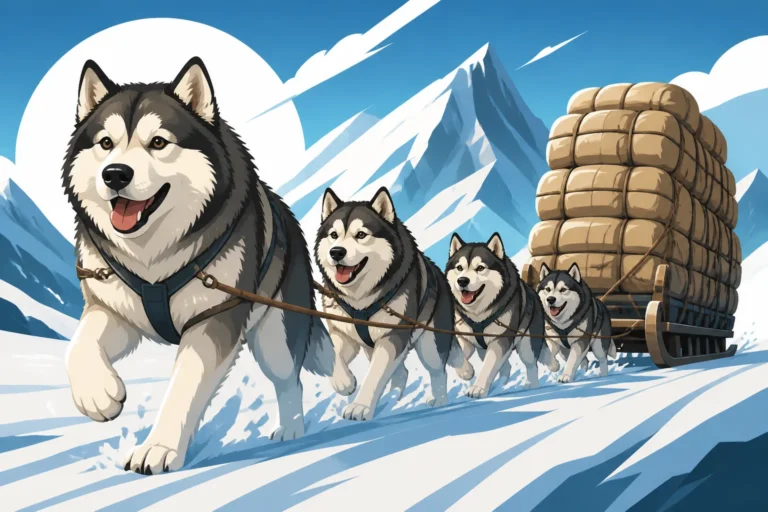
The single most defining role of the Alaskan Malamute for the Mahlemut people was undoubtedly freight hauling. In a land without roads or wheeled vehicles for much of the year, the ability to move goods, supplies, and harvested game across vast, often frozen, distances was absolutely critical for survival and trade. This wasn't just about moving things; it was about ensuring entire communities could subsist through harsh winters.
Imagine needing to transport a winter's worth of dried fish, seal blubber, or caribou hides from a hunting ground back to your village. Without the powerful, enduring capabilities of a Malamute team, such an endeavor would have been unthinkable. Their strength allowed them to pull heavy sleds laden with hundreds of pounds of cargo, a task they performed with unwavering resolve, day after day, mile after mile.
The Art of Sledding: Slow and Steady Wins the Race
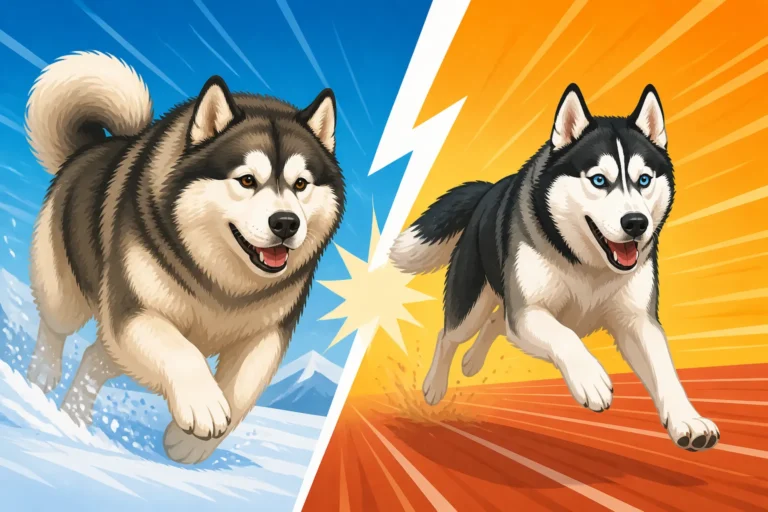
Unlike some of the faster, lighter sled dog breeds that emerged for racing purposes, the Mahlemut Malamute was bred for power and endurance over speed. Their gait was a steady, ground-covering trot, designed to conserve energy while consistently making progress with a heavy load. This "slow and steady" approach was paramount for long expeditions.
A typical freighting journey could last days or even weeks, traversing hundreds of miles. The dogs needed to be able to maintain their pace without fatiguing quickly, enduring freezing temperatures, strong winds, and deep snow. This required incredible stamina and a metabolism that could efficiently convert food into sustained energy. Their ability to manage their energy output meant they could keep going when other dogs would have faltered. Why a Malamute Pulls Slowly Rather Than Fast dives deeper into this fundamental difference.
Building and Maintaining a Freight Team
As you can imagine, putting together a reliable freight team was no small feat. It involved careful selection of dogs, extensive training, and a deep understanding of each dog's personality and abilities. A team could consist of anywhere from a few dogs to a dozen or more, depending on the load and the terrain. How Many Malamutes a Freight Team Used explores the practical aspects of team composition.
Training began young, often with puppies being introduced to harnesses and light loads, gradually building their strength and understanding of commands. The bond between the handler and the lead dog was particularly crucial, as the lead dog guided the team through challenging conditions, responding to vocal commands and hand signals. This careful cultivation of a working team was a generational endeavor, passing down knowledge and skills vital for their way of life. When you think about the gear involved, even back then, it was specialized. Today, if you're outfitting a modern dog for pulling sports, you might look to a retailer like Chewy for specialized harnesses, lines, and even booties to protect their paws on rough terrain.
The Economic Backbone of the Community
The Malamute's role in freighting extended beyond mere transportation; it was the economic backbone of the Mahlemut society. They enabled trade with other communities, allowing for the exchange of goods and resources that weren't locally available. This facilitated a more diverse and stable existence for the Mahlemut people.
Consider the quantity of supplies needed for a community: food, furs for clothing and shelter, tools, and materials for crafts. All of this had to be moved, sometimes over immense distances. The Malamute teams made this possible, allowing the Mahlemut to maintain their self-sufficiency and cultural integrity in a challenging environment. It's difficult to overstate how integral these dogs were to the entire economic and social structure. How Much Weight a Malamute Freight Team Hauled gives a sense of the immense burden these dogs shouldered.
| Malamute Role | Primary Function | Key Traits Utilized | Impact on Mahlemut Life |
|---|---|---|---|
| Freight Hauling | Transporting heavy loads across long distances | Strength, endurance, efficient metabolism, teamwork | Enabled trade, resource distribution, winter survival |
| Hunting Aid | Locating and cornering large game, retrieving catches | Scent, stamina, bravery, independent decision-making | Provided vital food and furs, reduced hunting risk |
| Navigation/Scouting | Finding safe paths, indicating hazards | Intelligence, keen senses, environmental awareness | Ensured safe travel, prevented accidents |
| Warning/Protection | Alerting to dangers, deterring predators | Alertness, size, natural deterrent | Enhanced security for camps and families |
| Companionship | Providing warmth, psychological support, social bond | Loyalty, affectionate nature, presence | Improved mental well-being, fostered mutual trust |
| Camp Life Assistance | Carrying small loads, helping with daily chores | Trainability, strength | Lightened daily burdens, integrated dogs into routines |
Hunting and Sustenance
While freighting was their primary purpose, the Mahlemut Malamute's capabilities extended significantly into hunting, which was another critical aspect of Mahlemut survival. These dogs weren't just pullers; they were skilled hunting partners, helping to secure the essential food and resources needed to thrive in the Arctic. Their strength, keen senses, and intelligent decision-making made them invaluable assets in pursuing large game.
Imagine hunting immense animals like caribou, muskox, or even bears in a vast, icy landscape. This wasn't a solo endeavor. The dogs' ability to track scent, endure long chases, and hold an animal at bay allowed hunters to approach safely and secure their kill. They were literally putting food on the table, or rather, in the communal cache, through their work.
Tracking and Cornering Large Game
One of the most important roles in hunting was tracking. With their exceptional sense of smell, Malamutes could follow the faint scent trails of animals across snow and ice, leading hunters directly to their prey. This was especially crucial when game animals migrated or were scarce. Once located, the dogs could then work to corner or hold the animal, creating an opportunity for the hunters.
For animals like bears, the dogs would use their size and intimidating presence to keep the bear occupied, barking and moving strategically to prevent its escape or to distract it long enough for the hunters to position themselves. This required immense courage and an innate understanding of hunting dynamics. It's a vivid picture of How a Malamute Helped Hunt a Bear through cooperative effort, combining human skill with canine instinct.
Locating Seal Blowholes and Other Marine Life
Beyond land-based hunting, the Mahlemut, being coastal dwellers, relied heavily on marine mammals, especially seals. In winter, seals remain under the ice, coming up for air at specific "blowholes." Locating these hidden blowholes under a blanket of snow was a specialized skill for the Malamutes. Their acute sense of smell could detect the presence of seals or the faint scent of their breath escaping through the ice.
Once a blowhole was located, hunters could then prepare to wait for the seal to surface. This ability was a game-changer for sustenance during the long, dark winters when other food sources might be scarce. The dogs provided a crucial link to this vital food source, demonstrating their versatility beyond pure strength. Whether Malamutes Found Seal Blowholes illustrates another incredible skill that made them essential.
Retrieving and Transporting Kills
After a successful hunt, especially with large game, the work wasn't over. Transporting the kill back to camp or village was another arduous task. This is where the Malamute's freighting abilities came back into play. They could be hitched to a sled, or even have portions of the animal packed directly onto them in specialized harnesses, easing the burden on the human hunters.
This combined role of hunting and then transporting the harvest highlights their comprehensive utility. It wasn't about one job, but a series of interconnected tasks that ensured the community's survival. The dogs were often rewarded with portions of the kill, reinforcing their integral role in the food chain of the Mahlemut people. And speaking of food, while modern Malamutes enjoy carefully formulated kibble, historically, Whether Malamutes Were Fed Fish was a common practice, reflecting the resources available and their deep reliance on the bounty of the sea and land.
Companionship and Survival
While it's easy to focus on the purely utilitarian aspects of the Mahlemut Malamute – their brawn and their working ethic – it's crucial to remember that these were living, breathing, sentient beings deeply integrated into the Mahlemut way of life. Their role extended beyond mere labor; they were also companions, protectors, and sources of warmth and comfort in a harsh, isolated world. This often overlooked aspect speaks volumes about the breed's inherently loyal and affectionate nature.
In societies where survival depended on cooperation, the bond between humans and their dogs was profound. It wasn't just a transactional relationship; it was forged in shared hardship and mutual reliance. The Mahlemut respected their dogs immensely, understanding that their lives were often literally in their paws.
A Source of Warmth and Comfort
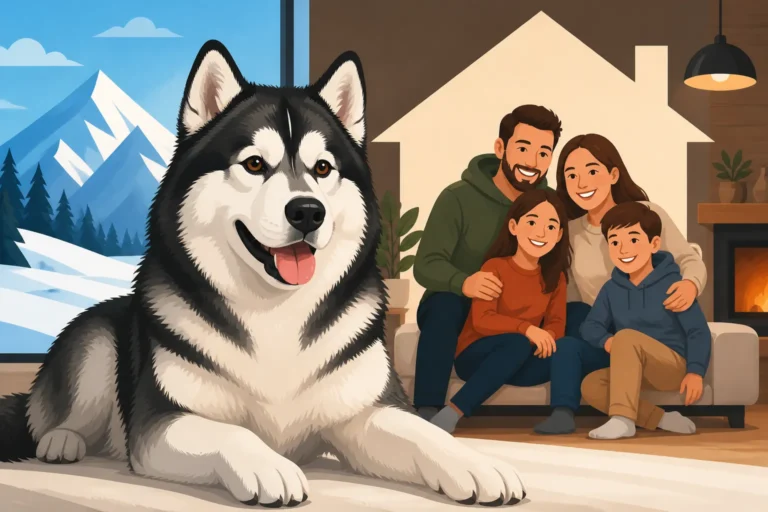
Picture a small Mahlemut family in their dwelling during a brutal Arctic night. While historical records suggest dogs often lived in outdoor kennels or tied up, there's also evidence to suggest that at times, especially in extreme cold or for specific individuals like children or the elderly, dogs might have been brought inside the shelters. A large Malamute, with its dense double coat, radiates significant body heat, offering a tangible source of warmth in sub-zero temperatures.
Beyond the physical warmth, there was undoubtedly psychological comfort. The presence of a loyal animal, a creature sharing the struggle and providing unwavering companionship, would have been invaluable in a world that could often feel isolating and hostile. This deep connection formed the bedrock of the Malamute's affectionate personality, even if it's tempered with an independent streak. Whether a Malamute Lived Inside the Family Dwelling discusses these historical living arrangements.
Protection and Warning System
In a wild environment teeming with predators – wolves, bears, and other large animals – a keen sense of awareness was vital for community safety. The Malamute, with its acute senses of hearing and smell, served as an excellent early warning system. Their distinctive "woo-woo" sounds, or even a deep bark (though they aren't excessive barkers), would alert the Mahlemut to approaching dangers long before humans would detect them.
Their sheer size and imposing presence also served as a deterrent. A pack of powerful Malamutes would certainly make any wild animal think twice before approaching a human settlement or camp. While not bred specifically as guard dogs in the modern sense, their protective instincts and natural vigilance were an undeniable asset for keeping the community safe from both animal and, potentially, human threats.
Deep Social Bonds and Emotional Support
Working side-by-side with these dogs day in and day out, through success and hardship, inevitably fostered deep social and emotional bonds. Dogs were often named, recognized as individuals, and treated with respect. A human-animal bond, particularly in challenging environments, can provide immense emotional support, reducing stress and fostering a sense of community.
The Malamute's social nature, its desire to be part of a "pack," found a natural fit within the Mahlemut family and community structure. This strong pack drive, directed towards their human companions, translated into unwavering loyalty. This powerful bond is perhaps the most enduring legacy of their historical role, informing the Malamute's character as a devoted family member even today.
The Legacy of the Mahlemut Malamute
The tireless work and unique partnership between the Mahlemut people and their dogs did not vanish with the arrival of modernity. Instead, the legacy of the Mahlemut Malamute has continued to thrive, influencing explorers, mushers, and eventually, pet owners around the world. The traits meticulously cultivated for survival in the Arctic are precisely what make them such distinctive and beloved dogs today.
From the very physical attributes to their unique temperament, every aspect of the modern Alaskan Malamute carries the echoes of their ancestral purpose. When you see a Malamute effortlessly navigating snow, or stubbornly insisting on its own way, you're witnessing the continuation of a millennia-old heritage.
Shaping the Breed Standard
When the Alaskan Malamute was formally recognized as a breed, its standards were essentially a description of the ideal Mahlemut working dog. The powerful build, the deep chest, the broad head, the dense coat – these weren't arbitrary aesthetic choices. They were functional requirements for a dog that had to haul heavy freight, hunt, and survive in the harshest conditions imaginable.
The breed's temperament also reflects its origins: intelligent, independent, strong-willed, yet affectionate and loyal to its human "pack." Even their infamous prey drive, a trait that modern owners often find challenging, is a direct inheritance from their hunting ancestors. Understanding this historical context helps owners appreciate the "why" behind their Malamute's unique quirks and needs.
Inspiration for Exploration and Modern Mushing
The incredible capabilities of the Mahlemut Malamute quickly gained recognition beyond their native lands. Explorers like Peary, Amundsen, and Byrd utilized these powerful dogs (or similar types) for their polar expeditions, knowing that these animals were uniquely adapted to traverse vast, icy wildernesses where no other form of transport was viable. Peary, Amundsen and Byrd Took Malamutes to the Poles is a fascinating read about their contributions to history.
Today, while much of the world has access to modern vehicles, the spirit of sledding and weight pulling continues through recreational mushing and competitive sports. Malamutes still excel in these activities, not always for speed, but for their incredible strength and endurance, remaining true to their freighting roots. Modern owners might find a suitable pulling harness or training treats on sites like Chewy to engage their Malamute in these heritage activities, proving that ancient traditions can meet modern convenience.
The Modern Alaskan Malamute: A Working Breed at Heart
Even if a modern Alaskan Malamute lives a comfortable life as a cherished family pet, its inherent drives and instincts remain. This is why owners often report their Malamutes love to dig, enjoy "talking" with their characteristic "woos," and possess an unwavering loyalty that can sometimes translate into stubbornness. These aren't flaws; they are features, deeply embedded by centuries of purpose-driven breeding.
For responsible Malamute owners, understanding their dog's heritage is key to providing a fulfilling life. This means ample exercise, opportunities for "work" (even if it's just carrying a backpack on a hike), consistent training, and recognizing their social needs. By honoring their past, we can better care for these magnificent animals in the present, ensuring that the legacy of the Mahlemut Malamute continues for generations to come. From a practical standpoint, even something as simple as finding the right durable chew toys or a comfortable, yet robust, dog bed from a large retailer like Chewy can help meet their inherent needs, satisfying their chewing instincts and providing a secure place to rest after a "hard day's work" of being a family dog.
Disclaimer
This article is for general informational purposes only and does not constitute professional advice. Laws, prices and regulations vary by location and change over time. Consult a qualified professional for guidance on your specific situation.