Whether the Gold Rush Nearly Ruined the Malamute
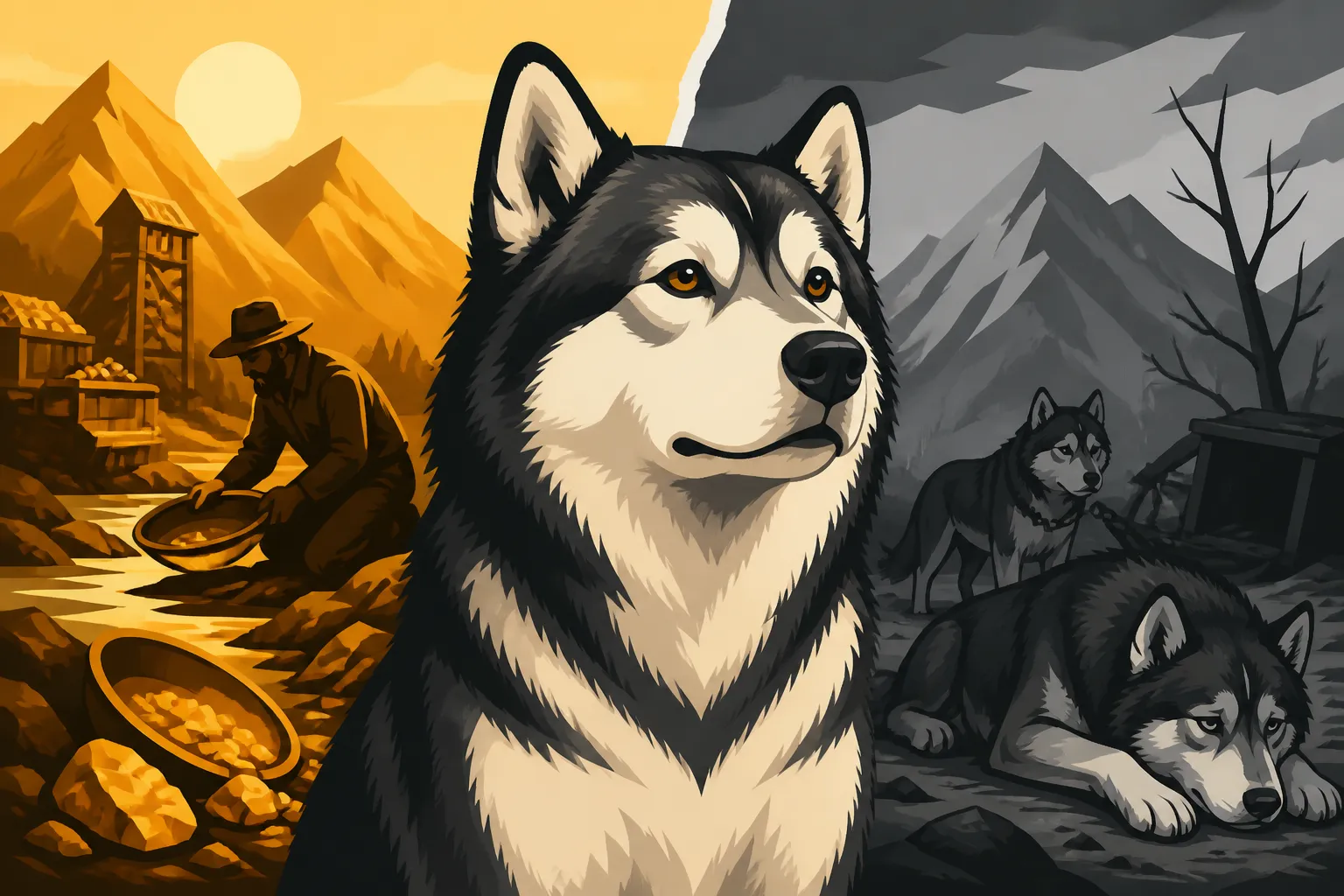
The Klondike Gold Rush wasn't just a frantic scramble for gold; it was a period of immense upheaval that profoundly impacted the working dogs of the North, none more so than the venerable Alaskan Malamute. Many people rightfully worry that the breed's distinct characteristics, carefully cultivated over centuries by the Mahlemut people, were nearly lost in the chaos of crossbreeding and the desperate demand for any dog that could pull. This guide will explore the real threats the Gold Rush posed to the Malamute's genetic purity and lineage, detailing the challenges faced and the dedicated efforts that ultimately preserved this magnificent breed.
The Malamute Before the Gold Rush: A Breed Forged by Necessity
To truly understand the danger the Gold Rush presented, we must first appreciate the Alaskan Malamute as it existed for generations before the stampede of prospectors. This wasn't just any sled dog; it was a living, breathing testament to centuries of selective breeding by an indigenous people perfectly adapted to one of the harshest environments on Earth.
The Mahlemut People and Their Dogs
The Mahlemut Inupiaq people, residing in the harsh but resource-rich Kotzebue Sound region of Alaska, developed the Alaskan Malamute. These dogs were not merely companions; they were integral to survival, a crucial extension of the family and community. Their very existence was intertwined with the ability of these dogs to perform demanding tasks that no human could manage alone. The Mahlemut bred their dogs with extreme care, passing down knowledge and selecting for traits that ensured the survival of both dog and human in an unforgiving landscape. There was no room for error or for breeding based on whim; every decision had a direct impact on the community's ability to hunt, travel, and thrive. This deep cultural connection meant the Malamute was shaped by specific, functional requirements, not fleeting trends or external demands. The Mahlemut of Kotzebue Sound Bred the Alaskan Malamute offers a fascinating look into this partnership.
They understood what made a dog successful in their environment: not speed, but immense strength, incredible endurance, and a robust constitution. These dogs were built to work, to pull heavy loads over vast distances in extreme cold, and to do so day in and day out without faltering. Imagine the meticulous observation and intuitive understanding of genetics the Mahlemut people must have possessed, long before modern science articulated these concepts. They were, in essence, the world's first and most dedicated Malamute breeders, driven by the purest form of necessity and a profound respect for their animal partners.
The Malamute's Original Purpose: Freight and Survival
The primary role of the Alaskan Malamute was heavy freighting. This meant pulling sleds laden with hunting gear, food, building materials, and sometimes even entire families across frozen tundra and through deep snow. These weren't races against the clock; they were journeys of survival, where consistency, unwavering stamina, and sheer pulling power were paramount. A Malamute needed to be able to haul significant weight, often over hundreds of miles, conserving energy efficiently and relying on its thick double coat for insulation. They weren't sprinters like some other sled dog breeds; they were the marathoners of the Arctic, built for sustained, powerful effort. Freight, Not Speed: What Separates a Malamute From a Racing Dog delves deeper into this fundamental difference.
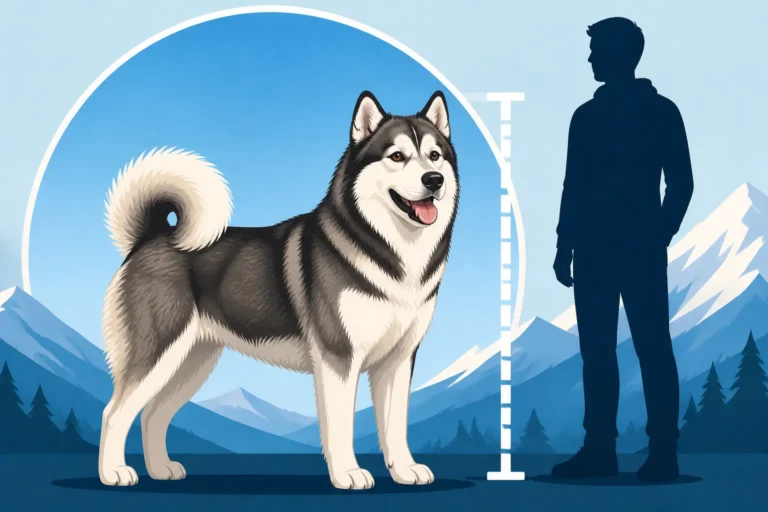
The Malamute's physiology perfectly reflected this purpose. Their strong, compact bodies, deep chests, and powerful musculature were all designed for pulling. Their efficient metabolism meant they could sustain themselves on less food than one might expect for their size, a critical advantage when resources were scarce. Consider a typical journey: a Mahlemut family might need to transport an entire winter's worth of supplies from a hunting ground back to their village. The team of Malamutes would perform this arduous task, moving slowly but surely, day after day, regardless of blizzards or treacherous terrain. This unwavering reliability, this incredible freighting ability, was the hallmark of the Alaskan Malamute, and it was the very essence that stood to be compromised. How Much Weight a Malamute Freight Team Hauled illustrates the impressive capabilities of these teams.
The Onset of the Gold Rush: A Sudden Demand for Dogs
The discovery of gold in the Yukon in the late 19th century triggered an unprecedented human migration to the North. Overnight, remote, frozen landscapes transformed into bustling, chaotic thoroughfares, and with this influx came a desperate need for transportation. The dog, and particularly the sled dog, became the most valuable commodity, but not always for the right reasons.
The Influx of Prospectors and Their Needs
Thousands upon thousands of prospectors, adventurers, and opportunists descended upon the Yukon and Alaska. Many arrived with little to no understanding of Arctic travel, the harsh realities of the environment, or the specialized skills required to navigate it. They quickly discovered that horses were largely useless in the deep snow and brutal cold, and human porterage was slow and back-breaking. Sled dogs, therefore, became indispensable. Every person seeking their fortune needed a way to transport their supplies, tools, and newfound gold, and dogs were the only reliable option.
This sudden, overwhelming demand created a chaotic market. Dogs were bought and sold at exorbitant prices, regardless of their breed, health, or actual aptitude for sled work. A prospector arriving in Skagway or Dyea, facing the brutal Chilkoot or White Pass, simply needed a dog that could pull. The nuance of what constituted a good freighting dog, let alone a purebred Malamute with specific centuries-old characteristics, was utterly lost on most of these newcomers. They were driven by urgency and profit, not by an appreciation for canine heritage. This created a fertile ground for exploitation and a serious threat to the carefully bred Malamute.
The Scramble for Sled Dogs and the Rise of Crossbreeding
With demand far outstripping supply, the floodgates opened for indiscriminate breeding. Any dog that could be hitched to a sled, or even just looked like it might be able to pull, was pressed into service. Dogs of all shapes, sizes, and genetic backgrounds were thrown together in an attempt to produce puppies quickly. "Sled dog" became a generic term, encompassing everything from purebred Malamutes and Siberians to various mixed breeds, hounds, and even unlikely crossbreeds that had little business being on a sled team. The focus was on quantity and immediate functionality, not on maintaining any specific breed integrity. Whether Gold Rush Prospectors Crossbred Malamutes examines this phenomenon closely.
Imagine the scene: a desperate prospector, needing to transport provisions to a remote claim, would purchase whatever dog was available, often at a staggering price. If that dog was a purebred Malamute, it might be bred with a smaller, faster husky-type dog, or even a setter, in the hopes of getting more dogs or dogs that might be perceived as having a desirable mix of traits. The goal was to produce a working animal, any working animal, as quickly and cheaply as possible. This widespread, unregulated crossbreeding meant that the pure genetic lines of the Malamute, once meticulously guarded, were now being diluted at an alarming rate. It was a genuine free-for-all, driven by the gold fever that gripped the North.
The Threat of Dilution: Why Purebred Malamutes Were at Risk
The indiscriminate breeding during the Gold Rush posed a direct and existential threat to the Alaskan Malamute. It wasn't just about mixing breeds; it was about fundamentally altering the very characteristics that defined the Malamute, potentially erasing centuries of development.
The Drive for Speed Over Strength
The nature of the Gold Rush itself contributed to the threat. While the traditional Malamute was valued for its immense strength and endurance for heavy freighting, the prospectors often had different priorities. They needed to move quickly between claims, deliver mail, or ferry supplies over shorter distances to burgeoning settlements. This created a demand for faster dogs, often at the expense of pure pulling power. Other breeds, or mixes with a leaner, more agile build, became highly sought after for their perceived speed advantage.
This shift in demand directly contradicted the Malamute's inherent design. Breeders (if one can even call them that in the chaos) began to value speed over the Malamute's characteristic "freighting gait" and powerful build. There was a real risk that the genetic traits for raw power, heavy bone, and deep chest — traits that allowed a Malamute to pull a thousand pounds — would be bred out in favor of dogs that could sprint. Imagine the subtle erosion: a smaller, faster dog might cover ground quicker, but it couldn't haul the same tonnage. If enough "faster" mixes were created and became the norm, the true freighting Malamute could easily fade into obscurity, its unique niche forgotten in the rush for quick profits.
The Commercialization of Sled Dogs and Unregulated Breeding
The Gold Rush turned sled dogs into commodities. They weren't just partners in survival anymore; they were tools to be acquired, used, and, if fortunate, bred for profit. This commercialization led to an almost complete disregard for ethical breeding practices, lineage, or long-term breed health. Anyone with a male and female dog, regardless of their background, could become a "breeder," hoping to cash in on the demand for puppies. There were no registries, no health screenings, and certainly no thought given to preserving specific breed characteristics.
This unregulated environment meant that genetic defects could easily spread, and the distinctive physical and temperamental traits of the Malamute could be swamped by a myriad of other genes. The concept of a "purebred" Malamute was largely irrelevant to someone trying to make a living in the goldfields; they simply needed dogs that could work now. The long-term consequence was a severe dilution of the Malamute gene pool. Without dedicated individuals stepping in, the breed could have fragmented into a collection of mixed-breed working dogs, losing its unique identity forever. Finding a genuine, unadulterated Malamute would have become a true challenge, a rare needle in a vast haystack of mixed-breed "husky" types.
Preservation Efforts: The People Who Saved the Breed
Thankfully, not everyone was swept up in the gold fever or the indiscriminate breeding. A few dedicated individuals recognized the unique and invaluable qualities of the purebred Alaskan Malamute and understood that its heritage was at stake. These were the unsung heroes who meticulously worked to pull the breed back from the brink of genetic oblivion.
Early Advocates and Their Vision
Among the chaos of the Gold Rush, certain individuals saw beyond the immediate utility of the "sled dog" and recognized the historical and intrinsic value of the true Malamute. They understood that this was a distinct breed, forged by centuries of adaptation and collaboration with the Mahlemut people, and that its purity was worth fighting for. One such pivotal figure was Arthur Walden, who became instrumental in establishing early purebred lines. He saw the power and majesty of these dogs and understood the importance of preserving their unique traits for future generations. Walden and others like him embarked on the painstaking task of seeking out the remaining purebred specimens, often in remote Alaskan villages where the indigenous populations had maintained their traditional breeding practices. Whether Arthur Walden Kept Malamutes details his significant contribution.
These early advocates weren't driven by profit; they were driven by passion and a commitment to a noble cause. They traveled extensively, often in difficult conditions, to find dogs that truly embodied the Malamute standard – dogs with the correct build, coat, temperament, and, crucially, a verifiable lineage tracing back to the original Mahlemut dogs. Their vision was not just to save a few dogs, but to rebuild an entire breed and ensure its legacy continued. They understood that without deliberate intervention, the Gold Rush’s casual crossbreeding would eventually eradicate the distinctive Alaskan Malamute.
Establishing Breed Standards and Registries
The efforts of these early enthusiasts eventually led to the formal establishment of breed standards and the creation of registries. One of the most prominent figures in this regard was Eva Seeley, who, with her husband, played a crucial role in collecting and documenting some of the foundational Malamute bloodlines in the lower 48 states. Her legendary Chinook Kennels became a nexus for the breed's revival, meticulously tracking pedigrees and breeding for specific, desirable traits. She understood that without a written standard and a system of registration, the breed would always be vulnerable to dilution. Whether Eva Seeley Rebuilt the Malamute Breed provides further insight into her monumental work.
The creation of a breed standard by organizations like the American Kennel Club (AKC) was a critical step. This document laid out the ideal physical characteristics, temperament, and movement of the Alaskan Malamute, providing a blueprint for ethical breeders to follow. It gave breeders a shared goal and a definition against which to measure their dogs, thereby preventing further deviation from the authentic Malamute type. The AKC officially recognized the Alaskan Malamute as a distinct breed in 1935, a landmark achievement that solidified its future and gave it a protected status. The Year the AKC Recognized the Alaskan Malamute marks this significant turning point. This formal recognition meant that breeders could register their purebred Malamutes, ensuring their lineage was documented and helping to prevent the kind of indiscriminate crossbreeding that had threatened the breed during the Gold Rush. For those looking for purebred dogs today, researching breeders who adhere to these standards is essential, and reputable sites like Chewy can even help owners find the right high-quality food to support the breed's distinct needs.
The Lasting Legacy: How the Gold Rush Shaped the Modern Malamute
While the Alaskan Malamute was ultimately saved from being "ruined," the Gold Rush undeniably left its mark. The efforts of the early preservationists were heroic, but they couldn't entirely undo the genetic disruptions caused by a period of such widespread, uncontrolled breeding. The modern Malamute carries the echoes of this challenging era, both in its genetic makeup and in its journey to global recognition.
Genetic Bottlenecks and Their Impact
The intense period of crossbreeding and subsequent desperate efforts to re-establish pure lines created what geneticists call a "bottleneck" effect. Essentially, the number of purebred Malamutes became critically low, meaning that the entire modern population descends from a relatively small number of foundation dogs. While these foundation dogs were carefully selected to represent the true Malamute type, the reduced genetic diversity that resulted from such a narrow breeding pool can have long-term implications. Whether the Malamute Gene Pool Is Narrow explores this concept in more detail.
This genetic bottleneck can manifest in various ways. A smaller gene pool means there's less genetic variation within the breed, which can potentially increase the prevalence of certain inherited health conditions if those conditions were present in the foundation stock. It also means that the breed might be less adaptable to environmental changes over long periods. Modern breeders face the ongoing challenge of managing this genetic legacy, striving to maintain the Malamute's characteristic vigor and health while working with a gene pool that, while robust in many ways, is still a reflection of its tumultuous past. Responsible breeders today prioritize health testing and careful pairing to ensure the continuation of healthy, typey Malamutes.
The Resurgence and Recognition of the Breed
Despite the genetic challenges and the near-disaster of the Gold Rush era, the Alaskan Malamute experienced a remarkable resurgence. From a handful of dedicated enthusiasts working to preserve isolated purebred lines, the breed gradually regained its footing and, eventually, achieved global recognition and popularity. The initial efforts of people like Arthur Walden and Eva Seeley paved the way for a vibrant community of breeders and fanciers who continue to champion the breed's unique qualities. How the Malamute Was Rebuilt After the Gold Rush details this journey of recovery.
Today, the Alaskan Malamute is celebrated not just as a powerful freighting dog but also as a beloved family companion, though its working heritage remains strong. Clubs and organizations dedicated to the breed continue to promote responsible breeding, conduct health screenings, and educate the public about the Malamute's history and specific needs. Whether you’re looking for durable toys for a powerful chewer or specialized grooming tools for their dense double coat, sites like Chewy offer a comprehensive selection to support the health and happiness of these incredible dogs. The Gold Rush was a test by fire for the Alaskan Malamute, one that it thankfully survived, emerging as a testament to both its own resilience and the unwavering dedication of those who refused to let its unique spirit be lost to history.
Comparing Gold Rush Era Sled Dogs
To truly appreciate the distinction, it’s helpful to compare the ideal of the purebred Mahlemut dog with the often-haphazard "sled dog" that proliferated during the Gold Rush.
| Characteristic | Purebred Mahlemut Dog (Alaskan Malamute) | Gold Rush Era Sled Dog (Mixed/Generic) |
|---|---|---|
| Primary Purpose | Heavy freighting, sustained endurance, survival | Any pulling, often speed over strength, immediate utility |
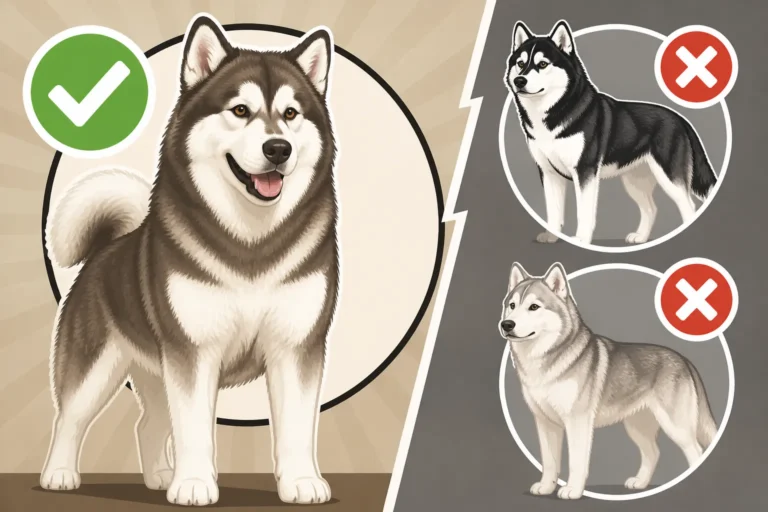
| Build/Physique | Powerful, heavy-boned, deep chest, muscular, double coat | Highly variable; could be lean, light, or an awkward mix |
| Temperament | Loyal, dignified, independent, social with humans, pack-oriented | Variable; could be aggressive, fearful, or highly tractable |
| Genetic Purity | Meticulously maintained lineage by Mahlemut people | Often mixed, crossbred with various breeds (hounds, setters, other sled types) |
| Speed vs. Power | Slow, powerful, freighting gait for efficiency | Often bred for speed over short distances, less endurance for heavy loads |
| Breeding Focus | Survival traits, working ability, type consistency | Quantity, immediate availability, quick profit |
You can see from this comparison that the "sled dog" of the Gold Rush was a wildly diverse category, often bearing little resemblance to the carefully developed Alaskan Malamute. The survival of the true Malamute amidst this confusion is truly remarkable.
Disclaimer
This article is for general informational purposes only and does not constitute professional advice. Laws, prices and regulations vary by location and change over time. Consult a qualified professional for guidance on your specific situation.