Whether Malamutes Served in the Second World War
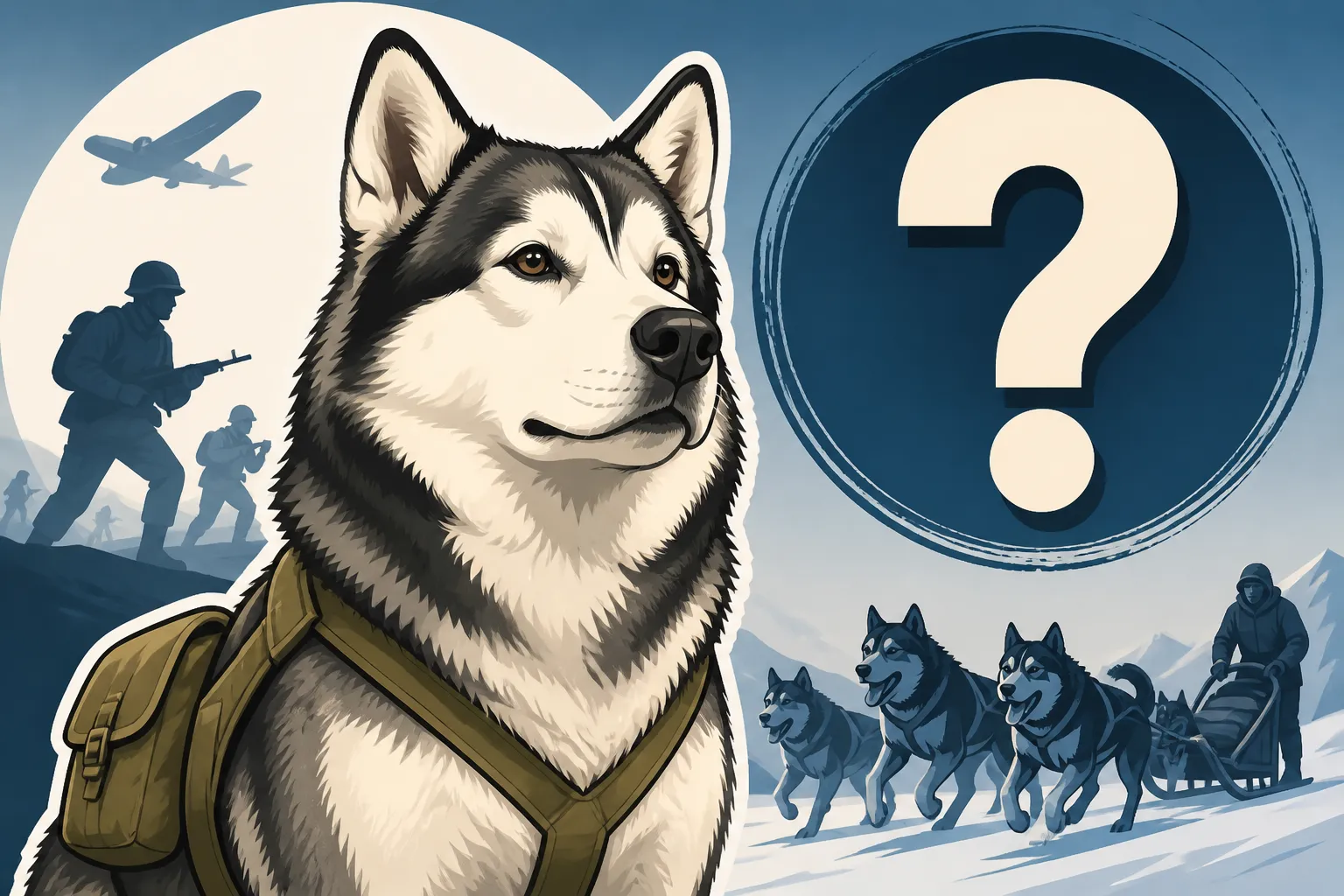
It’s a common question among Alaskan Malamute enthusiasts, and honestly, it’s not hard to imagine these powerful, resilient dogs playing a vital role in wartime efforts. The reality of World War II presented unimaginable challenges, pushing the limits of human ingenuity and requiring every available resource. Many people wonder if the very dogs known for pulling heavy loads through unforgiving Arctic terrains were called upon to serve their countries. Indeed, they were, and their contributions, though often overshadowed by more conventional military units, were nothing short of heroic. This guide delves into the crucial, often overlooked, role that Alaskan Malamutes, and sled dogs in general, played in the Second World War, from their pre-war fame in exploration to their perilous service on the front lines and the lasting legacy they left behind.
The Malamute's Historical Role in Arctic Expeditions
Before the rumblings of global war, Alaskan Malamutes had already carved out an undeniable reputation as indispensable partners in some of humanity's most ambitious and dangerous endeavors: Arctic exploration. Their physical prowess and innate ability to thrive in extreme cold were not merely admired; they were essential for survival and success in regions where no other form of transport could reliably function.
Pre-War Contributions to Exploration
Long before tanks rolled across Europe or planes crisscrossed the skies, the vast, frozen expanses of the Arctic and Antarctic were conquered by the sheer will of explorers and the incredible strength of their sled dog teams. The Alaskan Malamute, a direct descendant of the dogs bred by the Mahlemut people of Kotzebue Sound, was at the forefront of these expeditions. Famous figures like Robert Peary, Roald Amundsen, and Richard Byrd relied heavily on these dogs, not just as beasts of burden, but as trusted companions who could endure unimaginable hardships. Peary, for instance, used large teams of dogs to reach what he claimed was the North Pole. Amundsen's successful expedition to the South Pole was largely attributed to his superior understanding of sled dog travel and his effective use of strong, enduring breeds.
These dogs weren't chosen for their speed, but for their unparalleled freighting capabilities, a trait that truly sets them apart. Imagine vast, unbroken landscapes of ice and snow, with temperatures plummeting far below freezing, and the only way to move tons of supplies, equipment, and scientific instruments is by dog sled. Their thick double coats, incredible stamina, and ability to conserve energy were literally life-saving attributes. The historical accounts of these expeditions paint a vivid picture of the sheer reliance placed on these animals, highlighting their importance in navigating treacherous terrain and covering immense distances. Without these dogs, much of the early polar exploration would have been impossible, confined only to the warmest months or shortest distances. Their contributions solidified their image as robust, dependable working animals, qualities that would later prove invaluable in a different kind of conflict. You can learn more about these early pioneers in Peary, Amundsen and Byrd Took Malamutes to the Poles.
Why Sled Dogs Were Indispensable
In the desolate, ice-bound landscapes where traditional machinery would seize up or sink, sled dogs were the ultimate workhorses. Cars, trucks, and even early motorized sleds often proved unreliable in the extreme cold, deep snow, and vast, trackless wilderness. The sheer logistics of supplying fuel and maintaining complex engines in such environments were prohibitive. Dogs, on the other hand, ran on easily transportable food, could traverse broken ice and deep powder, and required no spare parts beyond good care and well-fitting harnesses.
The silent efficiency of a dog team was also a huge advantage. They could move stealthily across the snow, making them ideal for scouting or delivering messages without drawing unwanted attention. Moreover, their keen senses—smell, sight, and hearing—were often superior to humans in spotting dangers or finding paths through blizzards. This made them not just carriers of cargo, but guides and protectors. The bond between a musher and their team was profound, built on mutual trust and dependence in life-or-death situations. It’s this combination of raw power, endurance, quiet operation, and an almost intuitive connection to their human handlers that made sled dogs, including the formidable Alaskan Malamute, truly indispensable in conditions where modern technology simply couldn't keep up. They embodied reliable, sustainable transport in the harshest environments.
The Demand for Sled Dogs During World War II
When the Second World War erupted, the demand for adaptable and resilient forces extended far beyond human soldiers and conventional weaponry. As conflicts spread to remote, often frozen, corners of the globe, military strategists quickly realized the limitations of mechanized transport in certain extreme environments. This created a unique and pressing need for animals that could operate effectively where technology failed, bringing sled dogs, and specifically Alaskan Malamutes, into the war effort.
Alaskan Malamutes on the Home Front
Before being deployed to actual war zones, Malamutes and other northern breeds played a vital, albeit less visible, role on the home front. Many of these dogs were already active in various capacities, from freighting supplies in remote Alaskan communities to participating in sled dog races and recreational mushing. These activities, far from being mere hobbies, helped maintain and even refine the dogs' working capabilities and physical conditioning. Breeders and owners, deeply familiar with the breed's strengths, understood the immense potential of these animals.
As the war intensified, there was a growing recognition that these dogs possessed qualities invaluable to military operations. Some Malamutes were utilized for local patrols or as guard dogs at various domestic installations, demonstrating their natural protective instincts and imposing presence. They also became symbols of American resilience and strength, appearing in promotional materials that highlighted their rugged nature and connection to the wild frontier spirit. The skills honed in peacetime pursuits, like pulling heavy loads and navigating challenging terrain, laid the groundwork for their eventual transition to military service, a role that required their unique talents more than ever. Their inherent working drive, as discussed in Pulling Is the Only Job an Alaskan Malamute Really Wants, made them prime candidates for military training.
The U.S. Army's K-9 Corps and Sled Dog Division
The United States Army, recognizing the strategic importance of working dogs, established the K-9 Corps in 1942. While many breeds were trained for patrol, guard, scout, and messenger duties, the unique demands of cold-weather warfare led to the formation of specialized sled dog units. The Alaskan Malamute, along with Siberian Huskies and other Nordic breeds, was a natural fit for this role. The Army actively sought out these dogs, often acquiring them through donations from patriotic citizens, breeders, and even professional mushers who understood the gravity of the situation. Whether the Army Requisitioned Malamutes delves into this process.
These dogs underwent rigorous training, not just in basic obedience, but in specific sledding techniques adapted for military purposes. They learned to pull supply sleds, carry critical communications, and assist in search and rescue operations in conditions where vehicles were useless. Training centers, particularly in colder regions, focused on developing their endurance, teamwork, and ability to handle extreme stress and unfamiliar environments. The logistics of equipping and feeding these teams were also immense, requiring specialized food rations and equipment designed for sub-zero temperatures. Imagine the task of ensuring these dogs had enough high-calorie food, perhaps sourced from suppliers similar to modern general retailers like Chewy, even in the remotest outposts, while also procuring sturdy harnesses and protective gear for them. The establishment of these divisions marked a significant shift, acknowledging that canine power was not just a historical curiosity but a modern military asset.
Malamutes on the Battlefield: Specific Roles and Regions
The call for sled dogs in World War II wasn't a whimsical idea; it was a strategic necessity driven by the unique geographical and climatic challenges of certain theaters of war. Alaskan Malamutes, with their inherent robustness and working ethic, were deployed to where their specialized skills were most desperately needed.
Supply and Rescue Missions in Harsh Climates
One of the most critical roles Malamutes and other sled dogs played was in moving supplies and conducting rescue missions in some of the most unforgiving environments on Earth. The Aleutian Islands campaign, fought between the United States and Japan off the coast of Alaska, is a prime example. The terrain was rugged, mountainous, and perpetually shrouded in fog, rain, or snow, making ground transport almost impossible. Here, dog teams were vital for ferrying ammunition, medical supplies, food rations, and equipment to remote outposts, sometimes across treacherous ice and deep snowdrifts. They were literally the lifelines for isolated troops.
Beyond the Aleutians, these magnificent animals served in Greenland, assisting Allied forces in maintaining weather stations and patrolling vast, desolate ice caps. Their ability to travel silently and efficiently meant they could reach stranded personnel or deliver urgent messages where planes couldn't land and vehicles couldn't traverse. In these critical roles, they were often pulling hundreds of pounds of gear per dog, a testament to their incredible strength and endurance, characteristics detailed in How Much Weight a Malamute Freight Team Hauled. These missions were fraught with danger, not just from enemy action but from the elements themselves – sudden blizzards, avalanches, and dangerously thin ice were constant threats. It was truly a case of "man's best friend" facing the ultimate test of loyalty and resilience. The supplies, including specialized rations and even medical kits for the dogs themselves, were carefully packed and distributed, much like how a modern pet owner might carefully select and order supplies from a diverse retailer like Chewy for a long expedition today. For more on this, see Whether Malamutes Carried Supplies in Wartime.
Communication and Patrol Duties
Beyond hauling heavy loads, the stealth and hardiness of Alaskan Malamutes made them excellent candidates for communication and patrol duties. In areas where radio silence was paramount or electronic equipment was unreliable due to extreme cold or enemy jamming, dog teams became critical links in the communication chain. A musher and their Malamute team could carry vital dispatches, maps, and reconnaissance reports across vast distances, often under the cover of darkness or during blizzards that would ground aircraft and immobilize vehicles. Their quiet movement and natural camouflage in snowy environments gave them a distinct advantage.
For patrol, particularly in remote, unpopulated areas, Malamutes served as early warning systems. Their acute senses could detect the presence of strangers or unusual activity long before humans could. They were used to scout ahead, ensuring the safety of troops, or to patrol perimeters of sensitive installations. Their imposing appearance alone could act as a deterrent. The ability of a Malamute to operate effectively for extended periods in brutal conditions, coupled with its powerful build, meant that a small team could cover a significant area and carry back valuable intelligence. Winter Is When an Alaskan Malamute Comes Alive really puts into perspective how these dogs thrived in conditions most humans would find unbearable, making them ideal for such demanding, dangerous work. Their stoicism and intelligence allowed them to adapt to these tense, unpredictable roles with remarkable effectiveness.
The Challenges and Sacrifices of War Dogs
While their contributions were invaluable, the lives of sled dogs, including Alaskan Malamutes, in World War II were far from easy. They faced unimaginable hardships, dangers, and ultimately, sacrifices, much like their human counterparts. Their service highlights not only their physical fortitude but also their incredible spirit and loyalty.
Extreme Conditions and Canine Casualties
The environments in which these Malamute teams operated were inherently perilous. The frigid Arctic and sub-Arctic regions were relentless, posing threats beyond enemy fire. Frostbite was a constant danger, affecting not just their exposed paws and ears but also their internal systems if not properly cared for. Injuries from falls on icy terrain, encounters with wildlife, or exhaustion were common. Dogs could fall through thin ice, get lost in blizzards, or succumb to diseases exacerbated by stress and poor nutrition in the field.
Beyond the elements, they faced direct combat risks. Sled dog teams were sometimes targeted by enemy patrols who understood their strategic value. Mines, booby traps, and artillery fire were realities of the battlefield that these animals, despite their toughness, were not immune to. The logistical challenges of keeping them fed, healthy, and equipped in remote war zones were immense. While dedicated handlers did their best, veterinary care was often scarce, and supplies, even basics like specialized dog food or protective booties (similar to durable dog shoes you might find on Chewy today), could be difficult to obtain consistently. The losses among these brave animals were significant, a somber reflection of the brutal nature of warfare. Their dedication in the face of such overwhelming odds makes their service all the more poignant.
Post-War Fate and Recognition
As World War II drew to a close, the fate of many military working dogs, including the sled dogs, became a complex and often heartbreaking issue. While some fortunate animals were adopted by their handlers or other compassionate individuals, many faced an uncertain future. The massive demobilization efforts meant that thousands of military dogs, once essential assets, were suddenly considered surplus. Unfortunately, without specific programs for their widespread adoption or a clear path back to civilian life, a significant number were euthanized, a grim statistic that reflects the harsh realities of the era. The question of Whether Wartime Losses Hurt the Malamute Breed is a poignant one, considering the potential impact on bloodlines.
However, the legacy of these heroic dogs was not entirely forgotten. Their crucial roles in supply, reconnaissance, and search and rescue missions, particularly in the Aleutian Islands and Greenland, slowly gained recognition. The stories of their bravery and endurance helped solidify their place in military history. Efforts were made in subsequent decades to ensure better treatment and post-service care for military animals. While the era of large-scale military sled dog teams largely faded with advancements in motorized and air transport, the sacrifices of the Malamutes and other northern breeds served as a powerful testament to the enduring bond between humans and canines, and the incredible capabilities these animals bring to the most challenging human endeavors. Whether Malamutes Served on Search and Rescue Teams offers further insight into their specific contributions.
Here's a summary of the key roles sled dogs, including Malamutes, played in WWII:
| Role | Description | Key Regions of Operation | Challenges Faced |
|---|---|---|---|
| Supply Transport | Hauling ammunition, food, medical supplies, and equipment to remote outposts. | Aleutian Islands, Greenland, Northern European Fronts (limited) | Deep snow, extreme cold, rugged terrain, enemy fire, logistics |
| Search and Rescue | Locating stranded or injured personnel in harsh, isolated areas. | Aleutian Islands, Greenland, remote wilderness areas | Blizzards, avalanches, thin ice, limited medical resources |
| Communication | Delivering vital dispatches and intelligence where radios were unreliable. | Mountainous and heavily forested regions, Arctic outposts | Radio silence requirements, enemy jamming, extreme cold |
| Patrol/Scouting | Reconnaissance, perimeter security, early warning detection. | Remote borders, strategic installations, front lines in winter | Stealth requirements, enemy patrols, mines, booby traps |
| Medical Evacuation | Transporting wounded soldiers to aid stations in inaccessible areas. | Aleutian Islands, mountainous regions | Terrain difficulty, patient care, urgency |
In conclusion, the answer is a resounding yes: Alaskan Malamutes absolutely served in the Second World War. Their history as powerful freighting dogs in the Arctic, coupled with their resilience and endurance, made them indispensable assets in some of the war's most challenging theaters. From hauling critical supplies across treacherous Alaskan islands to aiding in rescue missions in Greenland's icy expanses, these noble animals demonstrated courage, loyalty, and an unwavering capacity for work in the face of extreme danger. While their individual stories may not always be in the spotlight, their collective contribution was vital, underscoring the profound and enduring partnership between humans and dogs, even in the crucible of war. Their legacy reminds us of the strength and adaptability of this incredible breed.
Disclaimer
This article is for general informational purposes only and does not constitute professional advice. Laws, prices and regulations vary by location and change over time. Consult a qualified professional for guidance on your specific situation.