Whether a Malamute Was Ever Raced Competitively
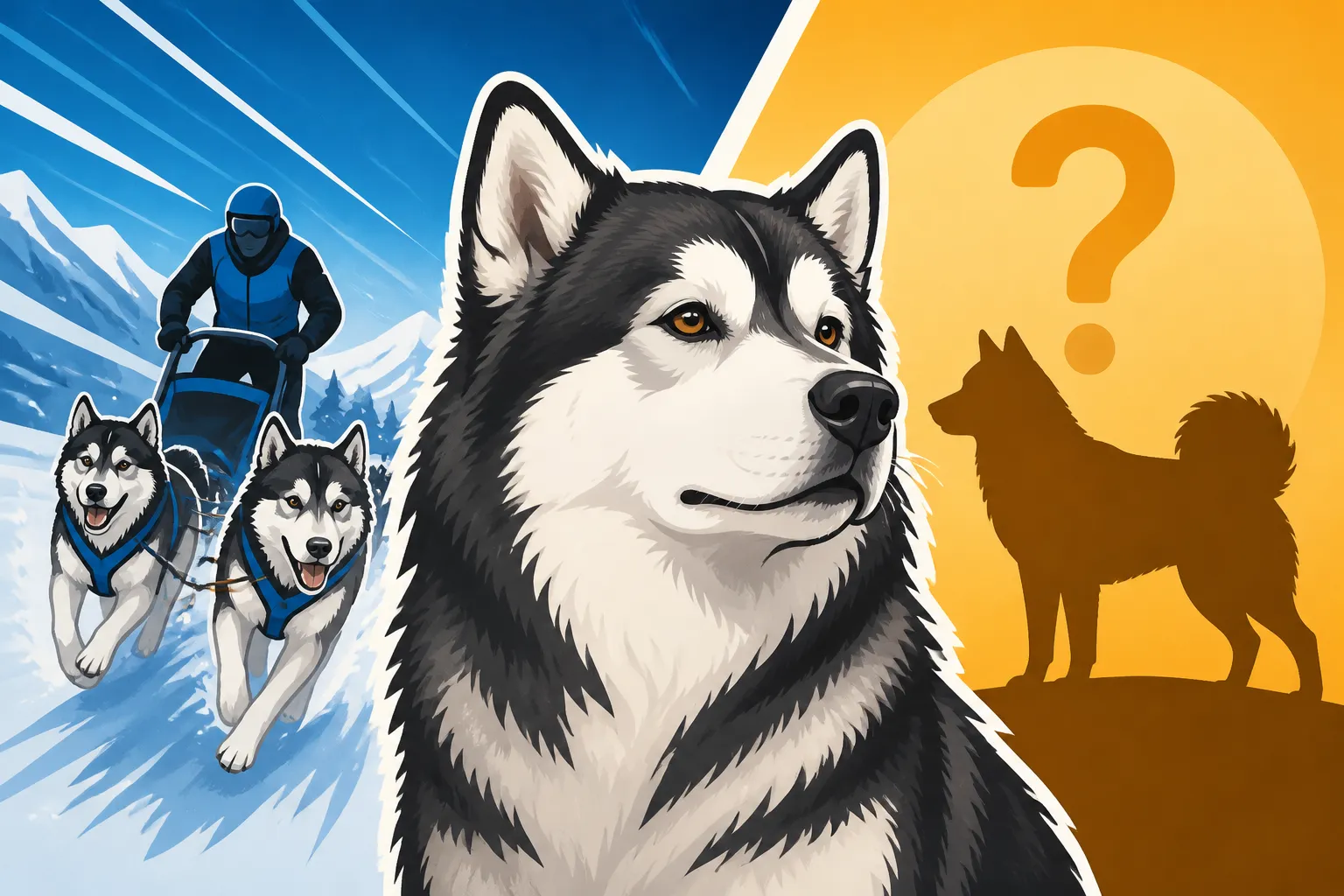
It’s a common sight: a magnificent Alaskan Malamute, thick-coated and powerful, often mistaken for its speedy cousin, the Siberian Husky. Many new owners, captivated by their working dog appearance, wonder if their Malamute could be a champion sled racer. The reality, however, is that while Malamutes are incredible working dogs, their historical role and physical design set them apart from the breeds that typically dominate competitive sled racing today. This guide will delve into the Malamute's true competitive spirit and shed light on why they aren't often seen crossing the finish line first in races like the Iditarod.
The Alaskan Malamute's Original Purpose: Strength and Stamina, Not Sprint Speed
To understand why Alaskan Malamutes aren't typically competitive in speed-focused sled races, you have to go back to their origins. These dogs were developed by the Mahlemut people of Alaska's Kotzebue Sound for one primary purpose: freighting. This wasn't about covering short distances quickly; it was about moving heavy loads over vast, often challenging, terrain with unwavering endurance.
Built for the Long Haul, Not the Finish Line
Imagine needing to transport hundreds of pounds of supplies, fish, or furs across frozen tundra for days or even weeks on end. You'd need a dog that could consistently pull a heavy weight, conserve energy, and withstand extreme cold. That's the Malamute. They possess a remarkable combination of strength, stamina, and a dense, insulating double coat that makes them perfect for sustained, arduous work in harsh Arctic conditions. Their broad chests and powerful legs are built for leverage and pulling power, not for the explosive bursts of speed seen in sprint racing. Their temperament, too, reflects this. They are often described as deliberate and thoughtful workers, not prone to the high-strung intensity of a pure racing dog. They'd rather methodically pull their load than try to outpace another team in a quick dash.
The Physiology of a Freighting Dog
A Malamute’s physiology is a testament to its freighting heritage. Their bone structure is heavy, their muscles are dense and built for sustained power, and their feet are large and well-padded, providing excellent traction and insulation in snow. This robust build comes with a trade-off: weight. A heavier dog requires more energy to move at high speeds, making them less efficient for racing where every second counts. Furthermore, their efficient metabolism, a gift from generations of working in lean conditions, means they consume less food than you might expect for their size, but it also means they are built for steady output rather than high-octane bursts. This difference is stark when you compare them to breeds specifically developed for speed, like the Siberian Husky, which are lighter, more agile, and possess a different kind of muscularity suited for quick bursts. If you want to understand the core difference, consider Freight, Not Speed: What Separates a Malamute From a Racing Dog.
Early Sled Dog Racing and the Rise of the "Racing Dog"
Sled dog racing has a rich history, deeply intertwined with the development of the various northern breeds. In the early days, races were often a test of survival, endurance, and the dogs' ability to navigate brutal conditions. However, as the sport evolved, so did the ideal "racing dog."
The Allure of Speed in Competition
As organized sled dog racing gained popularity, particularly during the Gold Rush era, the emphasis began to shift. While endurance remained critical, speed became an increasingly defining factor, especially in races that were becoming more competitive and public-facing. People wanted to see fast teams cross the finish line. This demand led to breeders selectively breeding for traits that favored speed: lighter builds, longer legs, and an almost insatiable drive to run fast. The mixed-breed "Alaskan Husky" type, often incorporating pointers, greyhounds, and other fast dogs with traditional sled dog breeds, emerged as the dominant force in these speed-focused competitions. They possessed the necessary blend of endurance and explosive speed to excel in the new racing circuits.
Why the Malamute Didn't Dominate the Dash
This shift in focus meant that the Alaskan Malamute, while still a revered and capable working dog, found itself out of the running for top honors in these speed-driven races. Their power and endurance were unmatched for freighting, but they simply couldn't compete with the lighter, faster dogs designed for sprinting. To put it simply, you wouldn't enter a draft horse in a horse race meant for thoroughbreds; both are magnificent animals, but they have different purposes and strengths. This doesn't diminish the Malamute's abilities, it simply highlights that their niche was, and remains, strength and tireless hauling. Many a Malamute owner has watched their dog settle into a comfortable, steady trot, utterly oblivious to the concept of "winning" a sprint. If you're wondering Whether a Malamute Keeps Up on a Racing Team, the answer is usually no, not in terms of speed.
Where Malamutes Truly Excel in Competition
While sprint races might not be their arena, Malamutes are true champions in other forms of competition that celebrate their inherent strengths. These events play directly to their history and build, showcasing their immense power and unwavering drive.
The Thrill of Weight Pull Events
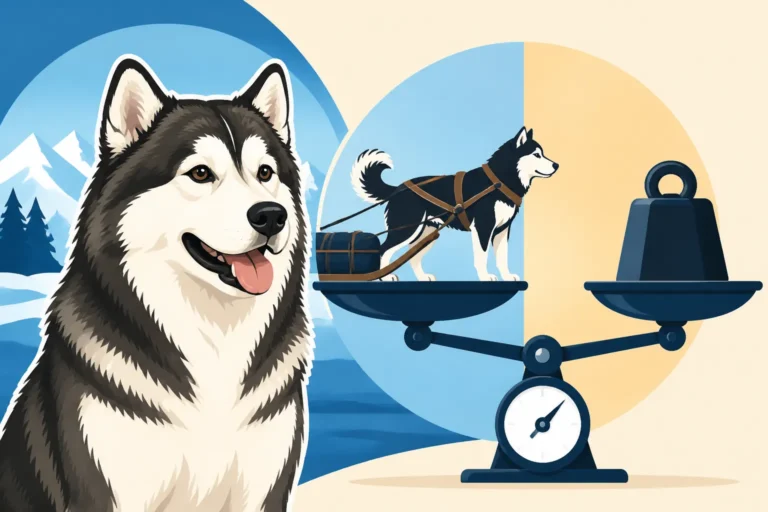
If you want to see an Alaskan Malamute truly shine in competition, look no further than weight pull events. These competitions are tailor-made for the breed's natural abilities. Dogs are harnessed to a cart or sled loaded with increasing amounts of weight, and they must pull it a short distance within a set time. It's a pure test of strength, determination, and proper conditioning. Malamutes consistently dominate these events, often pulling many times their own body weight. It's an incredible display of raw power and the deep-seated drive to work that is so characteristic of the breed.
These events are not just about brute strength; they also require focus, training, and a strong bond between dog and handler. The atmosphere at a weight pull is often electric, with owners cheering on their dogs as they dig in and move impossibly heavy loads. It’s a wonderful way to give a Malamute a job that truly satisfies its instincts. You might even find specialized gear for these events, like robust harnesses, available through pet supply retailers such as Chewy, designed to distribute weight safely and comfortably for your powerful Malamute. For more on this, check out How Much a Malamute Can Pull.
Endurance and Traditional Freighting Activities
Beyond formal weight pull competitions, Malamutes excel in activities that mimic their traditional roles. Long-distance endurance treks, recreational mushing (where speed isn't the primary goal, but rather the joy of the journey and the shared work), and even packing excursions are all areas where the Malamute truly comes alive. They thrive on having a job, and these activities tap into their core desire to pull and contribute to a team.
Many enthusiasts participate in non-competitive "fun runs" or organized freighting exercises where the focus is on camaraderie and enjoying the experience of working dogs. These events are less about clocking the fastest time and more about celebrating the Malamute's historical purpose and maintaining their physical and mental well-being through meaningful work. It’s in these settings that the Malamute's steady pace, incredible stamina, and resilient spirit truly shine, honoring the heritage of The Mahlemut of Kotzebue Sound Bred the Alaskan Malamute.
Modern Sled Sports and the Malamute's Niche
Even in today's world of diverse dog sports, the Alaskan Malamute finds its place, albeit not always on the top step of the podium in every discipline. Understanding their specific strengths helps owners find the right avenues for their powerful companions.
Participating, Not Always Winning
While you might not see an Alaskan Malamute leading a team in the Iditarod (a race typically dominated by Alaskan Huskies due to their superior speed and endurance in a racing context), they can certainly participate in various sled sports. Many Malamute owners enjoy recreational mushing, skijoring, or even bikejoring with their dogs. These activities provide excellent exercise and mental stimulation, allowing Malamutes to engage their natural pulling instincts. The key is to manage expectations. A Malamute might not win against a team of dedicated racing dogs, but they will enjoy the work immensely and provide a powerful, steady pull that is deeply satisfying for both dog and handler.
Consider the context: Whether the Iditarod Uses Malamutes is an important question, and while historical accounts may mention Malamute involvement in early, less specialized races, the modern Iditarod demands a level of speed and specific endurance that the Malamute's build doesn't prioritize. For owners seeking equipment for these activities, from harnesses to lines, resources like Chewy offer a wide range of products suitable for large, strong pulling breeds, ensuring your Malamute is geared up for safe and enjoyable participation.
Finding Joy in the Work
Ultimately, for the Alaskan Malamute, the joy isn't necessarily in being the fastest, but in doing the work. Their satisfaction comes from harnessing up, leaning into the load, and moving forward with purpose. Whether it's pulling a sled full of gear on a winter camping trip, competing in a weight pull event, or simply taking their human for a brisk walk around the neighborhood, a Malamute thrives on activity that utilizes its strength and drive.
Owners who understand and embrace this aspect of the breed often find the most rewarding relationships with their Malamutes. Providing opportunities for them to pull, whether it's through organized sports or just a regular walk with a proper harness, is crucial for their physical and mental health. This connection to their historical roots, as powerful freighting dogs, remains a cornerstone of the Alaskan Malamute's identity, proving that Pulling Is the Only Job an Alaskan Malamute Really Wants when it comes to true satisfaction.
| Competition Type | Alaskan Malamute Suitability | Primary Trait Tested | Typical Participants |
|---|---|---|---|
| Weight Pull | Excellent (Often Dominant) | Strength, Determination | Alaskan Malamutes, Newfoundlands |
| Long-Distance Freighting | Excellent (Historical Role) | Endurance, Strength | Alaskan Malamutes, Samoyeds |
| Sprint Sled Racing | Low (Not designed for speed) | Speed, Agility | Alaskan Huskies, Siberian Huskies |
| Recreational Mushing/Skijoring | Good (Enjoy the work) | Stamina, Pulling Drive | Any large, active breed |
| Conformation Shows | Excellent (Breed Standard) | Appearance, Temperament | Purebred Alaskan Malamutes |
Disclaimer
This article is for general informational purposes only and does not constitute professional advice. Laws, prices and regulations vary by location and change over time. Consult a qualified professional for guidance on your specific situation.