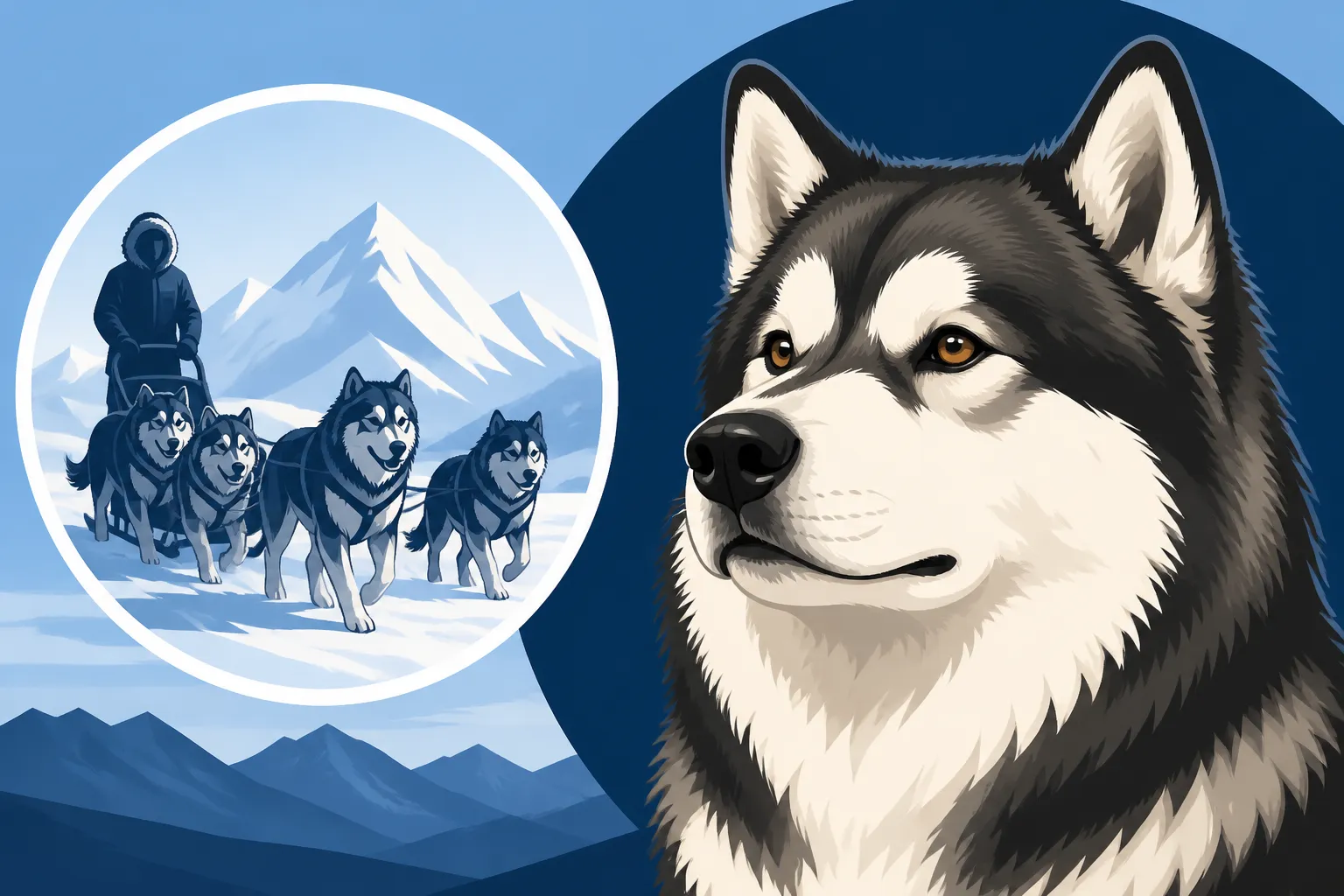
What the Kotzebue Malamute Line Is
When you delve into the world of Alaskan Malamutes, it's not long before you hear breeders and enthusiasts talk about "lines" – specifically, the Kotzebue and the M'Loot. For someone new to the breed, or even an experienced owner who hasn't explored the historical nuances, this can feel like navigating a secret language. You might wonder what these distinctions really mean, or if they even matter in today's Malamutes. This guide will unravel the story of the Kotzebue Malamute line, exploring its origins, its defining characteristics, and its lasting impact on the majestic dogs we cherish today.
The Roots of the Kotzebue Line
To truly understand the Kotzebue Malamute line, we have to travel back in time to the harsh, beautiful landscape of Alaska, and acknowledge the Indigenous people who first shaped these incredible dogs. Their traditions and needs were the crucible in which the Malamute was forged.
The Mahlemut People and Their Dogs
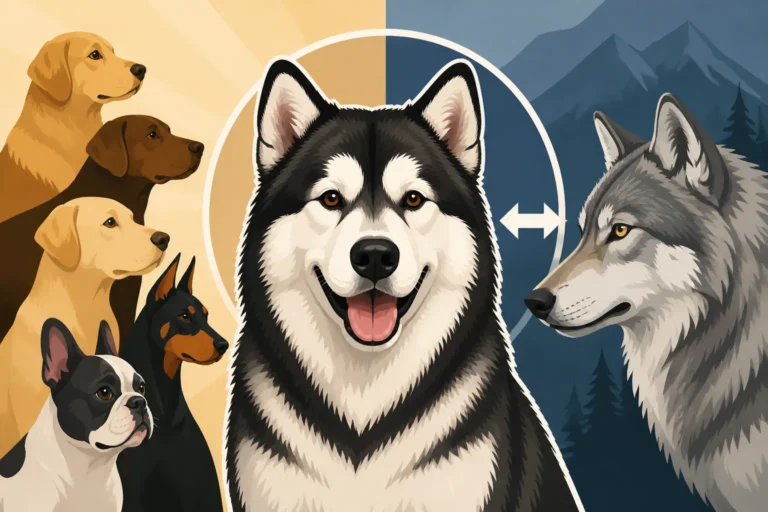
The story of the Kotzebue line begins with the Mahlemut (or Mahlemiut) people, an Inuit tribe inhabiting the Kotzebue Sound region of northwestern Alaska. These were not simply pet owners; they were survivalists who depended on their dogs for their very lives. The dogs they bred were paramount for hunting, hauling heavy loads over vast distances, and surviving the brutal Arctic environment. Their dogs were powerful, resilient, and indispensable partners in their daily existence.
The Mahlemut's dogs were selectively bred for strength, endurance, and a specific temperament that allowed them to work collaboratively in teams, yet retain a formidable independence. They were not bred for speed, but for freighting – the slow, steady, powerful movement of heavy sleds. This focus on freighting gave these dogs a distinct build: robust bone, deep chests, and dense, protective coats. Their survival was intrinsically linked to the capabilities of their canine companions, leading to a deep respect and careful cultivation of the traits that would eventually define the Kotzebue line. If you're curious about their role, you might want to read The Mahlemut of Kotzebue Sound Bred the Alaskan Malamute.
Eva Seeley and the Founding Stock
Fast forward to the early 20th century, and the Mahlemut dogs caught the eye of explorers and dog enthusiasts. One of the most pivotal figures in the formal establishment of the Alaskan Malamute breed, and particularly the Kotzebue line, was Eva B. Seeley. Along with her husband, Milton Seeley, she established the Chinook Kennels in Wonalancet, New Hampshire, becoming instrumental in bringing these working dogs into the public eye and towards official breed recognition.
Eva Seeley was passionate about preserving the integrity of the original Arctic working dogs. She sought out dogs directly from Alaska that embodied the characteristics of the Mahlemut's freighting animals. The dogs she acquired and bred formed the foundation of what would become known as the "Kotzebue" line. Her vision was to maintain the authentic type and working abilities of these dogs, distinguishing them from the faster, lighter sled dogs often used in racing. This focus on preserving a specific type of Malamute was critical in setting the stage for the breed's future and ensuring that the powerful freighting dog wasn't lost to changing trends.
Defining Traits of the Kotzebue Malamute
The Kotzebue line became synonymous with a particular set of physical and temperamental traits that breeders strived to maintain. These characteristics were directly inherited from their Mahlemut ancestors and emphasized the original purpose of the breed.
Physical Appearance and Build
Generally speaking, dogs of the Kotzebue line were known for being moderately sized, with a compact, powerful build. They possessed a remarkable blend of strength and agility, perfectly suited for enduring long hauls in challenging terrain.
- Size and Structure: Kotzebue-type Malamutes were typically on the smaller side of the Alaskan Malamute standard, often weighing in the range of 75-85 pounds for males and 60-70 pounds for females. They had a solid, stocky build with good bone, which translated to incredible strength without excessive bulk. Their legs were strong and muscular, well-angulated to provide efficient movement over snow and ice. The emphasis was on a balanced, harmonious structure, capable of sustained effort rather than explosive speed.
- Head and Expression: Their heads were broad and powerful, with a gentle, intelligent expression. Dark, almond-shaped eyes were a hallmark, conveying their ancestral resilience and a sense of calm wisdom. The muzzle was substantial, designed for strong grip and efficient breathing in cold air. Importantly, the Kotzebue line heavily influenced the breed standard's insistence on brown eyes; blue eyes were and remain a disqualifying fault, partly to distinguish Malamutes from Huskies and to maintain the traditional appearance of these Arctic dogs. If you're interested in eye color, take a look at Why a Malamute Should Never Have Blue Eyes.
- Coat: The coat was, of course, dense and double-layered, essential for protection against the unforgiving Arctic cold. The outer coat was coarse and weather-resistant, while the undercoat was thick, woolly, and insulating. This luxurious coat, which blows out spectacularly twice a year, required diligent grooming. Owners of dogs with strong Kotzebue lineage still spend hours on grooming, often ordering specialized brushes and rakes from places like Chewy to manage the sheer volume of fur.
Temperamental Tendencies
Beyond their physical attributes, Kotzebue-type Malamutes were celebrated for a specific temperament that made them ideal working companions and, eventually, beloved family members.
- Dignity and Intelligence: These dogs possessed a profound dignity and an intelligent, sometimes independent, nature. They were highly capable problem-solvers, a trait honed by generations of working autonomously in demanding conditions. This intelligence means they thrive on mental stimulation and can sometimes be perceived as stubborn if their human isn't engaging their minds appropriately.
- Affectionate, Yet Independent: While fiercely loyal and affectionate with their families, Kotzebue Malamutes often carried an air of independence. They were bred to make decisions in critical situations, not to be constantly beholden to a human's command. This isn't defiance; it's a deeply ingrained self-reliance that requires an owner who understands and respects their inherent independence. They bond deeply but aren't typically "velcro dogs."
- Pack Mentality: Originating from dogs that worked in teams, they naturally exhibited a strong pack mentality. This translated to a need for clear leadership within the human family unit. Without it, a Malamute might try to assume the role, which can lead to behavioral challenges. Their social nature often extends to other dogs, though proper socialization from a young age is crucial.
Kotzebue's Influence on the Breed Standard
The emergence of the Kotzebue line, and its careful preservation by people like Eva Seeley, played an undeniable role in shaping what we now recognize as the official Alaskan Malamute breed standard.
Shaping the Ideal Malamute
When the Alaskan Malamute was officially recognized by the American Kennel Club (AKC) in 1935, the Kotzebue type, with its moderate size, powerful build, and specific head and coat characteristics, heavily influenced the initial breed standard. This was a deliberate effort to define and protect the specific working qualities and appearance of the original Mahlemut dogs, differentiating them from other Nordic breeds.
The standard emphasized characteristics like a deep chest, strong bone, a well-furred tail carried over the back, and the correct double coat. The dignified expression and the specific range of acceptable colors were also points drawn from the observed traits of the Kotzebue foundation stock. This laid the groundwork for future breeding programs, ensuring that the essence of the freighting Malamute, as exemplified by the Kotzebue line, would endure. For more on the breed's origins, you might enjoy The Alaskan Malamute Is Alaska's State Dog.
The Blending of Lines
While the Kotzebue line was dominant in the early years of AKC recognition, it wasn't the only pool of Alaskan Malamutes. Other dogs, often larger and sometimes referred to as "M'Loots," also existed, primarily outside the formal kennel club framework for a time. The initial Kotzebue breeding pool was quite narrow, which, while preserving type, also brought concerns about genetic diversity.
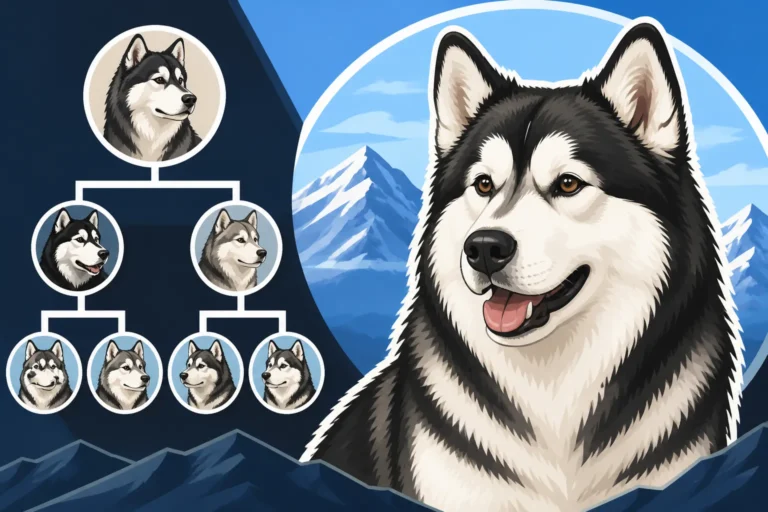
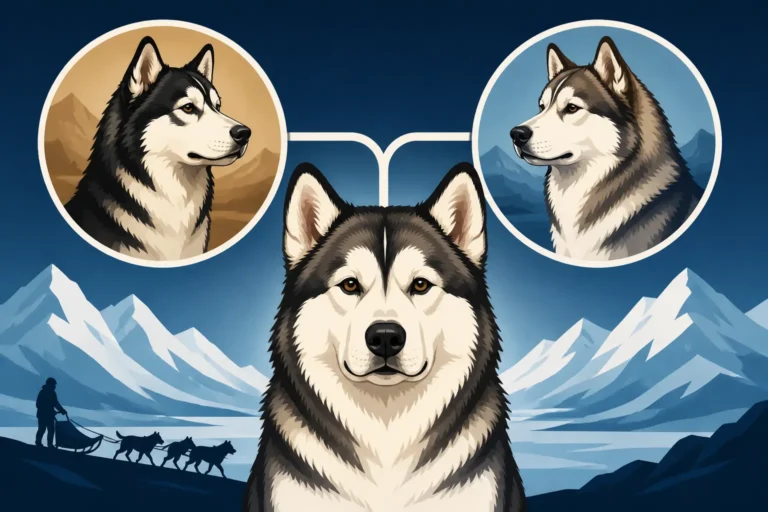
Over time, especially after World War II, when many dog breeds faced population declines, the breed faced a challenge of genetic bottlenecking. To broaden the gene pool and ensure the Malamute's long-term health and vitality, careful outcrosses were made. This led to the blending of the Kotzebue and other lines, notably the M'Loot. This blending was essential for the breed's survival and has resulted in the modern Alaskan Malamute, which, while exhibiting a range of sizes and appearances, still carries the genetic blueprint of both its Kotzebue and M'Loot ancestors. Most modern Malamutes trace their lineage back to a combination of these foundational dogs, embodying the best of both worlds. The specific details of how these two main lines merged can be explored in The Kotzebue and M'Loot Lines Behind Every Modern Malamute.
Kotzebue vs. M'Loot: A Comparison
The distinction between Kotzebue and M'Loot is often a point of fascination, and sometimes confusion, for Malamute enthusiasts. While most modern Malamutes are a blend, understanding the historical differences helps appreciate the diversity within the breed.
Distinguishing Physical Differences
Historically, the most notable distinctions between the Kotzebue and M'Loot lines were physical. It's important to remember these are generalizations, and individual dogs within either line could (and did) vary.
| Feature | Kotzebue Line (General Tendencies) | M'Loot Line (General Tendencies) |
|---|---|---|
| Size/Weight | More moderate, typically on the smaller side of the standard (75-85 lbs males, 60-70 lbs females) | Often larger, heavier-boned, sometimes exceeding standard weights (up to 100+ lbs males, 75+ lbs females) |
| Build | Compact, athletic, balanced, designed for endurance freighting | More massive, powerful, often with more substance and broader chests |
| Head Shape | Broad, powerful, often with a slightly softer expression | Generally longer in muzzle, sometimes a more intense or stern expression |
| Coat | Typically a very dense, well-furred double coat, often slightly softer in texture | Can be coarser outer coat, sometimes with less dense undercoat, or even a 'woolly' coat |
| Eye Shape/Color | Almond-shaped, dark brown eyes; strong emphasis on traditional eye color | Could sometimes exhibit lighter eye colors, though brown was still preferred |
| Ears | Often set slightly wider apart, giving a softer look | Could be set higher, sometimes appearing more alert or 'pricked' |
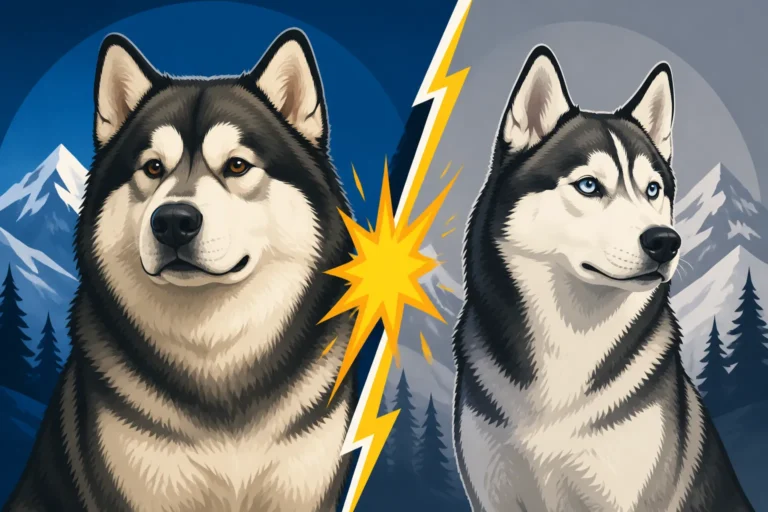
These differences often led to discussions about what constituted the "true" Malamute. While the Kotzebue line largely informed the initial breed standard, the M'Loot contributions were vital for broadening the genetic base. When you compare a Malamute to, say, a Siberian Husky, you see the massive difference in build, regardless of line. For a deeper dive, check out The Alaskan Malamute Against the Siberian Husky.
Noteworthy Behavioral Nuances
While temperament is heavily influenced by individual upbringing and socialization, historical accounts and breeding philosophies suggested some subtle behavioral differences between the lines as well.
- Working Drive: Kotzebue-type Malamutes were consistently praised for their unwavering work ethic and methodical approach to pulling. They were the embodiment of "freight, not speed," content to work steadily for hours. Their determination was legendary.
- Social Dynamics: Some historical anecdotes suggest M'Loots, perhaps due to their larger size and more dominant nature, might have been perceived as more prone to same-sex aggression if not carefully managed. However, aggression is never desirable in any Malamute and responsible breeding and early socialization are critical for all lines. Malamutes, as a breed, have a strong prey drive and need careful management around smaller animals, regardless of their specific lineage. You can learn more about this in A Malamute Was Bred to Hunt Bears and It Has Not Forgotten.
- Independence vs. Biddability: Both lines are known for independence. However, the Kotzebue dogs, being carefully selected for their ability to work in teams without constant human intervention, maintained a keen intelligence and sometimes a thoughtful, rather than purely biddable, nature. They want to understand why they are doing something. This requires an owner who uses positive reinforcement and understands their dog's intrinsic motivations, perhaps stocking up on high-value training treats from Chewy.
The Modern Kotzebue Influence
Today, it's rare to find a pure "Kotzebue" or "M'Loot" Malamute, as most pedigrees are a carefully woven tapestry of both lines. However, the legacy of the Kotzebue line continues to be deeply felt in the breed.
Modern Breeding and Line Preservation
Responsible breeders today use the rich history of both lines to inform their breeding decisions. They aim to produce Malamutes that embody the best characteristics of the breed standard, which itself was heavily influenced by the Kotzebue type. While they don't necessarily breed "pure Kotzebues" anymore, they might speak of certain dogs having a "Kotzebue look" or "Kotzebue temperament," meaning they exhibit the classic moderate size, dignity, and steady work ethic associated with the original stock.
Breeders look at pedigrees to understand the genetic strengths and weaknesses, striving to maintain genetic diversity while preserving desirable traits. They select for health, temperament, and conformation that aligns with the breed's original purpose as a powerful freighting dog. This means continuing to produce dogs with excellent bone, dense coats, and the intelligent, loyal temperament that makes Malamutes so captivating. Many breeders proudly share their dogs' extensive pedigrees, showcasing how current champions and beloved family pets trace back to these foundational lines. You might find information about this topic in Whether Breeders Still Distinguish the Two Malamute Lines.
What it Means for the Pet Owner
For the average pet owner, understanding the Kotzebue line isn't about finding a "pure" Kotzebue dog. It's about appreciating the depth of the Alaskan Malamute's history and recognizing the origins of the traits you love in your own dog.
- Understanding Your Dog's Traits: Knowing that the Kotzebue line emphasized a moderate, powerful build helps you appreciate your Malamute's robust physique and incredible strength. It explains why they might prefer a steady, long walk over a short, fast sprint, reflecting their freighting heritage. Even finding appropriately sized harnesses for these robust dogs might lead you to comparison shop on Chewy or similar retailers, recognizing that off-the-shelf options might not always fit their unique build.
- Managing Expectations: The Kotzebue influence underscores the Malamute's intelligence and independence. This means they are not always the easiest to train, requiring patience, consistency, and a deep understanding of their motivations. They aren't going to be robots who follow every command blindly; they are thinking dogs who appreciate a fair leader. This is true for any Malamute, regardless of specific lineage, and it’s a critical aspect of their temperament.
- Preserving the Future: By supporting ethical breeders who prioritize health testing and adherence to the breed standard, you are indirectly contributing to the preservation of the qualities that the Kotzebue line helped establish. This includes maintaining the proper structure for pulling, the correct coat for insulation, and the sound temperament that makes them such magnificent companions. The goal is always to have healthy, happy Malamutes that embody their heritage, whether they're pulling a sled or just lounging on the couch, which often means having durable toys, treats, and grooming supplies readily available from retailers like Chewy.
The Kotzebue line, therefore, isn't just a historical footnote; it's a living legacy etched into the very being of every Alaskan Malamute, a testament to the enduring power and spirit of these incredible Arctic dogs.
Disclaimer
This article is for general informational purposes only and does not constitute professional advice. Laws, prices and regulations vary by location and change over time. Consult a qualified professional for guidance on your specific situation.