What the M’Loot Malamute Line Is
Many new Alaskan Malamute owners, and even some seasoned ones, find themselves a bit lost when discussions turn to the breed's historical lines, particularly the M'Loot. It can feel like you need a history degree just to understand where your furry companion comes from! This guide aims to demystify the M'Loot Malamute line, exploring its origins, characteristics, and profound influence on the magnificent Alaskan Malamutes we know and love today, helping you appreciate the rich heritage behind these incredible dogs.
The Genesis of the M'Loot Line
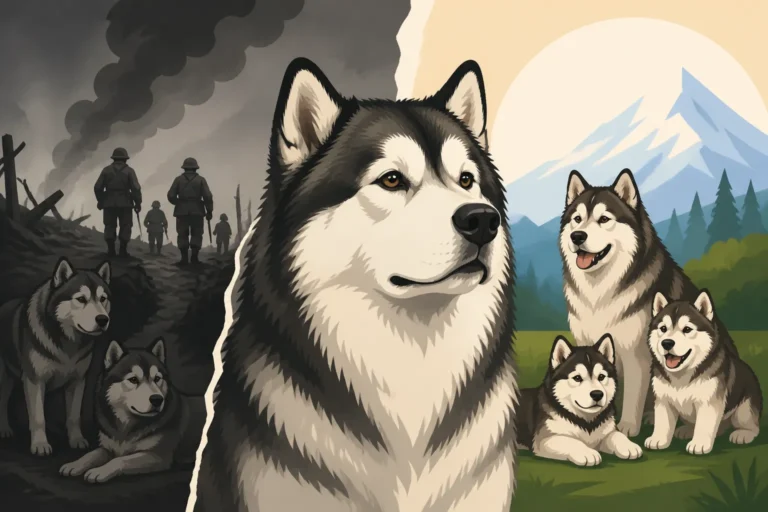
To truly understand the M'Loot line, we have to journey back in time to the early 20th century, a period when the Alaskan Malamute was on the brink of formal recognition. This wasn't a time of meticulously planned breeding programs as we know them today; rather, it was a passionate effort by dedicated individuals to preserve and standardize a working dog that had existed for centuries among the Mahlemut people of Alaska.
Paul Voelker and the Early M'Loot Dogs
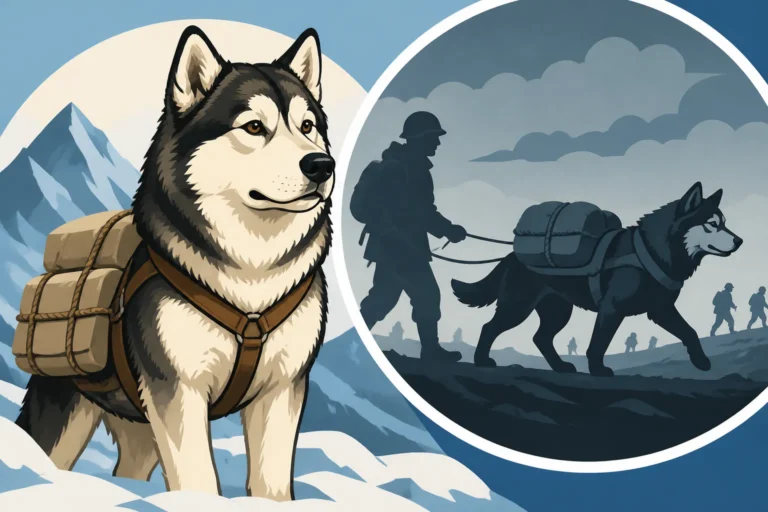
The M'Loot line is largely credited to Paul Voelker, a man whose dedication to the rugged, powerful sled dogs of Alaska shaped a significant part of the breed's future. Voelker began collecting dogs from around Alaska in the 1920s and 30s, focusing on those magnificent, larger freighting types that embodied the true spirit of the Mahlemut dogs. These weren't dainty, swift racers; they were powerful, broad-chested animals built for endurance and hauling heavy loads over vast, unforgiving terrains. He named his kennel "M'Loot" and meticulously recorded his dogs, creating a distinct population that stood out. His vision was clear: to preserve the authentic working Malamute, a dog of immense strength and formidable presence.
Contrasting With Other Founding Stock
At the same time, another significant line, the Kotzebue, was being developed by Milton and Eva Seeley at their Chinook Kennels in New Hampshire. The Kotzebue dogs were generally smaller, more compact, and uniform in appearance. The M'Loot dogs, by contrast, were often described as being more varied in size and conformation, but consistently powerful and substantial. This initial divergence led to quite a bit of debate and discussion among early fanciers about what the "true" Malamute should look like. It's fascinating to consider how these two foundational groups, What the Kotzebue Malamute Line Is, each brought unique traits that would eventually combine to form the modern breed.
Defining Characteristics of M'Loot Malamutes
When you look at a Malamute today, you're often seeing a blend of these historical lines, but the M'Loot dogs contributed several very distinct characteristics that are still recognizable. These traits weren't just about looks; they were intrinsically linked to the working demands placed upon these dogs in the harsh Arctic environment.
Larger Size and Powerful Build
Perhaps the most immediately striking characteristic of the M'Loot line was its emphasis on size and bone. These dogs were bred for heavy freighting, and that required a robust, muscular physique. M'Loot descendants often carried more weight, had deeper chests, and a more imposing presence than their Kotzebue counterparts. If you've ever seen an Alaskan Malamute that truly looks like a "giant" among its breed, there's a good chance that substantial bone and larger frame trace back to the M'Loot influence. This focus on raw power meant they could move substantial loads, sometimes even a thousand pounds with a team, over long distances, albeit at a slower, more deliberate pace than speed-oriented sled dogs. This incredible How Much Weight a Malamute Can Pull in Competition is a direct testament to their M'Loot heritage.
Varied Coat Colors and Markings
While the Kotzebue line tended to favor gray and white, M'Loot dogs displayed a wider array of coat colors. You'd find more reds, sables, and even solid blacks within the M'Loot population, along with a greater diversity of facial markings. This wasn't just aesthetic; it reflected the broader gene pool Voelker drew from, collecting dogs that were valued primarily for their working ability rather than strict adherence to a uniform appearance. Many of the beautiful The Colors an Alaskan Malamute Comes In we see today, like striking reds or the less common sable, owe their presence to the M'Loot contribution. This diversity added a rich tapestry to the breed's visual appeal.
Independent and Strong-Willed Temperament
The temperament of M'Loot dogs was often described as more independent and strong-willed. These were dogs used to making their own decisions in demanding environments, sometimes working far ahead of their handlers. While all Malamutes possess a degree of independence, the M'Loots were perhaps a bit more pronounced in this trait. This isn't to say they weren't affectionate with their families; rather, their intelligence and self-reliance meant they often required a firm, consistent hand and a savvy owner who understood how to work with their dog's will, not against it. It's a trait that can be frustrating for new owners, as Why Force Fails on an Alaskan Malamute is a lesson many learn quickly, but it's also a hallmark of their historical purpose. They weren't bred to be blindly obedient, but to be thinking partners.
The M'Loot Legacy: Influence on Modern Malamutes
The M'Loot line, despite its early distinctiveness, didn't remain a separate entity forever. Its powerful genetics were crucial in shaping the Alaskan Malamute breed as we know it today, particularly through its integration into the broader gene pool during the breed's formalization.
Expanding the Breed's Gene Pool
When the Alaskan Malamute was officially recognized by the American Kennel Club (AKC), the initial gene pool was quite small, heavily influenced by the Kotzebue dogs. However, it soon became apparent that a broader genetic base was necessary for the long-term health and vitality of the breed. This is where the M'Loot dogs became incredibly important. Their introduction brought in new blood, reducing the risk of genetic bottlenecks and contributing to the overall vigor of the breed. This strategic decision to eventually merge these lines was crucial for the breed's future, as discussed in Whether the Two Malamute Lines Were Ever Merged. It was a move that prevented many potential health issues down the line by creating a more robust genetic foundation.
Contributing to the Modern Breed Standard
While the early AKC standard was heavily influenced by the Kotzebue dogs, the M'Loot line's influence steadily grew. Breeders recognized the value of their size, substance, and varied coloring. Over time, the breed standard evolved to incorporate the best traits from both lines, creating a description that allowed for the larger, more powerful specimens common in the M'Loot lineage. Today's Alaskan Malamute standard describes a powerful, substantially built dog, capable of carrying a heavy freight. This "freighting type" is a direct nod to the contributions of the M'Loot dogs. When you consider What an Alaskan Malamute Actually Weighs, you often see dogs hitting the higher end of the standard's weight range, reflecting this M'Loot influence.
Enduring Physical Traits
Even now, generations removed from the original M'Loot kennels, you can often spot physical traits that harken back to these dogs. The impressive bone, the powerful chest, and the often more diverse coat patterns are all legacies of the M'Loot influence. While pure "M'Loot" lines in the strict sense no longer exist independently, their genetic footprint is deeply embedded in nearly every Alaskan Malamute pedigree. This means that even if your dog isn't directly descended from a famous M'Loot, the characteristics you admire are likely a part of that rich heritage. When you're considering The Alaskan Malamute Against the Siberian Husky, the Malamute's distinct power and size compared to the Husky's speed is a great example of this lasting M'Loot impact on type.
Challenges and Criticisms of the M'Loot Line
While the M'Loot line undeniably brought many valuable traits to the Alaskan Malamute breed, it wasn't without its challenges or criticisms. Every foundational line has its quirks, and the M'Loot was no exception, especially when trying to standardize a breed from diverse working stock.
Consistency in Type and Temperament
One of the primary criticisms leveled against the early M'Loot dogs was their perceived lack of consistency in type. Unlike the Kotzebue line, which was known for its uniformity, M'Loot dogs often displayed a broader range of sizes, conformations, and even temperaments. This made it more challenging for breeders striving for a consistent look and feel for the burgeoning breed. While this diversity was genetically beneficial, it was a hurdle for those trying to define a strict breed standard. Some dogs were truly immense, others slightly less so, making it difficult to establish a single, clear "Malamute look."
Potential for Aggression and Dominance
Given their independent and sometimes dominant temperaments, some early M'Loot dogs were noted for having a stronger predisposition towards same-sex aggression or general dog-on-dog conflict. These were dogs bred to survive and thrive in challenging conditions, often working in loose teams where dominance could be a factor. While careful breeding and socialization have mitigated these tendencies significantly in modern Malamutes, the historical context reminds us why Same Sex Aggression in a Pack Bred Alaskan Malamute is a topic that still comes up, and why responsible ownership includes understanding this potential. It's a trait that competent breeders actively work to manage and minimize through careful selection.
Health Considerations and Breeding Decisions
As with any historical line, careful attention to health was paramount. While general health issues related to Malamutes, such as hip dysplasia or certain eye conditions, aren't exclusive to one line, early breeding decisions could amplify certain predispositions. It underscores the importance of rigorous health testing, a practice that has become standard for responsible breeders today. For example, understanding The Health Tests Both Alaskan Malamute Parents Should Have is vital because without knowing the genetic background of your dog's ancestors, you might be unknowingly perpetuating issues that were present in early, less-screened lines. Today, reputable breeders leverage DNA testing to ensure the longevity of the breed.
Integrating M'Loot Traits into the Modern Breed Standard
The story of the M'Loot line isn't one of outright victory over other lines, but rather a testament to successful integration and compromise. The modern Alaskan Malamute is truly a blend, a magnificent mosaic of the best qualities from its diverse ancestral stock.
The "One Breed" Philosophy
The ultimate decision to combine the various foundational strains, including the M'Loot and Kotzebue lines, into a single, cohesive breed standard was a critical turning point. It moved beyond the historical rivalries and recognized that both types offered invaluable contributions to the Alaskan Malamute. This "one breed" philosophy allowed for a wider genetic base and a more robust, versatile Malamute. It ensured that the breed could maintain its physical prowess, endurance, and unique personality while broadening its genetic diversity. This blending truly solidified the breed's future and ensured it wouldn't become too narrowly defined or genetically vulnerable.
Balancing Power with Agility
The integration meant balancing the raw power and substance of the M'Loot dogs with the slightly more refined, often more agile characteristics of other lines. The result is the Alaskan Malamute we see today: a dog that is undeniably powerful and substantial, built for freighting, yet also capable of a surprising turn of speed and agility when needed. This balance makes them formidable working dogs and impressive companions, capable of excelling in everything from What Weight Pull and Sledding Cost a Malamute Owner to competitive obedience. It's this beautiful synthesis that makes the modern Malamute such an athletic and adaptable animal.
The Lasting Impact on Type and Temperament
The M'Loot line's influence on the Malamute's physical type is undeniable, particularly in the breed's overall size and substantial bone. However, its impact on temperament is equally profound. While breeders have worked to soften some of the more extreme independence and dominance of the earliest M'Loot dogs, the underlying intelligence, resourcefulness, and strong will remain. This makes them captivating but demanding companions, always challenging their owners to be clear, consistent leaders. If you are struggling with a particularly strong-willed Malamute, remember that this trait has deep roots in its working past. Consistent training and boundaries are key, and sometimes a tasty, high-value treat from a store like Chewy can be a powerful motivator!
Finding M'Loot Descendants Today
While you won't find a kennel today advertising "pure M'Loot Malamutes," because the lines were effectively merged, the characteristics and genetic heritage of the M'Loot dogs live on. For those interested in understanding their dog's lineage or simply appreciating the historical context, there are ways to trace these powerful influences.
Researching Pedigrees
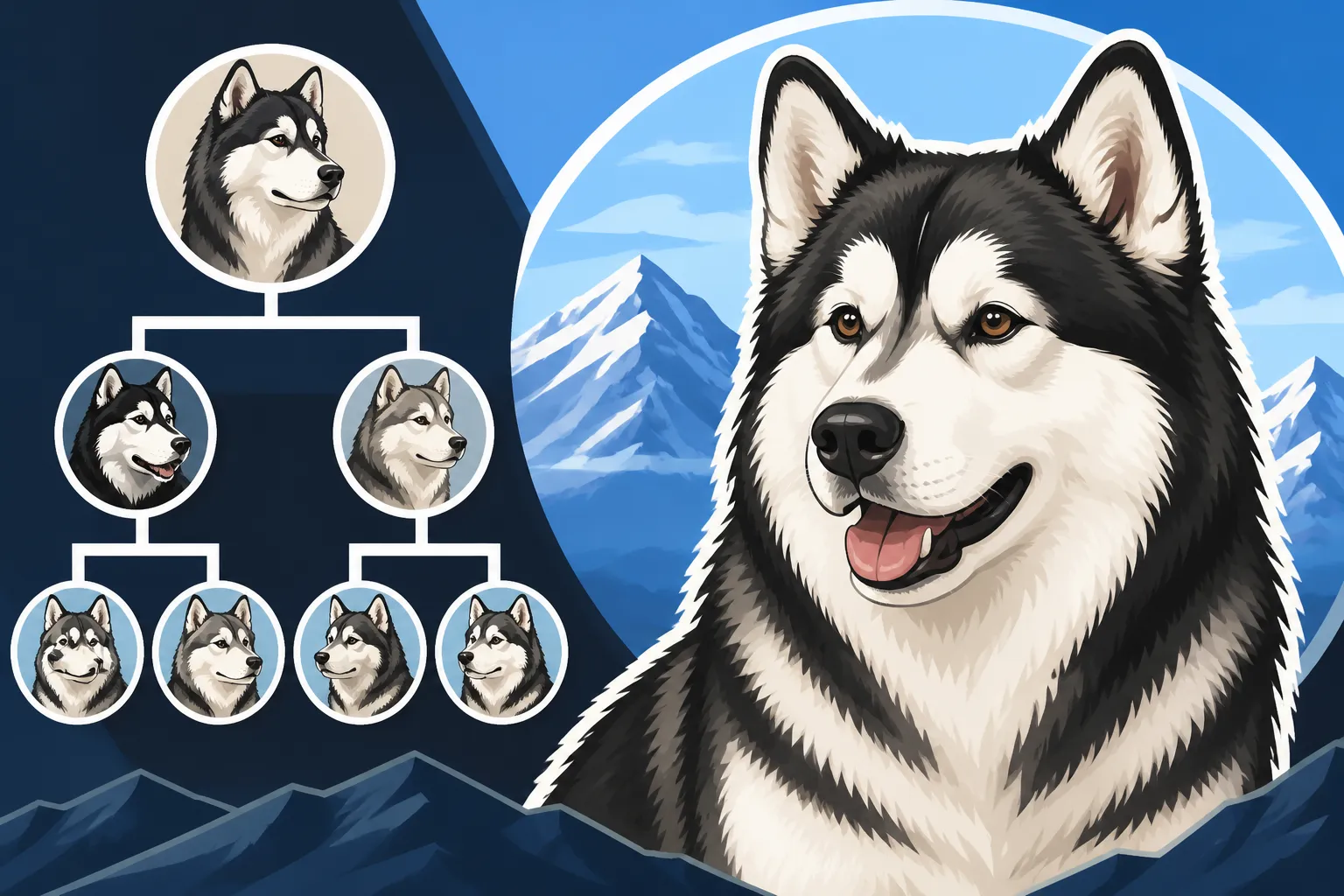
The most direct way to understand the M'Loot influence in a modern Malamute is through pedigree research. Reputable breeders keep meticulous records, and the pedigrees of many modern show and working Malamutes will often trace back to the foundational dogs of both the Kotzebue and M'Loot lines. You might see names like "Arctic Power's" or "Tiki" in older M'Loot pedigrees, indicating a direct connection to that historical stock. This allows you to visualize how these powerful lines converged over generations. Asking a breeder about the historical lines behind their dogs is a great way to gauge their understanding and commitment to the breed's heritage.
Identifying Physical and Temperamental Traits
Even without a deep dive into historical pedigrees, you can often observe the enduring M'Loot traits in individual dogs. Dogs that are particularly large, heavy-boned, and possess a very powerful, substantial appearance may be exhibiting a stronger influence from the M'Loot side of their ancestry. Similarly, those with a wider range of coat colors or more independent, strong-willed temperaments might also trace back to this lineage. It’s a wonderful way to connect with the past and appreciate the living history that your Alaskan Malamute embodies. Just remember, every Malamute is an individual, and environmental factors play a huge role too! But recognizing these echoes of the past can be incredibly rewarding.
The Importance of Responsible Breeding
For those looking to bring an Alaskan Malamute into their home, it's essential to work with a responsible breeder who understands the history of the breed, including the M'Loot and Kotzebue contributions. A good breeder will prioritize health, temperament, and adherence to the breed standard, ensuring that the best aspects of these foundational lines are preserved and improved upon. They will be transparent about health testing, provide detailed pedigrees, and be able to discuss the historical influences on their breeding program. Whether you're interested in a working dog or a family companion, choosing a breeder who truly cares about the breed's heritage and future is paramount. Always check for health clearances for conditions like hip and elbow dysplasia, which can be significant for larger, heavier-boned dogs. You can even find excellent educational resources and supplies, from training treats to durable toys, on sites like Chewy that cater to the needs of these magnificent dogs.
| Characteristic | M'Loot Line Emphasis | Kotzebue Line Emphasis | Modern Alaskan Malamute |
|---|---|---|---|
| Size | Larger, heavier bone, more substantial | Smaller, more compact, often uniform | Broad range, generally substantial and powerful, reflecting blend |
| Coat Color | Wider variety (reds, sables, blacks, grays/whites) | Predominantly gray and white | Wide variety of colors, all within standard |
| Temperament | Independent, strong-willed, potentially dominant | Often described as more reserved, tractable | Intelligent, independent, affectionate, requires consistent leadership |
| Purpose | Heavy freighting, endurance | Sledding, some lighter freighting | Heavy freighting, endurance, versatile companion |
| Conformation | Varied, powerful, rugged | More uniform, refined | Robust, powerful, balanced, capable of heavy work |
Disclaimer
This article is for general informational purposes only and does not constitute professional advice. Laws, prices and regulations vary by location and change over time. Consult a qualified professional for guidance on your specific situation.