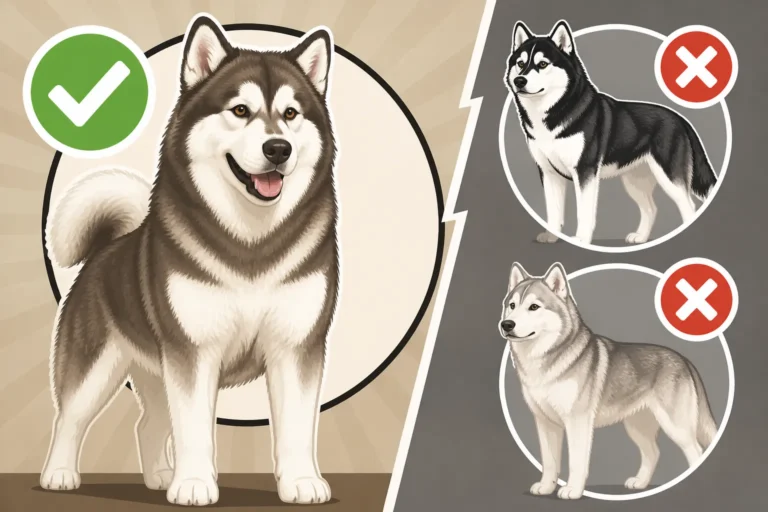
Whether an All White Malamute Is Correct
One of the most striking things about the Alaskan Malamute, beyond their sheer power and those captivating eyes, is their incredible coat. While most people picture them in shades of grey and white, or perhaps a striking black and white, sometimes you'll encounter a Malamute that appears to be entirely white. This can raise a lot of questions, especially if you're trying to understand the breed standard or if you're considering bringing one of these magnificent dogs into your home. This guide aims to clear up the common misunderstandings about all-white Malamutes, delving into what the breed standard says, the genetics behind coat color, and what it truly means for the dog's health and pedigree.
Understanding the Alaskan Malamute Breed Standard for Color
When we talk about whether a certain trait is "correct" for a breed, we're really talking about what the official breed standard dictates. For the Alaskan Malamute, the standard is quite specific, yet it allows for a beautiful range of natural variation. It's not as black and white (pun intended!) as some might think.
The AKC/CKC Standard on Color
Both the American Kennel Club (AKC) and the Canadian Kennel Club (CKC) breed standards for the Alaskan Malamute outline acceptable colors. The standard states that the usual colors range from light grey to black, always with white markings on the underside of the body, parts of the legs, feet, and portions of the mask. Now, here's where the all-white question comes in: the standard does permit solid white as a color. Yes, you read that right. A solid white Alaskan Malamute is considered an acceptable color variation within the breed standard. This often surprises people who are used to seeing the distinct "cap and bar" markings or other patterns.
However, "acceptable" doesn't necessarily mean "common" or even "preferred" in the show ring, but it certainly means a solid white Malamute isn't a fault based on color alone. It simply means they meet that specific criterion of the standard. Their overall structure, gait, temperament, and other traits would then be judged against the rest of the standard, just like any other colored Malamute. It's crucial to understand that an all-white coat is not the same as an albino, which is a very distinct genetic condition characterized by a complete lack of pigment and often comes with serious health issues. We'll delve into that distinction a bit more later. For now, know that the standard writers anticipated the spectrum of natural colors these dogs exhibit.
What "Acceptable" Really Means for Malamute Markings
So, if solid white is acceptable, what about markings? Most Malamutes, as we know, have those iconic patterns – the grey or black 'cap' over their head, a 'bar' on their forehead, or distinct facial masks. These markings are part of what makes a Malamute instantly recognizable to many. The white markings on the legs, feet, and undercarriage are practically a hallmark. When the standard states "solid white" is acceptable, it means a Malamute without any of these darker markings is not penalized for its lack of pattern.
What it doesn't mean is that a white dog with, say, random black patches scattered haphazardly like a Dalmatian would be correct. Those extreme piebald patterns are not typical for the breed. An all-white Malamute is generally a dog whose underlying color would have been grey, black, or red, but the expression of the white gene has essentially "covered" all the darker pigment, resulting in a solid white appearance. It’s like turning up the brightness on a photograph until only the white remains. The key here is the solidity of the white, not just patchy lightness. This can sometimes lead to very subtle variations that are only visible in certain lights or as the dog matures.
Why Pigmentation Matters: Nose, Eye Rims, Lips
Even in an all-white Alaskan Malamute, certain areas must retain pigment to be considered correct under the breed standard. This is where things get really specific and help distinguish a true Malamute from, say, a white German Shepherd or other breeds that might be mistaken for them at first glance. The nose, eye rims, and lips are key indicators.
A correct Alaskan Malamute, regardless of coat color, should have a black nose, eye rims, and lips. The only exception mentioned in the standard is for red Malamutes, which may have a liver (brown) pigment in these areas. For an all-white Malamute, a black nose, black eye rims, and black lips are absolutely essential. If these areas are pink or unpigmented, it could indicate a very serious genetic issue, such as albinism, or at the very least, would be considered a fault in the show ring. Why Blue Eyes Disqualify an Alaskan Malamute is another example of a distinct standard requirement related to pigmentation.
This insistence on black pigmentation (or liver for reds) even on an otherwise solid white dog underscores the importance of proper pigment not just for aesthetics, but often as a marker of genetic health and integrity within the breed. It shows that even with a striking white coat, the underlying genetic blueprint for a true Malamute is still very much present and accounted for. This is something any reputable breeder will pay close attention to, and something potential owners should be aware of.
The Genetics Behind White Coats in Malamutes
Understanding why a Malamute might be all white means taking a little detour into genetics. It's not always as simple as "the puppy came out white!" There are specific genes at play that dictate coat color and pattern, and sometimes these combine in ways that result in a lack of visible darker pigment.
How Recessive Genes Can Lead to White
In Malamutes, an all-white coat is typically the result of recessive genes that influence the extent of white markings. Think of it this way: most Malamutes have a combination of genes that give them their distinctive patterns – a base color like black, grey, or red, combined with genes that create white areas on the belly, legs, and face. These white areas are caused by a gene often referred to as the 'S' locus, which controls the extent of white spotting.
A "solid white" Malamute isn't usually a completely unpigmented dog. Instead, they often carry two copies of a recessive gene for extreme white spotting (often referred to as 'sw' or similar alleles in some breeds, though the exact nomenclature can vary). This gene essentially extends the white markings to cover the entire body, masking any underlying color. The dog still genetically carries the genes for grey, black, or red, but you just can't see them because the white has taken over. This is different from a dominant white gene found in some other breeds. It’s a bit like painting a white wall over a colored one – the original color is still there, but it's completely covered. Both parents must carry this recessive gene for an all-white puppy to appear, even if neither parent is all white themselves.
The Difference Between True White and Extreme Piebald
This might sound like splitting hairs, but there's a subtle distinction that's important for breed enthusiasts. A true solid white Malamute appears uniformly white across its entire body, with no discernible patches of color, even faint ones. Their skin beneath the fur is also typically pink, not mottled or spotted.
An extreme piebald (or extreme white spotting) Malamute, while appearing mostly white, might still have a tiny patch of color, perhaps at the base of the tail or on an ear. Sometimes, if you look closely at the skin underneath the coat, you might find small pigmented spots. Both can look very similar on the surface, making it difficult for the casual observer to tell them apart without a genetic test or very close examination. However, the genetic mechanisms can be slightly different. For the breed standard, the key is the overall appearance of being solid white, and the distinction between these two often comes down to the genetic expression of the white spotting gene. The end result for the eye is still a magnificent white dog.
Why "Albino" is a Misnomer for Malamutes
This is a really important point to clarify, as it's a common misconception. When people see an all-white dog, the word "albino" often springs to mind. However, true albinism is a very specific genetic condition resulting from a complete lack of melanin, the pigment responsible for color in skin, hair, and eyes.
An albino dog would have pink skin, a pink nose, pink lips, and crucially, pink or red eyes (due to the blood vessels showing through unpigmented irises). They would also typically be much more sensitive to sunlight and prone to other health issues. As we discussed, a correct all-white Alaskan Malamute must have black (or liver) pigmentation in its nose, eye rims, and lips, and brown eyes. This is the tell-tale sign that they are not albino. Their white coat is due to the extreme expression of white spotting genes, not a complete inability to produce pigment. They are simply a beautifully white-coated Malamute, full of all the usual Malamute characteristics and charm. A responsible breeder will be able to explain the genetic background of their lines and assure you that any white puppies are not albinos.
Distinguishing an All-White Malamute from a Cream or Light-Sable
The spectrum of light colors in Alaskan Malamutes can be quite broad, and sometimes it's hard to tell where "white" begins and "cream" or "light-sable" ends. The difference can be subtle, especially depending on lighting and the dog's age.
The Nuances of Cream and Ivory Coats
While "solid white" is an acceptable color, the Malamute standard also includes "cream" and very light shades of grey, which can sometimes appear almost white. Cream Malamutes will have a distinctly warm, yellowish hue to their coat, rather than a pure, brilliant white. It’s like the difference between a pearl white and an antique ivory. This cream color is caused by a different set of genes than the ones responsible for masking all color in a truly white Malamute.
An ivory Malamute might be a very light shade of cream, almost indistinguishable from white in some lights, but usually, a discerning eye can pick up that underlying warmth. These dogs will also have black (or liver) points – nose, eye rims, lips – and brown eyes, just like their all-white counterparts. The distinction often comes down to the individual hairs: a cream Malamute's hairs will actually be cream-colored, whereas a white Malamute's hairs are truly devoid of pigment. The overall effect, however, is one of ethereal lightness, much like the snow itself. It’s one of the beautiful variations The Colors an Alaskan Malamute Comes In can display.
Identifying Subtle Color Variations
Sometimes, an all-white Malamute might still have very subtle hints of color, often referred to as "shadow markings" or "ghost markings." These are not patches, but rather areas where the underlying color might be slightly visible, perhaps a faint hint of grey or cream along the back or ears. These subtle variations might only be noticeable in specific lighting conditions, like direct sunlight, or as the dog matures. Often, puppies that appear stark white can develop these faint shadows as their adult coat comes in.
This is why understanding the "solid white" acceptance in the standard is so important. It acknowledges that Malamutes come in a wide range, and a dog doesn't have to have strong, defined markings to be correct. The critical elements remain the correct pigmentation of the nose, eye rims, and lips, and the brown eye color. If a dog has proper pigmentation in these areas, and otherwise appears solid white or very light cream, it typically falls within the acceptable range of the breed standard.
The Role of Guard Hairs in Overall Appearance
The Alaskan Malamute has a double coat, which is one of its most defining features. It consists of a dense, woolly undercoat and a coarser, protective outer coat of guard hairs. These guard hairs are what primarily determine the visible color and pattern of the dog. Even if the undercoat is slightly off-white or cream, the outer guard hairs' color is what we perceive.
In a pure white Malamute, both the undercoat and the guard hairs will appear white. In a cream or very light-sable Malamute, the guard hairs will carry that creamy or light tan pigment. Sometimes, a Malamute that looks very light might actually have a darker undercoat, especially if it's a sable. The play of light on these two layers can create an illusion of a different color. This is also why a Malamute's coat can sometimes look different after a thorough grooming, or during a coat blow when a lot of the undercoat is shed. It's a complex system that results in the stunning array of colors we see in the breed. When you're buying quality food from places like Chewy, you're investing in a coat that can maintain its natural beauty, whether it's white, grey, or black.
Health Considerations and Misconceptions About White Malamutes
It's natural to wonder if an unusual coat color comes with any health baggage. For Alaskan Malamutes, specifically regarding white coats, there are some persistent myths and important facts to understand.
Debunking Deafness and Blindness Myths
One of the most common myths associated with all-white dogs, across many breeds, is that they are more prone to deafness or blindness. This is particularly true for breeds where the white gene is associated with the merle gene or extreme piebaldism (like in certain Boxers or Dalmatians), which can indeed carry an increased risk of auditory or visual impairments.
However, in Alaskan Malamutes, the genes responsible for a solid white coat do not typically carry these associated health risks. A healthy all-white Malamute, with proper black (or liver for reds) pigmentation on its nose, eye rims, and lips, and brown eyes, is no more likely to be deaf or blind than any other colored Malamute. The key difference, as discussed earlier, is that these are not albino dogs. True albinism, with its complete lack of pigment, does often come with vision problems due to light sensitivity and sometimes hearing issues. Therefore, as long as you are getting a Malamute with correct pigmentation, you should not be overly concerned about deafness or blindness simply because of its white coat. The Health Tests Both Alaskan Malamute Parents Should Have are far more important indicators of a puppy's likely health.
Skin Sensitivity in Lighter-Coated Dogs
While not directly linked to a white coat in Malamutes, lighter-colored dogs in general, including those with white fur, can sometimes be more susceptible to certain skin issues, especially sunburn. Just like humans with fair skin, areas with less pigment, particularly the nose and ears, can be prone to sun damage if exposed for prolonged periods without protection.
This doesn't mean a white Malamute will inherently have chronic skin problems, but it's something to be aware of, particularly if you live in a sunny climate or if your dog spends a lot of time outdoors. Regular checks for any signs of irritation or redness, and perhaps using a vet-approved sunblock on exposed skin like the nose, can be beneficial. Additionally, any Malamute, regardless of color, can suffer from conditions like Zinc Responsive Dermatosis in an Alaskan Malamute, which manifests as skin lesions and crusting. While not directly related to coat color, it's a reminder that skin health is important for all Malamutes. Keep an eye out for any unusual skin conditions, as even a seemingly minor issue can become problematic quickly.
Importance of Health Testing Regardless of Coat Color
Ultimately, the color of an Alaskan Malamute's coat, whether it's all white, grey, or black, is far less important than its overall health and temperament. A responsible breeder will prioritize breeding healthy dogs with sound temperaments above all else. This means performing comprehensive health tests on the parent dogs.
Key health screenings for Alaskan Malamutes often include:
| Condition | Test Type | Purpose |
|---|---|---|
| Hip Dysplasia | OFA/PennHIP X-rays | Evaluates hip joint quality to prevent lameness. |
| Elbow Dysplasia | OFA X-rays | Checks for abnormal elbow joint development. |
| Inherited Polyneuropathy | DNA Test | Screens for a debilitating neurological disorder. |
| Day Blindness (CNGB3) | DNA Test | Tests for a genetic eye condition affecting vision. |
| Progressive Retinal Atrophy | Eye Exam (CERF/OFA) | Checks for degenerative eye disease. |
| Hypothyroidism | Blood Panel | Screens for thyroid gland function issues. |
A reputable breeder will be transparent about these test results for both parents of a litter. They understand that a beautiful white coat is wonderful, but it means nothing without good health behind it. So, when you're looking for a Malamute, always inquire about the health testing of the parents, regardless of the puppy's color. This is the best way to ensure you're bringing home a healthy, well-bred companion. Organizations like the Alaskan Malamute Club of America advocate for these tests to ensure the long-term health of the breed.
What to Look for When Choosing a Malamute Puppy (Color-wise)
So, you're enchanted by the idea of an all-white Malamute. They are certainly striking! But beyond the aesthetics, there are important considerations when selecting your puppy, especially concerning coat color and what it might tell you about the breeder.
Prioritizing Health and Temperament Over Color
This cannot be stressed enough: when choosing any puppy, and especially a Malamute, health and temperament should always come before superficial traits like coat color. A responsible breeder will echo this sentiment. They know that a well-adjusted, healthy Malamute, regardless of its shade of white, grey, or black, will bring you far more joy and fewer heartaches than a dog chosen purely for its looks.
A puppy's temperament, often influenced by its parents and early socialization, will determine how well it fits into your home and lifestyle. Is it confident or shy? Curious or reserved? These are far more critical questions than whether its coat is pure white or has a hint of cream. Discussing the parents' temperaments and observing the puppies' behavior in the litter will give you invaluable insight. You want a Malamute that has the characteristic friendly but independent nature, not just a pretty face. A great resource for general puppy supplies and quality food options for your new Malamute, regardless of color, can be found at Chewy.
The Breeder's Role in Understanding Coat Genetics
A knowledgeable and ethical breeder is your best resource when it comes to understanding coat color genetics, especially for less common variations like all-white. They should be able to explain the genetic background of the parents, how a white puppy appeared in the litter, and assure you that it's a healthy, genetically sound white, not an albino.
They should also be able to show you the lineage and any relevant health clearances for the parents. They won't just tell you a puppy is "rare" because it's white; they'll explain the genetic reality. A breeder who focuses solely on a "rare" color and charges exorbitant prices for it without providing proper health testing or transparency about lineage should be a red flag. Look for a breeder who is passionate about the breed as a whole, who understands The Kotzebue and M'Loot Lines Behind Every Modern Malamute and their individual traits, and who can answer all your questions thoroughly. They should be focused on producing healthy, well-adjusted puppies above all else.
Red Flags to Watch Out For
While an all-white Malamute can be perfectly healthy and correct according to the breed standard, there are certainly some warning signs to be aware of when you're looking for a puppy:
- Claims of "Rare" or "Exotic" Colors: As established, solid white is an accepted color. If a breeder tries to market an all-white Malamute as "rare" or "exotic" to justify a significantly higher price, be wary. This often indicates a focus on profit over breed integrity and health.
- Pink Noses/Eye Rims/Lips with Red Eyes: This is the most crucial red flag. As discussed, true albinism will manifest with a complete lack of pigment in these areas, and often red or pink eyes. This is a serious health concern, and such a dog is not a correct Alaskan Malamute. A healthy white Malamute must have black (or liver for reds) pigmentation in these areas and brown eyes.
- Lack of Health Testing: Any breeder, regardless of the puppy's color, who cannot or will not provide clear, verifiable health clearances for the parent dogs is to be avoided. This is non-negotiable for a responsible purchase. Ask to see proof of screening for common Malamute conditions like hip and elbow dysplasia, polyneuropathy, and day blindness.
- Blue Eyes in an Otherwise White Malamute: While beautiful, blue eyes are a disqualifying fault in the Alaskan Malamute breed standard, regardless of coat color. If a "white Malamute" has blue eyes, it suggests either a mixed breed heritage (like a Siberian Husky cross) or a serious deviation from the standard, and it would not be a recognized purebred Malamute. This is why understanding Why Blue Eyes Disqualify an Alaskan Malamute is so important.
Choosing an Alaskan Malamute, whether it's all white or a more traditional grey and white, is a big decision. By focusing on reputable breeders, asking the right questions about health and temperament, and understanding the nuances of the breed standard, you'll be well on your way to finding a wonderful companion. Your furry friend will love you regardless of how "correct" their coat color is, but armed with this knowledge, you can make an informed choice that supports the health and integrity of the breed.
Disclaimer
This article is for general informational purposes only and does not constitute professional advice. Laws, prices and regulations vary by location and change over time. Consult a qualified professional for guidance on your specific situation.