How Many Malamutes a Freight Team Used
For anyone looking at an Alaskan Malamute, it’s impossible not to imagine them in their element, pulling a heavy sled across a vast, snowy landscape. But a common question that pops up, especially when we consider their history, is exactly how many Malamutes would typically make up one of those powerful freight teams. It’s not just a number; it’s a reflection of their incredible strength, endurance, and the specific tasks they were bred for. This guide will dive into the historical realities of Malamute freight teams, exploring the factors that determined their size and the impressive work they accomplished.
The Historical Context of Malamute Freight Teams
To truly understand why Malamute freight teams were structured the way they were, we need to go back in time and understand the people and the environment that shaped this magnificent breed. These weren't dogs bred for dainty tasks or casual walks; they were essential survival tools.
The Mahlemut People and Their Needs
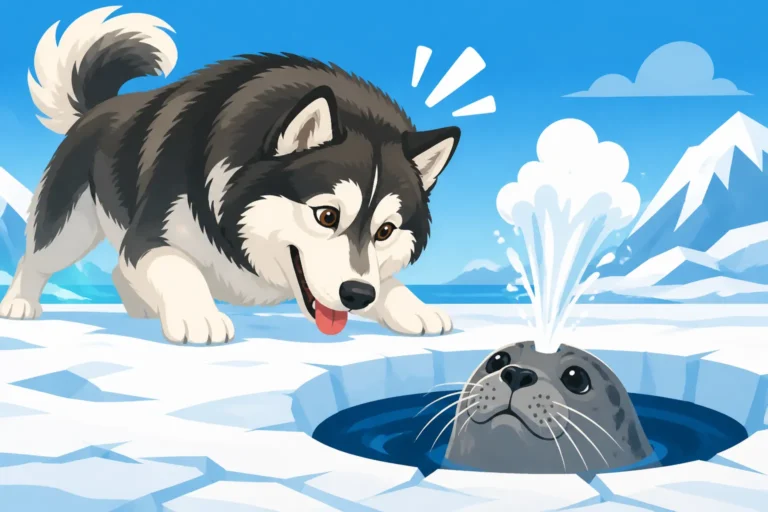
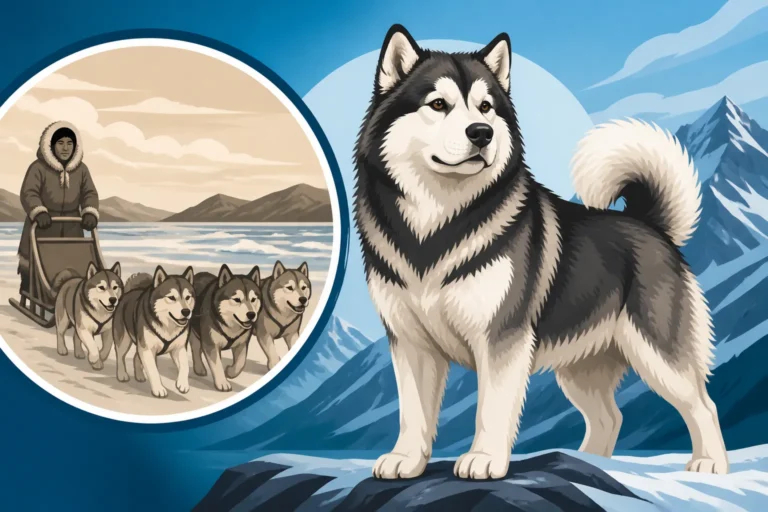
The Alaskan Malamute takes its name from the Mahlemut people, an Inuit tribe inhabiting the Kotzebue Sound region of northwestern Alaska. Life for the Mahlemut was harsh and unforgiving, dictated by the brutal Arctic climate. Survival depended on hunting, fishing, and moving goods – often incredibly heavy ones – across vast, frozen territories. Imagine needing to transport a successful hunt, perhaps a large seal or a caribou, or vital supplies like firewood or building materials, over many miles of deep snow and ice. This wasn't a job for a fast, light dog; it required sheer, brute strength and unwavering stamina.
The Mahlemut didn't have wheeled vehicles or advanced machinery. Their primary mode of long-distance transport was the sled, and the engine was their dogs. They carefully selected and bred their dogs for specific traits that would ensure their survival and the survival of the community. These dogs needed thick coats for insulation, sturdy builds for pulling immense weight, and a calm, intelligent temperament to work cohesively in a team under challenging conditions. The breed, therefore, developed into a powerful, heavy-boned animal, perfectly adapted to its purpose. You can learn more about their origins in The Mahlemut of Kotzebue Sound Bred the Alaskan Malamute.
Freight Over Speed: The Malamute's Design
Unlike many of the faster, lighter sled dogs, like the Siberian Husky, which were often bred for speed in racing, the Alaskan Malamute was primarily a freighting dog. This distinction is crucial to understanding team size. A Malamute's build is designed for power and endurance over long distances, not for quick sprints. They have deep chests, well-muscled bodies, and strong, compact feet – all features that contribute to their ability to pull heavy loads efficiently.
Think of it like comparing a draft horse to a racehorse. Both are horses, but their jobs are vastly different, and their physical attributes reflect that. The Malamute is the draft horse of the dog world, capable of moving impressive weights steadily for hours on end. This inherent strength meant that fewer Malamutes were often needed to move a given amount of weight compared to a team of lighter, faster dogs. Their slower, deliberate pace was an asset, allowing them to conserve energy and maintain traction when hauling substantial cargo. This fundamental difference is explored further in Freight, Not Speed: What Separates a Malamute From a Racing Dog.
Typical Team Sizes and Their Variations
When we talk about "how many Malamutes a freight team used," there wasn't a single, fixed answer. It was a dynamic number, highly dependent on the task at hand, the environment, and the weight being moved.
Standard Freight Team Configurations
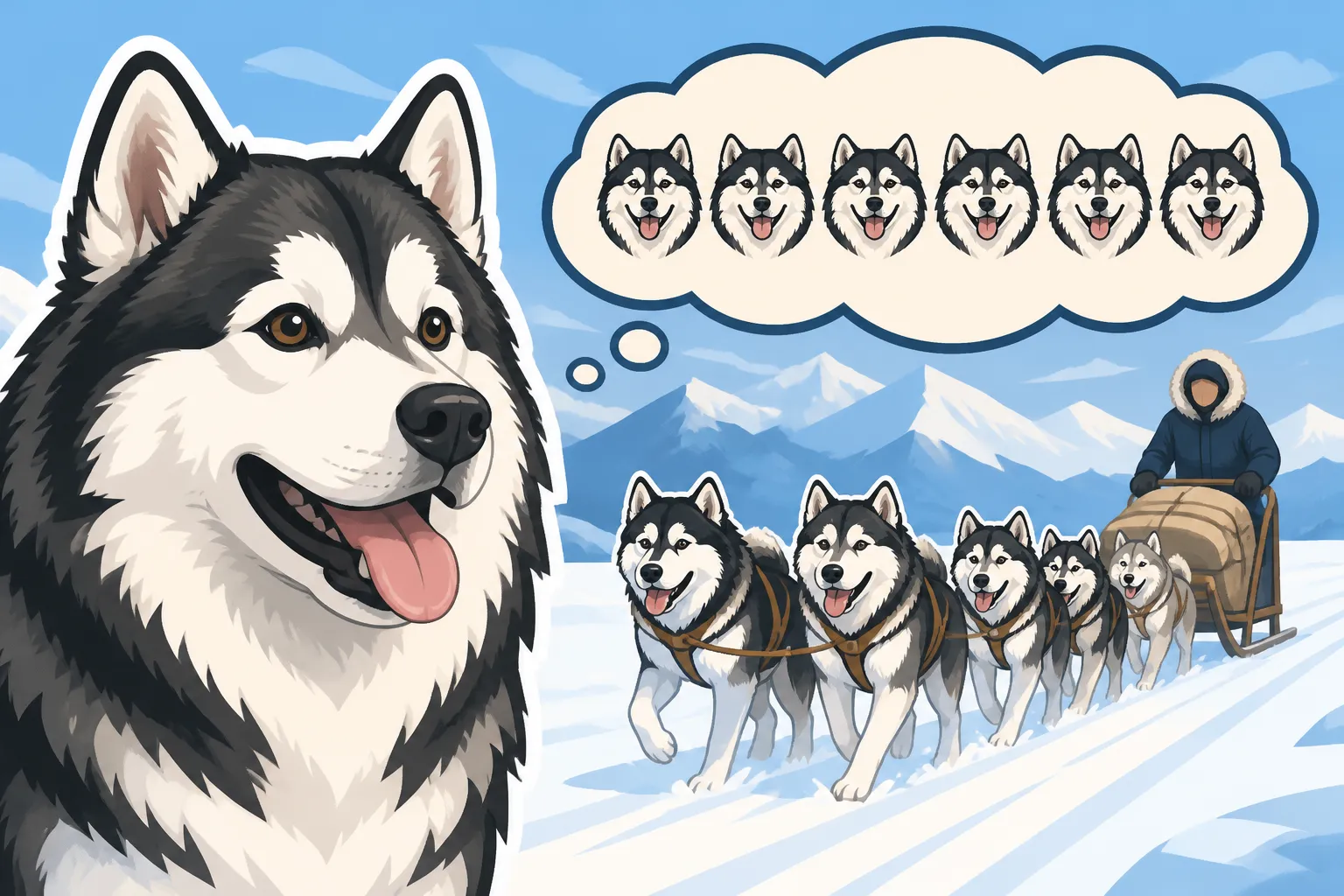
For everyday tasks, such as hauling firewood, bringing in game from a short hunt, or transporting supplies around a settlement, a typical Mahlemut freight team might consist of four to six Malamutes. This size provided a good balance of power and maneuverability for most routine operations. Imagine a team pulling a sled laden with ice blocks for melting, or a family's gear to a new hunting ground. A four-dog team could comfortably manage a significant load on relatively flat or packed snow.
For longer journeys or when facing particularly heavy loads – perhaps a winter's worth of furs, a large catch of fish, or construction materials for a new dwelling – the team size could easily increase to six to eight Malamutes. In some exceptional circumstances, especially for very long expeditions or moving truly massive cargo, teams might swell to ten or even twelve dogs. These larger teams, however, were less common for daily subsistence and more for major expeditions or commercial freighting during the Gold Rush era.
Within these teams, each dog had a role, though not as rigid as some racing teams.
- Lead dogs: These were the intelligent, experienced, and trustworthy dogs at the front. They set the pace, followed commands, and navigated the terrain.
- Swing dogs: Positioned directly behind the lead dogs, they helped steer the team and absorbed some of the lateral forces during turns.
- Team dogs: The main engine of the team, these dogs made up the middle of the line, providing the bulk of the pulling power.
- Wheel dogs: Closest to the sled, these were often the strongest dogs, capable of pulling the heaviest initial weight and helping to steer the sled around obstacles.
This structure ensured that the collective strength of the Malamutes was utilized effectively.
| Team Size | Primary Purpose | Typical Load Capacity (Approximate) | Key Advantages |
|---|---|---|---|
| 2-3 Dogs | Light hauling, quick trips, single-person transport | 200-400 lbs | Agility, faster setup, less food required |
| 4-6 Dogs | Regular freighting, daily tasks, medium journeys | 500-1000 lbs | Balanced power and control, efficient for most needs |
| 6-8 Dogs | Heavy freighting, long expeditions, challenging terrain | 1000-1500 lbs (or more in ideal conditions) | Maximum pulling power, endurance for extended trips |
| 10-12+ Dogs | Extremely heavy loads, pioneering expeditions | 1500+ lbs | Overcoming severe obstacles, specialized tasks |
Note: Load capacities are highly variable based on terrain, snow conditions, sled type, and dog conditioning.
Factors Influencing Team Size
Several crucial factors dictated how many Malamutes were harnessed for a particular task:
- Weight of the Load: This was, without a doubt, the primary determinant. A small personal load might only require two or three Malamutes, whereas a sled piled high with hundreds of pounds of goods would necessitate a larger team. The Mahlemut people understood intuitively how to balance the load with the dogs' capabilities to prevent injury and ensure efficient travel. You can imagine stocking up on dog food from a place like Chewy for a team this size would be quite the endeavor!
- Terrain and Snow Conditions: Traveling across smooth, hard-packed snow is vastly different from slogging through deep, fresh powder or navigating icy, uneven terrain. Deep snow or challenging ascents would demand more dogs to provide the necessary traction and power to move the sled. A trail with frequent obstacles, like fallen trees or rocks, would also benefit from more dogs for greater control and momentum.
- Distance and Duration of the Journey: A short trip to a nearby trap line or fishing hole required fewer dogs than a multi-day journey between distant settlements. Longer trips meant the dogs needed to conserve energy, and a larger team could distribute the effort, allowing each dog to work at a sustainable pace. This directly relates to How Far a Malamute Freight Team Traveled in a Day.
- Available Dogs and Resources: Sometimes, the ideal team size wasn't possible due to limited resources. A family might only have a few adult Malamutes, meaning they had to make do with what they had, perhaps making multiple trips or taking lighter loads. Breeding, raising, and feeding a large team was a significant investment, especially in such a harsh environment.
The Mahlemut's deep understanding of their dogs' capabilities and the environment meant they were masters at optimizing team size for efficiency and the well-being of their valuable animals.
The Workload and Capabilities of a Malamute Team
It's easy to picture a team of Malamutes, but truly appreciating their historical role means understanding the sheer physical demands placed upon them and their incredible capacity for work.
How Much a Malamute Freight Team Traveled in a Day
The distance a Malamute freight team could cover in a day was highly variable, depending on all the factors mentioned above – load, terrain, snow, and weather. However, on average, a well-conditioned team pulling a typical freight load could reliably cover 15 to 25 miles in a day. On ideal, flat, well-packed trails with a moderate load, they might even push closer to 30 miles.
This might not sound like a huge distance compared to a modern vehicle, but consider the context: navigating wilderness without mapped trails, in sub-zero temperatures, often through deep snow, and pulling hundreds of pounds. This was a steady, relentless pace, emphasizing endurance over speed. A freight team's journey wasn't about breaking speed records; it was about consistently making progress, day after day, to reach a destination with essential supplies. Their inherent stamina meant they could keep this up for weeks, even months, on expeditions. The dogs were often given a good meal, sometimes enhanced with supplements from a place like Chewy, to help them recover for the next day's work. This impressive feat of endurance is detailed in How Far a Malamute Freight Team Traveled in a Day.
The Maximum Load a Malamute Team Could Haul
The true power of the Alaskan Malamute shone in its ability to haul incredible weights. While a single Malamute might comfortably pull two to three times its own body weight on good footing, a well-trained team could move substantially more. For a team of six to eight Malamutes, it wasn't uncommon for them to haul anywhere from 1,000 to 1,500 pounds of freight in favorable conditions. In truly exceptional circumstances, with a strong, large team on packed snow, stories exist of teams moving over a ton of supplies. This capacity often meant the difference between life and death for the Mahlemut people.
Their deep chests and muscular hindquarters, combined with their low center of gravity, allowed them to dig in and pull with immense force. This was about sustained, powerful effort. Imagine a team from Chewy delivering an entire small grocery store's worth of goods to a remote cabin every week – that's the kind of work we're talking about! The ability to pull such immense weight made the Malamute indispensable for trade, hunting, and exploration in the Arctic. To truly grasp the scale of their effort, delve into How Much Weight a Malamute Freight Team Hauled.
Modern Day Echoes and Practical Considerations
While most Alaskan Malamutes today are beloved family companions rather than working freight dogs, their innate drive to pull and work still runs deep. Understanding their historical role helps us provide them with fulfilling lives.
Recreational Freight and Weight Pull Today
The legacy of the freighting Malamute lives on in various modern dog sports and activities. Weight pulling competitions, for instance, are designed to showcase the incredible strength and determination of breeds like the Malamute. In these events, dogs pull weighted carts over a short distance, testing their strength and conditioning. It’s a powerful testament to their heritage. Similarly, recreational sledding, skijoring (where a dog pulls a person on skis), and carting allow modern Malamutes to engage their natural instincts.
These activities are not just fun; they're essential for a Malamute's physical and mental well-being. A Malamute that doesn't get to engage in some form of "work" or challenging exercise can become bored, destructive, and generally unhappy. Providing an outlet for their pulling drive is crucial. You can find specialized gear for these activities, such as harnesses and lines, often available at pet suppliers like Chewy. Getting involved in these sports is a fantastic way to honor their heritage and bond with your powerful companion.
Understanding Your Malamute's Instincts
Even if your Malamute never hauls a thousand pounds, their genetics mean they still possess that deep-seated desire to pull. Owners often describe their Malamutes as "stubborn" or "headstrong" on a leash, when in reality, they're often simply trying to do what they were bred for: pull forward. This is why consistent, positive reinforcement training is vital. Teaching a "loose leash walk" is often an ongoing effort, and many owners find themselves using sturdy harnesses that distribute pressure rather than neck collars for comfort and control.
Providing your Malamute with a "job" – whether it's daily long walks, hiking with a backpack, or engaging in urban mushing – is incredibly important. A bored Malamute is a destructive Malamute. Pulling Is the Only Job an Alaskan Malamute Really Wants highlights just how central this activity is to their nature. Understanding their history helps us provide them with the rich, active lives they truly deserve. This intrinsic need for activity contributes to What an Alaskan Malamute Needs Every Day and informs the question of Whether a Malamute Needs a Job Every Day. Investing in a good What a Weight Pull Harness for a Malamute Costs can be a game-changer for their enjoyment and your control.
Disclaimer
This article is for general informational purposes only and does not constitute professional advice. Laws, prices and regulations vary by location and change over time. Consult a qualified professional for guidance on your specific situation.