Whether the Alaskan Malamute Will Stay Popular
The Alaskan Malamute is striking enough to attract attention, but popularity is not the same as being an easy fit for everyday life. Prospective owners may wonder whether the breed is becoming more common—or whether its size, shedding, exercise needs, and independence will keep it relatively niche. This guide looks at what may sustain interest and what could limit it.
What could keep Alaskan Malamutes popular
A distinctive look and a memorable personality
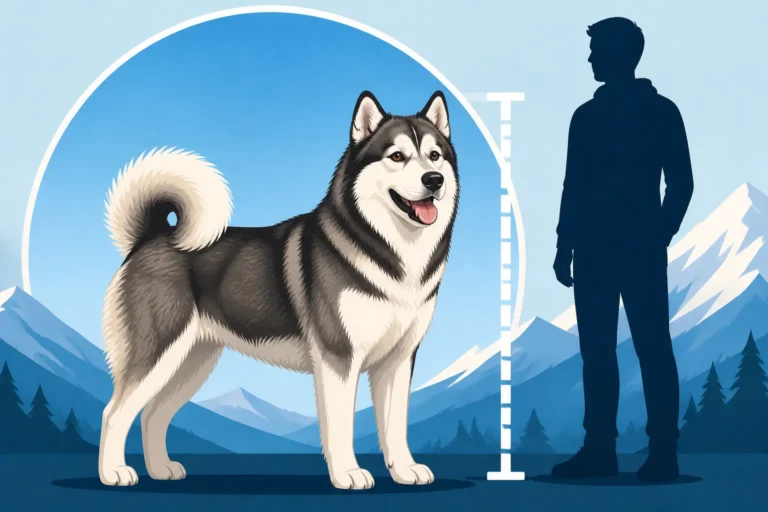
Malamutes have the kind of appearance people notice: a powerful build, dense coat, expressive face, and plume-like tail. Their wolfish look can draw interest from people who have never met one. They also tend to be social and expressive with their families, often communicating through howls, “woo” sounds, and other vocalizations rather than behaving like quiet, background pets.
That combination is appealing in photos and videos, where a handsome dog with a big personality can quickly capture attention. But a brief glimpse of a Malamute’s coat or a playful clip of one “talking” does not show the ordinary work behind ownership: daily exercise, careful management around small animals, regular grooming, and strong containment. Online visibility may introduce more people to the breed, but it does not automatically mean more people are prepared to live with one.
Some future interest may also come from people who are genuinely drawn to northern working breeds and enjoy giving a dog a meaningful job. Malamutes can thrive when their home life includes appropriate physical activity and mental engagement. For a prospective owner comparing different northern breeds, What Alaskan Malamute Owners Wish They Had Known can help set expectations beyond the appealing first impression.
A lasting niche among active, experienced owners
The Malamute’s original strengths still matter to people who value strength, endurance, and cooperative work. Activities such as hiking, backpacking, and properly managed pulling sports can give a Malamute an outlet that feels purposeful. These pursuits may help the breed remain attractive to outdoor-oriented owners, even if it never becomes a broadly suitable choice for every household.
That is a different kind of popularity from a short-lived trend. A breed can have a dedicated following without being an especially common choice. Owners who understand the breed’s independence, physical power, and need for secure management may be particularly committed to it. Their long-term interest can support responsible breeders, breed clubs, and rescue groups, even when casual attention fluctuates.
Still, an active lifestyle alone is not enough. A person who enjoys weekend walks but works long hours, has no safe place to exercise a dog, or expects reliable off-leash control may find the reality difficult. The question is not simply whether Malamutes will remain appealing; it is whether the people drawn to them understand what that appeal asks of them. Whether the Alaskan Malamute Needs an Experienced Owner explores why that distinction matters.
What may limit the breed’s wider appeal
The everyday demands are substantial
A Malamute’s coat is beautiful, but it sheds heavily, particularly during seasonal coat blows. Loose undercoat can collect on clothing, furniture, and floors, sometimes faster than a new owner expects. Grooming is not a once-in-a-while task, and the dog’s size means that even routine care can take time and space. People who want a low-shedding or low-maintenance companion may decide the breed is not for them. Whether the Shedding Puts People Off Malamutes looks more closely at this common concern.
Exercise and supervision can be equally important. Malamutes were bred for strength and endurance, and many need more than a quick walk around the block to stay settled. They may also be independent and strongly motivated to chase, explore, or follow an interesting scent. A secure fence and attentive handling can be essential; an owner should not assume that a dog will return reliably simply because it knows a recall cue.
These realities can narrow the pool of suitable homes. A prospective owner may adore the breed yet recognize that a small apartment, limited time, a fragile yard, or nearby cats and livestock make ownership impractical. For people weighing whether the breed fits their daily routine, Whether an Alaskan Malamute Suits a First Time Owner and Whether a Malamute Is Happy Without Work offer useful perspectives.
Climate, cost, and household fit affect the decision
Malamutes have a thick double coat and can be vulnerable to overheating in hot conditions. They can live in warmer regions, but owners need to plan carefully around shade, water, indoor cooling, exercise timing, and the dog’s individual tolerance. Hot weather may constrain outdoor activity just when a high-energy dog needs an outlet. That practical challenge can influence whether someone chooses a Malamute, particularly in a hot climate. Whether an Alaskan Malamute Suits a Hot Climate considers the trade-offs.
The cost of ownership is another filter. Food, grooming tools, training, veterinary care, secure fencing, and cooling or outdoor equipment can all contribute to the long-term commitment. A large dog may also be harder to manage physically if it pulls on leash or becomes difficult to transport. Shopping access can make routine supplies easier to obtain; for example, some owners use Chewy when they need recurring food or grooming essentials delivered. Convenience, however, does not reduce the time, training, or money involved in caring for the dog.
Household composition matters, too. A Malamute may be affectionate with its family while still requiring thoughtful management around unfamiliar dogs or small animals. Compatibility is individual, not something a breed label can guarantee. People who expect an automatically easy fit with every pet, guest, or neighborhood setting may be disappointed. In practice, these demands are likely to keep the breed from becoming a universal choice, even as it remains beloved by people who are well matched to it.
How to judge whether popularity is changing
Look beyond social media attention
A surge of online attention can make a breed seem more popular than it is in daily life. Viral posts are often driven by unusual appearances, amusing behavior, or dramatic moments. They rarely show the long routine of brushing, exercise planning, training, cleanup, and safe management that comes with ownership. A burst of views may lead to inquiries, but it is not proof that more households are prepared to keep a Malamute for its entire life.
More meaningful clues include sustained interest from responsible breeders, continued involvement in breed activities, and whether owners seek out breed-specific information before bringing a dog home. Registration patterns may offer one signal, but they do not tell the whole story: they can reflect formal registrations rather than every dog living in a home. Where the Alaskan Malamute Ranks in AKC Registrations provides context for considering that kind of indicator without treating it as a complete measure of popularity.
The way people search for information can also reveal a shift. If many prospective owners want to know whether Malamutes are being bred primarily as pets, or whether a particular line suits their goals, that points to a more informed conversation about the breed. Whether Malamutes Are Being Bred as Pets Now addresses that question. Interest is most encouraging when it comes with questions about health, temperament, exercise, and breeder practices—not only coat color or size.
Consider rescue and responsible breeding together
Popularity is not automatically good news for a breed. A sudden rise in demand can encourage people to breed without enough attention to health, temperament, or suitable placement. If buyers are drawn by a trend and underestimate the work involved, some dogs may later need new homes. That is one reason a breed’s healthy future depends less on becoming fashionable and more on matching dogs with prepared households.
Rescue and rehoming patterns can provide another piece of context, although they should not be treated as a simple popularity count. A dog may enter rescue because of a move, a change in a family’s circumstances, or a mismatch that could have been avoided with better preparation. The breed’s size, exercise needs, and management challenges can make that mismatch especially difficult for both dog and owner. Why Alaskan Malamutes Fill Rescues at Eighteen Months explains why the adolescent period can be a demanding stage.
Responsible breeders can help by screening homes, explaining the realities of the breed, and making health and temperament priorities clear. Prospective owners can help by asking direct questions, meeting adult dogs where possible, and considering adoption as well as a puppy. If shopping for routine supplies is part of preparing for a dog, retailers such as Chewy may be one convenient option, but the most important preparation is choosing a dog whose needs fit the household. A careful match is more valuable than a temporary boost in demand.
Will the Alaskan Malamute stay popular
A dedicated following is more likely than universal appeal
The Malamute has qualities that are unlikely to stop attracting people: a distinctive appearance, a strong working-dog heritage, and a personality that can be affectionate, lively, and engaging. Those traits support lasting interest among people who enjoy northern breeds and are ready for the responsibilities that come with one. At the same time, the breed’s grooming, exercise, containment, and climate-management needs create real barriers for many households.
That suggests a cautious answer: the Alaskan Malamute may well retain a committed following, but there is no reason to assume it will become the right choice for a broad range of owners. Its popularity may ebb and flow with public attention, media exposure, and the availability of responsible breeders, while the practical demands remain much the same. An increase in casual interest would not necessarily translate into more successful placements.
Owners’ experiences also vary. Some thrive with the breed and would choose another Malamute; others discover that the dog’s needs are a poor fit for their circumstances. Whether Alaskan Malamute Owners Would Choose One Again can help prospective owners think about that difference between loving the breed in theory and enjoying the responsibilities in practice.
| Sign of interest | What it may indicate | What it cannot prove |
|---|---|---|
| More attention online | Greater visibility or curiosity | That more people can meet the breed’s needs |
| Ongoing breeder interest | Continued demand for puppies | That every breeding program is responsible |
| Participation in working or outdoor activities | A committed owner community | That every Malamute needs the same activity |
| Rescue and rehoming activity | Dogs needing support or new homes | A simple measure of breed popularity |
| Questions about health and temperament | More informed prospective owners | That a particular dog will suit a particular home |
Responsible ownership matters more than a popularity ranking
For someone thinking about a Malamute, the better question may be less “Will this breed stay popular?” and more “Will this dog’s needs fit my life for years?” Think through the ordinary week, not only the exciting outings. Consider who will brush the coat, how the dog will exercise safely, whether the fence is secure, how hot weather will be handled, and what happens when work or family schedules change.
It also helps to meet adult Malamutes and talk with owners who are candid about both the pleasures and frustrations. Ask how they manage shedding, leash strength, independent behavior, and time alone. If you already have pets, discuss introductions and supervision rather than assuming that early exposure will guarantee compatibility. The aim is not to be talked into or out of the breed; it is to understand what living with one actually involves.
If popularity grows, thoughtful choices can help ensure that interest benefits the dogs rather than simply increasing demand. If the breed remains a smaller, devoted community, that can be a good outcome too: a well-matched home matters more than a trend. Chewy and other retailers may simplify getting everyday supplies, but a healthy relationship with a Malamute rests on preparation, patience, and realistic expectations.
Disclaimer
This article is for general informational purposes only and does not constitute professional advice. Laws, prices and regulations vary by location and change over time. Consult a qualified professional for guidance on your specific situation.