Whether Changing Food Fixes a Malamute’s Zinc Deficiency
It's incredibly frustrating when you see your beloved Alaskan Malamute developing flaky, crusty skin or losing fur, especially around their eyes or muzzle, and you immediately wonder if their food is to blame. Many owners, quite rightly, think a simple diet change should fix a nutritional problem. But with Malamutes and zinc deficiency, it’s rarely that straightforward, and this guide will delve into why swapping kibble isn't usually the magic bullet for these resilient, magnificent dogs.
Understanding Zinc Deficiency in Alaskan Malamutes
When we talk about zinc deficiency in Alaskan Malamutes, it's crucial to understand that it's often not just a simple lack of zinc in their diet. While a poor-quality food could contribute, the primary issue for many Malamutes is a genetic predisposition that impacts how their bodies absorb and utilize zinc, even when it's present in adequate amounts in their food. This is why it’s a distinct and frustrating challenge for the breed.
The Genetic Predisposition to Poor Zinc Absorption
Alaskan Malamutes, along with several other Nordic breeds like Siberian Huskies and Samoyeds, can be prone to a condition known as Zinc Responsive Dermatosis. This isn't just about whether the bag of kibble says "contains zinc" on the label. Instead, it’s about their unique metabolism and a genetic trait that makes them less efficient at absorbing zinc from their digestive tract, or at properly transporting it to where it's needed in the body. It’s like having plenty of food in the fridge, but the refrigerator door is stuck, and you can't get to it. This underlying issue means that even a diet considered perfectly balanced and zinc-sufficient for other breeds might still leave a Malamute struggling. In fact, zinc is such a critical mineral that its malabsorption can be the thread running through three Malamute diseases. It's a fundamental problem that often requires more than just a tweak to their meal plan.
When a Malamute has this genetic issue, their system simply can't process zinc effectively, no matter how rich in zinc their food is. It's not a deficiency in the food, but a deficiency in the dog's ability to use what's available. This makes it a lifelong management concern for affected individuals. Owners often try various high-quality foods, believing they're providing the best, only to be puzzled when the skin issues persist or even worsen. This can be especially heartbreaking when you're already investing in top-tier nutrition for your furry family member.
Signs and Symptoms of Zinc Responsive Dermatosis
The frustration often begins when owners start noticing specific, tell-tale signs on their Malamute's skin and coat. What Zinc Responsive Dermatosis looks like on a Malamute typically starts with subtle changes that progressively become more pronounced and uncomfortable for the dog. You might initially see some dry, flaky skin, often described as dandruff, particularly along their back.
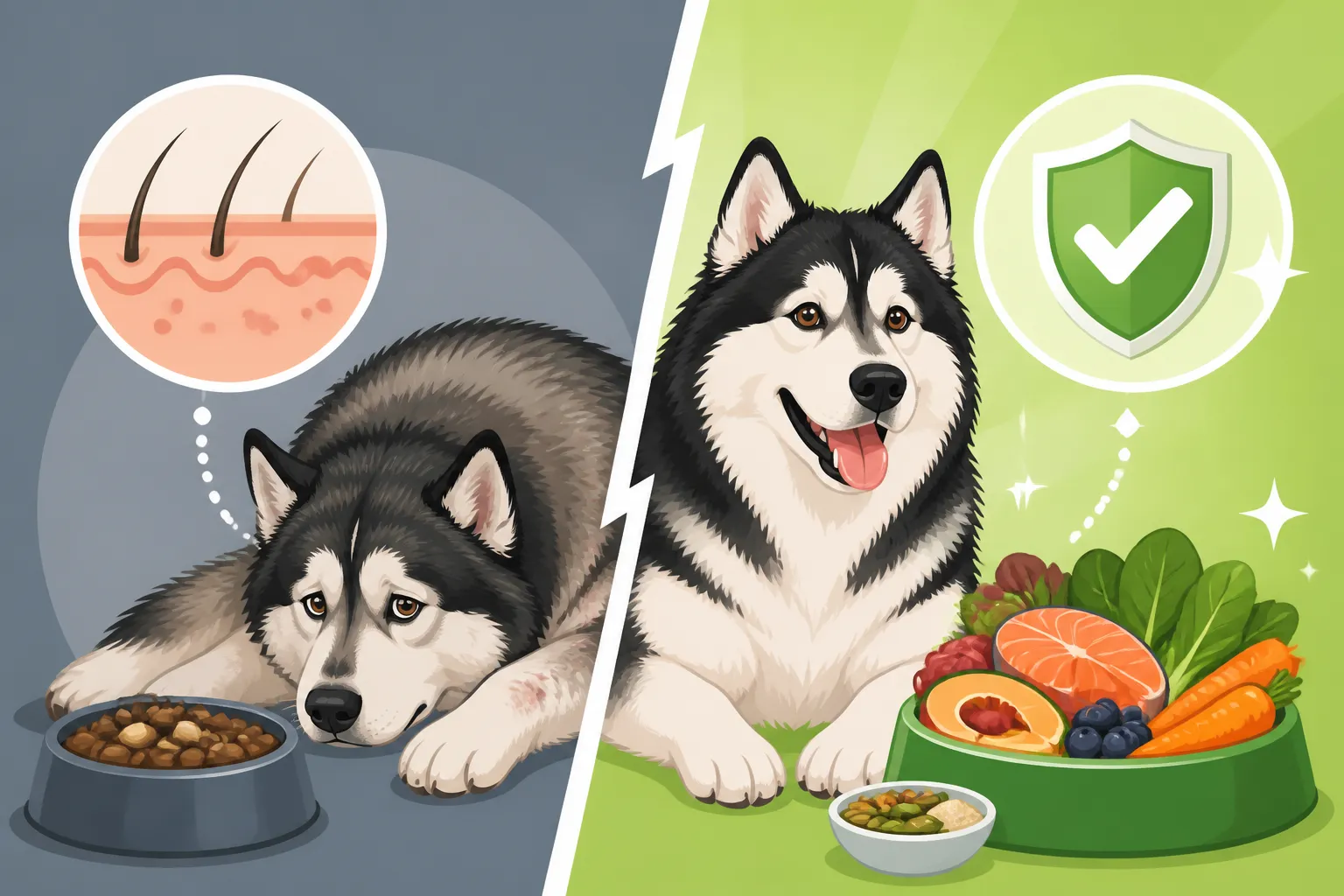
As the condition advances, you'll usually observe crusty lesions, hair loss, and thickened skin. These lesions commonly appear in areas of friction or pressure, or where skin folds are present. The most common spots where a Malamute's zinc lesions appear first include around the eyes, especially the delicate skin of the eyelids, the corners of the mouth, the chin, and on the hocks and elbows. Their paw pads might also become noticeably thickened, hard, and sometimes crack, making walking uncomfortable. These areas can look red, inflamed, and can even develop secondary bacterial or yeast infections, leading to a foul odor and further discomfort. If you've been diligently changing foods and still seeing these symptoms, it's a strong indicator that something deeper, likely genetic, is at play. The discomfort and persistent nature of these skin problems can make you feel helpless, especially when your efforts to improve their diet don't seem to yield lasting results.
Why Just "Changing Food" Often Falls Short
It’s completely natural to assume that a skin issue points to a dietary problem, and to try switching foods. After all, nutrition plays a massive role in overall health, and many skin conditions can be linked to food sensitivities or nutritional imbalances. However, for a Malamute with a true genetic zinc malabsorption issue, simply swapping one brand of kibble for another, even a "better" one, often proves insufficient.
The Role of Dietary Inhibitors
Even when food contains ample zinc, certain dietary components can inadvertently block its absorption, exacerbating the problem for a genetically predisposed Malamute. For instance, phytates in grain block a Malamute's zinc absorption to some extent. While grain-free diets became very popular, and some believed they would automatically solve all zinc issues, the evidence is more nuanced. Many commercial pet foods, even those with grains, formulate to mitigate this, but it can still be a factor.
More significantly, high calcium food blocks a Malamute's zinc absorption. This is a big one to consider, especially if you're feeding a diet that is very high in calcium (sometimes found in certain large-breed puppy formulas or diets with excessive bone meal) or if you're adding calcium supplements without careful consideration. The balance between calcium and zinc is delicate, and too much calcium can literally prevent your Malamute from absorbing the zinc it desperately needs. This complex interplay of nutrients means that even a well-intentioned food change might not address the root cause if the new food still contains these inhibiting factors or if the underlying genetic issue is strong enough to overcome even an ideal dietary profile.
When a Diet Change Might Seem to Help (Temporarily or Partially)
Now, it's not to say that changing food never has an impact. Sometimes, a diet change might seem to offer some temporary relief or a slight improvement, which can be both encouraging and confusing. If your Malamute was on a particularly low-quality food that was genuinely deficient in a range of nutrients, including zinc, simply switching to a higher-quality, more nutrient-dense diet could, of course, bring some general health improvements. This might include a marginal increase in zinc availability, which could slightly reduce the severity of symptoms.
However, for a Malamute with a true genetic malabsorption, these improvements are often fleeting or incomplete. The core problem of their body’s inability to properly absorb and utilize the zinc remains. You might find a slight reduction in flakiness, or the crusts might not be quite as severe, leading you to believe you're on the right track. But without directly addressing the malabsorption through other means, the underlying issue persists, and the symptoms will likely return or plateau at an uncomfortable level. It’s like trying to fill a bucket with a hole in the bottom – you might pour in more water, but without plugging the hole, it’s a constant battle. This is why relying solely on food changes for a Malamute’s zinc deficiency can be a frustrating merry-go-round for owners and often means prolonged discomfort for the dog. Even with a fantastic pet insurance provider like Healthy Paws, which can help cover veterinary costs, the goal is always to find the most effective solution, not just endlessly try different foods.
The Actual Solution: Targeted Zinc Supplementation and Veterinary Care
Given the genetic component of zinc responsive dermatosis in Alaskan Malamutes, the most effective and often necessary solution isn't just a diet change, but rather targeted zinc supplementation under veterinary guidance. This approach directly addresses the absorption issue and provides the body with a more readily available form of zinc that it can actually use.
The Necessity of Supplementation
For most Malamutes suffering from Zinc Responsive Dermatosis, supplementation is not just helpful, it's absolutely essential. Their bodies simply can't extract enough zinc from even the best kibble to meet their needs. This means providing an additional source of zinc directly. There are different forms of zinc available, and the choice often depends on bioavailability and individual response. Many veterinarians recommend organic forms of zinc, such as zinc methionine, which is often considered more easily absorbed than inorganic forms like zinc sulfate. Your vet will determine which zinc supplement suits a Malamute best for your specific dog.
It is critical to stress that this supplementation must be done under strict veterinary supervision. Giving too much zinc can lead to serious health problems, as too much zinc harms a Malamute. Zinc toxicity can cause vomiting, diarrhea, anemia, and even liver or kidney damage. Therefore, getting the correct dosage, which is often much higher than the standard daily allowance for dogs without malabsorption, is vital. A Malamute needs zinc for life once diagnosed, as it’s a management condition, not a cure. The good news is that with proper supplementation, symptoms often improve dramatically, transforming a distressed dog back into a comfortable, happy companion. This is a long-term commitment, but one that yields profound benefits for your Malamute's quality of life. Understanding how a Malamute's zinc deficiency is treated involves a comprehensive strategy, not just a quick fix.
Partnering with Your Veterinarian
Your veterinarian is your most important ally in diagnosing and managing zinc deficiency in your Alaskan Malamute. If you suspect your Malamute has Zinc Responsive Dermatosis, the first step is always a visit to the vet. They will perform a thorough examination and likely recommend diagnostic tests. This might include a skin biopsy, which can help differentiate zinc deficiency from other skin conditions that present similarly, such as allergies or infections. While blood tests can sometimes indicate low zinc, they aren't always definitive for diagnosing malabsorption, as circulating zinc levels don't always reflect cellular uptake. Therefore, a clinical response to supplementation is often a strong diagnostic indicator.
Once a diagnosis is made, your vet will work with you to establish the correct supplementation protocol. This involves prescribing the appropriate form and dosage of zinc, and guiding you on how to administer it. Regular follow-up appointments will be necessary to monitor your Malamute's progress, adjust dosages as needed, and address any secondary skin infections that may have developed. If you're wondering whether a Malamute's zinc should be blood tested, your vet can advise on the utility and timing of such tests, recognizing their limitations. They can also discuss proactive measures, like feeding strategies that minimize dietary inhibitors, to complement the supplementation. Investing in pet insurance, such as through Healthy Paws, can be incredibly beneficial here, as it can help cover the costs of these crucial diagnostic tests, consultations, and ongoing medication, making it easier for you to provide the best possible care without financial strain.
Long-Term Management and Breeding Considerations
Managing Zinc Responsive Dermatosis in an Alaskan Malamute is a marathon, not a sprint. It’s about establishing a consistent, lifelong routine that keeps their skin healthy and their zinc levels optimal. Beyond the individual dog, there are also significant considerations for the breed as a whole, particularly regarding responsible breeding practices.
Lifelong Dietary and Supplementation Strategies
Once your Malamute is diagnosed with Zinc Responsive Dermatosis and has begun a supplementation regimen, consistency is key. This condition requires lifelong management, meaning your Malamute will likely need zinc supplements every single day for the rest of their lives. It's not a temporary fix until their skin clears up; it's an ongoing process to prevent recurrence. You'll need to be vigilant about administering the supplements as prescribed by your veterinarian and keeping a close eye on your Malamute's skin and coat. Regular monitoring for any return of flakiness, crusts, or hair loss will help you and your vet determine if the dosage needs adjustment.
While supplementation is paramount, you can also support your Malamute through thoughtful dietary choices. Although changing food alone won't fix the genetic issue, selecting a high-quality diet that is not excessively high in calcium or packed with phytates can help reduce the load on their already challenged absorption system. Your vet can provide guidance on suitable food choices that complement their zinc supplements. Remember, the goal is to minimize anything that might further impede zinc uptake, making the supplements more effective.
Responsible Breeding Practices
Because Zinc Responsive Dermatosis is recognized as an inherited condition in Alaskan Malamutes, responsible breeding practices are absolutely critical to reducing its prevalence. It's a heartbreaking condition for both dogs and owners, and preventing its transmission to future generations is a paramount ethical responsibility for breeders. Dogs diagnosed with Zinc Responsive Dermatosis should never be used for breeding. This includes both the affected individuals and, ideally, their close relatives (parents, siblings) if they are known carriers or have produced affected offspring.
Breeders committed to the health of the Alaskan Malamute should prioritize genetic health screening and transparency. They should be able to provide clear health clearances for the breeding pair, demonstrating that they are not affected by known inherited conditions, including, if a reliable genetic test becomes available, for zinc malabsorption. Currently, diagnosis often relies on clinical signs and response to treatment, but breeders can still make informed choices based on the health history of their lines. By carefully selecting breeding stock and focusing on robust health, breeders play a vital role in ensuring that future generations of Alaskan Malamutes are as healthy and free from preventable genetic diseases as possible. This commitment helps safeguard the breed's future and reduces the suffering of countless dogs and their families.
Here's a comparison of common approaches to a Malamute's zinc deficiency:
| Feature | Dietary Adjustments Alone | Targeted Zinc Supplementation (with Vet Guidance) |
|---|---|---|
| Effectiveness | Rarely a complete solution for genetic malabsorption. | Highly effective in managing symptoms and restoring skin health. |
| Speed of Improvement | Slow, often incomplete, or temporary. | Usually noticeable improvement within weeks. |
| Cost | Can be expensive with frequent food changes. | Cost of supplements and vet visits (potentially covered by insurance like Healthy Paws). |
| Long-Term Outlook | Symptoms likely persist or recur, leading to chronic discomfort. | Lifelong management, but with good quality of life. |
| Underlying Cause Addressed | Only if the original diet was genuinely zinc-deficient; not genetic malabsorption. | Directly addresses the malabsorption, bypassing the genetic issue. |
| Veterinary Involvement | Often sought after multiple food changes fail. | Essential for diagnosis, dosing, and ongoing monitoring. |
Disclaimer
The information provided in this article is for educational and informational purposes only and does not constitute veterinary advice. Always consult with a qualified veterinarian for any health concerns or before making any decisions about your pet's health or treatment.