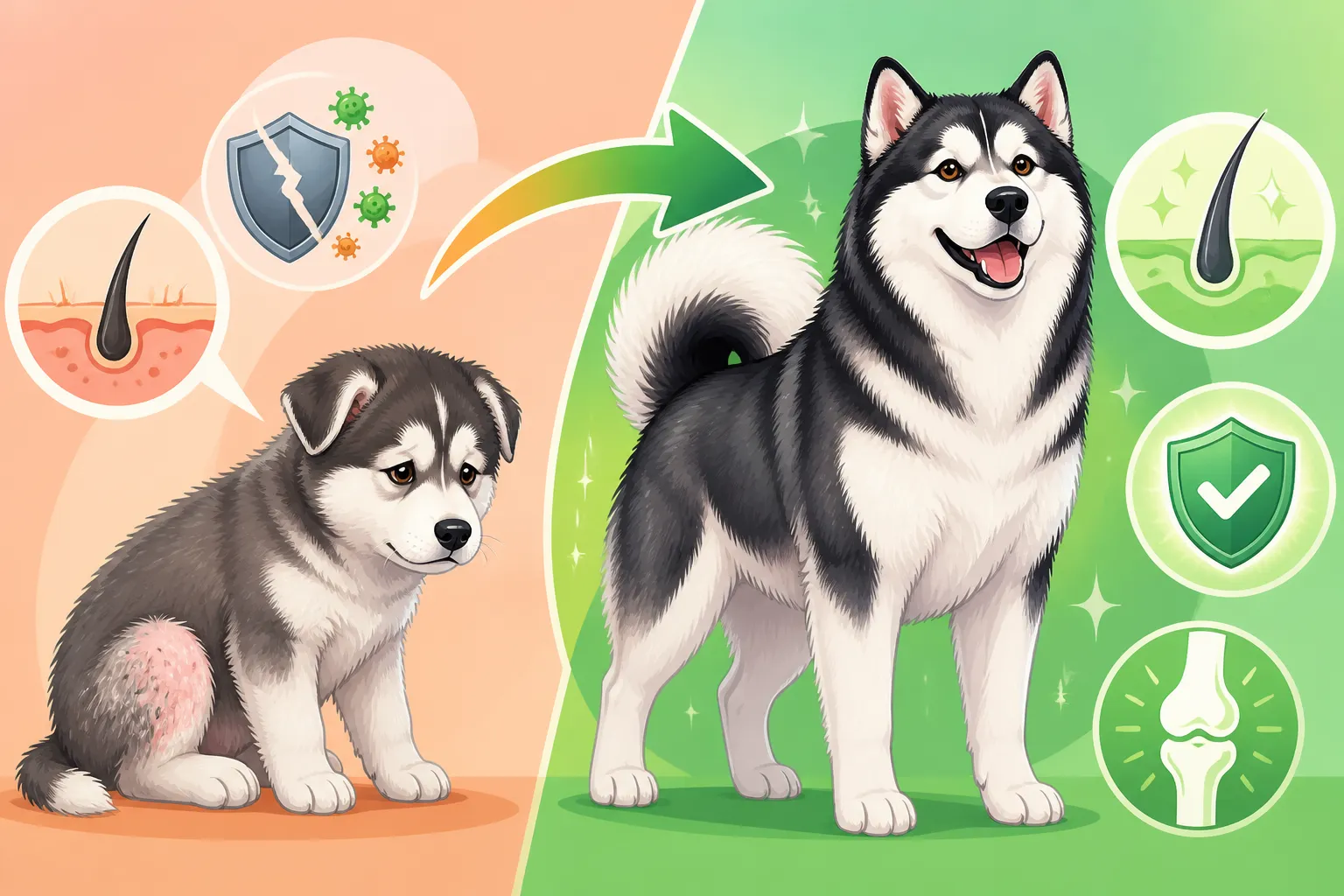
Whether a Puppy Malamute Outgrows Zinc Deficiency
It's heartbreaking to see your fluffy Malamute puppy struggling with skin issues, lethargy, or a lack of appetite, and a natural question that pops into every owner's mind is, "Will they just outgrow this?" Especially when it comes to something as specific as zinc deficiency, there's often a hope that puppyhood ailments are just a temporary phase. This guide will meticulously unravel the truth about zinc deficiency in Alaskan Malamute puppies, shedding light on its persistent nature and how to effectively manage it for their entire lives.
Understanding Zinc Deficiency in Alaskan Malamute Puppies
When you first bring home an Alaskan Malamute puppy, you're envisioning a robust, playful companion. So, discovering they might have a zinc deficiency can be quite alarming. It's crucial to understand that this isn't just a simple dietary oversight in most Malamutes; it's often rooted much deeper, right in their genetic makeup.
The Genetic Predisposition
Unlike other breeds where zinc deficiency might solely stem from a poor diet, the Alaskan Malamute is special, and unfortunately, particularly susceptible to a condition called Zinc Responsive Dermatosis (ZRD). This isn't because they don't get enough zinc in their food, but rather because their bodies have trouble absorbing and utilizing it properly. It's an inherited metabolic disorder. Imagine eating a perfect meal packed with all the good stuff, but your stomach just can't quite pull out one essential nutrient effectively. That's often what's happening with a Malamute and zinc. This genetic quirk means that even on a high-quality kibble designed for puppies, they can still exhibit signs of deficiency. It's a key reason why simply upgrading their food might not be the magic bullet you hope for. This unique challenge truly sets them apart, and it’s why understanding this predisposition is the first step in providing effective care.
Early Signs and Symptoms
Spotting zinc deficiency early in a Malamute puppy can make a world of difference. The signs often start subtle, making them easy to dismiss at first glance, especially if you're not familiar with the specific quirks of the breed. You might notice their coat losing some of its luster, perhaps becoming a bit dry or brittle. Then, things tend to progress to skin lesions. These aren't just random scratches; they're often distinctive, appearing as crusty, scaly patches, especially around the eyes, mouth, chin, and sometimes even the ear flaps. Some owners describe it as looking like their puppy has chapped lips that just won't heal, or little scabs forming on their face. You might also see thickening of the paw pads, which can become uncomfortable. Beyond the skin, a zinc-deficient puppy might seem generally unwell – perhaps a bit lethargic, showing a reduced appetite, or even having some digestive upset. They might not have the same boisterous energy you expect from a growing Malamute. Ignoring these early warnings can lead to more severe discomfort and secondary infections down the line, so if you see even mild crusting or dullness in your puppy’s coat, especially around the face, it's time to talk to your vet. You might find it helpful to compare what you're seeing to images of What Zinc Responsive Dermatosis Looks Like on a Malamute.
Why Diet Alone Isn't Always the Answer
When a puppy isn't thriving, our first instinct as pet parents is often to scrutinize their diet. Are they getting the right food? Is it premium enough? For a Malamute with zinc deficiency, while a balanced, high-quality diet is always important, simply changing foods or adding a generic multivitamin often isn't enough to solve the core problem. Because the issue is with absorption rather than just intake, pouring more zinc into their food without addressing the underlying malabsorption is like trying to fill a leaky bucket without patching the hole.
Some foods, particularly those high in phytates (found in grains) or calcium, can even further inhibit zinc absorption, ironically making the problem worse if not managed correctly. This is why a vet-prescribed, bioavailable zinc supplement is typically required. It bypasses the dietary zinc absorption issues, delivering the nutrient in a form the body can actually use. So, while you should certainly be feeding a high-quality, appropriate diet, don't fall into the trap of thinking a different brand of kibble will magically resolve a hereditary zinc deficiency. It simply won't. This condition highlights that Zinc Is the Thread Running Through Three Malamute Diseases, often pointing to a systemic issue rather than just a simple nutritional gap.
The Reality: Can a Puppy Outgrow Zinc Deficiency?
This is the big question, isn't it? The hopeful one we all ask when facing a chronic condition in our young pets. For many puppy ailments, there's indeed a phase they grow out of. But when it comes to zinc deficiency in Alaskan Malamutes, the answer is a bit more complex, and often, less optimistic than we'd wish for.
The Misconception vs. Medical Fact
Let's address this head-on: generally, a Malamute puppy with a true, genetically-linked zinc deficiency does not outgrow it. This isn't like a puppy coat blowing out or a clumsy phase they eventually mature past. Because the problem is often rooted in their genetic inability to properly absorb zinc, that underlying metabolic issue tends to persist throughout their lives. It's not a developmental stage; it's a physiological characteristic of their breed, inherited from their parents.
The misconception that they'll outgrow it often comes from seeing initial improvement with treatment, leading owners to believe the "problem" has gone away. However, that improvement is a direct result of the intervention (zinc supplementation), not a natural maturation process. If treatment is stopped, the symptoms almost invariably return. Understanding this distinction is vital for long-term health and management. It's a fact that sometimes feels harsh, but knowing it empowers you to be proactive.
Lifelong Management, Not a Phase
Given the genetic basis for zinc malabsorption in many Alaskan Malamutes, zinc deficiency is typically a lifelong condition requiring ongoing management. Think of it like a human with a chronic condition like diabetes; it's not cured, but it's managed with medication and lifestyle adjustments. For your Malamute, this means consistent, vet-prescribed zinc supplementation will likely be a permanent part of their routine.
The good news is that with proper management, these dogs can lead full, happy, and symptom-free lives. The goal isn't to "cure" it, but to effectively control the symptoms by providing the body with the zinc it needs in an absorbable form. This consistent approach prevents the uncomfortable skin lesions, infections, and general malaise that come with untreated deficiency. It truly becomes part of their daily care, just like their food and exercise. It's an investment in their long-term well-being, acknowledging that Whether a Malamute Needs Zinc for Life is often answered with a resounding "yes."
The Importance of Early Diagnosis and Intervention
If your Malamute puppy shows any of the signs of zinc deficiency, getting a diagnosis and starting treatment quickly is paramount. Early intervention not only alleviates your puppy's discomfort faster but also prevents secondary complications. Untreated skin lesions can become infected, leading to pain, itching, and the need for antibiotics or other dermatological treatments. Chronic inflammation can also damage the skin long-term.
Furthermore, zinc is crucial for more than just healthy skin. It plays a vital role in immune function, growth, and overall cellular health. A prolonged deficiency can impact a puppy's development and their ability to fight off other illnesses. By catching it early and working with your veterinarian, you can get ahead of these problems, ensure your puppy develops as healthily as possible, and establish a routine that keeps them comfortable and thriving. Don't delay; a proactive approach is always the best defense.
Managing Zinc Deficiency in Young Malamutes
Successfully managing zinc deficiency in your Alaskan Malamute puppy involves a combination of specialized supplementation, careful dietary choices, and consistent veterinary oversight. It’s a partnership between you and your vet to ensure your furry friend gets everything they need.
Tailored Supplementation and Monitoring
This is the cornerstone of managing zinc deficiency in Malamutes. Your veterinarian will typically prescribe a specific form of zinc, often zinc methionine or zinc sulfate, which is more readily absorbed than the zinc found in many commercial dog foods. The dosage is incredibly important and will be tailored to your puppy's individual needs, weight, and the severity of their symptoms. It's not a "one size fits all" situation, and attempting to self-medicate with over-the-counter supplements is highly discouraged, as Whether Too Much Zinc Harms a Malamute is a very real concern. Excessive zinc can be toxic, leading to severe health issues.
Once supplementation begins, you'll likely see improvements in their skin and coat within a few weeks. However, monitoring doesn't stop there. Your vet will want to schedule follow-up appointments to assess their progress, potentially adjust the dosage, and even conduct blood tests to check zinc levels. This ongoing monitoring ensures your puppy is receiving the optimal amount, preventing both deficiency and toxicity. It's a dynamic process that requires patience and adherence to veterinary advice.
Dietary Considerations Beyond Supplementation
While direct zinc supplementation is critical, your puppy's diet still plays a supportive role. As mentioned, certain ingredients can interfere with zinc absorption. Foods high in phytates, often found in plant-based ingredients like soy or corn, or those excessively high in calcium, can bind with zinc in the gut, making it even harder for your Malamute to absorb what little they might be able to.
Working with your vet or a veterinary nutritionist to select a diet that complements their supplementation can be beneficial. Look for foods with balanced calcium-to-phosphorus ratios and consider options with lower grain content if recommended. The goal isn't necessarily a "zinc-rich" diet, but one that doesn't actively hinder the absorption of the supplemental zinc your puppy is receiving. Sometimes, even Whether Changing Food Fixes a Malamute's Zinc Deficiency needs to be evaluated not for its zinc content, but for its potential to improve the bioavailability of supplemented zinc.
The Role of Regular Vet Check-ups
Regular veterinary check-ups are non-negotiable for a Malamute puppy with zinc deficiency. These aren't just for dosage adjustments; they're comprehensive evaluations of your puppy's overall health, skin condition, and any potential secondary infections that might arise. Your vet can spot subtle changes you might miss, ensure their growth and development are on track, and address any new concerns promptly.
This ongoing relationship with your vet is a critical part of lifelong care. They are your primary resource for managing this condition, providing expert advice, and adapting the treatment plan as your Malamute grows and ages. Think of these visits as proactive maintenance, ensuring your Malamute stays healthy and comfortable. This proactive care might also lead to discussions about costs, and thankfully, pet insurance providers like Healthy Paws can help cover unexpected vet bills related to chronic conditions, making consistent care more accessible.
Long-Term Outlook and Preventing Complications
Understanding that zinc deficiency is likely a lifelong companion for your Malamute puppy can feel daunting, but it doesn't have to define their future. With diligent care, your dog can absolutely thrive.
Potential Issues if Left Untreated
The consequences of leaving a genetically predisposed Malamute puppy's zinc deficiency untreated can be severe and far-reaching. Beyond the initial uncomfortable skin lesions and coat problems, chronic deficiency can lead to significant pain, itching, and recurrent bacterial or yeast infections in the skin. These infections often require rounds of antibiotics or antifungals, adding to discomfort and veterinary bills.
Furthermore, zinc is vital for a robust immune system. A perpetually zinc-deficient Malamute is often more susceptible to other illnesses, as their body struggles to mount an effective immune response. Growth can be stunted, and their overall vitality can be significantly reduced. In severe, prolonged cases, it can even affect their gastrointestinal tract, leading to chronic digestive issues. This isn't just about aesthetics; it's about core health and preventing a cascade of secondary problems that can severely diminish your Malamute's quality of life. Knowing How a Malamute's Zinc Deficiency Is Treated comprehensively can prevent these issues.
Quality of Life with Proper Care
Here’s the truly encouraging news: with consistent, appropriate zinc supplementation and veterinary oversight, an Alaskan Malamute with zinc deficiency can live a perfectly normal, high-quality life. Once the correct dosage is established and maintained, the skin lesions typically clear up, the coat regains its shine, and their energy levels return to that of a typical playful Malamute.
You won't constantly be battling skin flare-ups or worrying about their discomfort. They can enjoy all the activities a Malamute loves – pulling, hiking, playing in the snow – without their health being compromised by this condition. The key is adherence to the treatment plan and regular check-ins with your vet. It's a testament to modern veterinary medicine that a condition that could once be debilitating is now highly manageable, allowing these wonderful dogs to flourish right into their senior years, ensuring you'll be Caring for an Alaskan Malamute Past Eight with vigor and health.
Financial Planning for Lifelong Care
While managing zinc deficiency isn't an insurmountable task, it's realistic to acknowledge the financial commitment involved. Lifelong supplementation means ongoing costs for the medication itself, plus regular veterinary appointments for monitoring and potential blood work. These expenses can add up over a Malamute's lifespan.
It's wise to budget for these anticipated costs. Many owners find that pet insurance can be a valuable tool in managing chronic conditions. For example, some plans from providers like Healthy Paws can help cover a significant portion of prescription medications, specialist consultations, and diagnostic tests associated with long-term conditions like zinc responsive dermatosis, especially if you enroll your puppy before any symptoms appear. Planning ahead financially ensures you can consistently provide the best possible care without added stress, confirming that What Zinc Supplementation Costs Over a Malamute's Life is a manageable expense with forethought.
Disclaimer
The information provided in this article is for educational purposes only and is not a substitute for professional veterinary advice. Always consult with a qualified veterinarian for any health concerns or before making any decisions about your pet's medical care.