Whether a Malamute Is Sensitive to Anesthesia
It’s a moment every Alaskan Malamute owner dreads: the vet tells you your beloved fluff-ball needs a procedure requiring anesthesia. Immediately, your mind races. You’ve heard whispers, perhaps read forums, and now you’re wondering, "Is my Malamute more sensitive to anesthesia than other dogs?" This isn't just a fleeting worry; it's a genuine concern rooted in anecdotal evidence and some physiological realities unique to this magnificent breed. This guide is here to unravel those worries, explaining what you need to know to ensure your Malamute’s safety and comfort during any anesthetic event.
Understanding the Malamute's Unique Physiology and Anesthesia Concerns
The idea that certain breeds react differently to anesthesia isn't a myth. While individual responses always vary, some breeds do have physiological quirks that require extra attention from veterinary teams. For Alaskan Malamutes, their ancient lineage and specialized build, designed for endurance in harsh arctic conditions, contribute to these considerations.
Metabolism and Body Composition Affecting Drug Processing
Alaskan Malamutes are known for their incredibly efficient metabolisms. They were bred to subsist on lean rations and conserve energy, transforming minimal intake into powerful, sustained output. This metabolic efficiency can sometimes influence how quickly they process and eliminate anesthetic drugs. If a standard dose for a dog of their size is administered, it might linger in their system longer, potentially leading to a more prolonged or deeper recovery than anticipated.
Furthermore, their thick, dense coats, while perfect for insulation, can mask underlying conditions or make it harder to assess their body condition accurately by touch alone. A Malamute might appear robust and well-muscled, but their metabolism and fat distribution can still influence drug absorption and elimination. It’s not just about weight; it’s about how that weight is composed and how their body works internally. This is why a thorough examination, not just a glance, is so crucial before any sedative is given.
Respiratory System and Airway Management
While not a brachycephalic (short-nosed) breed like a Bulldog or Pug, Malamutes often have broad muzzles and strong necks. When they are relaxed or under sedation, the muscles in their throat can become very lax, potentially leading to airway obstruction. Their deep chests and powerful respiratory systems are fantastic for pulling sleds, but under anesthesia, monitoring breathing becomes paramount.
Veterinarians need to be particularly vigilant in ensuring a clear airway throughout the procedure, often requiring an appropriately sized endotracheal tube to secure the airway. Post-procedure, as they begin to wake up, careful monitoring of their breathing until they are fully conscious and able to maintain their own airway is non-negotiable. The goal is to prevent any compromise to their oxygen intake, which is critical for brain and organ function during recovery.
Genetic Predispositions and Anesthetic Risk
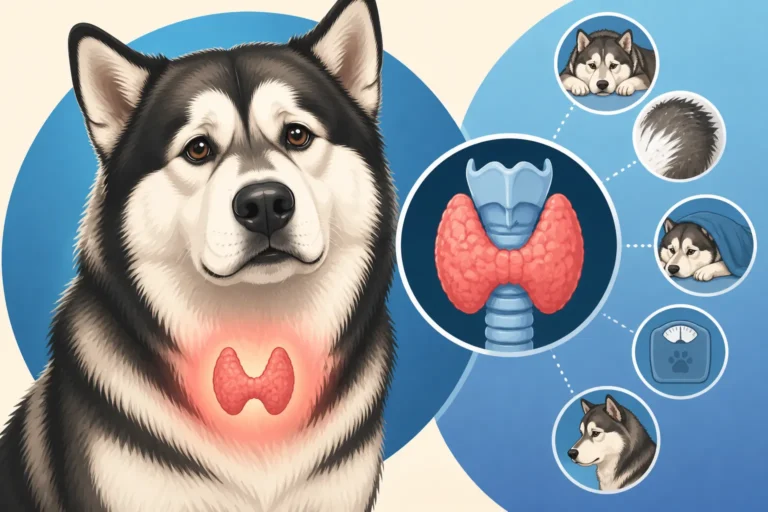
While there isn't a direct genetic link that makes Malamutes universally "anesthesia sensitive" in the same way some sight hounds are sensitive to certain barbiturates, general health predispositions common in the breed can certainly increase anesthetic risk if not managed. For instance, hypothyroidism is a condition that can affect Malamutes, and an underactive thyroid can impact metabolism, heart rate, and body temperature regulation—all crucial factors during anesthesia. If a Malamute has undiagnosed or poorly managed hypothyroidism, their response to anesthetic drugs could be atypical.
It’s not necessarily an increased sensitivity to the drugs themselves, but rather how an underlying health condition might interact with them. This is precisely why comprehensive pre-anesthetic screening is so vital. It’s about creating a full picture of your dog’s health, not just assuming they're "fine." Taking proactive steps, like regular check-ups that include bloodwork, can help catch these issues before they become an emergency. For example, understanding Whether a Malamute Needs Yearly Thyroid Bloodwork can be a game-changer in managing their overall health, including preparing for anesthesia.
Essential Pre-Anesthetic Screening and Veterinary Communication
The cornerstone of a safe anesthetic experience for any dog, especially a Malamute, lies in meticulous preparation and open, honest communication with your veterinary team. You are your dog's most ardent advocate, and working together with your vet creates the safest environment possible.
Comprehensive Pre-Anesthetic Workup
Before your Malamute ever gets close to an anesthetic agent, a thorough pre-anesthetic workup is absolutely essential. This isn't just a formality; it's a detective mission to uncover any hidden risks. This usually involves:
- Complete Blood Count (CBC): This checks red and white blood cell levels, helping to detect anemia, infection, or inflammation. Anemia, for instance, could reduce oxygen-carrying capacity, increasing risk.
- Blood Chemistry Panel: This assesses organ function, particularly the liver and kidneys, which are responsible for processing and eliminating anesthetic drugs. If these organs aren't functioning optimally, drug dosages might need to be adjusted, or alternative medications chosen. It also checks blood sugar and electrolyte levels.
- Urinalysis: Provides further insight into kidney function and can detect urinary tract infections or other kidney issues.
- Thyroid Testing: Given the breed's predisposition, a full thyroid panel is highly recommended. As discussed earlier, an underactive thyroid can profoundly impact anesthetic metabolism and recovery.
- Electrocardiogram (ECG) or Chest X-rays: For older Malamutes, or those with known heart murmurs or respiratory issues, these tests provide vital information about heart and lung health. An abnormal heart rhythm or compromised lung capacity would significantly alter the anesthetic plan. Caring for an Alaskan Malamute Past Eight often means being extra diligent about these screenings.
This battery of tests helps your vet tailor an anesthetic plan that is as safe as possible for your individual Malamute. It's about proactive risk mitigation, giving your veterinary team the data they need to make informed decisions.
Open Dialogue with Your Veterinarian
Never underestimate the power of your observations and concerns. You know your Malamute best. Before any procedure, sit down with your vet and openly discuss everything on your mind.
- Previous Anesthetic Experiences: Have they had anesthesia before? How did they react? Were there any complications or unusual recoveries? Even seemingly minor details can be important.
- Behavioral Traits: Is your Malamute generally anxious or calm? Do they have a strong prey drive that might make them more reactive post-op? Their temperament can influence sedative choices.
- Known Health Issues or Medications: Even if not directly related to the current procedure, disclose all existing health conditions and medications, including supplements.
- Your Concerns: Don't hesitate to voice your specific worries about anesthesia sensitivity. A good vet will take your concerns seriously and explain their protocols in detail, alleviating anxiety. They understand that owning a Malamute comes with its own set of unique considerations.
This collaborative approach ensures that your vet has all the puzzle pieces to create the most personalized and safest anesthetic plan for your Malamute. It also builds trust, which is invaluable during stressful times.
Fasting Protocols: A Crucial Step
Proper fasting before anesthesia is non-negotiable for all dogs, but especially for large breeds like Malamutes. The primary reason is to prevent aspiration pneumonia, a life-threatening condition where stomach contents are regurgitated and inhaled into the lungs during anesthesia. When a dog is under anesthetic, their gag reflex is suppressed, making them vulnerable.
Your vet will give you specific instructions on when to stop food and water. Typically, it’s 8-12 hours for food and a few hours for water before the procedure. It’s hard to deny your hungry Malamute their breakfast, but this simple step is one of the most effective ways to reduce a significant anesthetic risk. Stick to these instructions rigorously; even a small amount of food can cause problems.
Modern Anesthesia Protocols and Vigilant Monitoring for Malamutes
Veterinary anesthesia has come a long way, and modern practices are designed to be incredibly safe, even for breeds with specific needs like the Alaskan Malamute. It's not just about putting them to sleep; it's about a carefully managed process from start to finish.
Tailored Anesthesia Plans and Multi-Modal Pain Management
Gone are the days of a "one-size-fits-all" approach to anesthesia. Today, veterinarians create highly individualized plans for each patient. For your Malamute, this means:
- Drug Choice: Your vet will select specific anesthetic agents based on your dog's age, health status, and the type of procedure. They’ll aim for drugs that are metabolized safely and have minimal side effects. For example, some drugs might be avoided if liver or kidney function is compromised, or if the dog has a history of sensitivity.
- Dosage Adjustments: Based on the pre-anesthetic workup and your Malamute's efficient metabolism, dosages will be carefully calculated and often adjusted in real-time during the procedure. The goal is to use the lowest effective dose to maintain a safe depth of anesthesia.
- Multi-Modal Pain Management: Anesthesia isn't just about putting a dog to sleep; it's also about preventing and managing pain. Modern protocols often involve a combination of different pain medications (analgesics) given before, during, and after surgery. This "multi-modal" approach not only provides superior pain relief but can also reduce the overall amount of anesthetic gas needed, contributing to a smoother recovery. This comprehensive approach is part of What an Alaskan Malamute Needs Every Day for optimal health.
Advanced Monitoring During the Procedure
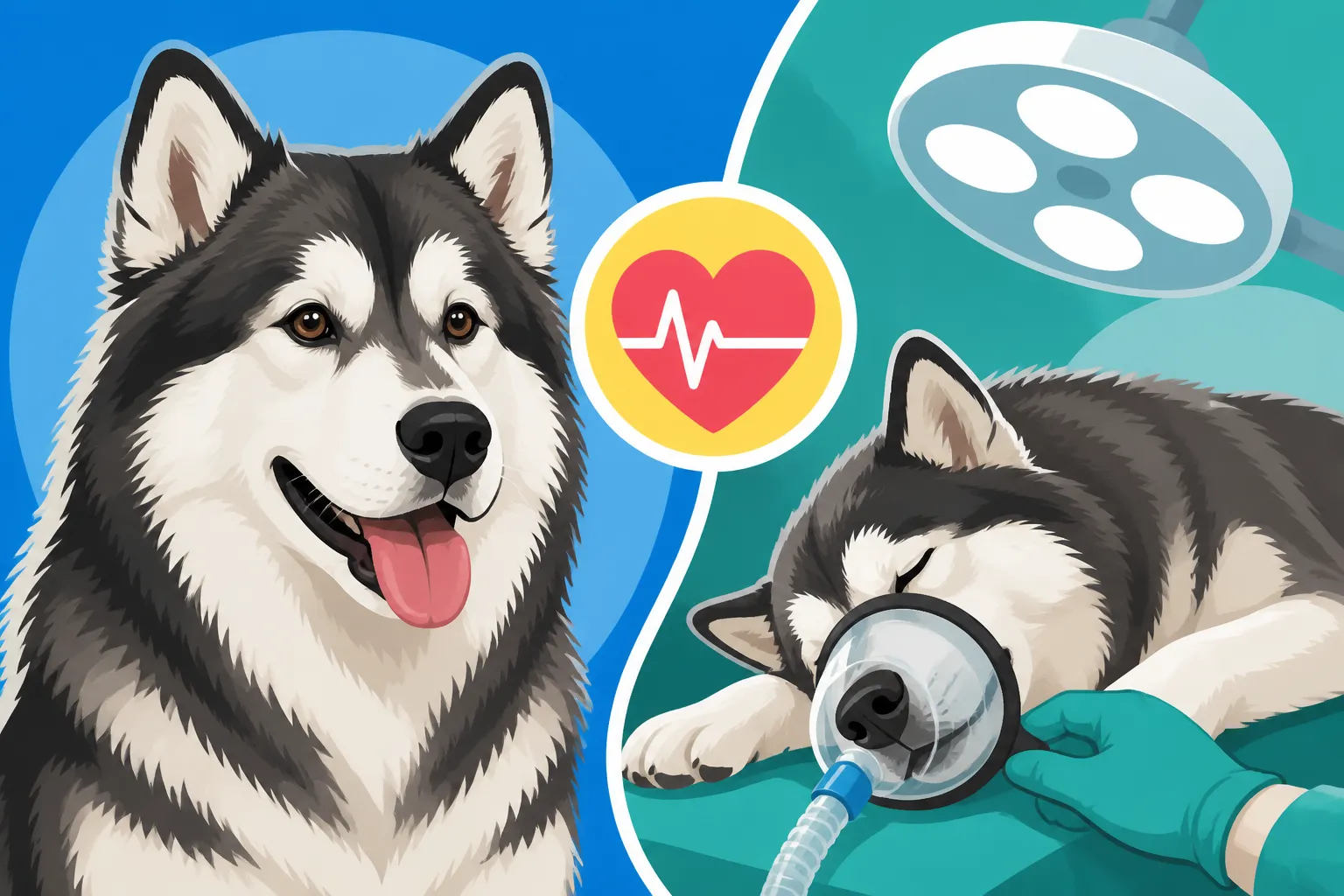
During anesthesia, your Malamute will be under constant, vigilant supervision by a dedicated veterinary nurse or technician. They will be using sophisticated equipment to monitor several vital parameters:
- Heart Rate and Rhythm (ECG): Ensures the heart is beating at a healthy rate and rhythm.
- Respiratory Rate and End-Tidal CO2: Monitors how effectively your Malamute is breathing and exchanging carbon dioxide.
- Blood Pressure: Crucial for ensuring adequate blood flow to vital organs.
- Oxygen Saturation (Pulse Oximetry): Measures the amount of oxygen in the blood, ensuring they are well-oxygenated.
- Body Temperature: Malamutes can be prone to overheating due to their dense coats, but like any anesthetized animal, they can also experience hypothermia. Maintaining a stable body temperature is vital for recovery and preventing complications. Warmed blankets, heating pads, and IV fluid warmers are commonly used.
This continuous monitoring allows the veterinary team to react instantly to any changes, adjusting anesthetic depth, fluid rates, or temperature support as needed. It’s a dynamic process, and skilled monitoring is what truly makes modern anesthesia safe.
Temperature Management: A Key Consideration
For Alaskan Malamutes, temperature management is particularly critical during and after anesthesia. Their magnificent double coat, designed for extreme cold, can actually become a liability in a warm surgical suite or recovery area. Overheating is a real risk.
The veterinary team will employ strategies to prevent this, such as using cooling mats, avoiding excessive blankets, and ensuring good air circulation. Conversely, once they are waking up, especially if they've been on a cold operating table, they can also get chilly. The challenge is finding that perfect balance to keep their body temperature stable. Your vet will communicate this nuanced approach, especially if your Malamute is getting older or is a senior, which is another time when extra precautions are often necessary. The Age an Alaskan Malamute Counts as a Senior will often lead to a more cautious anesthetic plan.
Navigating Post-Anesthesia Recovery and Potential Complications
The moment your Malamute starts to stir after anesthesia can be both a relief and a new source of worry. Knowing what to expect during recovery, both at the clinic and at home, empowers you to provide the best possible care and recognize when something might be amiss.
Immediate Post-Op Care at the Clinic
As your Malamute begins to emerge from anesthesia, the veterinary team will continue close monitoring. They'll ensure your dog is kept warm, comfortable, and has a clear airway. It's completely normal for Malamutes, like any dog, to be a bit groggy, disoriented, or even shiver as they recover. Some might vocalize, whimpering or even howling softly as the drugs wear off and they regain awareness. This isn't necessarily pain but often just confusion.
The team will also be managing any post-operative pain with appropriate medications. They'll assess their pain levels regularly, making sure they are as comfortable as possible. Depending on the procedure, they might have an IV catheter in place for fluids or medications, which will be removed when they are stable enough to go home. The goal is a smooth, gradual return to full consciousness.
At-Home Recovery and Monitoring
When your Malamute comes home, they’ll still be feeling the lingering effects of the anesthesia. Here’s what you can generally expect and how to help them:
- Quiet and Calm Environment: Set up a comfortable, quiet, and warm (but not hot!) space away from household hustle and bustle.
- Limited Activity: Rest is paramount. Prevent jumping, running, or excessive stair climbing. Keep them on a leash for potty breaks. This is crucial for healing, whether it's a minor procedure or something more involved like managing Hip Dysplasia in an Alaskan Malamute.
- Food and Water: Your vet will provide specific instructions. Often, a small amount of water is offered first, followed by a small, bland meal a few hours later, if they don't seem nauseous. Don't force them to eat or drink.
- Medication Schedule: Adhere strictly to any prescribed pain medications or antibiotics. Missing doses can hinder recovery or lead to complications.
- Watch for Red Flags: Keep a close eye on your Malamute. While some grogginess is normal, contact your vet immediately if you observe:
- Excessive lethargy or unresponsiveness
- Persistent vomiting or diarrhea
- Difficulty breathing (rapid, shallow, or labored breathing)
- Pale gums
- Disorientation that doesn't improve
- Swelling or excessive discharge from the surgical site
- Inability to urinate or defecate
It’s important to remember that even with the best care, complications can arise. Knowing when to call your vet can make all the difference.
Addressing Concerns About Cost and Insurance
Anesthesia and surgical procedures, especially for a large breed like an Alaskan Malamute, can be a significant financial undertaking. From the pre-anesthetic bloodwork to the actual procedure, medications, and post-operative care, the costs can add up quickly. This is where preparing for the financial aspects of pet ownership becomes crucial. Many Malamute owners understand the importance of budgeting for veterinary care, or having robust pet insurance like Healthy Paws.
Pet insurance can be a real lifesaver, helping to cover a substantial portion of unexpected veterinary bills. When considering a policy, it’s always wise to understand the specifics, such as Whether an Insurer Excludes Malamute Inherited Disease or how much reimbursement you can expect for emergency procedures. Knowing What an Emergency Vet Visit Costs for a Malamute out-of-pocket can certainly encourage planning for these scenarios. While we all hope our Malamutes lead long, healthy lives, statistics suggest The Ten to Fourteen Years an Alaskan Malamute Lives will inevitably include some vet visits, and possibly, an anesthetic procedure or two. Being prepared financially allows you to make the best decisions for your dog’s health without undue stress about the bill.
| Pre-Anesthetic Test | Purpose | Malamute-Specific Consideration |
|---|---|---|
| General Parameters | ||
| Complete Blood Count (CBC) | Detect infection, anemia, inflammation. | Malamutes have very thick coats making physical assessment challenging; CBC is crucial to find hidden health issues. |
| Chemistry Panel | Evaluate major organ health (liver, kidneys). | Efficient Malamute metabolism means certain drugs need cautious dosing; chemistry panel confirms organs can process these. |
| Urinalysis | Assess kidney function, rule out UTIs. | Important alongside chemistry to provide a complete picture of kidney health and ability to excrete drugs. |
| Malamute-Specific Considerations | ||
| Thyroid Panel | Screen for hypothyroidism. | Hypothyroidism is common in Malamutes and significantly impacts metabolism, heart rate, and temperature regulation during anesthesia. Essential screening. |
| ECG / Chest X-rays | Evaluate heart and lung health. | Especially for older Malamutes or those showing any respiratory signs, assessing cardiac/pulmonary function is key for this hardy breed that can hide illness. |
| Anesthetic History Review | Discuss prior drug reactions. | Malamute owners often report anecdotal sensitivities; this dialogue provides vital clues for current drug selection. |
| Body Condition Assessment | Evaluate muscle mass and fat. | Malamutes' heavy coats can mask obesity or muscle wasting, requiring a hands-on exam and careful consideration for drug dosing. |
Disclaimer
The information provided in this guide is for general educational purposes only and should not be considered a substitute for professional veterinary advice. Always consult with your veterinarian regarding any health concerns, diagnoses, or treatment plans for your Alaskan Malamute, especially when it comes to anesthesia or surgical procedures. Individual responses to anesthesia can vary, and your vet is the best resource for tailoring a safe and effective plan for your dog.