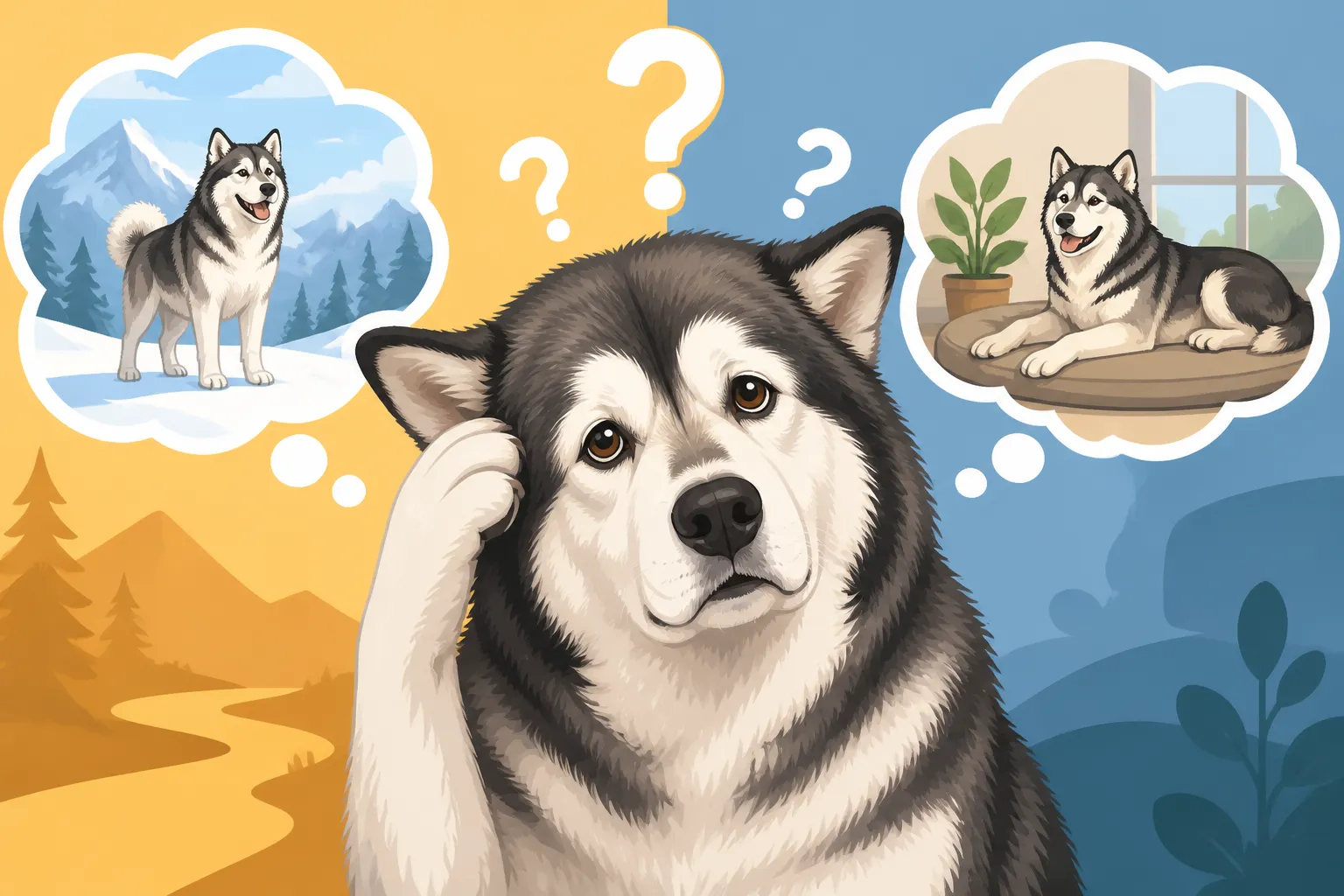
Whether an Old Malamute Gets Confused
It’s a truly heartbreaking moment when you start to notice changes in your beloved Alaskan Malamute as they gracefully enter their golden years. That familiar sparkle in their eye might seem a little dimmer, or they might stare blankly at a wall, leaving you wondering if your loyal companion is experiencing confusion. This guide is here to deeply explore what cognitive decline looks like in older Malamutes, how to differentiate it from other age-related issues, and what practical steps you can take to support them.
Recognizing the Signs of Cognitive Decline in Older Malamutes
Watching your vibrant, intelligent Malamute show signs of confusion can be deeply distressing. It's a natural part of aging for many breeds, including our large, majestic Mals, and manifests as a condition often called Canine Cognitive Dysfunction Syndrome (CDS). These aren't just "senior moments" but rather a progressive decline in cognitive abilities that can genuinely impact their quality of life. Understanding what to look for is the first step in providing the best care for your aging friend.
Disorientation and Changes in Spatial Awareness
One of the most noticeable and often concerning signs that your old Malamute might be experiencing confusion is disorientation within their familiar environment. This isn't just a brief moment of being startled, but a more consistent pattern. You might observe your Malamute getting "stuck" in corners, standing by the hinge side of a door as if waiting for it to open, or staring blankly at walls for prolonged periods. They might pace aimlessly or seem lost in rooms they've known their entire lives.
Imagine your Malamute, who once navigated your home with absolute certainty, now hesitating at a doorway or bumping into furniture they’ve always avoided. This can be especially pronounced in low light conditions or when their vision isn't as sharp as it once was. It’s a stark reminder that their mental map of the world is shifting, and it often stems from changes in their brain's ability to process spatial information. This can be incredibly frustrating for them, and for you as an owner, it's a clear signal that something has changed.
Altered Interactions and Social Behavior
Another heart-wrenching aspect of cognitive decline can be a shift in your Malamute’s social interactions. The outgoing, affectionate nature that defines many Mals might start to wane. You might notice them greeting you less enthusiastically, or even withdrawing from interactions they once cherished. They might seem less interested in playtime or appear irritable when approached, which is certainly not typical for an Alaskan Malamute.
Sometimes, this manifests as an increase in anxiety or restlessness, particularly when left alone, even for short periods. They might become clingier, following you from room to room, or conversely, they might seem to forget you're there. They might fail to recognize familiar faces, whether it's a family member they've known forever or a long-time doggy friend. This change in their personality can feel like losing a part of the dog you love, and it’s important to remember that these behaviors are usually a symptom of their underlying confusion, not a willful change in their affection. For more insights into these later stages, consider reading about Caring for an Alaskan Malamute Past Eight.
Sleep-Wake Cycle Disturbances
Many older Malamutes experiencing CDS will show significant disruptions in their normal sleep patterns. What once was a predictable routine of napping during the day and sleeping soundly through the night can become completely inverted. You might find your Malamute pacing, whining, or barking aimlessly in the middle of the night, struggling to settle down. This nocturnal activity can be exhausting for both the dog and the owner.
Conversely, during the day, they might sleep excessively, seeming lethargic and less engaged. This flip-flopped schedule, where the day is for sleeping and the night is for wandering, is a classic sign of cognitive dysfunction. It's a clear indicator that their internal body clock, regulated by their brain, is no longer functioning as it should. It impacts their rest, and subsequently, their overall well-being and your household's peace.
House-Soiling and Training Regression
One of the most frustrating, yet common, signs of cognitive decline is a regression in house training. Your perfectly house-trained Malamute, who hasn't had an accident indoors in years, might suddenly start urinating or defecating inside the house. This isn't out of spite or a sudden lack of training; it's because their cognitive abilities are failing them. They might forget where the appropriate elimination areas are, or they might simply not remember to ask to go outside.
This regression can also extend to other learned behaviors. Commands they once knew instantly might be met with a blank stare, or they might perform them inconsistently. This loss of learned behaviors is a direct reflection of changes in their memory and learning centers of the brain. It's a challenging symptom to manage, requiring immense patience and understanding, as punishing them will only add to their confusion and anxiety. This is a tough symptom for any owner, especially after years of consistent training.
Distinguishing Confusion from Other Senior Malamute Issues
It’s easy to jump to conclusions when your older Malamute starts acting a bit "off," but what looks like confusion isn't always cognitive dysfunction. Many other age-related health issues can mimic the signs of CDS, and it's absolutely critical to get a proper veterinary diagnosis to rule these out. Our Mals are stoic creatures, often hiding discomfort until it's significant, so being vigilant and methodical in your observations is paramount.
Vision and Hearing Loss
As Malamutes age, their senses can naturally decline. Reduced vision or hearing can make them seem disoriented, especially in unfamiliar surroundings or if you approach them unexpectedly. A dog with poor eyesight might bump into furniture or hesitate in low light, appearing confused about their location. Similarly, a Malamute with hearing loss might not respond to commands or their name, which could be misinterpreted as cognitive decline.
Consider this scenario: your Malamute, who used to greet you at the door every time you came home, now doesn't seem to notice until you're right next to them. This isn't necessarily confusion; they might simply not hear you approaching. Or, if they stumble on a familiar step, it could be less about forgetting the step and more about not seeing it clearly. A visit to the vet can help assess their vision and hearing, often with simple tests, to see if these sensory deficits are contributing to what looks like confusion. Sometimes, just increasing light levels or using hand signals instead of vocal commands can make a huge difference, showing it wasn't confusion at all.
Pain and Mobility Issues
Chronic pain, particularly from conditions like arthritis, is incredibly common in older Malamutes. Hip Dysplasia in an Alaskan Malamute and other joint issues can make movement painful, leading to reluctance to get up, walk, or navigate stairs. A dog in pain might become withdrawn, irritable, or less engaged, which can easily be mistaken for cognitive decline. They might be slow to move, leading to accidents indoors not because they've forgotten house training, but because it hurts too much to get up and go outside in time.
If your Malamute hesitates before jumping into the car, or struggles to get comfortable, it's more likely pain than confusion. An older Malamute might also simply be slower to react to things because of physical limitations, giving the impression of mental slowness. Regular vet check-ups are vital to assess for pain, and there are many effective pain management strategies and Joint Supplements for an Alaskan Malamute that can significantly improve their quality of life. Addressing pain can often reveal that their "confusion" was largely a byproduct of physical discomfort.
Other Medical Conditions
Many underlying medical conditions can manifest with symptoms that mimic cognitive dysfunction. Conditions such as hypothyroidism, kidney disease, liver disease, or even brain tumors can cause lethargy, changes in behavior, disorientation, or seizures. For instance, a Malamute with an underactive thyroid (Whether a Malamute Gets Hypothyroidism) might show dullness, weight gain, and mental sluggishness that could be confused with CDS.
A thorough veterinary examination, including blood work, urinalysis, and potentially imaging like an MRI, is essential to rule out these possibilities. It's a crucial step because treating an underlying medical condition can often reverse or significantly improve the "confused" behaviors. Without these diagnostic tests, you might be treating symptoms of cognitive decline while a treatable medical condition goes unaddressed, leading to unnecessary suffering for your Malamute. Don't overlook the importance of these veterinary interventions. Pet insurance providers like Healthy Paws can be a lifesaver for managing the costs of such diagnostic work and ongoing treatments.
Managing Canine Cognitive Dysfunction Syndrome
Once your veterinarian has thoroughly examined your Malamute and diagnosed Canine Cognitive Dysfunction Syndrome (CDS), the focus shifts to management. While there's no cure for CDS, there are many strategies we can employ to slow its progression, alleviate symptoms, and significantly improve your Malamute's quality of life. It’s about creating a supportive environment and working closely with your vet.
Veterinary Diagnosis and Assessment
The journey begins with your veterinarian. They’ll likely perform a comprehensive physical exam, blood tests, and urinalysis to rule out other medical issues that could be causing similar symptoms. This might include checking thyroid function, kidney, and liver values, as well as looking for infections. Sometimes, they might even suggest advanced imaging, like an MRI, to check for brain tumors or other neurological conditions. It's a process of elimination to ensure you're addressing the right problem.
Your vet will ask you detailed questions about your Malamute’s behavioral changes. Keeping a journal of specific incidents – when they occurred, what happened, and how often – can be incredibly helpful for diagnosis. They might use a questionnaire designed to assess cognitive function. This thorough assessment is vital because accurately diagnosing CDS means you can then focus on treatments specifically aimed at brain health, rather than barking up the wrong tree with other conditions.
Environmental Modifications and Routine
Creating a consistent and predictable environment is paramount for a Malamute with CDS. Familiar routines provide comfort and reduce anxiety for dogs experiencing confusion. Stick to a regular schedule for feeding, walks, and potty breaks. Try to keep your home layout consistent; avoid moving furniture unless absolutely necessary. If you do make changes, introduce them gradually and patiently guide your Malamute through the new arrangement.
Adding nightlights, especially in areas they frequent like hallways or near their bed, can help with disorientation during nighttime wanderings. Non-slip mats or rugs can aid traction, making them feel more secure and reducing falls, which can further disorient them. For those who are house-soiling, increasing potty breaks and potentially setting up a designated indoor potty area with absorbent pads can help manage accidents and reduce stress for both of you. Consistency and empathy are your greatest tools here.
Medications and Supplements for Brain Health
There are specific medications and supplements that can help manage the symptoms of CDS in Malamutes. One common medication prescribed by veterinarians is selegiline hydrochloride, which works to improve brain function and reduce behavioral issues associated with cognitive decline. It's not a magic bullet, but many dogs show significant improvement in their activity levels, social interactions, and orientation.
Your vet might also recommend dietary supplements known for their brain-boosting properties. These often include antioxidants like Vitamin E and C, medium-chain triglycerides (MCTs) often found in coconut oil, and omega-3 fatty acids (DHA/EPA), which are crucial for brain health. Brands like Purina Pro Plan Veterinary Diets have specific formulas designed for cognitive health, containing these beneficial nutrients. Always consult your veterinarian before starting any new medication or supplement regimen, as dosages and suitability vary greatly depending on your Malamute’s individual health status.
Supporting Your Aging Malamute's Brain Health
Even before significant signs of cognitive decline appear, or once they are diagnosed, there's a lot you can do to support your aging Malamute's brain health. Proactive care, a tailored diet, and ongoing mental stimulation can make a substantial difference in extending their quality of life and keeping them engaged. As our Malamutes approach The Age an Alaskan Malamute Counts as a Senior, focusing on their cognitive well-being becomes just as important as their physical health.
Diet and Nutrition Tailored for Seniors
A well-balanced diet is critical for overall health, and for senior Malamutes, specific nutritional considerations can support brain function. Look for high-quality senior dog foods that are formulated with antioxidants, omega-3 fatty acids (especially DHA), and sometimes even botanicals known to support cognitive health. These ingredients can help combat oxidative stress in the brain and support neuronal function.
Some owners also consider adding specific supplements to their Malamute's diet, as mentioned earlier. Fish oil supplements, for instance, are a rich source of DHA and EPA. If your Malamute has zinc absorption issues, as some Mals do, ensuring they get adequate zinc in their diet is crucial for overall health, including brain health. While not directly linked to CDS, underlying nutritional deficiencies can exacerbate age-related issues. Always discuss dietary changes and supplements with your vet to ensure they're appropriate and balanced for your individual Malamute. Remember that a specialized diet can sometimes be costly, and pet insurance like Healthy Paws can help with these ongoing expenses, making long-term care more manageable.
Mental Stimulation and Enrichment
Just like humans, keeping an older Malamute's mind active can help slow cognitive decline. While your senior Malamute might not be up for intense training sessions or complex agility courses, gentler forms of mental stimulation are incredibly beneficial. Puzzle toys that dispense treats slowly can engage their problem-solving skills and provide a sense of accomplishment. Simple sniff games around the house or yard, where they use their powerful noses to find hidden treats, are also excellent for mental enrichment.
Even short, gentle training sessions, revisiting basic commands they know, can be helpful. Keep these sessions brief, positive, and rewarding to avoid frustration. New environments, even a short, controlled walk in a new park, can offer novel scents and sights that stimulate their brain. However, be mindful not to overstimulate or overwhelm them, as this can increase anxiety in a confused dog. The goal is gentle engagement, not stress. While an old Malamute might not want to pull a sled like they used to, (Whether an Old Malamute Still Wants to Pull), their minds still crave purpose.
Regular Veterinary Check-ups and Monitoring
Consistent veterinary care is the cornerstone of managing an aging Malamute's health, especially when it comes to cognitive function. Regular check-ups, ideally twice a year for seniors, allow your vet to monitor their overall health, catch any new issues early, and adjust their care plan as needed. During these visits, be open and honest about any changes you’ve observed, no matter how minor they seem.
Your vet can perform routine blood work to keep an eye on organ function and ensure any medications or supplements are having the desired effect without adverse reactions. They can also screen for other age-related conditions, such as arthritis, dental disease, or even early signs of cancer (Which Cancers Alaskan Malamutes Get), all of which can impact a Malamute's behavior and perceived confusion. Early intervention is key to maintaining the best possible quality of life for your senior Malamute, allowing them to age with dignity and comfort. For more comprehensive information about Signs an Alaskan Malamute Is Getting Old, routine check-ups are essential.
Comparing Symptoms: CDS vs. Other Health Issues
To help you distinguish between potential causes of your Malamute's "confusion," here's a table summarizing key differences. This is for informational purposes and should not replace a veterinary consultation.
| Symptom Category | Canine Cognitive Dysfunction Syndrome (CDS) | Vision/Hearing Loss | Pain/Mobility Issues | Other Medical Conditions |
|---|---|---|---|---|
| Disorientation | Staring at walls, getting stuck in corners, aimless pacing, forgetting familiar routes. | Bumping into objects, hesitation in new or low-light areas, difficulty locating you if hearing impaired. | Reluctance to move, difficulty navigating stairs/uneven terrain, may appear "stuck" due to pain. | Lethargy, weakness, severe disorientation, seizures, aimless wandering. |
| Interaction Changes | Reduced greeting, withdrawal, irritability, not recognizing familiar people/pets. | Less response to calls, unaware of your presence until close by. | Withdrawal, growling/snapping when touched or moved, reluctance to play. | Generalized lethargy, increased thirst, changes in appetite, restlessness. |
| Sleep-Wake Cycle | Pacing at night, increased daytime sleep, restless sleep. | May be startled easily at night due to impaired senses, but not usually full cycle reversal. | Difficulty getting comfortable, restless due to pain, but not typically reverse cycle. | Extreme lethargy or hyperactivity depending on condition (e.g., hyperthyroidism). |
| House-Soiling/Training | Forgetting house training rules, accidents in previously clean areas. | May miss outdoor cues if vision/hearing impaired, but typically still understands the concept of going outside. | Accidents due to inability to get outside in time or discomfort moving. | Increased urination/thirst (e.g., kidney disease, diabetes), weakness leading to accidents. |
| Response to Environment | Appears confused by familiar objects, lost in routine, decreased environmental awareness. | Avoids obstacles if seen, relies more on scent; startling easily if hearing impaired. | Avoids movements that cause pain, may guard certain body parts. | May show specific neurological deficits, tremors, or general malaise. |
Ultimately, knowing when your old Alaskan Malamute has had enough is a conversation you will have with your vet, your family, and your heart. Our role as Malamute guardians is to ensure their senior years are as comfortable and dignified as possible, even when confusion becomes part of their reality.
Disclaimer
The information provided in this article is for general informational purposes only and is not a substitute for professional veterinary advice. Always consult with a qualified veterinarian for any health concerns or before making any decisions related to your Alaskan Malamute's care, diet, or treatment.