What Twelve Years With an Alaskan Malamute Comes To
Bringing an Alaskan Malamute into your life is an incredible journey filled with loyalty, adventure, and undeniable joy. But let's be realistic: that initial puppy price, while a significant lump sum, is truly just the very tip of the iceberg when it comes to the lifelong financial commitment you're making. These magnificent dogs live, on average, for a good 10 to 14 years, and over that time, their needs, both expected and unexpected, add up considerably. This comprehensive guide will walk you through the true financial landscape of owning an Alaskan Malamute for its entire life, helping you prepare for everything from daily kibble to emergency vet visits, ensuring you can provide the best possible care for your furry family member.
The Initial Investment: Puppy Price and Early Setup
The excitement of bringing home a Malamute puppy is immense, but it's crucial to understand the upfront costs involved. These aren't just about the puppy itself; they include all the essential gear and initial veterinary care that sets your new companion up for a healthy start.
The Cost of a Well-Bred Malamute Puppy
The price tag on an Alaskan Malamute puppy can vary quite a bit, but generally, you'll find well-bred puppies from reputable breeders ranging into the several thousands. This isn't just an arbitrary number; it reflects the significant investment the breeder has made in ensuring the health, temperament, and quality of their dogs. A responsible breeder will have performed extensive health testing on both parent dogs to screen for genetic conditions common in the breed, such as hip dysplasia, eye disorders, and inherited polyneuropathy. They also invest in proper nutrition for the mother and puppies, early socialization, and often come with initial vaccinations and microchipping. When you're looking at puppies, don't be swayed by drastically lower prices; these often indicate a breeder who has skipped critical health screenings or provides inadequate care, potentially leading to far greater costs down the line. You want to ensure your puppy comes from parents who have had The Health Tests Both Alaskan Malamute Parents Should Have to give them the best chance at a long, healthy life.
Essential Puppy Supplies and Initial Vet Care
Beyond the purchase price, the first few months with a Malamute puppy involve a flurry of essential purchases. You'll need a sturdy crate, ideally one that can expand as your puppy grows into its adult size, along with comfortable bedding designed to withstand some chewing. Food and water bowls, a strong leash and collar (or harness), and a variety of durable toys are also must-haves. Malamutes are powerful chewers, so investing in high-quality, indestructible toys from the start can save you money on replacements later.
On the veterinary front, those first few months are busy. Puppies require a series of vaccinations to protect them from common diseases, along with deworming treatments. Microchipping is vital for identification and should be done early. While the costs for these initial vet visits might seem like a lot, they are non-negotiable for your puppy's well-being. Think of it as laying the groundwork for a healthy future. Unexpected early issues, like a puppy picking up a kennel cough or a gastrointestinal bug, can also add to these initial vet bills, so it's always wise to have a small emergency fund ready.
Food, Glorious Food: Fueling a Malamute for a Decade-Plus
Malamutes are large, active dogs, but they're also surprisingly efficient eaters due to their heritage. Still, feeding a dog of this size for over a decade represents one of the largest ongoing expenses.
Daily Kibble and Diet Considerations
The type and quality of food you choose for your Malamute will significantly impact your monthly budget. While they are efficient, they still require a good amount of high-quality nutrition to support their muscular build and energy levels. A premium kibble formulated for large breeds will provide the necessary nutrients without excessive fillers. You can expect to go through a large bag of food quite regularly, perhaps every few weeks. Many owners find value in buying in bulk from online retailers like Chewy, which often offers discounts on recurring deliveries, or exploring fresh food options like Ollie for tailored nutrition.
It's not just about quantity; quality matters, especially with a breed predisposed to certain nutritional sensitivities. For instance, some Malamutes have issues with zinc absorption, making a diet rich in bioavailable zinc crucial. While commercial foods should contain adequate zinc, some Malamutes need more. Finding the right balance might involve trying different brands or consulting with your vet to ensure your dog's specific needs are met. This isn't just about preventing Zinc Responsive Dermatosis in an Alaskan Malamute, but ensuring overall health.
Treats, Supplements, and Special Diets
Beyond their daily meals, treats become a regular part of a Malamute's life, whether for training, dental health, or just showing affection. Opt for healthy, low-calorie options, and always factor these into your monthly food budget. Dental chews can also contribute to oral hygiene, reducing the need for costly professional cleanings down the line.
Many Malamute owners also find themselves investing in supplements. As they age, joint supplements become increasingly important to support their large frames and active lifestyles, potentially delaying the onset or severity of arthritis. For Malamutes with known zinc absorption issues, zinc supplementation will be a lifelong cost. If your Malamute develops a specific health condition, a prescription diet might be necessary, adding another layer to your food expenses. These specialized foods can be quite a bit more expensive than standard kibble, so it’s something to be aware of, especially as they get older.
Veterinary Care: A Lifelong Commitment to Health
Regular veterinary care is paramount for maintaining your Malamute's health and detecting issues early. Over a 12-year lifespan, these costs are substantial and can include everything from routine check-ups to managing chronic conditions.
Routine Check-ups and Preventative Care
Annual veterinary visits are crucial for Malamutes, even when they seem perfectly healthy. These visits include a thorough physical examination, vaccinations (boosters for rabies, distemper, parvo, etc.), and often routine bloodwork to check organ function and screen for common age-related issues. Preventative medications for fleas, ticks, and heartworm are also an ongoing, monthly or quarterly expense, depending on the product and your geographic location.
Dental health is another important aspect. Just like humans, dogs can develop plaque and tartar buildup, leading to gum disease and other oral issues. Professional dental cleanings under anesthesia can be costly, but they are essential for preventing more serious health problems. Starting good oral hygiene habits early, such as regular brushing and dental chews, can help reduce the frequency of professional cleanings. These routine care costs can add up to several hundred dollars annually, but they are an investment in your Malamute’s long-term health and can prevent more expensive problems down the road.
Managing Genetic Conditions and Unexpected Illnesses
Unfortunately, no dog is immune to health problems, and Malamutes, like many purebreds, are predisposed to certain genetic conditions. Hip and elbow dysplasia, inherited polyneuropathy, and zinc-responsive dermatosis are just a few examples. Diagnosing these conditions often involves costly tests like X-rays, blood panels, or specialized DNA tests. Treating them can involve ongoing medications, physical therapy, or even surgery. For instance, managing a condition like Inherited Polyneuropathy and the Malamute That Stumbles at a Year can involve specialized care and monitoring.
An emergency can strike at any time – an accidental ingestion, a sudden illness, or even bloat, which is a life-threatening condition for large, deep-chested breeds. Emergency veterinary visits and surgeries can run into thousands of dollars. This is where pet insurance becomes a real lifesaver. Companies like Healthy Paws offer plans that can cover a significant portion of unexpected vet bills, giving you peace of mind that you can make medical decisions based on your dog's needs, not just your wallet. It's a monthly expense that can save you from a crushing financial burden during a crisis.
| Category | Estimated Annual Cost Range (Low-High) | Notes |
|---|---|---|
| Food & Treats | $800 – $1,800 | Varies by food quality (kibble, fresh, raw), brand, and treats. |
| Routine Vet Care | $300 – $800 | Annual exams, vaccinations, heartworm/flea/tick prevention. Does not include dental cleanings or unexpected visits. |
| Grooming Supplies | $50 – $200 | Brushes, shampoos, nail trimmers/dremel. Higher end for force dryers. |
| Professional Grooming | $0 – $600 | Optional, but many owners opt for professional deshedding 1-2 times a year, especially during coat blows. |
| Training/Enrichment | $100 – $500 | Toys, puzzle feeders, basic classes. Can be higher for private trainers or specific sports. |
| Pet Insurance | $400 – $1,200 | Highly variable based on plan, deductible, coverage limits, and age/health of dog. Crucial for unexpected illnesses. |
| Supplements | $100 – $400 | Zinc, joint support, fish oil. Mandatory for some conditions. |
| Miscellaneous | $100 – $300 | Beds, leashes, collars, waste bags, unexpected replacements due to chewing. |
| Emergency Fund/Savings | Highly Variable | Crucial to have for unexpected illnesses, accidents, or advanced care not covered by insurance. |
| Total Estimated Annual Cost | $1,850 – $5,800+ | This excludes major emergency surgeries (thousands) or expensive chronic disease management. These are annual costs; multiply by 10-14 years for lifetime estimates. |
Grooming and Maintenance: Managing That Magnificent Coat
That glorious double coat that keeps your Malamute warm in the harshest winters also requires consistent attention, and that translates into both time and money.
Brushing and Home Grooming Essentials
Malamutes shed, and when they blow their coat, they really shed. We're talking about massive amounts of undercoat that can quickly overwhelm your home and your vacuum cleaner. To manage this, you'll need a robust arsenal of grooming tools: an undercoat rake, a slicker brush, and possibly a high-velocity force dryer. The force dryer is a game-changer during coat blows, helping to blast out loose undercoat and significantly reduce shedding in the house. While the initial investment in these tools can be a couple of hundred dollars, they are essential and will last for years.
Regular brushing, ideally several times a week, is non-negotiable. During the seasonal coat blow, which can happen twice a year, daily intense brushing is necessary. This isn't just for cleanliness; it prevents matting and helps maintain healthy skin. Neglecting grooming can lead to uncomfortable mats and skin issues, which then require professional intervention that costs even more. For more insights on this hairy process, check out The Malamute Coat Blow That Fills a Vacuum in an Afternoon.
Professional Grooming and Nail Care
While you can do most of the grooming at home, many Malamute owners opt for professional grooming services, especially during the heavy shedding periods. A professional groomer has the tools and expertise to perform a thorough deshedding bath and blow-out, which can significantly reduce the amount of hair you find in your home for weeks afterward. These services can be pricey per visit, but many owners find the relief from the shedding to be well worth the cost.
Nail care is another ongoing necessity. Malamutes have strong, fast-growing nails that need to be trimmed regularly, typically every 2-4 weeks. If left too long, they can cause discomfort, lead to splayed paws, or even result in painful ingrown nails. Investing in a good pair of clippers or, even better, a Dremel tool for grinding, is a wise choice. Many Malamutes tolerate grinding better than clipping, and it allows for a smoother, shorter nail. If you're not comfortable doing it yourself, your vet or a professional groomer can perform nail trims for a fee.
Training, Enrichment, and Lifestyle Needs
An Alaskan Malamute is not a dog that thrives on minimal engagement. They are intelligent, independent, and require significant mental and physical stimulation. Investing in their training and enrichment is not just good for them; it's essential for a harmonious household.
Essential Training and Socialization
Training a Malamute is a lifelong endeavor. From puppyhood, basic obedience classes are a great start, helping them learn manners and socialize appropriately with other dogs and people. Given their independent and often stubborn nature, positive reinforcement methods are key. Harsh handling simply backfires, often leading to a Malamute who shuts down or becomes even more resistant, as discussed in Why Force Fails on an Alaskan Malamute.
Some Malamutes, especially during adolescence or if they have specific behavioral challenges, may benefit from professional trainers or even certified behaviorists. Issues like leash reactivity, resource guarding, or managing their strong prey drive might require specialized guidance. These services can range from several hundred to thousands of dollars, depending on the intensity and duration of the program. While expensive, addressing behavioral issues early can prevent much larger problems (and costs) down the road, including potential property damage or legal liabilities.
Exercise, Toys, and Mental Stimulation
Malamutes were bred to pull and work, and they have an innate need for physical and mental exertion. Daily, vigorous exercise is non-negotiable. This isn't just a leisurely stroll around the block; it means long walks, hikes, or opportunities to run and explore. Many owners find joy in engaging their Malamutes in activities like weight pulling, canicross, or skijoring – these require specific gear like harnesses and lines, which are additional costs.
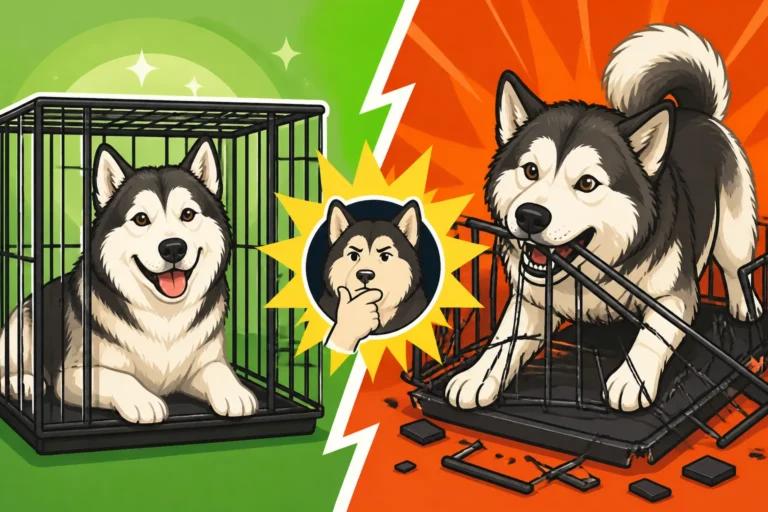
A bored Malamute is often a destructive Malamute. These dogs are notorious for chewing and digging when under-exercised or under-stimulated, as we've explored in What a Malamute Destroys Before It Turns Two. Investing in durable chew toys, puzzle feeders, and regular rotation of toys can help keep their minds engaged. Enroll them in doggy daycare a few times a week, or take them to new hiking trails. These activities, while adding to your budget, are crucial for their well-being and can prevent costly damage to your home.
Housing, Fencing, and Property Considerations
Living with an Alaskan Malamute means making adjustments to your home and property to accommodate their specific needs, particularly their impressive escape artistry and digging prowess.
Secure Fencing and Yard Modifications
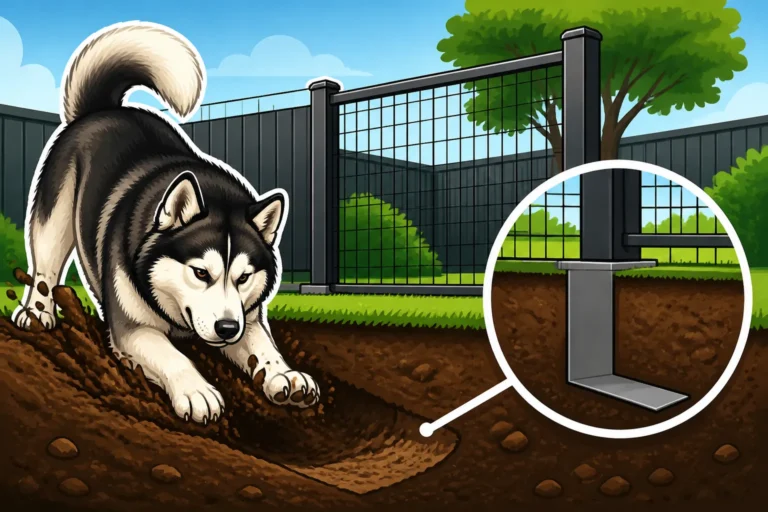
Malamutes are natural escape artists, driven by their strong prey drive and desire to explore. A standard 4-foot fence simply won't cut it. You'll need a tall, secure fence, often 6 feet high, and it must be reinforced to prevent digging. They are master excavators, and burying wire mesh or concrete footings along the fence line is often necessary to stop them from digging under. This kind of robust fencing can be a significant upfront expense, but it's crucial for your Malamute's safety and your peace of mind. For more details on protecting your yard, read Fencing a Yard Against a Malamute That Was Bred to Dig and How Deep a Malamute Fence Must Be Buried.
Invisible fences are generally considered ineffective for Malamutes. Their drive to chase a squirrel or explore a scent often overrides any aversion to an electric shock. The cost of a secure, physical barrier is an essential investment for any Malamute owner. Many also find that a dedicated, covered kennel run is invaluable for times when the dog needs to be outside unsupervised.
Home Wear and Tear
Even with the best training and enrichment, Malamutes are powerful dogs, and they can inflict wear and tear on a home. Chewed furniture, scratched floors, or dug-up gardens are not uncommon, especially during their adolescent phase. You might find yourself replacing beds, rugs, or even doorframes. Budgeting for these potential repairs or opting for more Malamute-proof furnishings from the start can save you headaches and money.
Furthermore, Malamutes are cold-weather dogs, and if you live in a warmer climate, keeping them comfortable indoors can increase your utility bills. Air conditioning might need to run more frequently or at lower temperatures during summer months. This added cost for cooling your home for your Malamute can be substantial, as highlighted in What Cooling a House for a Malamute Costs in Summer. Investing in cooling mats or elevated beds can help, but the biggest factor will be climate control.
Long-Term and Unexpected Costs: The Reality of Senior Years
While we hope our Malamutes live long, healthy lives, the reality is that their senior years often come with increased veterinary expenses and special care needs.
Senior Care and Special Needs
As your Malamute enters its golden years (typically around 8-10 years old, as discussed in The Ten to Fourteen Years an Alaskan Malamute Lives), their needs will change. Arthritis is common in large breeds, necessitating joint supplements, pain medication, or even specialized therapies. Vision and hearing might decline, and other age-related conditions like hypothyroidism or certain cancers can emerge. This means more frequent vet visits, more diagnostic tests, and ongoing medications.
You might also need to invest in practical aids, such as orthopedic beds for comfort, ramps to help them get into vehicles or onto furniture, or even special harnesses to assist with mobility. Their diet might need to switch to a senior formula, and they might require more frequent, shorter walks rather than intense exercise. All these adjustments and care additions contribute to a higher cost of living during their senior years. For a deeper dive into caring for an aging Malamute, explore Caring for an Alaskan Malamute Past Eight.
Emergency Funds and End-of-Life Decisions
No matter how well you plan, unexpected emergencies can and do happen at any age. A sudden accident, an acute illness, or a serious injury can lead to thousands of dollars in veterinary bills overnight. This is why maintaining an emergency fund or robust pet insurance coverage throughout your Malamute's life is so crucial. Without it, you might be forced to make heartbreaking decisions based on financial constraints rather than what's best for your beloved companion.
Finally, the inevitable reality of pet ownership is saying goodbye. End-of-life decisions, while emotionally devastating, also carry financial implications. Euthanasia, private cremation or burial services, and memorial items are costs that most owners face at some point. These expenses, while often minor compared to a lifetime of care, are important to acknowledge and prepare for emotionally and financially.
Disclaimer
This article is for general informational purposes only and does not constitute professional advice. Laws, prices and regulations vary by location and change over time. Consult a qualified professional for guidance on your specific situation.