What a Malamute Costs in Replaced Furniture
Ah, the Alaskan Malamute. Magnificent, majestic, and often, absolute masters of demolition. If you've ever come home to a shredded sofa cushion, a gnawed table leg, or a mysterious hole in the drywall, you're not alone. The sheer cost of replacing furniture and repairing your home after a Malamute has decided to "redecorate" can be staggering, leading many owners to wonder if their beloved snow dog is secretly working for a furniture removal company. This guide is here to walk you through why your Malamute might be turning your prized possessions into splinters and fluff, what the common targets are, the financial implications of their destructive prowess, and most importantly, how to mitigate the damage and save your sanity (and your wallet).
The Inevitable Reality: Why Malamutes Destroy Furniture
Let's be honest, living with an Alaskan Malamute is an exercise in managing powerful instincts and boundless energy. These aren't dainty lap dogs; they are robust, intelligent, and historically driven working animals. When those deep-seated instincts aren't met, or when they're navigating crucial developmental stages, your furniture often becomes the casualty. It's not out of spite, though it can certainly feel that way when you're staring at the remains of your favorite armchair. It's often a symptom of unmet needs or underlying anxiety.
The Adolescent Mal: A Destroyer in Training
Just like human teenagers, adolescent Malamutes go through a phase where they seem to forget everything they ever learned and challenge every boundary. This period, roughly from 6 months to 2 years, can be particularly trying. A Malamute puppy might start out cute and cuddly, nibbling on toys, but then it hits that awkward growth spurt and suddenly has the jaw strength of a small bear and the attention span of a gnat. They're still exploring their world with their mouths, but now they have the size and power to do real damage. What they chew through in a year can be truly astounding, encompassing anything from shoes to doorframes.
It's during this time that your innocent-looking puppy can transform into a furry wrecking ball. They're testing their limits, physically and mentally. Sometimes, they're teething again, even into their senior adolescent months, and the need to chew is intense. Other times, it's a sheer overflow of unchanneled energy and a desperate need for mental stimulation. Owners often find themselves thinking, "Didn't we just replace that?" because the destruction is so relentless. It's a phase, yes, but it's a phase that requires unwavering consistency and management to navigate without losing your entire household inventory.
Boredom and Energy: An Understimulated Malamute's Outlet
An Alaskan Malamute is not content to be a couch potato. This is a breed designed for tireless work, for pulling heavy loads across vast, frozen landscapes. If they're not given a proper outlet for their physical and mental energy, that energy doesn't just dissipate – it gets redirected, often into destructive behaviors. A bored Malamute is a creative Malamute, and their canvas is usually your home. Imagine a powerful engine idling in neutral, and then suddenly, it's revving without a purpose. That's your Malamute eyeing your pristine coffee table.
They need a job, even if that job is just a long, brisk walk, some intense playtime, or a challenging training session every single day. Without sufficient exercise, they become restless, and chewing is a natural canine stress reliever and boredom buster. They might also start digging, turning your perfectly manicured lawn into a lunar landscape. It's not malicious; it's simply a genetic imperative manifesting itself in ways you'd rather avoid. They're just trying to burn off that excess energy, and unfortunately, your sofa offers excellent resistance training for their jaws.
Separation Anxiety and Stress: When Comfort Becomes Kindling
While Malamutes are generally hardy and independent, they are also social creatures who thrive on companionship. Being left alone for extended periods, especially without proper conditioning, can lead to genuine distress. This distress often manifests as destructive behavior, particularly around exits or items that smell strongly of their absent humans. It's not simply "acting out"; it's a panic response.
A Malamute experiencing separation anxiety might focus their destructive efforts on doorframes, window sills, or anything that serves as a barrier between them and you. They might also chew on bedding, cushions, or even your clothes, seeking comfort in familiar scents, only to inadvertently destroy them in their frantic state. It’s heart-wrenching to witness and even more so to return home to. Addressing these deep-seated anxieties requires patience, understanding, and often, professional guidance. This isn't just about replacing furniture; it's about addressing a dog's emotional well-being.
Common Targets: What Malamutes Love to Chew and Shred
When an Alaskan Malamute decides to unleash their inner interior decorator, few items are truly safe. Their strong jaws, powerful teeth, and relentless determination mean that even seemingly sturdy furniture can become a pile of splinters or stuffing in a surprisingly short amount of time. Understanding what they're most likely to target can help you preemptively protect your belongings or at least know what to brace for.
Sofas, Chairs, and Cushions: The Fabric Fiasco
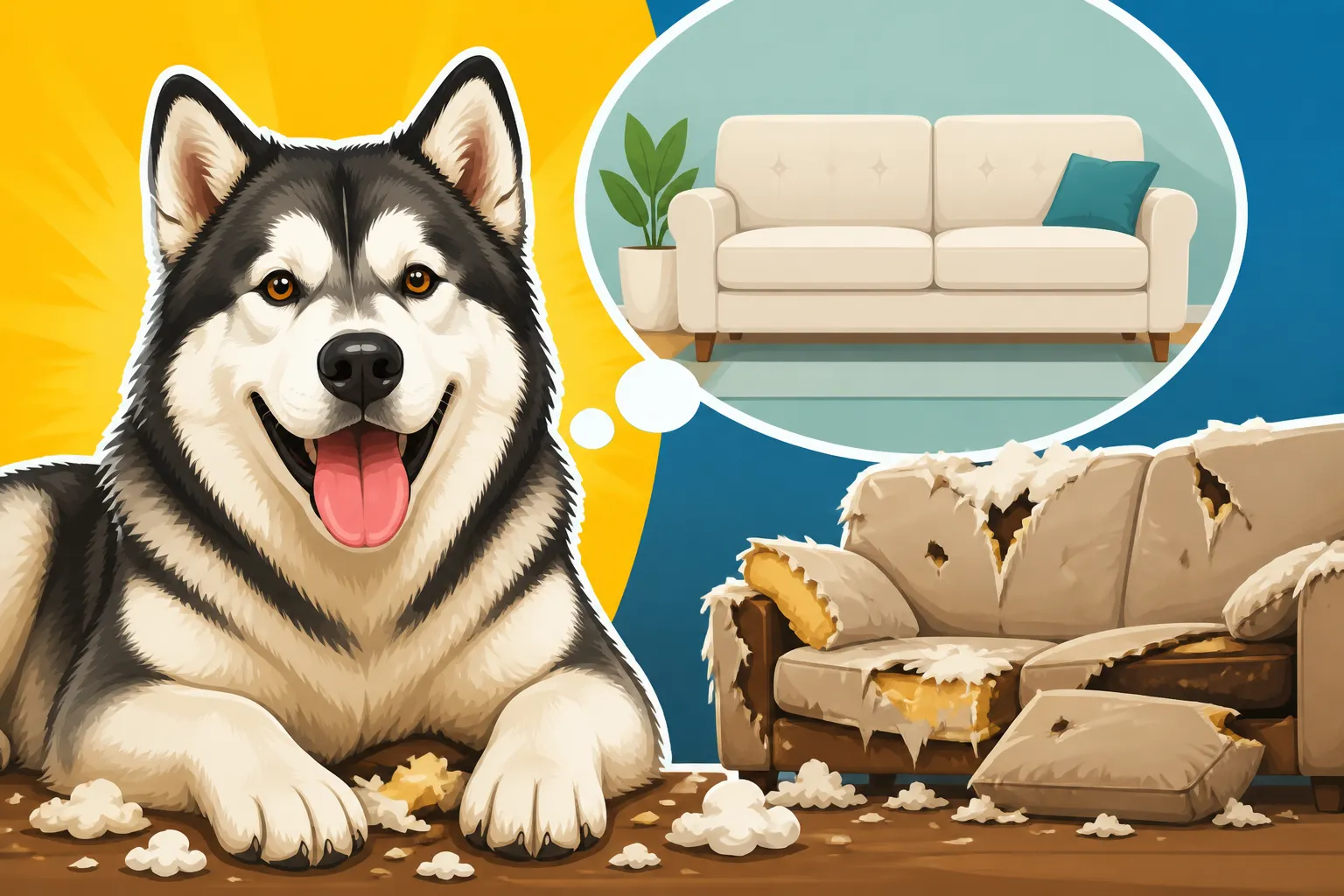
This is perhaps the most classic scene of Malamute destruction: walking into your living room to find your sofa cushions disemboweled, their foam guts strewn across the floor, or the arm of your favorite recliner reduced to threads. Sofas and chairs are prime targets for several reasons. They're often soft and inviting, making them perfect for "nesting" or reshaping to a Malamute's liking. The fabric offers a satisfying tearing sensation, and the stuffing provides endless entertainment in being pulled out and scattered.
New furniture, especially, can become an instant project. The fresh scent, the unfamiliar texture – it all beckons to a curious Malamute. A chair leg might get gnawed down to a nub, or the decorative trim might be meticulously peeled away. If your Malamute gets separation anxiety, the sofa, saturated with your scent, might be chewed as a comfort mechanism, tragically destroying the very thing they seek solace in. Replacing a significant piece of furniture like a sofa can be a substantial financial hit, far more than just replacing a chew toy.
Wooden Wonders: Tables, Chair Legs, and Baseboards
Malamutes love wood. It offers excellent resistance for their powerful jaws and can provide hours of "sculpting" entertainment. Coffee tables, dining chair legs, and especially baseboards are frequently singled out for attention. The corners of doorframes, too, present an irresistible challenge. It's not unusual to see a doorframe looking like it's been attacked by a beaver, with splinters and tooth marks marring what was once a smooth surface.
Imagine investing in a beautiful, solid wood dining table, only to discover one morning that your Malamute has decided to "personalize" one of the legs. This type of damage isn't just unsightly; it can be incredibly difficult and expensive to repair properly. Sometimes, the damage is so extensive that the entire piece of furniture needs to be replaced. For those living in rental properties, this can mean hefty deductions from a security deposit when the baseboards or wooden window sills bear the tell-tale signs of a Malamute's oral explorations.
Personal Property: Shoes, Books, and Remote Controls
While not strictly "furniture," your personal items often suffer a similar fate, adding to the overall cost of living with a destructive Malamute. Shoes, especially leather ones, are incredibly appealing due to their texture and your scent. A favorite pair of sneakers can become unrecognizable in minutes. Books, magazines, and important documents often meet a pulpy end, their pages ripped and chewed beyond recognition.
And then there are the electronics: remote controls, charging cables, even cell phones left within reach. These items aren't just expensive to replace; their destruction can cause significant inconvenience. It's easy to forget that a seemingly small item, like a remote control, can cost a fair bit to replace, and it quickly adds up when multiple items are targeted. Keeping everything out of reach, high up, or securely locked away becomes a daily ritual for many Malamute owners, like a constant game of "keep away."
The Financial Fallout: Estimating Replacement Costs
So, your Malamute has wreaked havoc. Now comes the painful part: assessing the damage and figuring out how much it's going to cost to set things right. The financial implications of Malamute-induced destruction can range from annoying to absolutely devastating, depending on the item and the extent of the damage. It's not just the price tag of the new item; it's the labor, the installation, and sometimes, the loss of sentimental value.
The Cost of Couch Catastrophe
Let's talk about the sofa. For many, it's the centerpiece of the living room, a place of comfort and relaxation. When a Malamute decides to make it their personal shredding project, the costs can be steep. A simple slipcover might seem like an easy fix, but if the internal structure, cushions, or springs are damaged, you're looking at a much bigger expense. Basic sofas can range from hundreds to thousands of dollars, and custom or higher-end pieces significantly more.
Then there's the consideration of how frequently you might need to replace or repair these items. If your Malamute is in their destructive adolescent phase, you might face multiple "couch catastrophes" over a couple of years. Some owners opt for cheaper, more durable second-hand furniture during this period, reasoning that it's better to sacrifice a less expensive piece. Others invest in truly heavy-duty, chew-resistant materials, which often come with a higher upfront cost but might save money in the long run. If your dog accidentally ingests parts of the furniture, a trip to the emergency vet can add hundreds or thousands more to the cost, making pet insurance providers like Healthy Paws a wise consideration for any Malamute owner.
Repair vs. Replace: When to Fix and When to Buy New
This is the eternal question for Malamute owners. Can that chewed chair leg be sanded and restained, or is it too far gone? Can the ripped cushion be reupholstered, or is it more cost-effective to buy new? For minor damage, a DIY repair might be possible, perhaps using wood filler and paint, or a sewing kit for small tears. However, Malamute damage often goes beyond simple fixes.
For significant structural damage to wooden furniture, you might need a professional carpenter. Upholstery damage can also require skilled hands, and these services don't come cheap. It's crucial to get quotes for both repair and replacement to make an informed decision. Sometimes, the sentimental value of a piece makes repair worthwhile, regardless of cost. Other times, the repair estimate is so high that buying new, perhaps something more Malamute-proof, simply makes more sense. Don't forget to factor in the potential for repeated damage; if the behavior isn't addressed, the new item might suffer the same fate.
Hidden Costs: Cleaning, Damage to Floors, and Professional Help
The initial cost of replacing the item is just the tip of the iceberg. What about the cleanup? Shards of wood, bits of foam, fabric fluff – it all has to go. This can involve extra vacuuming, possibly even professional carpet cleaning if stuffing has been ground in or if your Malamute was so stressed they had an accident. Then there's the potential for damage to your floors. Sharp claws and frantic digging can scratch hardwood, scuff linoleum, or tear up carpets, adding another layer of expense.
Consider also the cost of materials if you decide to try DIY repairs. Sandpaper, wood glue, paint, fabric, sewing notions – these small purchases add up. And if the destruction stems from a behavioral issue like severe separation anxiety or chronic boredom, you might need to invest in professional help. A certified dog trainer or a veterinary behaviorist can provide invaluable guidance, but their services come at a cost. However, this investment can pay dividends by preventing future destruction and improving your Malamute's quality of life. Without addressing the root cause, you'll be on a never-ending cycle of replacing furniture and incurring these hidden costs.
Mitigation Strategies: Protecting Your Home and Wallet
Living with an Alaskan Malamute doesn't mean resigning yourself to a life of perpetual furniture replacement. While some level of wear and tear is inevitable with a large, active dog, there are many proactive steps you can take to protect your home and your bank account. It’s all about creating an environment where your Malamute can thrive without turning your living room into a demolition zone.
Crate Training: A Sanctuary, Not a Jail
Crate training is one of the most effective tools for preventing destructive behavior, especially when you can't directly supervise your Malamute. A properly introduced crate becomes your dog's personal den – a safe, comfortable space where they can relax without the temptation of your furniture. It's not a punishment; it's a place of security. Many Malamute owners wonder what a crate a Malamute cannot break costs, and while robust crates are an investment, they are far cheaper than a new sofa.
Start crate training early and make it a positive experience, filled with treats, favorite toys, and soft bedding. Never use the crate for punishment. Over time, your Malamute will learn to associate the crate with safety and calm. When you need to leave the house, or even when you're busy with something that prevents active supervision, the crate can be an invaluable management tool. Just ensure the crate is appropriately sized and sturdy enough to withstand a Malamute's power; flimsy crates will quickly be dismantled, adding to your replacement costs. You can often find excellent, heavy-duty crates on sites like Chewy, along with a wide array of durable chew toys.
Exercise and Mental Stimulation: Draining That Malamute Energy
As we've established, a bored Malamute is a destructive Malamute. The single most important thing you can do to protect your furniture is to ensure your dog gets ample physical exercise and mental stimulation every single day. These dogs were bred to run, pull, and think. A quick walk around the block simply won't cut it.
Aim for vigorous exercise like long hikes, running, or even pulling a cart or sled if you're inclined. Pulling Is the Only Job an Alaskan Malamute Really Wants. Mental stimulation is just as crucial. Puzzle toys, interactive feeders, scent work, and consistent training sessions can help tire their minds. Teach them new tricks, practice obedience commands, or engage them in games that require problem-solving. A tired Malamute is a good Malamute, more likely to nap peacefully than to eye your armchair as a new chew project. Understanding How Much Exercise an Alaskan Malamute Needs is paramount for preventing destructive tendencies.
Indestructible Alternatives: Chew Toys and Enrichment
If your Malamute has an innate need to chew, provide them with appropriate outlets. Invest in a variety of durable, Malamute-proof chew toys. Look for toys made from tough rubber, nylon, or natural antlers. Rotate these toys regularly to keep them interesting. Avoid flimsy toys that will be destroyed quickly, as ingesting small pieces can lead to costly vet bills.
Enrichment toys that dispense treats, like KONGs filled with peanut butter or wet food and then frozen, can keep them occupied for extended periods. These are especially useful when you need to leave your Malamute alone or when they're in their crate. Some owners even give their Malamutes sturdy, appropriately sized raw bones (under supervision) to satisfy their natural chewing instincts. The key is to offer alternatives that are far more appealing and satisfying than your furniture. When choosing a dog bed, consider whether a Malamute destroys its bed easily and opt for heavy-duty, chew-resistant options that might prevent frequent replacement.
Management and Supervision: The Best Defense
When all else fails, good old-fashioned supervision and management are your best friends. When you're home, keep an eye on your Malamute. If you see them eyeing a forbidden item, redirect them immediately to an appropriate chew toy. Consistency is key here; every time they're allowed to chew something inappropriate, it reinforces the bad habit.
When you can't supervise directly, manage their environment. Use baby gates to restrict access to certain rooms, or keep your Malamute in a designated "safe zone" or their crate. This isn't about punishment; it's about setting them up for success. By removing the opportunity to chew on furniture, you prevent the habit from forming or strengthening. This is especially critical during The Adolescent Malamute That Rewrites the Rules at Fourteen Months phase when their curiosity and chewing drive are at their peak.
Long-Term Solutions: Training and Lifestyle Adjustments
While immediate mitigation strategies are essential, addressing the root causes of destructive behavior requires a commitment to long-term training and lifestyle adjustments. It’s about building a strong bond, understanding your Malamute’s needs, and integrating them fully into your life in a way that respects their breed characteristics. This isn't a quick fix, but it's the path to a harmonious household where your furniture stands a fighting chance.
Addressing Separation Issues: Gradual Desensitization
If your Malamute's destruction stems from separation anxiety, simply crating them or providing toys won't solve the underlying problem. This requires a more nuanced approach involving gradual desensitization. Start by leaving your Malamute alone for very short periods (minutes, not hours), building up the duration slowly over days or weeks. Practice your "leaving" routine without actually leaving, to desensitize them to your departure cues.
Provide a calming presence before you leave, maybe a soothing chew toy or a favorite treat, but don't make a big fuss when you go or return. The goal is to teach your Malamute that being alone is not something to fear and that you will always come back. Consider consulting with a professional behaviorist if the anxiety is severe. Remember, Whether an Alaskan Malamute Gets Separation Anxiety is a real concern for many owners, and it requires empathy and careful planning to overcome.
Professional Help: When You Need a Behaviorist
Sometimes, despite your best efforts, destructive behavior persists or is so severe that you feel overwhelmed. This is not a failure on your part; it's a sign that you might need to bring in the big guns. A certified professional dog trainer or a veterinary behaviorist can assess your Malamute's specific situation, identify the underlying causes of their destruction, and develop a tailored behavior modification plan.
They can help differentiate between simple boredom and more complex issues like true separation anxiety or even obsessive-compulsive behaviors. Their expertise can provide you with effective strategies, teach you how to implement them consistently, and offer ongoing support. While this comes with a cost, the investment in a professional can save you far more in damaged property and emotional stress in the long run. Don't be afraid to ask Whether a Malamute Owner Needs a Professional Trainer; for many, it's a game-changer.
Budgeting for the Inevitable: Financial Preparedness
Even with the best training and management, accidents happen. Malamutes are powerful dogs, and they can be unpredictable, especially during their younger years. It's simply realistic to assume that some level of damage or replacement will be necessary over your Malamute's lifetime. Therefore, it's wise to budget for these potential costs.
Consider setting aside a small amount each month into a "Malamute Mishap Fund." This could cover things like a new chew-proof bed (because Whether a Malamute Destroys Its Bed is often "yes"), repairing a torn screen, or even contributing to a new sofa if the old one truly gives up the ghost. Thinking about the full cost of twelve years with an Alaskan Malamute, including these unexpected expenses, helps you mentally and financially prepare for ownership. Knowing you have a buffer can alleviate some of the stress when your furry friend inevitably decides your new rug needs some "personalization."
Malamute-Proofing Your Home: A Practical Checklist
Malamute-proofing isn't a one-time task; it's an ongoing process of assessment and adaptation. Your dog's needs and behaviors will change over time, so your strategies must evolve too. Here's a quick checklist to help you stay ahead of your furry demolition expert.
| Item Category | Common Malamute Damage | Prevention & Mitigation Strategies |
|---|---|---|
| Upholstered Furniture | Chewing, shredding, digging into cushions | Crate training, durable slipcovers, chew-proof furniture options, consistent exercise, appropriate chew toys |
| Wooden Furniture | Gnawing on legs, corners, edges | Bitter deterrent sprays, physical barriers (gates), crate training, supervised play with appropriate chew toys |
| Baseboards/Door Frames | Chewing, scratching | Install chew guards, use bitter sprays, restrict access, address underlying anxiety or boredom |
| Shoes & Personal Items | Chewing, carrying away | Store all items out of reach in closets or high shelves, use closed containers |
| Electronics (Remotes, Cables) | Chewing, ingesting | Keep out of reach, use cable protectors, secure charging stations |
| Dog Beds/Blankets | Shredding, digging, ingesting parts | Invest in chew-proof, heavy-duty beds, use blankets specifically for digging/shredding |
Remember, your Malamute isn't trying to upset you. They are simply acting on instinct or communicating distress. With patience, consistent training, and smart home management, you can minimize destruction and build a stronger, happier relationship with your magnificent Alaskan Malamute. Perhaps you could even use meal delivery services like Ollie for high-quality food, ensuring your Malamute is getting proper nutrition, which can contribute to overall well-being and potentially reduce stress-related behaviors. Or browse Chewy for all the durable toys and equipment you might need.
Disclaimer
This article is for general informational purposes only and does not constitute professional advice. Laws, prices and regulations vary by location and change over time. Consult a qualified professional for guidance on your specific situation.