Whether a Malamute’s Zinc Supplement Needs a Prescription
It can be incredibly confusing when your beloved Alaskan Malamute starts showing signs of skin issues or a dull coat, and you begin to wonder if zinc deficiency is the culprit. The internet is flooded with advice, and many well-meaning dog owners will suggest an over-the-counter zinc supplement. But how do you know if that's truly what your Malamute needs, or if you're venturing into territory that requires a veterinarian's expert guidance and perhaps even a prescription? This guide aims to clear up that confusion, helping you understand when a prescription might be necessary and why it's always best to work with your vet.
Understanding Zinc Responsive Dermatosis in Malamutes
Alaskan Malamutes are, unfortunately, predisposed to a condition called Zinc Responsive Dermatosis (ZRD). This isn't just a minor skin irritation; it's a genetic predisposition that means their bodies simply don't absorb zinc from their diet as efficiently as other breeds do. It's a frustrating reality for many Malamute owners who try their best to provide a balanced diet, only to see their dog still struggle.
The Genetic Component and How It Affects Absorption
It's not that your Malamute isn't getting enough zinc in their food necessarily; it's that their unique physiology makes it difficult for them to utilize it. Think of it like a bottleneck in their system. Even if you're feeding a high-quality kibble or a well-balanced raw diet, that crucial zinc might not be making its way from the digestive tract into the bloodstream where it's needed for healthy skin, coat, and immune function. This is a fundamental difference from a simple dietary deficiency in other breeds and explains why a "normal" amount of zinc might be insufficient for a Malamute. This genetic factor is why Zinc Is the Thread Running Through Three Malamute Diseases and why understanding their unique needs is so vital.
For many Malamutes, this isn't a problem that appears overnight or can be easily fixed by switching to a "zinc-rich" dog food from Chewy. The issue runs deeper, ingrained in their genetic makeup, which can lead to chronic issues if not properly managed. It's a constant balancing act, ensuring they receive not just enough zinc, but the right kind of zinc that their system can actually process.
Signs Your Malamute Might Need Zinc
The symptoms of zinc deficiency in Malamutes can be quite distinct, though they can also be easily mistaken for other skin conditions. Typically, you might start to notice crusty, flaky, and sometimes greasy skin, often around the eyes, muzzle, ears, and pressure points like elbows and hocks. The hair in these areas might thin or fall out, leaving bald patches. Some Malamutes might develop thickened, hard paw pads, or become more prone to secondary bacterial or yeast infections due to compromised skin barriers. Their overall coat might appear dull, dry, and brittle, lacking its usual luxurious sheen.
Imagine looking at your dog's beautiful face and seeing crusty patches starting to form around their sensitive nose and eyes. It's heartbreaking, and your first thought might be allergies or dry skin. However, if these symptoms persist despite your best efforts with moisturizing shampoos or changes to their environment, it’s a strong signal that zinc could be the issue. Knowing What Zinc Responsive Dermatosis Looks Like on a Malamute can help you recognize these subtle, and sometimes not so subtle, signs early on.
Why Self-Diagnosing is a Risky Business
While it's helpful to be aware of the signs, it's absolutely crucial not to self-diagnose zinc deficiency and start supplementing without veterinary guidance. Many skin conditions can mimic ZRD, from allergies and hypothyroidism to other nutritional imbalances. Giving too much zinc can be just as problematic as too little, leading to copper deficiency, gastrointestinal upset, and even damage to red blood cells. A misdiagnosis could delay proper treatment for a different underlying condition, allowing it to worsen while you focus on the wrong solution.
Your veterinarian can perform diagnostic tests, such as blood work to check zinc levels (though these aren't always definitive for ZRD), or even a skin biopsy, which can often show characteristic changes indicative of zinc deficiency. They can rule out other issues and confirm if ZRD is indeed what your Malamute is facing. This is not a situation where a quick online search or advice from a friend should replace professional medical assessment.
Navigating Over-the-Counter vs. Prescription Zinc Supplements
Once zinc deficiency is suspected or confirmed, the question often turns to what kind of zinc and how much. This is where the distinction between over-the-counter and prescription options becomes important.
The World of Over-the-Counter Options
Many pet stores and online retailers like Chewy offer various over-the-counter (OTC) zinc supplements designed for dogs. These often come in forms like zinc picolinate, zinc methionine, or zinc gluconate, which are generally well-absorbed. The dosages in these supplements are typically lower than what a vet might prescribe, making them seem like a safe, easy first step. They're often formulated as palatable chews or powders that can be added to food.
For Malamutes with a mild predisposition or those receiving a maintenance dose after initial treatment, these OTC options might be suitable, under veterinary supervision. However, it's a big "if." Without guidance, determining the correct dosage can be a guessing game, and too little won't resolve the problem, while too much can cause its own set of issues. For example, Which Zinc Supplement Suits a Malamute is a common question, but the answer isn't one-size-fits-all. Some owners might try a multivitamin that includes zinc, but the concentration of zinc alone is rarely sufficient for a Malamute struggling with ZRD.
When a Veterinarian Prescribes Zinc
When a veterinarian determines that your Malamute is suffering from active Zinc Responsive Dermatosis, they often prescribe specific forms and dosages of zinc that are typically not available over the counter. These might include zinc sulfate or zinc methionine, often in much higher concentrations than found in general supplements. The dosage will be carefully calculated based on your dog's weight, the severity of their symptoms, and their individual response to treatment. The goal is to provide a therapeutic dose that overwhelms the absorption issue and gets enough zinc into the system to resolve the dermatosis.
Prescription-strength zinc isn't just about higher numbers; it's about targeting the problem effectively and safely. Your vet will monitor your Malamute closely, looking for improvements in skin and coat, and checking for any adverse side effects. They might start with a higher loading dose and then gradually reduce it to a maintenance level once the symptoms are under control. This precise, controlled approach is vital for managing a chronic condition like ZRD. It's often the difference between frustrating, ongoing flare-ups and seeing real, lasting improvement in your Malamute's quality of life.
The Critical Role of Your Veterinarian
Your veterinarian is your most valuable partner in managing your Malamute's health, especially when dealing with complex issues like ZRD. They have the knowledge to correctly diagnose the condition, distinguish it from other ailments, and formulate an appropriate treatment plan. This plan might involve not just zinc supplementation, but also addressing any secondary infections, dietary adjustments, or even considering other health conditions that might be impacting zinc absorption, like Whether a Malamute Gets Hypothyroidism.
They understand the nuances of the various zinc compounds, their bioavailability, and potential interactions. They can interpret blood tests and clinical signs, adjusting dosages as needed. Without their expertise, you're essentially flying blind, risking your dog's health and well-being. Think of it this way: you wouldn't try to fix a complex engine problem in your car with generic parts and no mechanical knowledge. Your Malamute's body is far more intricate, and requires the same level of professional care.
Here’s a quick overview of the differences you might encounter:
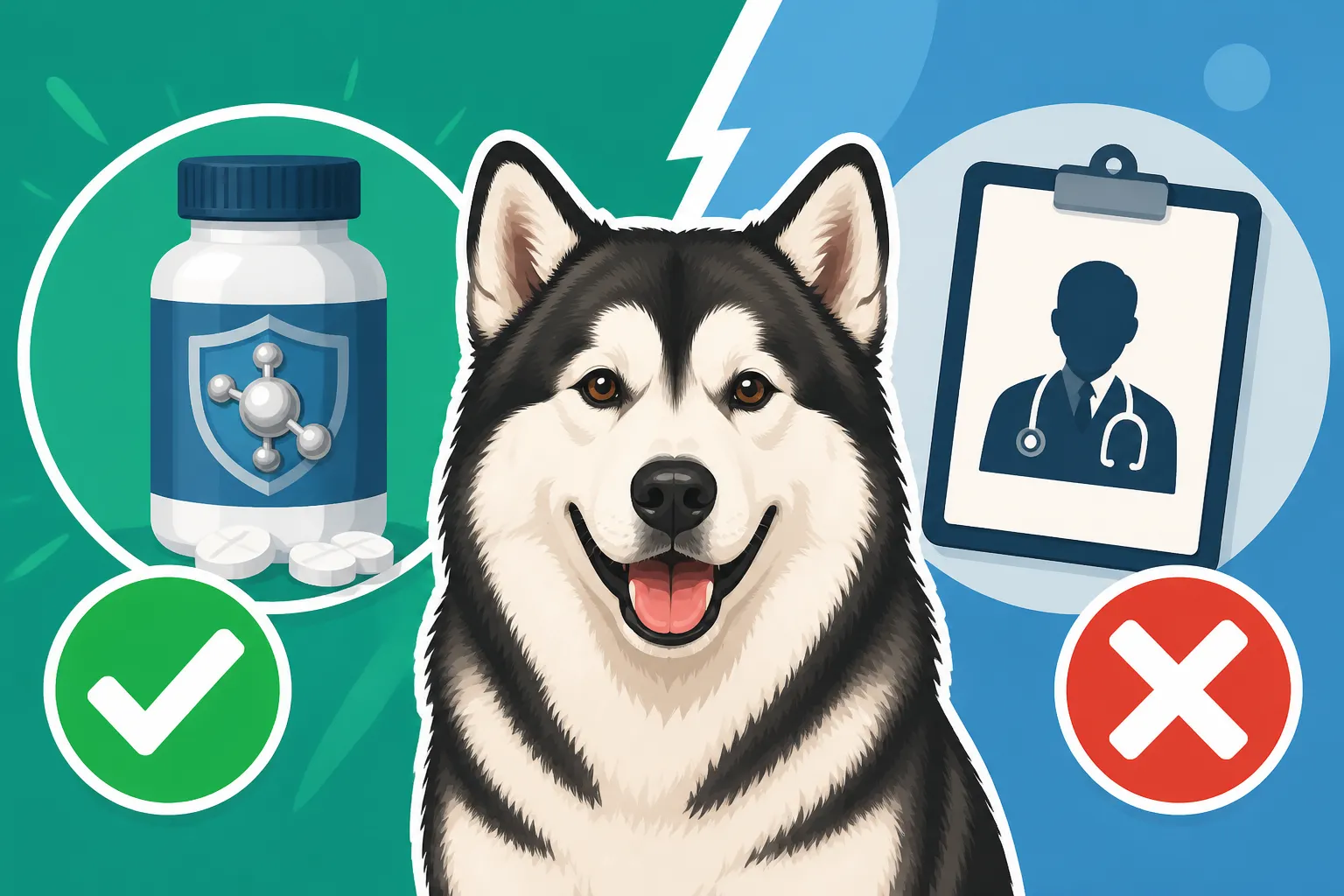
| Feature | Over-the-Counter (OTC) Zinc Supplement | Prescription Zinc Supplement (Vet-Provided) |
|---|---|---|
| Availability | Easily found at pet stores, online retailers (e.g., Chewy) | Requires a veterinarian's written prescription or direct dispensing |
| Zinc Forms | Often zinc picolinate, gluconate, methionine (generally lower potency) | Often zinc sulfate, higher potency zinc methionine (specific therapeutic forms) |
| Dosage Control | General recommendations, often lower doses, not tailored | Precisely calculated by vet based on weight, severity, response |
| Monitoring | Owner observes, may or may not consult vet regularly | Regular vet check-ups, blood tests, symptom tracking to adjust dosage |
| Purpose | General health, mild deficiency support | Therapeutic treatment for confirmed Zinc Responsive Dermatosis |
| Risk of Overdose/Interactions | Present, especially if used indiscriminately | Minimized with vet guidance, careful monitoring for adverse effects |
The Dangers of Unregulated Zinc Supplementation
The idea of giving your Malamute "just a little more zinc" might seem harmless, especially if you're desperate to relieve their discomfort. However, there are significant risks involved with administering zinc supplements without professional guidance.
The Thin Line Between Deficiency and Toxicity
It's a tricky balance: too little zinc and your Malamute suffers from dermatosis; too much and you risk inducing zinc toxicity. Symptoms of zinc toxicity can include vomiting, diarrhea, lethargy, loss of appetite, and in severe cases, damage to red blood cells, kidneys, and liver. It can be particularly dangerous because the symptoms can sometimes be vague and easily missed or attributed to other issues. This is why when considering Whether Too Much Zinc Harms a Malamute, the answer is a resounding "yes," and precision is key.
Every dog is an individual, and what might be a safe dose for one Malamute could be too high for another, even if they're the same size. Factors like diet, other medications, and individual absorption rates all play a role. Your vet takes these variables into account when crafting a treatment plan, which is something you simply can't do effectively on your own.
Interactions with Other Supplements and Medications
Zinc doesn't exist in a vacuum within your dog's body; it interacts with other essential minerals and medications. For instance, high levels of zinc can interfere with the absorption of copper, leading to a secondary copper deficiency. This can cause its own set of health problems, including anemia. If your Malamute is on other medications for unrelated conditions, adding zinc could potentially alter the efficacy of those drugs or increase the risk of adverse reactions.
For example, if your Malamute is already on supplements for joint health or has a specific prescription diet, introducing an additional zinc supplement could disrupt their delicate nutritional balance. It's a complex interplay of nutrients and medications, and only a veterinarian is equipped to assess these potential interactions and ensure your Malamute's overall health isn't compromised.
Long-Term Monitoring and Adjustments
Zinc Responsive Dermatosis is typically a lifelong condition for Alaskan Malamutes. This means that successful management isn't a one-and-done deal; it requires ongoing monitoring and adjustments to the supplementation plan over time. Your vet will want to see your Malamute periodically to assess their skin condition, general health, and potentially run follow-up blood tests to ensure zinc levels are therapeutic but not toxic.
As your Malamute ages, or if other health issues arise, their zinc requirements might change. The maintenance dose they needed as a young adult might be different when they enter their senior years. This adaptive approach is critical for their long-term well-being. Thinking about Whether a Malamute Needs Zinc for Life leads to the conclusion that for many, yes, it’s an ongoing journey. Having a vet guide this journey ensures consistency and safety.
Practical Steps for Malamute Owners
So, what should you do if you suspect your Malamute has zinc deficiency or if you're already managing it? Being proactive and informed is your best bet.
Starting the Conversation with Your Vet
If you're noticing any of the skin or coat issues mentioned earlier, or if your Malamute has a confirmed diagnosis of ZRD and you're unsure about their current supplement regimen, the very first step is to schedule an appointment with your veterinarian. Don't wait until the symptoms are severe. Be prepared to discuss:
- Symptoms: When they started, how they've progressed, and any treatments you've tried.
- Diet: The specific food you're feeding, including treats and any other supplements.
- Lifestyle: Their exercise routine, environment, and any other relevant health history.
Your vet will appreciate your thoroughness, and it will help them make the most accurate diagnosis and treatment recommendations. They might discuss various options, including prescription strength zinc if necessary.
Diet as a Foundation, Not a Cure
While diet alone typically isn't enough to correct a genetic zinc absorption issue, it still forms a critical foundation for your Malamute's overall health. Providing a high-quality, balanced diet can help ensure they are getting all the other necessary nutrients. Brands like Ollie, known for fresh, whole-food options, can offer excellent nutritional support. However, even the best diets designed for general canine health may not contain zinc in a form or quantity sufficient to overcome a Malamute's genetic predisposition to ZRD.
It's important to differentiate between providing a healthy diet and treating a medical condition. A great diet from a brand like Ollie will support their immune system, coat health, and energy levels, but it likely won't resolve a true zinc absorption problem on its own. Always discuss dietary changes with your vet, especially if your Malamute is on a special diet or medication. They can help you understand Whether a Raw Diet Delivers More Zinc to a Malamute or if a specific kibble formula is better.
Consider Pet Insurance for Ongoing Costs
Managing a chronic condition like Zinc Responsive Dermatosis can involve ongoing veterinary visits, diagnostic tests, and the cost of prescription supplements over your Malamute's lifetime. These expenses can add up, especially if your dog experiences flare-ups or needs more intensive treatment at certain times. This is where pet insurance can be an absolute lifesaver.
Policies from providers like Healthy Paws can help cover a significant portion of these costs, providing peace of mind and ensuring you can always afford the best possible care for your Malamute without having to make difficult financial decisions. Investing in pet insurance early on, ideally when your Malamute is a puppy and before any chronic conditions manifest, can make a huge difference in managing their health journey. It means you can focus on their well-being rather than stressing about the vet bill each time they need a check-up or a new batch of their essential medication.
Disclaimer
This article is for general informational purposes only and does not constitute professional advice. Laws, prices and regulations vary by location and change over time. Consult a qualified professional for guidance on your specific situation.