What a Malamute Costs in Vacuum Repairs
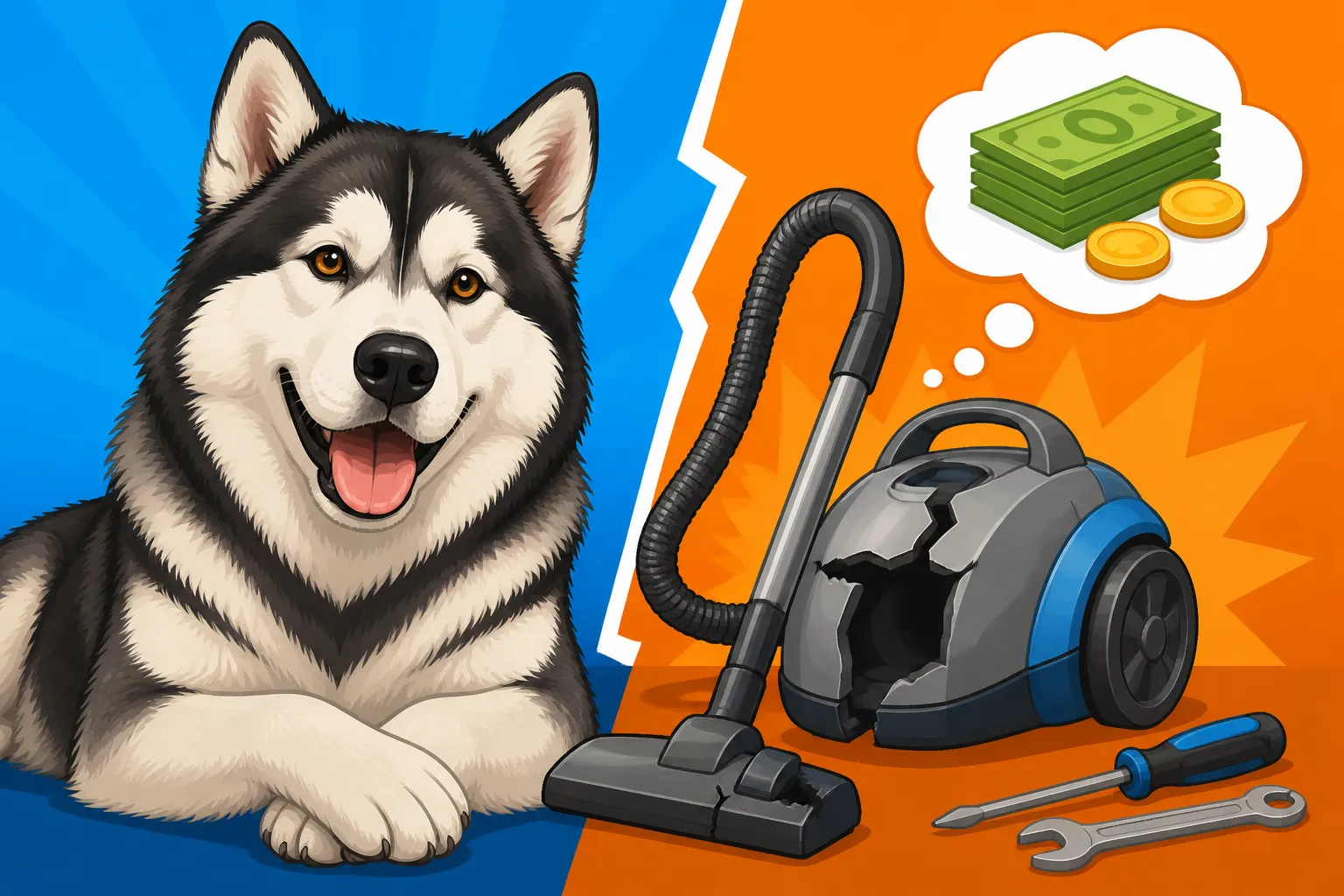
If you've ever shared your home with an Alaskan Malamute, you've likely experienced the unique joy of finding a tumbleweed of fur where there wasn't one a moment ago. This beautiful, dense coat, so perfect for arctic climates, becomes a formidable foe to household cleanliness, and perhaps nowhere is this more evident than in the graveyard of broken vacuum cleaners. This guide isn't just about what a Malamute costs in vacuum repairs; it's about understanding why these majestic dogs wage a relentless, albeit unintentional, war on your cleaning appliances and how to equip yourself for the ongoing battle.
The Relentless Reality of Malamute Shedding and Your Vacuum
Let's be brutally honest: owning an Alaskan Malamute means coming to terms with fur. A lot of fur. More fur than you thought possible. It's not just a seasonal inconvenience; it's a way of life. This constant deluge of hair, while a testament to their incredible adaptation to cold, spells disaster for the average vacuum cleaner, designed for the lighter shedding of common house pets, not a furry beast bred to withstand sub-zero temperatures.
The Double Coat's Devastating Effect on Electronics
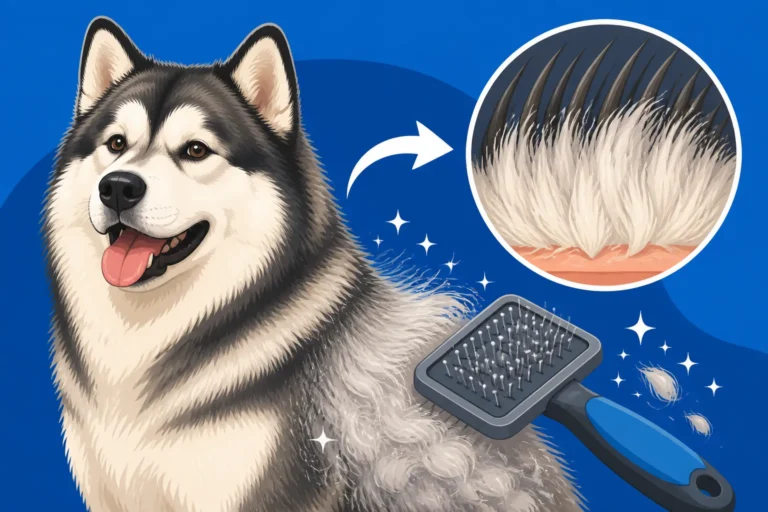
The Alaskan Malamute possesses a magnificent double coat that is truly a marvel of natural engineering. There's the dense, oily undercoat, which is incredibly fine and soft, providing exceptional insulation. Then, overlaying that, are the coarser, protective guard hairs. When these two types of hair are shed, they create a unique challenge for any cleaning device. The fine undercoat can easily slip through cracks and clog tiny mechanisms, while the longer guard hairs are notorious for wrapping around moving parts.
During a "coat blow," which typically happens twice a year, usually in spring and fall, the amount of hair produced is nothing short of astounding. It literally looks like it's snowing indoors, but instead of flakes, you're getting drifts of soft, downy undercoat. Even outside of these major shedding events, Malamutes shed consistently. This fur isn't just on the floor; it adheres to furniture, weaves itself into carpets, and floats through the air like microscopic tumbleweeds. Trying to tackle this with a standard household vacuum is akin to bringing a spoon to a blizzard – utterly futile and guaranteed to lead to frustration. The sheer volume and texture of Malamute fur place an immense strain on vacuum motors, belts, and filters, pushing them far beyond their intended design limits.
Common Vacuum Killers Caused by Malamute Fur
It's not usually one big catastrophic failure with a Malamute and your vacuum; it's a thousand tiny tortures that lead to its demise. The insidious nature of their fur means your vacuum is constantly fighting a losing battle, gradually wearing itself out until it simply gives up the ghost.
Motor Overheating: This is perhaps the most common way Malamute fur murders a vacuum. The brush roll, that spinning wonder designed to agitate carpets and lift dirt, quickly becomes a dense, matted cylinder of Malamute hair. As hair wraps tighter and tighter, it creates friction and makes it incredibly difficult for the brush roll to turn. The motor, valiantly trying to keep up, works harder and harder, drawing more power, generating excessive heat, and eventually burning itself out. You might smell a faint burning odor or notice a significant drop in suction before it finally kicks the bucket.
Clogged Filters: The Malamute's soft, fine undercoat is a filter's worst nightmare. These tiny hairs are incredibly adept at bypassing pre-filters and packing themselves into the microscopic pores of your main filter, whether it's a washable foam filter or a HEPA filter. Once clogged, airflow is severely restricted, leading to a dramatic loss of suction. When the suction diminishes, the motor again compensates by working harder, putting it at risk of overheating. Regular emptying of the dust cup isn't enough; the filters themselves need constant attention, often requiring washing or replacement far more frequently than the manufacturer suggests for a typical household.
Broken Belts and Brush Rolls: As mentioned, when hair wraps around the brush roll, it can jam it completely. The rubber belt connecting the motor to the brush roll is designed to slip or snap if the brush roll gets irrevocably stuck, protecting the motor from critical damage. While this is a safety feature, it means you'll be replacing belts with alarming regularity. Similarly, the constant struggle against dense fur can damage the brush roll bearings or even snap the brush roll itself, rendering the vacuum useless until replacements are found.
Hose Blockages: It's not just the bottom of the vacuum that suffers. Those impressive clumps of Malamute fur, often mixed with small pieces of kibble or whatever other debris your adventurous pup has dragged in, can get sucked into the vacuum hose and form an impenetrable plug. This creates an immediate and total loss of suction. Clearing these blockages often requires dismantling the hose, which can be a frustrating and messy task, especially if the fur is tightly packed deep within.
Electrical Issues: While less common than mechanical failures, the sheer amount of fine dust and hair generated by a Malamute can contribute to static buildup within the vacuum's internal components. In rare cases, this could potentially lead to minor electrical shorts or issues with switches and circuit boards. It's an extra layer of wear and tear that adds to the overall strain on the appliance.
Beyond the Initial Purchase: The Hidden Costs of Vacuum Ownership
When you first bring home that adorable Malamute puppy, you might be thinking about the cost of food, toys, and vet visits. What often slips under the radar is the continuous, creeping expense of maintaining a clean home in the face of their glorious, yet prolific, coat. Your vacuum cleaner budget is about to look very different.
Frequent Repairs and Replacement Parts
The cost of a vacuum isn't just the sticker price; it's the ongoing investment in keeping it operational against the fur onslaught. Belts, filters, and brush rolls become consumable items rather than long-lasting components. A single replacement belt might seem inexpensive, perhaps costing less than a fancy coffee, but when you're buying three or four a year, those costs start to add up. Factor in replacement filters, which can range from budget-friendly options to more expensive HEPA filters, and you're looking at a steady drip of expenses.
It's not uncommon for a dedicated Malamute owner to spend a significant sum on these parts annually, potentially hundreds of dollars over the lifetime of a single vacuum. If you're not handy with basic repairs, you might find yourself taking your vacuum to a professional repair shop. These shops often charge a diagnostic fee just to look at the machine, followed by an hourly labor rate plus the cost of parts. A seemingly simple fix like clearing a stubborn blockage or replacing a motor might quickly escalate to a cost that approaches, or even exceeds, the price of a brand-new, entry-level vacuum. This constant cycle of repair can feel like throwing good money after bad, leading to a profound sense of frustration.
The Dilemma of Upgrading vs. Repairing
This is the internal debate every Malamute owner eventually faces: do I sink more money into repairing this struggling vacuum, or do I bite the bullet and invest in something truly built for the job? There's a point of diminishing returns. If your mid-range vacuum is constantly breaking down, demanding new parts every few months, and requiring professional interventions, the cumulative cost can quickly make it uneconomical to repair.
Many owners find themselves stuck in this cycle, hoping that this repair will be the last, only to find themselves back at the store for another belt or filter a few weeks later. This isn't just a financial drain; it's an emotional one. Constantly battling your cleaning tools when you already have the challenge of managing a high-shedding dog can be incredibly disheartening. Often, the realization dawns that a significant upfront investment in a truly heavy-duty, pet-specific vacuum is the more economical and less stressful path in the long run. It's about shifting from reactive repairs to proactive prevention, albeit at a higher initial cost.
Strategies to Mitigate Vacuum Mayhem and Save Your Sanity (and Wallet)
Living with an Alaskan Malamute doesn't mean resigning yourself to a life of fur-covered everything and perpetually broken vacuums. It means adapting, being proactive, and strategically choosing your battles. The key is to understand that a Malamute's coat requires a multi-pronged approach to home cleanliness, and your vacuum is just one tool in the arsenal.
Investing in Malamute-Proof Cleaning Tools
The first step in winning the war against Malamute fur is to stop fighting it with inadequate weaponry. You wouldn't bring a toy car to a freighting competition, so don't expect a delicate stick vacuum to handle a Malamute's coat blow.
Heavy-Duty Vacuums: This is non-negotiable for a Malamute household. Look for vacuums specifically engineered for pet hair. These models often boast stronger motors, superior suction, and most importantly, brush rolls designed to resist tangles or that are easily removable for cleaning. Some high-end models even have self-cleaning brush rolls, a feature that feels like a miracle to a Malamute owner. Prioritize vacuums with excellent filtration systems, ideally sealed to prevent fine fur and dust from escaping back into the air, and washable filters that can withstand frequent cleaning. While the initial cost might be higher, these robust machines are built to endure the unique challenges presented by a Malamute's coat, significantly reducing the frequency and cost of repairs.
Grooming as Prevention: This is arguably the most crucial strategy. The less fur that hits your floors, the less fur your vacuum has to deal with. Regular grooming is your absolute first line of defense. During peak shedding periods, a daily brushing session can make a world of difference. You'd be amazed how much hair you can remove before it becomes airborne or embeds itself in your carpet. Specialized tools like undercoat rakes are designed to gently pull out loose undercoat without damaging the guard hairs. Which Brush Gets Through a Malamute's Undercoat dives into the best options for this task.
Another game-changer is a high-velocity force dryer. These powerful dryers blow off huge amounts of loose undercoat, particularly after a bath. It’s an investment, but the amount of hair you can remove in an hour with a force dryer will literally save your vacuum from weeks of abuse. You can learn more in What a Force Dryer Does for a Malamute's Coat Blow. Taking the time to groom your Malamute regularly can drastically reduce the stress on your vacuum and your sanity. Many owners find that making grooming a routine part of their Malamute's day is essential for managing the sheer volume of hair.
Alternative Cleaning Methods: While a heavy-duty vacuum is a must, don't rely on it exclusively.
- Robot Vacuums: These can be a fantastic supplement, but usually not a primary solution. They excel at daily maintenance, picking up surface hair before it accumulates into monster clumps. However, they often struggle with the sheer volume of Malamute hair, quickly filling their small bins, tangling their brush rolls, and requiring constant emptying and cleaning. Think of them as tireless little helpers, not replacements for your main vacuum.
- Sweeping and Dust Mopping: For hard floors, a good old-fashioned broom or a static dust mop can quickly gather up surface fur. This is particularly useful before you bring out the vacuum, as it prevents large clumps from overwhelming the machine. You might be surprised by how effective this low-tech approach can be for daily hair management.
Proactive Maintenance and Smart Vacuum Habits
Even the best vacuum designed for pet hair will succumb if it's not properly maintained. Think of it like taking care of your car; regular oil changes and check-ups prolong its life. For your Malamute-battling vacuum, this means diligent, almost obsessive, cleaning after every use.
Regular Cleaning: This is non-negotiable. After every vacuuming session, especially during coat blows, you must clean your vacuum. Empty the dust canister, brush out any lingering fur, and check the filter. If you have a bagless vacuum, ensure the canister is completely clear. For vacuums with brush rolls, carefully snip away any hair that has wrapped around it. This prevents the motor from straining the next time you turn it on. Getting into this habit will significantly extend the life of your machine.
Filter Management: Filters are the lungs of your vacuum, and a Malamute's undercoat can quickly suffocate them. If your vacuum has washable filters, commit to washing them frequently, perhaps even after every few uses, ensuring they are completely dry before reinserting them. Consider having a spare set of filters on hand, so you can swap them out while one dries. Websites like Chewy often have a good selection of replacement filters for various vacuum brands, making it easy to stock up. This ensures your vacuum always has optimal airflow and suction, reducing the strain on the motor.
Avoiding Overexertion: Don't try to vacuum an entire room covered in a week's worth of Malamute fur in one go. Break it down. Do a small section, empty the canister, clean the brush roll, and then move on. This prevents the vacuum from becoming overloaded and overheating. If you have particularly hairy areas, consider using a hand vacuum or a sticky roller to pick up the worst of it before deploying your main machine.
Protecting the Machine: Be mindful of what you're vacuuming. Avoid sucking up large, solid debris that could damage the internal components or get stuck in the hose. While Malamute hair is your primary enemy, foreign objects can also cause immediate and costly damage. Make sure your Malamute's toys are picked up before you vacuum, and always do a quick scan of the floor.
The Broader Financial Picture of Malamute Ownership
Understanding what a Malamute costs in vacuum repairs is really just one piece of the much larger financial puzzle that comes with owning these incredible dogs. They are not inexpensive companions, and their unique needs often lead to unexpected expenses in various categories.
From specialized grooming tools and professional services – because sometimes you simply cannot conquer The Malamute Coat Blow That Fills a Vacuum in an Afternoon on your own – to potentially higher electricity bills from running air conditioning in warmer months, the costs add up. Even daily necessities, like feeding, can carry a hidden financial nuance. While Malamutes are surprisingly efficient eaters, a diet that supports their overall health and coat quality, perhaps including premium foods from a brand like Ollie, might initially seem pricier but can contribute to fewer issues like excessive shedding due to poor nutrition. This holistic approach means looking at quality inputs across the board.
And then there's the truly unexpected. While pet insurance, like plans offered by Healthy Paws, won't cover your vacuum repairs, it highlights the broader need for financial preparedness in pet ownership. Just as a vacuum can break down, a Malamute can have an unexpected medical emergency, whether it's an injury, an illness, or an inherited condition. Being financially ready for these eventualities, whether for a new vacuum or a vet bill, is a hallmark of responsible Malamute ownership. The cost of replacing a vacuum is just a small, albeit frequent, reminder of the significant, yet ultimately rewarding, investment in your Alaskan Malamute.
| Vacuum Type | Malamute Hair Handling | Pros | Cons | Repair Frequency (Estimate) |
|---|---|---|---|---|
| Standard Upright | Poor | Affordable, widely available | Low suction, clogs easily, poor filtration | High |
| Stick Vacuum | Very Poor | Lightweight, convenient | Tiny dustbin, weak suction, brush roll jams instantly | Extremely High |
| Robot Vacuum | Moderate (maintenance) | Automated daily cleaning | Small bin, brush roll tangles, needs constant emptying | Moderate to High (maintenance) |
| Canister Vacuum | Good | Strong suction, versatile attachments | Cumbersome, filters clog, can be expensive | Moderate |
| Pet-Specific Upright/Canister | Excellent | Powerful suction, tangle-free design, better filtration | Higher initial cost, still needs cleaning after use | Low to Moderate |
| Shop Vac | Excellent | Extreme power, large capacity | Noisy, not designed for carpet, very bulky | Very Low |
Disclaimer
This article is for general informational purposes only and does not constitute professional advice. Laws, prices and regulations vary by location and change over time. Consult a qualified professional for guidance on your specific situation.