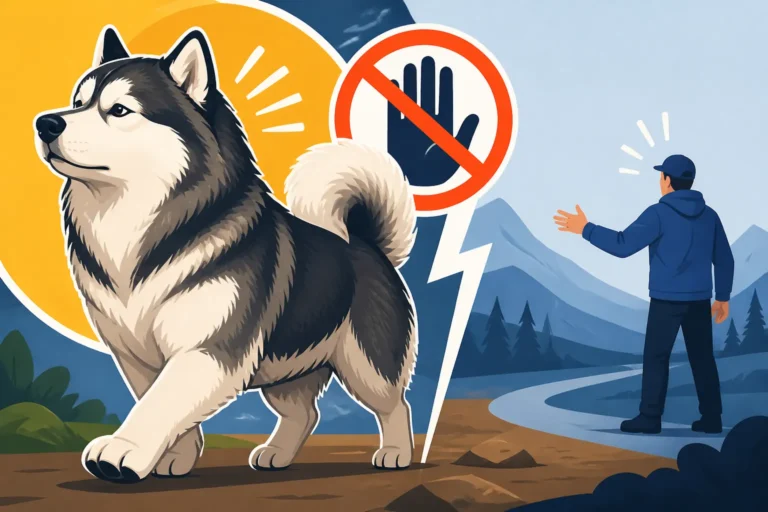
A Malamute’s Digging Is Not a Problem, It Is the Breed
If you've ever owned an Alaskan Malamute, you know that their digging isn't just an occasional nuisance; it's a fundamental part of who they are. It can transform a pristine yard into a lunar landscape overnight, leaving you tearing your hair out and wondering what you're doing wrong. This guide dives deep into why your Malamute digs, what those holes really mean, and most importantly, how to manage this ingrained behavior in a way that respects their nature and saves your sanity.
The Ancestral Urge: Why Malamutes Dig So Deeply
To truly understand why your beloved Malamute treats your lawn like a personal archaeological dig site, we have to look back to their roots. These magnificent dogs were bred by the Mahlemut people of Alaska for centuries, evolving to survive and thrive in one of the harshest environments on Earth. Digging wasn't a bad habit; it was a critical survival skill.
Built for Survival: Denning and Caching Instincts
Imagine yourself as a Mahlemut person, living in the Arctic thousands of years ago. Your dogs are your lifeline, helping you hunt, haul, and survive. In this landscape, a dog that could dig a quick den in the snow or frozen earth wasn't just being naughty; it was protecting itself from biting winds, blizzards, and predators. This denning instinct is deeply hardwired into the Malamute's DNA. They dig to create shelter, to feel secure, and sometimes, simply because it feels right to them on a primal level. It's a throwback to their wilder ancestors, a behavior that ensured their survival and that of their pack in unforgiving conditions.
Beyond shelter, Malamutes also developed a strong caching instinct. In a world where food was often scarce and difficult to obtain, burying surplus food was a smart move. They'd dig a hole, deposit their bounty, and then expertly cover it, marking the spot in their minds. While your modern Malamute might be burying a favored (and probably slobbery) tennis ball rather than a fresh kill, the underlying drive is the same. They're safeguarding their treasures, ensuring they have something special for later. This isn't misbehavior; it's a manifestation of an ancient survival strategy. This instinct is so strong, it's virtually impossible to completely extinguish, and trying to do so can lead to frustration for both you and your dog.
The Thrill of the Hunt: Prey Drive and Scent Following
Another major driver behind a Malamute's digging compulsion is their formidable prey drive and their incredible sense of smell. These dogs were integral to hunting, often finding seals or tracking larger game for their human companions. When your Malamute's nose twitches, it might be picking up the faint scent of a vole burrowing underground, a beetle making its way through the soil, or even just the lingering odor of something interesting that passed through hours ago.
For a Malamute, that scent is a call to adventure, an irresistible invitation to investigate. They will dig with surprising speed and determination, convinced they're on the verge of uncovering something truly exciting. This isn't just casual pawing; it's focused, intentional excavation. They're engaging in a natural hunting behavior, even if the "prey" is just a fascinating smell or a tiny, elusive critter. Trying to stop this is like trying to stop a fish from swimming; it goes against their very nature. Understanding this helps shift your perspective from "my dog is destroying my yard" to "my dog is being a Malamute."
Decoding the Dirt: Different Kinds of Malamute Digging
Not all digging is created equal, even for a Malamute. While the underlying instincts are similar, the immediate motivation can vary significantly. Learning to identify why your Malamute is digging can help you address the root cause and implement more effective management strategies.
The Escape Artist: Seeking Freedom Beyond the Fence
Perhaps the most frustrating type of digging for many Malamute owners is the "escape artist" dig. These intelligent, independent dogs are natural explorers, and a fence, to them, can often be seen as a mere suggestion rather than an absolute barrier. If there's something interesting on the other side – another dog, a squirrel, an intriguing smell, or just the call of the wild – they will consider it their mission to get there.
They are incredibly resourceful, and will often start digging right at the base of a fence line, systematically removing earth until they can squeeze, wriggle, or even walk under. This isn't just a casual attempt; it's often a well-planned escape route, a testament to their problem-solving skills and their desire for freedom. Many Malamutes who end up in rescues are there precisely because their owners couldn't contain them, unaware of the breed's innate drive to explore. Fencing a Yard Against a Malamute That Was Bred to Dig is a topic many struggle with.
The Cooling Pit: Beating the Heat
Malamutes are built for cold climates, with dense double coats designed to insulate them from extreme low temperatures. While this is fantastic in winter, it can become a real challenge in warmer weather. When your Malamute is hot, and let's face it, they're often hot even when you're comfortable, they will instinctively seek out cool earth. Digging a "cooling pit" is their natural, ancient way of creating a mini air-conditioned haven.
They'll excavate a shallow hole, often in a shady spot, and then flop down into it, allowing the cooler soil to draw heat away from their bodies. You might see them doing this even if they have access to shade or water, because the direct contact with cool earth is uniquely effective. This behavior is a clear sign that your Malamute is trying to regulate their body temperature and needs relief from the heat. Ignoring it means ignoring a fundamental need.
The Boredom Excavator: A Mind and Body in Motion
A bored Malamute is a destructive Malamute, and digging is one of their go-to outlets for pent-up energy, both physical and mental. These are working dogs, accustomed to long days of hauling, thinking, and problem-solving. If they're not given enough appropriate stimulation, they will create their own "job," and that job often involves moving earth.
If your Malamute is left alone in the yard for extended periods with nothing to do, or if their daily exercise and enrichment are lacking, they're likely to turn to digging. It's physically demanding, mentally engaging, and provides a sense of accomplishment. The holes they create are a symptom of an unmet need for activity and engagement, a canine cry for a more fulfilling life. Remember, a tired Malamute is usually a well-behaved Malamute, but "tired" for this breed means a lot more than a quick walk around the block.
The Toy Burier: Stashing Treasures for Later
This type of digging is often less destructive and more endearing, though it can still lead to muddy paws tracking through the house. Many Malamutes love to bury their toys, bones, or favorite chews. This harks back to their caching instinct, a desire to safeguard valuable resources for a later time.
You might notice them carefully selecting a spot, digging with gusto, placing the item, and then meticulously covering it up with their nose and paws. They often do this with a sense of intense focus, completely engrossed in their task. While it might seem odd to us, for them, it's a perfectly logical way to protect their prized possessions. It's a reminder of their intelligence and their inherent connection to their ancestral behaviors, even when those behaviors are applied to a squeaky toy instead of a cached meal.
When Your Yard Becomes a Minefield: The Frustration for Owners
Let's be real: no matter how much we love our Malamutes, a perpetually dug-up yard can be incredibly frustrating. It's not just about aesthetics; there are real practical and financial implications that come with living with a champion excavator.
Destroyed Landscaping and Property
You spend time and money cultivating a beautiful garden, planting flowers, or maintaining a lush green lawn. Then your Malamute arrives, and suddenly, your vision of a backyard oasis looks more like a construction site. Flowerbeds are upturned, sprinkler heads become chew toys unearthed from their underground pipes, and perfectly manicured grass is replaced by craters and mounds of dirt. It's enough to make even the most patient owner want to pull their hair out.
The cost of replacing plants, repairing irrigation systems, and re-sodding areas can quickly add up. Beyond that, there's the sheer effort involved in trying to repair the damage, only for it to be undone within days or even hours. This constant cycle of destruction and repair can be emotionally draining and financially taxing. It's easy to feel like you're fighting a losing battle against a determined furry archaeologist.
The Safety Concerns of Loose Dogs
While property damage is annoying, the safety implications of a Malamute digging their way out of the yard are far more serious. These are powerful dogs with a strong prey drive and a desire to roam. A Malamute on the loose can quickly find themselves in dangerous situations, from traffic accidents to altercations with other animals. Their independent nature and often lack of reliable recall mean that once they're out, getting them back can be a significant challenge. Many owners of this breed can relate to the stress of a missing dog, frantically searching the neighborhood, fearing the worst. Why an Alaskan Malamute Will Never Have a Reliable Recall is something every owner must understand.
Furthermore, a loose Malamute, especially one with a high prey drive, could pose a risk to neighborhood wildlife, livestock, or even smaller pets. The liability and heartache associated with such incidents are immense. For this reason, securing your yard against digging is not just about keeping your dog in; it's about keeping them safe and protecting others. It's a fundamental responsibility of Malamute ownership to ensure they cannot escape.
Meeting the Need: How Digging Benefits Your Malamute
While it might seem counterintuitive when you're staring at a freshly dug trench, digging is actually a hugely beneficial, even necessary, activity for your Alaskan Malamute. It fulfills deep-seated physical and mental needs that, if ignored, can manifest in other, often more destructive, behaviors.
Physical Exercise and Muscle Development
Digging is hard work! Watch a Malamute in action, and you'll see a powerhouse of energy and strength. They use their strong front legs, powerful shoulders, and robust core muscles to move earth with remarkable efficiency. This isn't just a casual scratch; it's a full-body workout. Regular, vigorous digging helps them maintain good physical condition, build and strengthen muscles, and burn off excess energy.
Think of it as their version of weightlifting or cardio. If your Malamute isn't getting enough opportunities for intense physical exercise, they might turn to digging as a way to self-exercise. Providing an appropriate outlet for this physical drive can contribute significantly to their overall health and well-being, much more than a simple stroll around the block. It’s important to remember that these dogs were bred for endurance and power, and their bodies crave strenuous activity.
Mental Stimulation and Instinct Fulfillment
Beyond the physical exertion, digging offers immense mental stimulation for an Alaskan Malamute. There's the thrill of the hunt as they pursue an imagined or real burrowing creature. There's the problem-solving aspect of figuring out how to move soil, roots, or rocks. And there's the deep satisfaction of fulfilling an ancient, ingrained instinct. For a breed that thrives on having a "job," digging provides a natural, self-directed task.
This mental engagement is just as important as physical exercise. A Malamute whose mind isn't challenged can become bored, frustrated, and prone to destructive behaviors like excessive chewing, barking, or pacing. Allowing them a safe and appropriate outlet for digging can prevent these issues, keeping their intelligent minds occupied and their natural instincts satisfied. It's about letting a Malamute be a Malamute, even if it means a little dirt. This is especially true for young dogs; The First Year With an Alaskan Malamute Puppy involves a lot of learning and redirecting natural instincts.
Practical Strategies for Coexisting with a Digger
Since we've established that stopping a Malamute from digging entirely is like asking them to stop breathing, the most effective approach is to manage the behavior, redirect it, and create an environment where it can be done safely and without destroying your entire property.
Fortifying Your Fences and Boundaries
When dealing with a Malamute escape artist, standard fences often aren't enough. They are master excavators. To prevent escapes, you'll need to think about creating a "dig-proof" perimeter. This typically involves extending your fence barrier below ground level.
One common method is to bury a section of wire mesh (like hardware cloth or strong chicken wire) horizontally at the base of the fence, extending outward into the yard by at least 18-24 inches. The mesh should be securely fastened to the bottom of the fence. Another option is to pour concrete footings or lay large paving stones along the fence line, creating an impenetrable barrier for digging. For those truly determined Malamutes, some owners resort to burying chain-link fencing or similar sturdy material vertically into the ground, a foot or two deep, along the entire fence line. This makes it impossible for them to tunnel under. Remember, a Malamute will exploit the weakest point, so a comprehensive approach is key. How Far Down a Malamute Will Dig can be surprising.
Supervision and Redirection Techniques
While a fortified fence is crucial, active supervision remains one of your most powerful tools. Don't leave your Malamute unsupervised in the yard for long periods, especially if they have a history of digging or escaping. When you are outside with them, be vigilant. If you see them starting to dig in an inappropriate spot, immediately interrupt the behavior with a cheerful "Nope!" or a clap. Then, redirect them to an acceptable activity or location.
This could mean tossing a favorite toy in a different area of the yard, engaging them in a game of fetch, or, ideally, leading them to a designated digging pit (which we'll discuss next). The key is consistency. Every time you redirect them from an unwanted digging spot to an approved one or another activity, you're reinforcing the idea of what is allowed. Praise and reward them enthusiastically when they engage in the desired behavior. Tools like long lines (tethering them to a secure point with a long lead) can also be helpful for supervised yard time, allowing them some freedom while still keeping them within reach for immediate redirection.
Enrichment Beyond Digging
To reduce the overall drive to dig out of boredom or lack of stimulation, it's vital to provide a rich and engaging environment. Think about what a Malamute naturally enjoys: mental challenges, physical exertion, and opportunities to use their senses.
Consider incorporating puzzle toys that dispense treats, engaging them in scent work games around the yard, or using strong chew toys like those found on Amazon to keep their jaws busy. Regular, vigorous exercise beyond the yard is also non-negotiable. Think long walks, hikes, or even dog sports like canicross or bikejoring where they can truly stretch their legs and minds. Even simple training sessions throughout the day using positive reinforcement methods from resources like BAXTER & Bella can provide valuable mental stimulation. The more fulfilled your Malamute is in other areas of their life, the less likely they are to resort to destructive digging purely out of boredom.
The Ultimate Compromise: Building a Designated Digging Pit
Since we can't eliminate digging, the next best thing is to give them an approved place to do it. A designated digging pit is often the best compromise for Malamute owners, allowing them to indulge their natural instincts without ruining the entire yard.
Planning and Construction for Success
A successful digging pit needs careful planning. First, choose a location. It should be in a quiet corner of the yard, perhaps in a shaded area if your Malamute frequently digs cooling pits. Make it a decent size – at least 4×4 feet, and ideally larger, to give them ample space. Define the boundaries clearly; railway sleepers, landscape timbers, or sturdy rocks work well to create a raised edge.
Next, decide on the filling. Sand is a popular choice because it's easy to dig, doesn't get as muddy as soil, and is relatively clean. However, a mix of sand and topsoil can provide a more natural digging experience. Bury some exciting "treasures" within the pit before introducing your Malamute. Think durable chew toys, long-lasting treats, or even a bone. The key is to make this spot the most exciting place to dig. You might also consider lining the bottom of the pit with wire mesh, similar to fence-proofing, to prevent them from digging through the pit and continuing into your carefully protected lawn or under the fence. Giving an Alaskan Malamute Its Own Digging Pit is truly a gift for both owner and dog.
Training Your Malamute to Use the Pit
Once your digging pit is constructed, the real work (and fun!) begins: teaching your Malamute to use it. Start by actively encouraging them to dig in the pit. Bury those high-value treasures while they watch, then excitedly encourage them to "find it!" or "dig!" Praise them lavishly every time they put a paw in the pit or start to excavate. Make it the most rewarding activity in the yard.
If you catch them digging elsewhere, use your redirection techniques. Gently lead them back to the pit, re-bury a treat, and encourage them to dig there instead. This process requires patience and consistency, but Malamutes are smart and quickly learn where the rewards are. Over time, they'll associate the pit with positive experiences and the thrill of discovery, making it their go-to spot for fulfilling their digging urges. Remember, the goal isn't to punish them for digging, but to show them the right place to do it.
When Digging Becomes Excessive or Problematic
While digging is natural, there are times when it can become excessive or indicate deeper issues. Knowing when to worry and when to seek help is an important part of responsible Malamute ownership.
Addressing Extreme Destructive Digging
If your Malamute's digging is severely destructive, going beyond the typical yard craters to undermine structures, damage foundations, or create dangerous holes that pose a risk to themselves or humans, it might be more than just instinct. This level of extreme digging can sometimes be a symptom of severe anxiety, obsessive-compulsive disorder, or an incredibly high unmet need for mental and physical stimulation.
Consider the context: Is your Malamute being left alone for excessively long periods? Are they exhibiting other signs of stress or anxiety, such as excessive vocalization, pacing, or destructive chewing indoors? Is their diet adequate, and are they receiving proper nutrition that meets the demands of an active large breed? It's crucial to rule out underlying health issues that might contribute to restlessness or discomfort. A conversation with your veterinarian is a great first step to ensure there are no medical reasons for the behavior.
Consulting with a Behaviorist
If you've tried all the management and redirection strategies, and your Malamute's digging remains uncontrollably destructive or seems linked to anxiety, it might be time to bring in a professional. A certified professional dog trainer or veterinary behaviorist can provide invaluable guidance. They have the expertise to assess your Malamute's individual behavior, identify potential triggers or underlying issues, and develop a tailored behavior modification plan.
A behaviorist might suggest specific enrichment puzzles, advanced training techniques, or even medication if anxiety is a significant factor. They can also help you understand your Malamute's body language better, allowing you to preempt digging sessions before they start. Remember, seeking professional help isn't a sign of failure; it's a sign that you're committed to providing the best possible life for your Malamute and creating a harmonious household for everyone involved. Sometimes, an outside perspective is exactly what's needed to unlock a solution.
A Shift in Perspective: Embracing Your Malamute's Nature
Ultimately, living with an Alaskan Malamute means understanding and embracing their unique characteristics, digging included. It requires a shift in perspective from viewing digging as a "problem" to recognizing it as an inherent, ancient part of their breed.
Acceptance and Adaptation
Once you accept that your Malamute will dig, your approach changes dramatically. Instead of fighting an uphill battle against their nature, you can channel that energy productively. This means adapting your environment and your expectations. Perhaps your yard won't be perfectly pristine, but it will be a place where your Malamute can be happy and fulfilled. This might involve creating dedicated "Malamute zones" where digging is allowed, reinforcing boundaries elsewhere, and investing in tougher landscaping where possible.
It's about finding that balance between their needs and your lifestyle. This acceptance can greatly reduce your stress and frustration, allowing you to appreciate your Malamute for the magnificent, instinct-driven creature they are. It’s a bit like living with a strong-willed teenager; you learn to pick your battles and guide their energy rather than trying to suppress it entirely. What a Malamute Does to a Yard can be extensive, but manageable with the right mindset.
The Joy of a Fulfilling Life for Your Malamute
When you provide outlets for your Malamute's natural instincts – including digging – you're not just managing a behavior; you're contributing to their overall happiness and well-being. A Malamute that gets to dig, to explore, to use its powerful body and keen mind, is a much more content and well-adjusted dog.
This fulfillment strengthens your bond, as they see you as the provider of engaging activities rather than a constant prohibitor. Imagine the joy on their face as they proudly present you with a freshly unearthed toy from their digging pit, or the contented sigh as they settle into a self-made cool spot on a warm day. These are moments of pure Malamute bliss, and they're a direct result of your understanding and adaptation. While it might take some effort, creating a life where your Malamute can truly thrive, instincts and all, is one of the greatest rewards of owning this incredible breed. The Age an Alaskan Malamute Tests Its Owner might be challenging, but understanding their intrinsic drives helps.
Here's a quick overview of common digging types and how to approach them:
| Digging Motivation | Common Characteristics | Owner's Mindset Shift | Recommended Action |
|---|---|---|---|
| Escape Artist | Along fence lines, methodical, determined tunnel | "My Malamute wants to explore, not just be disobedient." | Fortify fences (bury mesh, concrete footings). Never leave unsupervised. Increase exercise and mental stimulation to reduce escape drive. |
| Cooling Pit | Shallow, often in shade, dog lies in it immediately | "My Malamute is hot and needs relief." | Provide cool water, access to shade, cooling mats. Build a designated digging pit in a shady spot. Ensure they're not left out in hot weather. |
| Boredom/Under-Stimulated | Random holes, widespread, often accompanied by other destructive behaviors | "My Malamute needs a job and more engagement." | Increase physical exercise (long walks, hikes). Provide puzzle toys, chew toys (e.g., from Amazon). Engage in training sessions (e.g., BAXTER & Bella methods). Implement a designated digging pit. |
| Prey Drive | Focused, intense digging in specific spots, sniffing deeply | "My Malamute is hunting instinctually." | Provide a designated digging pit. Redirect to tug or fetch games. Ensure yard is clear of rodent attractants. Consider scent work training to channel this drive positively. |
| Caching/Burying | Carefully places items, covers meticulously, often in various spots | "My Malamute is protecting its treasures." | Acknowledge it as natural. Provide a designated digging pit for this. Ensure toys are durable and safe for burying. Minimize valuable items left in the yard. |
| Anxiety/Obsessive | Excessive, frantic, self-mutilating, often with other anxiety signs | "My Malamute is distressed and needs professional help." | Consult a vet to rule out medical issues. Seek a certified professional dog trainer or veterinary behaviorist for a behavior modification plan. Ensure adequate mental/physical stimulation and a secure environment. |
Disclaimer
This article is for general informational purposes only and does not constitute professional advice. Laws, prices and regulations vary by location and change over time. Consult a qualified professional for guidance on your specific situation.