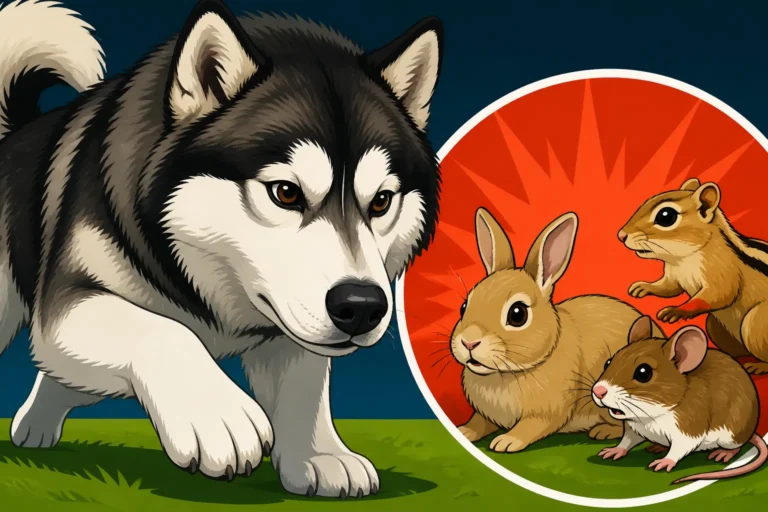
What an Alaskan Malamute Will Work For
If you've ever found yourself calling your Alaskan Malamute over and over again, only to be met with a casual glance before they wander off to sniff something far more interesting, you're not alone. The common frustration among Malamute owners is that these magnificent, intelligent dogs often seem to operate on their own agenda, leaving you wondering what on earth could possibly capture their attention enough to motivate them. This guide is here to shed light on the unique drives and desires that truly make an Alaskan Malamute tick, helping you understand how to tap into their intrinsic motivations for a more harmonious partnership.
Understanding the Malamute Mindset
Before we even begin to talk about specific rewards, it's crucial to understand the fundamental psychology of the Alaskan Malamute. These aren't your average "pleaser" breeds. They were bred for millennia to make independent decisions in harsh, often life-threatening environments, far from direct human supervision. This history has etched a profound sense of self-reliance and intelligence into their very being, which manifests as an independent, often stubborn, streak in our modern homes.
Their Independent Nature
Imagine being a Malamute in the Arctic, navigating treacherous ice, leading a sled team through a blizzard, or even hunting for food. Your survival, and the survival of your human companions, depended on your ability to think for yourself, to assess a situation, and to act decisively without waiting for a command. This isn't disobedience; it's deeply ingrained survival instinct. When your Malamute seems to ignore you, they're often weighing your request against what they perceive as their own immediate interests or environmental cues. They aren't trying to be difficult; they're simply being true to their heritage. This independent spirit is part of what makes them so captivating, but it also means our approach to motivation needs to be different.
When you ask your Malamute to "sit," and they instead stare intently at a squirrel in the distance, it’s not because they don't understand the command. It's because the squirrel's potential for a chase, a brief surge of their innate What an Alaskan Malamute Was Bred to Hunt, is a far more compelling offer than whatever you're providing. You’re competing with millions of years of evolutionary programming. Acknowledge this, and you can begin to shift your perspective on training, moving away from frustration and towards understanding and strategic engagement.
The "What's In It For Me?" Attitude
Because of their independent nature, Malamutes are constantly evaluating the benefit of cooperation. They operate on a clear "What's in it for me?" principle, and if your offer isn't enticing enough, they'll simply move on. This isn't maliciousness; it's pragmatic intelligence. They are smart enough to know when they're being asked to do something that doesn't benefit them or, worse, something boring.
This means that simply repeating a command louder, or getting visibly annoyed, will rarely yield the desired result. In fact, it often backfires, as they learn that your frustration is just noise they can tune out. You need to be more persuasive, more creative, and offer something that genuinely makes them want to engage. Think of it less as giving an order and more as negotiating with a highly intelligent, self-interested partner. Your goal is to make your offer the most appealing option available.
Primary Motivators: Food and Prey Drive
Given their history as working dogs in lean environments, it's no surprise that food and their inherent prey drive are incredibly powerful motivators for Alaskan Malamutes. These aren't just tools; they're deeply woven into the fabric of their existence.
The Allure of High-Value Treats
When it comes to food, not all treats are created equal in the eyes of an Alaskan Malamute. That dry, crunchy kibble might be fine for their regular meals, but for true motivation, you need to bring out the big guns. Think high-value, aromatic, and delicious. Cooked chicken, cheese, hot dogs, freeze-dried liver, or even small chunks of their favorite wet food can work wonders. The smellier, the better! These aren't just snacks; they're potent bargaining chips.
Using high-value treats effectively means rationing them for specific training scenarios. Don't use them for everyday requests they already know, but reserve them for new, challenging commands or situations where their focus is difficult to capture, like in a busy park. This scarcity keeps them special and maintains their motivating power. A Malamute might perform a perfect "stay" for a piece of roast beef, a command they might otherwise consider optional for a simple "good boy." You can find a vast array of these high-value options, from single-ingredient freeze-dried protein to training-specific chewy bits, easily available on platforms like Amazon.
Leveraging Natural Instincts
Beyond food, the Malamute's powerful prey drive can be a significant motivator, especially for games and certain types of training. This isn't about encouraging them to hunt small animals, but rather channeling that instinct into appropriate, safe outlets. Think of the joy they get from a good chase or the satisfaction of "catching" something.
Flirt poles, tug toys, and even well-controlled games of fetch can tap into this drive. A flirt pole, which is essentially a long stick with a lure attached to a rope, allows them to chase and "catch" the lure without actually harming anything. This satisfies their urge to pursue and pounce, and you can use the successful "capture" as a reward for a good recall or a moment of focused attention. Similarly, a hearty game of tug, where they get to exert their strength and satisfy their urge to "kill" the prey (the toy), can be an excellent reward after a difficult training session. Just remember that games should always be structured and on your terms, ensuring you initiate and end play.
Beyond the Belly: The Power of Play and Praise
While food is often king, especially in the early stages or for difficult tasks, Malamutes are also intelligent, social creatures who respond to interaction, play, and genuine affection. These motivators build a deeper bond and make training less about a transaction and more about a partnership.
Interactive Play as a Reward
For an Alaskan Malamute, a vigorous game of tug, a chase with a favorite squeaky toy, or even a good rough-and-tumble wrestling match with you can be an incredibly powerful reward. These aren't just ways to burn off energy; they're opportunities for connection and for them to engage their minds and bodies in ways they find inherently satisfying. Many Malamutes live for these moments of intense, shared play.
Using play as a reward means understanding what your individual Malamute truly enjoys. Some might go wild for a ball, others for a specific tug toy they can really sink their teeth into. The key is that you are part of the play, making it interactive and engaging. For instance, after a successful "down-stay" in a distracting environment, a quick, enthusiastic game of tug lasting 30-60 seconds can reinforce the desired behavior far more effectively than another piece of kibble. This also offers a wonderful break in training, keeping their spirits high and preventing boredom. Remember, the game starts and ends with you, teaching them impulse control even in excitement.
The Role of Affection and Verbal Encouragement
While they might appear stoic, Alaskan Malamutes are often deeply affectionate with their chosen family. Sincere praise, a happy tone of voice, and a good scratch behind the ears can go a long way. They might not show it with effusive tail wags and constant licks like some other breeds, but they absorb and appreciate your approval. The trick is to make your praise genuine and enthusiastic, reflecting your true pleasure in their effort.
Consider the context: a Malamute might ignore a half-hearted "good boy," but a genuinely excited "YES! Good job, buddy!" followed by a deep chest rub might get their ears perked and tail giving a slow, happy swing. They read our emotions. If you're genuinely happy with their performance, they will feel it too. This kind of positive reinforcement strengthens your bond and encourages them to offer desired behaviors because they enjoy the positive interaction with you, not just the tangible reward. Many online training programs, like those offered by BAXTER & Bella, emphasize building this kind of relationship-based motivation, teaching owners how to communicate effectively with their dogs through positive reinforcement and clear cues.
The Urge to Pull: Tapping into Instinct
This is perhaps the most defining characteristic of the Alaskan Malamute and one of the most powerful motivators you can possibly tap into: their innate, unshakeable urge to pull. They were bred for it, they live for it, and denying them this outlet is like asking a bird not to fly.
The Deep-Seated Drive to Work
The Alaskan Malamute was developed over centuries to haul heavy loads across vast, frozen landscapes. Every fiber of their being, from their powerful shoulders to their dense coat, is designed for sustained, purposeful work. This isn't just a hobby for them; it's an instinctual drive, a primal need to expend energy in a directed manner. When they're pulling, they are truly in their element, fulfilling their historical purpose.
Many behavioral issues, such as destructive chewing, excessive digging, or even perceived stubbornness, can stem from a lack of appropriate outlets for this working drive. A bored Malamute is a destructive Malamute, and a Malamute whose instinct to pull is suppressed will often find other, less desirable ways to occupy themselves. Providing opportunities for them to pull, even in a recreational setting, can dramatically improve their overall happiness, focus, and willingness to cooperate in other areas of their lives. It's not just physical exercise; it's mental and emotional fulfillment. Pulling Is the Only Job an Alaskan Malamute Really Wants is a core truth about this breed.
Introducing Harness Work and Scent Games
You don't need a sled team or miles of snow to satisfy this drive. Even urban Malamutes can benefit immensely from structured pulling activities. Start with a proper, well-fitting harness designed for pulling, not just walking. A regular walking harness might be fine for strolls, but a specialized pulling harness distributes weight correctly and prevents injury. Then, introduce them to activities like canicross (running with your dog pulling you), bikejoring (cycling with your dog pulling), urban mushing with a scooter or cart, or even just pulling you on skis or rollerblades if you're adventurous. The Alaskan Malamute in Skijoring is a perfect example of this natural drive in action.
Even without a rig, simpler activities can engage their working brain. Scent work, where they use their noses to track treats or toys, can be incredibly motivating and mentally stimulating. It taps into their natural seeking behavior and gives them a "job" to do, which is precisely what they crave. Hide-and-seek with toys or treats, or even joining an organized scent work class, can be a fantastic way to engage their problem-solving skills and reward them with the satisfaction of a successful "find." This kind of mental engagement is just as important as physical exercise for a well-adjusted Malamute.
Why Consistency and Leadership Matter
Motivation isn't just about treats and toys; it's about the entire relationship you build with your Malamute. They thrive on consistency, clear expectations, and respectful, confident leadership. Without these, even the best treats might not be enough to override their independent spirit.
Establishing Clear Expectations
Malamutes are incredibly intelligent, and they learn quickly what they can get away with. If you sometimes allow them on the sofa and sometimes don't, they'll always try the sofa. If a "sit" sometimes gets a treat and sometimes doesn't, they'll be less inclined to sit. Consistency is paramount. Every member of the household needs to be on the same page regarding rules, commands, and expectations.
This isn't about being harsh or authoritarian; it's about being predictable and fair. When your Malamute knows exactly what you expect from them and understands the consistent rewards (or lack thereof) for their actions, they are far more likely to cooperate. Think of it as establishing a clear language. If the language changes daily, they'll struggle to understand, and their "stubbornness" will likely increase. Establishing consistent routines, from feeding times to walks to training sessions, also helps them feel secure and understand their place within the family structure. The Adolescent Malamute That Rewrites the Rules at Fourteen Months often does so by testing these very boundaries.
Building a Strong Bond Through Trust
A Malamute who trusts and respects you is a Malamute who is more willing to work with you. This trust is built on fair treatment, clear communication, and positive experiences. If your Malamute associates you with fun, exciting activities, delicious rewards, and consistent, calm guidance, they will naturally be more inclined to pay attention and respond to your requests. They need to see you as a reliable leader who provides for their needs and offers engaging opportunities.
Avoid punishment or force, as these tactics will erode trust and likely backfire, making your Malamute shut down or become more resistant. Why Force Fails on an Alaskan Malamute is a critical concept to grasp with this breed. Instead, focus on positive reinforcement, patience, and celebrating their successes, no matter how small. Spend quality time together, whether it’s a long hike, a training session, or just quiet cuddles. The stronger your bond, the more valuable your praise and attention become as motivators, reinforcing their desire to please you not just for a treat, but because they value your shared connection.
Avoiding Common Motivation Pitfalls
Even with the best intentions, it's easy to fall into traps that hinder your Malamute's motivation. Understanding these common pitfalls can help you adjust your approach and keep your training positive and effective.
The Danger of Force and Aversives
Attempting to motivate an Alaskan Malamute through fear, intimidation, or physical force is not only detrimental to your bond but largely ineffective. As mentioned before, their independent nature means they will resist coercion. Force might temporarily suppress a behavior, but it won't teach them what you want them to do, nor will it foster genuine cooperation. Instead, it breeds resentment, fear, and can lead to anxiety or aggression.
Tools like prong collars or shock collars, while sometimes used for control, should be approached with extreme caution, if at all, and only under the guidance of a highly experienced, positive reinforcement trainer who understands the Malamute temperament. Far too often, these tools are misused and cause more harm than good, creating a dog that is fearful rather than motivated. Remember, a Malamute isn't trying to dominate you; they're simply being themselves. Your goal is to make cooperation a positive choice, not a forced one.
Recognizing Boredom and Fatigue
Sometimes, what appears to be stubbornness is simply boredom or fatigue. Malamutes are intelligent and can get bored with repetitive drills very quickly. If you're asking for the same trick 20 times in a row, don't be surprised if they suddenly "forget" how to do it and wander off. Keep training sessions short, varied, and fun. Break them up with play or different activities to maintain interest.
Conversely, a Malamute can also become fatigued, especially after a long walk or intense pulling session. Asking for complex tasks when they're physically or mentally exhausted will yield poor results. Learn to read your dog's body language. Are their ears back? Are they yawning excessively? Are their eyes glazed over? These can be signs they've had enough. Ending a session on a positive note, even if it's just a simple "sit" for a great reward, is always better than pushing them to the point of frustration for both of you.
| Motivator Type | Examples | When to Use | Pros | Cons |
|---|---|---|---|---|
| High-Value Food | Cooked chicken, cheese, hot dogs, freeze-dried liver | New commands, high-distraction environments, quick wins | Universally appealing, easy to deliver quickly, highly effective for focus | Can lead to weight gain, loses value if overused, messy |
| Interactive Play | Tug toys, flirt poles, fetch (with handler) | After successful complex tasks, to release energy, bond | Builds strong relationship, highly engaging, great physical outlet | Requires handler participation, can escalate excitement if not managed |
| Affection/Praise | Enthusiastic verbal praise, chest rubs, ear scratches | Known commands, low-distraction environments, maintaining rapport | Strengthens bond, always available, builds intrinsic motivation | Less effective for highly distracting situations or new, difficult tasks |
| Instinctual Work | Pulling harness activities (canicross, sledding), scent work | Regular exercise, mental stimulation, addressing behavioral issues | Fulfills primal needs, provides purpose, builds confidence | Requires specific gear, time commitment, physical demands on handler |
Conclusion: A Partnership Built on Understanding
Motivating an Alaskan Malamute isn't about finding a magic bullet; it's about understanding their history, respecting their independent spirit, and building a partnership based on trust, consistency, and highly compelling incentives. They are not dogs that blindly obey, but rather intelligent companions who choose to cooperate when they see value in doing so. By offering truly high-value rewards, channeling their incredible prey and pull drives, and being a clear, consistent, and positive leader, you can unlock the full potential of your Malamute and enjoy a fulfilling, responsive relationship that goes far beyond simple obedience. It's a journey, not a destination, and every step taken with understanding makes the path smoother for both of you.
Disclaimer
This article is for general informational purposes only and does not constitute professional advice. Laws, prices and regulations vary by location and change over time. Consult a qualified professional for guidance on your specific situation.