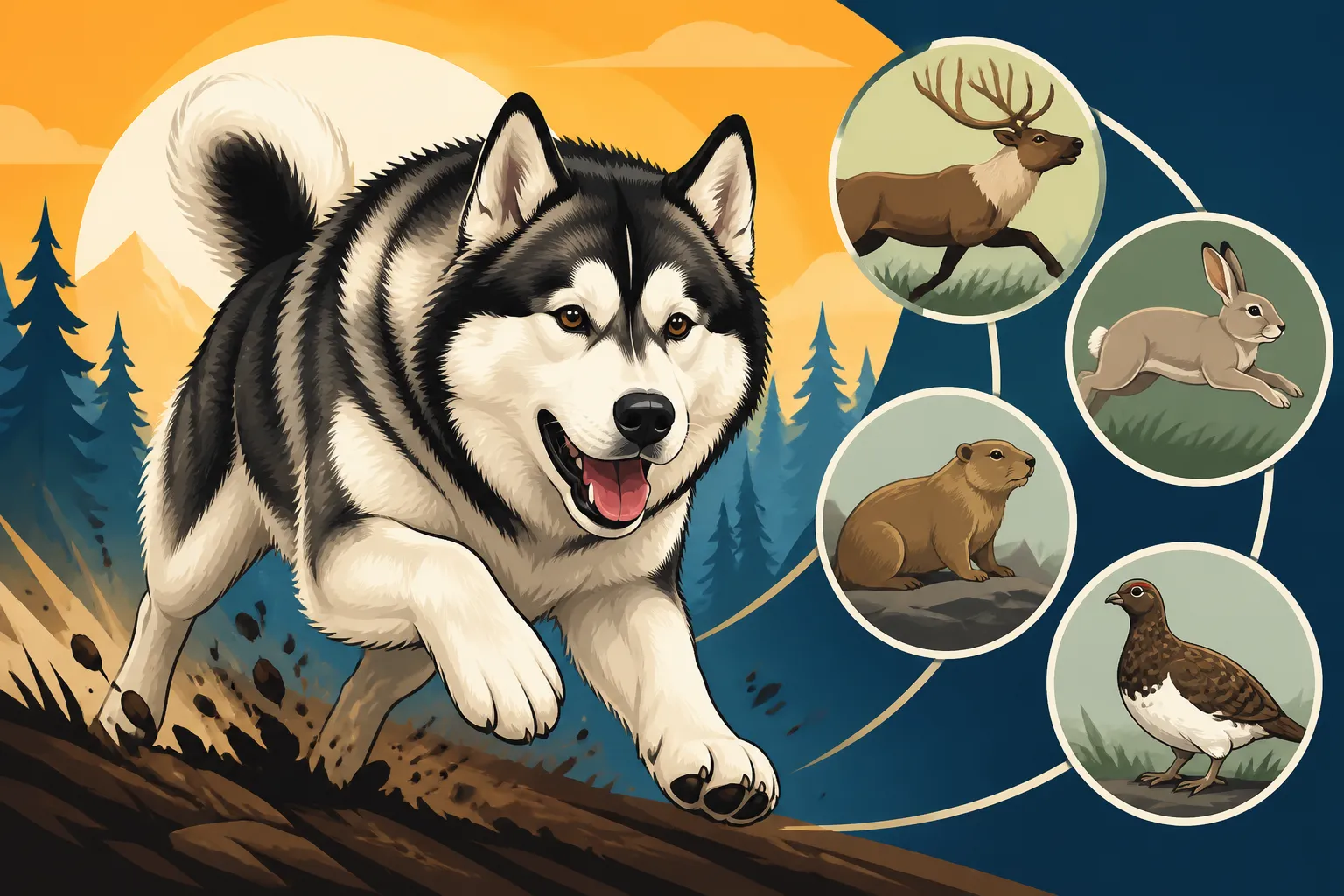
What a Loose Malamute Hunts
It’s a heart-stopping moment for any Alaskan Malamute owner: your powerful, intelligent dog is suddenly off-leash, out of sight, and unresponsive to your calls. The panic that sets in is more than just fear of losing your beloved companion; it's a primal dread of what they might encounter, and more specifically, what their ancient instincts might compel them to hunt. Understanding what a loose Malamute is likely to pursue is crucial, not just for their safety, but for the safety of other animals and for preventing devastating incidents that can haunt an owner for years.
The Unignorable Force of a Malamute's Prey Drive
Let's be real: Alaskan Malamutes were bred for a purpose, and that purpose involved survival in harsh environments. Their ancestors worked alongside the Mahlemut people of the Arctic, not just pulling sleds, but also participating in hunts. They were intelligent partners, capable of tracking, cornering, and sometimes even taking down large game. That powerful, instinctive drive isn't something that's been bred out of them simply because they now live in our homes and sleep on our couches. It’s deeply ingrained, a part of their very being.
When a Malamute gets loose, especially one that doesn't regularly engage in working activities, this dormant hunting instinct can awaken with startling intensity. They might be the sweetest, most gentle dog at home, but once the scent of a small, fast-moving creature hits their nose, or they spot something darting across their path, a switch flips. It's not malice; it's millions of years of evolutionary programming taking over. They don't see a neighbor's cat or a squirrel; they see a target, a chase, and the fulfilling of an ancient urge. This is why it’s so critical to understand that A Malamute Was Bred to Hunt Bears and It Has Not Forgotten.
What Fuels the Chase: The Instinctive Sequence
A Malamute's prey drive isn't just about the kill; it's a whole sequence of behaviors that are intensely rewarding to the dog. It starts with detection – a sudden movement, a scent on the wind, a sound. Then comes the orienting, the intense focus on the target. Next, the stalk, often a low, creeping approach, utilizing cover. The most exhilarating part, for many Malamutes, is the chase itself. The sheer speed, the focused energy, the adrenaline rush – it’s a powerful natural high. Finally, if successful, comes the capture and the kill.
This entire sequence is self-reinforcing. Every successful chase, even if it doesn't end in a kill, makes the dog more likely to pursue the next opportunity. It's why a single incident of a loose Malamute chasing a squirrel can escalate into a recurring problem. The thrill is addictive, and it often overrides any training or recall they might have, no matter how solid it seems in a controlled environment. This inherent drive also explains Why an Alaskan Malamute Will Never Have a Reliable Recall in certain high-stimulus situations.
Independence and Opportunity
Malamutes are also highly independent thinkers. They were bred to make decisions in challenging environments without constant human instruction. While this makes them incredible working partners, it also means that when they are loose, they are perfectly capable of deciding to follow their own instincts rather than waiting for your command. The opportunity for a chase, combined with their independence, creates a dangerous scenario where they will often simply ignore your frantic calls.
The Unsuspecting Victims: Small Animals and Neighborhood Pets
When a Malamute gets loose, the most immediate danger is often to smaller animals in the vicinity. Their size, strength, and surprising agility make them formidable predators, especially to creatures not accustomed to such a powerful chase.
Local Wildlife: Squirrels, Rabbits, and More
Your local park or even your own backyard can become a hunting ground. Squirrels, rabbits, raccoons, opossums, groundhogs, and even birds are all potential targets. These animals, while often fast, are typically no match for a determined Malamute. The sight of a rabbit bolting can trigger an immediate, explosive chase response. A Malamute can cover ground incredibly quickly, and their strong jaws are more than capable of dispatching small prey. Even if they don't kill the animal, the chase alone can cause immense stress and injury.
It's not uncommon for a Malamute to view a busy squirrel in the yard as an irresistible challenge. They will dig, bound, and strategize, sometimes for hours, trying to get to these small creatures. When unleashed in an open area, this focus intensifies, and their chances of success increase dramatically.
The Heartbreaking Reality: Neighbor's Cats and Small Dogs
This is where the loose Malamute can cause the most distress and legal trouble for owners. An off-leash Malamute poses a severe threat to domestic animals, particularly cats and small dog breeds. A cat darting across a yard, or a small dog being walked on a flexi-leash, can easily trigger that intense prey drive. For the Malamute, these animals simply register as "prey" – they don't distinguish between a wild rabbit and your neighbor's beloved Shih Tzu.
We hear heartbreaking stories all too often. A tiny poodle or chihuahua, happily sniffing grass, suddenly becomes the focus of a powerful, fast-moving Malamute. The outcome is rarely good. This isn't about aggression in the typical sense; it's purely a predatory response. The Malamute isn't trying to fight the small dog; it's trying to catch and kill it. This is why we so frequently talk about The Risk a Malamute Poses to a Small Dog and The Risk an Alaskan Malamute Poses to Cats. Even if your Malamute was raised with a cat in the house, that doesn't guarantee they will extend that same acceptance to every other cat they encounter. The dynamics of a perceived "intruder" or a fleeting movement can change everything.
Beyond the Backyard: Livestock and Larger Prey
While most immediate concerns center on smaller animals, a loose Malamute, especially in a more rural setting, can pose a significant threat to livestock and even larger wild game. The consequences in these situations are often far more severe, both for the animals and for the Malamute owner.
Devastation on the Farm: Chickens, Goats, and Sheep
If your Malamute manages to escape in an area with farms or homesteads, the potential for disaster skyrockets. Poultry like chickens and ducks, sheep, and goats are incredibly vulnerable. These animals often move in a way that triggers a Malamute's chase instinct, and their lack of effective defenses makes them easy targets. A single Malamute can cause immense damage and loss in a short amount of time.
Farmers depend on their livestock, and a predatory dog can wipe out a flock or herd, leading to substantial financial losses and emotional distress. In many jurisdictions, a dog caught worrying or killing livestock can be legally shot by the farmer, or the owner can face significant fines and legal action. It’s a harsh reality, but it underscores the seriousness of preventing escapes. Understanding What a Malamute Does to Poultry can truly open your eyes to the potential devastation.
The Rare but Real Threat to Larger Wild Game
While Alaskan Malamutes are built for endurance and freighting rather than fast, solitary hunting of large prey, the instinct is still there, especially if they are hungry or operating in a pack (even a pack of two loose dogs). Young deer fawns, injured deer, or other vulnerable larger wild animals can become targets. They might not be able to successfully bring down an adult deer, but they can injure it severely, causing immense suffering, or exhaust it to the point of collapse.
This is less common than chasing small game, but it’s a possibility that reinforces the need for absolute containment. A Malamute operating on pure instinct, far from human intervention, can do things you might never imagine your sweet companion capable of.
Summary of Potential Prey
Here's a quick look at common prey for a loose Malamute:
| Category | Examples | Risk Level | Notes |
|---|---|---|---|
| Small Wildlife | Squirrels, Rabbits, Opossums, Raccoons, Birds | High | Extremely common targets; chase is highly rewarding. |
| Domestic Cats | Any outdoor or stray cat | Very High | Often perceived as prey due to size and movement; tragic outcomes are frequent. |
| Small Dogs | Chihuahuas, Poodles, Terriers, etc. | Very High | Mistaken for prey, especially if running or scared; can lead to severe injury or death. |
| Poultry | Chickens, Ducks, Geese | High | Easy targets in rural settings; can cause rapid, significant loss for owners. |
| Livestock | Sheep, Goats, Calves | Moderate to High | Less common in urban areas; extremely damaging in rural settings; legal repercussions for owners. |
| Large Wildlife | Deer (especially fawns/injured), Elk calves | Low to Moderate | More likely to injure or worry than make a clean kill, but still a serious concern for animal welfare. |
Preventing the Hunt: Containment and Proactive Management
Given the powerful nature of a Malamute's prey drive, the responsibility falls squarely on the owner to prevent escapes and manage situations where their dog might encounter tempting prey. This isn't about training the prey drive out of them – that's often an impossible task – but about managing it responsibly.
Fortifying Your Perimeter: A Wall Against Instinct
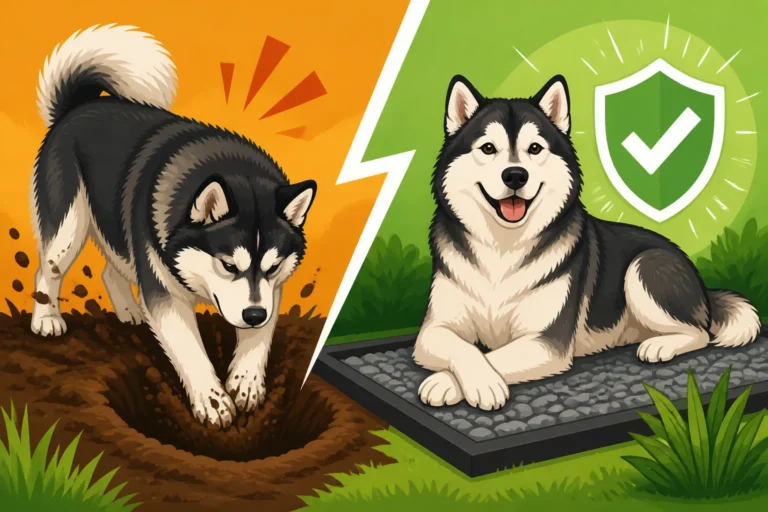
Your yard needs to be a fortress. A standard picket fence simply won't cut it. Malamutes are notorious escape artists; they can dig, climb, and even figure out latches. Your fence should be at least six feet high, and for the serious diggers, you'll need to bury it deep or add a concrete footing. This isn't an exaggeration; How Far Down a Malamute Will Dig can be truly astounding. Consider L-footer fencing or chicken wire laid flat on the ground and secured, extending a few feet inward, to deter digging. Check all gates and latches regularly; many Malamutes are clever enough to manipulate simple mechanisms. You might find heavy-duty, chew-proof kennel panels and secure latches on Amazon that are specifically designed for strong breeds.
Leash and Training Discipline: Management is Key
Outside of a securely fenced area, an Alaskan Malamute should always be on a leash. This is not negotiable. A reliable recall is difficult to achieve with this breed, especially when prey drive kicks in. Even a moment of distraction can lead to them bolting after a squirrel or deer. Invest in a sturdy, non-retractable leash and a well-fitting harness that they can't slip out of. Double-leashing – attaching two leashes, one to a collar and one to a harness – provides an extra layer of security.
For exercise in open areas, consider using a long line (a 30-50 foot leash) in a safe, contained field, but never trust them off-leash in an unfenced space. Work on engagement and focus training intensely, but always with the understanding that instinct can trump training. For help with advanced obedience and management strategies, online resources like BAXTER & Bella can offer structured programs and support for handling strong-willed breeds. They can teach you how to build better focus and responsiveness, even if absolute recall is a distant dream when prey is involved.
GPS Trackers and Identification: Your Malamute's Lifeline
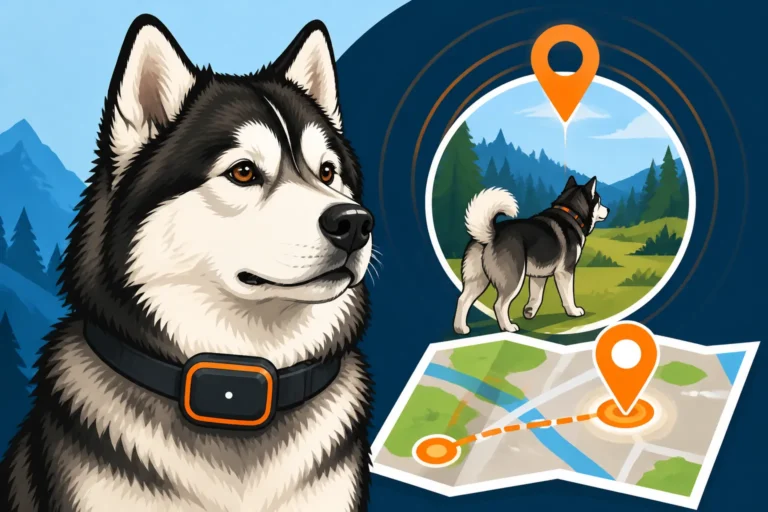
Even with the best precautions, escapes can happen. A sturdy collar with up-to-date ID tags is essential, but for a Malamute, a GPS tracker can be a literal lifesaver. These devices attach to their collar and allow you to track their location in real-time via a smartphone app. This can drastically reduce the time they spend loose and decrease the chances of them encountering, and hunting, other animals. Given their propensity to wander and pursue scents, Why a GPS Collar Is Essential for a Malamute cannot be overstated. Microchipping is also a must, providing permanent identification if they lose their collar and tags.
Muzzle Training: A Proactive Safety Measure
For Malamutes with an extremely high prey drive, or those who have had previous incidents with other animals, muzzle training is a responsible and proactive step. A well-fitted basket muzzle allows them to pant, drink, and even take treats, but it prevents them from biting or grabbing other animals. It’s not a punishment; it's a safety tool. Muzzle training means you can still take your Malamute for walks, even in areas where you might encounter wildlife or other dogs, with the peace of mind that they cannot harm. This is a topic that should be embraced, as Why Every Malamute Should Be Muzzle Trained provides a level of security that can be invaluable.
By understanding the powerful, inherent drive within your Alaskan Malamute and taking stringent preventative measures, you can enjoy your magnificent companion without the constant fear of what they might hunt if they ever get loose.
Disclaimer
This article is for general informational purposes only and does not constitute professional advice. Laws, prices and regulations vary by location and change over time. Consult a qualified professional for guidance on your specific situation.