Leash Reactivity in an Alaskan Malamute
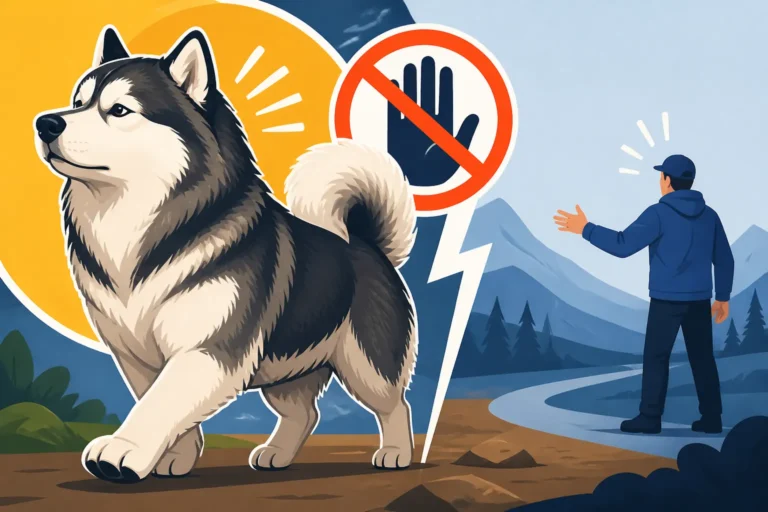
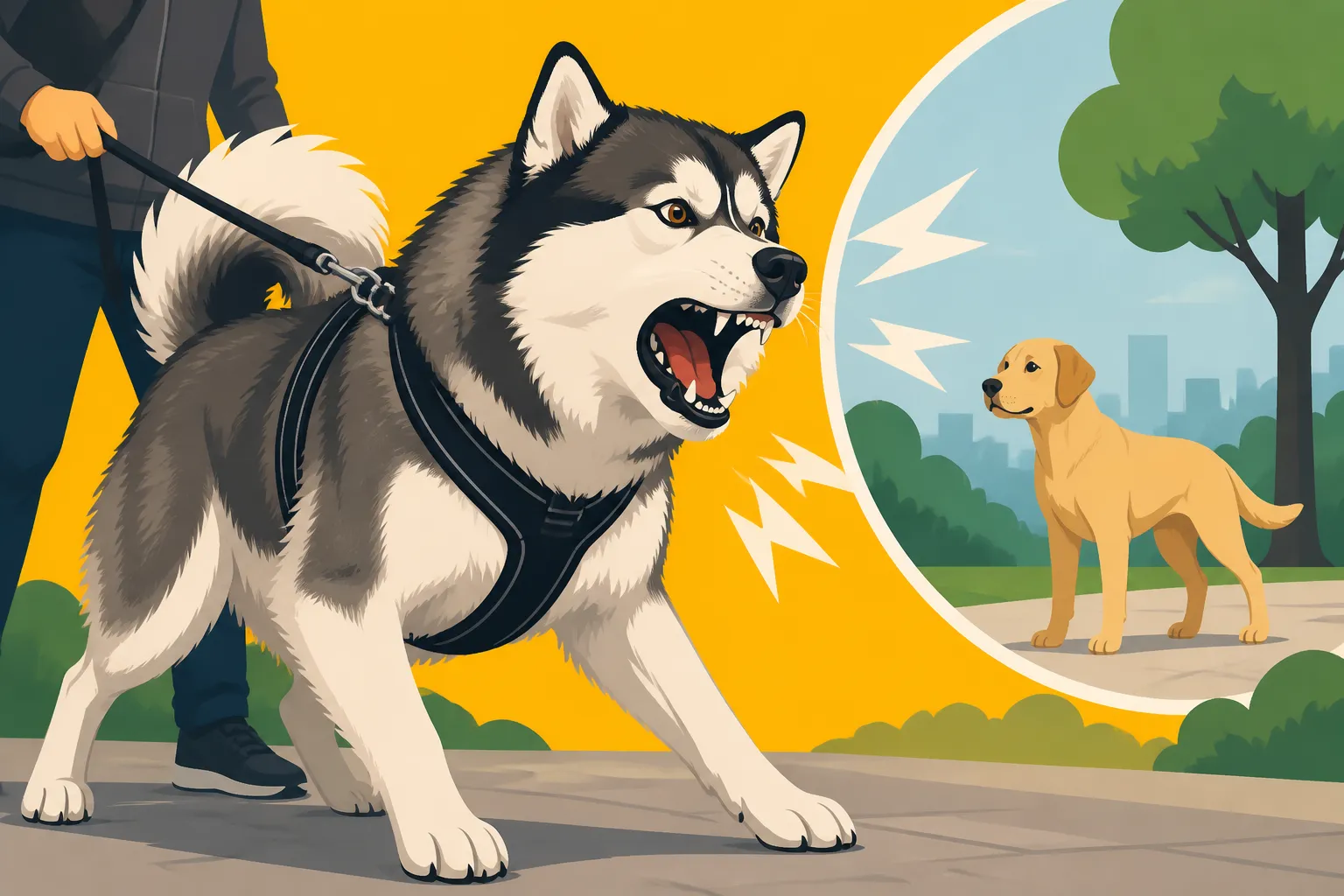
It's incredibly frustrating, and let's be honest, often embarrassing, when your majestic Alaskan Malamute suddenly transforms into a lunging, barking, or growling beast the moment another dog or person appears on your daily walk. You're trying to enjoy a peaceful stroll, and suddenly you're yanked off balance, apologising profusely to startled strangers, and feeling that familiar knot of dread in your stomach. This guide is here to help you understand why your Malamute might be reacting so strongly on leash and, more importantly, equip you with practical strategies and a realistic outlook to manage and potentially improve this challenging behavior.
Understanding Why Your Malamute Reacts on Leash
Leash reactivity in an Alaskan Malamute isn't usually born of malice, but rather a complex mix of instinct, frustration, and sometimes, fear. It’s crucial to peel back the layers and understand the root causes if you want to make any real progress. You’re not dealing with a dog that's trying to be 'bad'; you're dealing with a powerful, intelligent, and often misunderstood animal reacting to its environment.
The Instinctual Roots of Reactivity
Let's face it, your Malamute isn't just a fluffy companion; they are direct descendants of robust working dogs bred for specific, demanding tasks in harsh environments. These instincts run deep. Alaskan Malamutes were bred to pull heavy freight, often working alongside other dogs, but they also possess a formidable prey drive and a strong sense of their own space. What an Alaskan Malamute Was Bred to Hunt for example, highlights their historical roles. When a squirrel darts across your path, that sudden explosion of energy and focus isn't naughtiness; it's thousands of years of genetics kicking in. Similarly, their interactions with other dogs in their ancestral roles were often about hierarchy and cooperation within a specific pack, not casual greetings with every dog on the street. This can translate to a certain level of territoriality or a strong, sometimes overwhelming, need to 'check out' or assert themselves towards unfamiliar canines. These ingrained traits, when constrained by a leash, can easily boil over into a reactive display.
Consider a typical walk: your Malamute sees another dog approaching. Their instinct might be to investigate, to assert dominance, or perhaps even to give chase if they perceive the other dog as prey-like or a challenge. When the leash prevents them from enacting these powerful impulses, that pent-up energy and intention can manifest as barking, lunging, and pulling. It's a primal scream of frustration at being held back from what their genes are telling them to do. For some Malamutes, their strong personalities mean they're not afraid to communicate their feelings, and a leash-pulling tantrum is a very effective way for them to express their displeasure or perceived threat. The Risk an Alaskan Malamute Poses to Small Animals can give you further insight into their inherent drive.
The Frustration Barrier: Leash and Lack of Control
The leash, while a necessary safety tool, can paradoxically exacerbate reactivity. Think about it from your Malamute's perspective: they see a trigger – another dog, a person, a skateboarder – and they want to move towards it, away from it, or engage with it in some way. But they can’t. They hit the end of the leash, physically restrained from acting on their impulses. This constant restraint creates immense "barrier frustration." It’s like being stuck in traffic when you’re in a hurry; the inability to move freely, combined with the presence of the irritating factor, quickly builds tension.
For a powerful breed like the Malamute, who is used to having incredible freedom of movement and agency when working or living in a pack, this lack of control can be incredibly irritating and even frightening. They might associate the tightness of the leash and your attempts to restrain them with the appearance of the trigger itself. The leash, intended to keep them safe, becomes a symbol of their helplessness and escalating frustration. This can turn a naturally curious or slightly wary dog into one that explodes every time they feel that constraint in the presence of a trigger. What might have been a calm, albeit aloof, off-leash encounter, becomes a chaotic scene when a taut leash adds to the mix.
Fear, Anxiety, and Lack of Socialization
While many Malamutes are confident, some reactivity stems from underlying fear or anxiety. Not every lunge is an act of aggression; sometimes, it’s a desperate plea for space from something that makes them uncomfortable. If a Malamute hasn't had ample positive exposure to a wide variety of dogs, people, sounds, and environments during their critical socialization period as a puppy, they might grow up to be insecure or fearful. This lack of Where to Socialize a Malamute Puppy Before Full Vaccination can lead to them perceiving new or unfamiliar stimuli as threats.
Anxiety-based reactivity often looks like an attempt to make the scary thing go away. A Malamute might bark and lunge because it's learned that this behavior often causes the trigger (like another dog or person) to retreat, thus "solving" their problem. This is a self-reinforcing cycle that's hard to break. They aren't trying to fight; they're trying to create distance through a display. Past negative experiences, such as being rushed by an off-leash dog or having an unpleasant interaction, can also contribute to this fear and the development of reactive behaviors. Even subtle forms of fear can manifest as seemingly aggressive displays as a defensive mechanism.
Recognizing the Signs and Triggers of Leash Reactivity
Understanding why your Malamute is reactive is one thing, but knowing when it's about to happen and what sets them off is crucial for effective management. Being able to read your dog’s body language and identify their specific triggers empowers you to intervene proactively, rather than reactively.
Early Warning Signals
Most Malamutes don't go from perfectly calm to full-blown reaction in an instant. There are often subtle, early warning signals that, once you learn to recognize them, can give you precious seconds to act. Before the barking and lunging begins, your Malamute might stiffen their body, raise their hackles slightly, or give a hard, direct stare at the approaching trigger. You might notice "whale eye," where the whites of their eyes are visible as they turn their head slightly but keep their gaze fixed. Their tail might go up, stiff, or low and tucked. They might even emit a low growl or a nervous lip lick, indicating stress.
As the stress increases, these signals can escalate. You might see their ears flatten, their mouth close tightly, or their pace quicken as they strain towards the trigger. It's during these early stages that you have the best chance to redirect their attention or create distance. Waiting until they're already barking and lunging means they're over threshold, and at that point, effective communication or training becomes incredibly difficult. Observing these nuances in their behavior is paramount, and it often requires you to be as vigilant as they are on a walk.
Common Triggers for Malamutes
Every Malamute is an individual, so their specific triggers will vary, but some are particularly common in the breed due to their inherent traits. Other dogs are a frequent trigger, especially dogs of the same sex, intact males, or certain breeds they may find intimidating or overly boisterous. For a Malamute, whose social structure can be quite pronounced, another dog's presence might be interpreted as a challenge or an invasion of space. How Common Dog Aggression Is in Alaskan Malamutes is worth considering.
People can also be triggers, particularly strangers, children (whose unpredictable movements and high-pitched voices can be alarming), runners, or cyclists who approach quickly. Moving objects like skateboards, strollers, or even cars can sometimes elicit a chase response, driven by their prey drive. Specific environments, like busy streets, narrow paths, or even the entrance to your local park, can also become associated with reactive incidents. It’s not always about what the trigger is, but also where and how it appears. A Malamute might be fine with a dog passing quietly on a wide trail, but react violently to the same dog on a tight sidewalk where escape is impossible.
Keeping a Reactivity Journal
One of the most powerful tools in managing leash reactivity is a detailed reactivity journal. It sounds simple, but consistently tracking incidents can reveal patterns you might otherwise miss. For each reactive episode, jot down:
- Time and Date: Helps identify if certain times of day are worse (e.g., peak walk times).
- Location: Was it a specific street, a park entrance, or anywhere?
- Trigger: What exactly set them off? (e.g., "small white fluffy dog," "child on scooter," "delivery truck"). Be specific!
- Distance to Trigger: How far away was the trigger when your Malamute reacted? This is critical for desensitization.
- Your Malamute's Reaction: Describe their behavior (e.g., "one bark, then lunged," "low growl, pulled hard," "whined and tried to hide").
- Your Reaction: How did you respond? (e.g., "pulled leash, said no," "used treat to redirect," "turned around").
- Outcome: Did the trigger leave? Did your dog calm down?
Over time, this journal will illuminate precisely what your Malamute finds most challenging, at what distances, and in which contexts. This data is invaluable for planning safe walks, avoiding known hotspots, and structuring your training efforts effectively. You’ll begin to see the subtle cues and triggers, allowing you to proactively manage situations rather than constantly reacting to them.
Here’s a simple template for your Malamute's Reactivity Journal:
| Date | Time | Location | Trigger | Distance (approx.) | Malamute's Reaction | Your Action | Outcome |
|---|---|---|---|---|---|---|---|
| 2024-03-10 | 8:15 AM | Main Street Park | Golden Retriever, off-leash | 30 feet | Loud barking, straining leash | Tightened leash, tried to turn | Dog approached, Mal still reactive |
| 2024-03-11 | 7:00 AM | Quiet Residential | Jogger, passing | 15 feet | Growl, stiff body, quick lunge | Used "Look at That," treat | Redirected focus, jogger passed |
| 2024-03-12 | 4:30 PM | Dog park exterior | Two dogs playing | 50 feet | Fixated stare, no noise | Continued walking, praised | Ignored dogs after a moment |
Practical Strategies for Managing Leash Reactivity
Managing a reactive Malamute can feel like a full-time job, but with a consistent, patient approach, you can significantly reduce the frequency and intensity of their reactions. Remember, the goal isn't necessarily to have your Malamute greeting every dog or person happily, but rather to teach them to remain calm and attentive to you, even in the presence of triggers.
Management First: Avoiding Triggers and Creating Space
Before you even think about "training," the first and most critical step is effective management. This means doing everything you can to prevent your Malamute from having reactive episodes. Every time they react, the behavior gets reinforced, and it becomes harder to change. So, for a while, your primary mission is avoidance. This might feel inconvenient, but it’s essential for breaking the cycle.
Adjust your walking schedule to off-peak hours when fewer dogs or people are out. Explore new, quieter routes, or even drive to less populated areas for your walks. If you see a known trigger approaching, don't hesitate to turn around, cross the street, or duck behind a car or bush to create a visual barrier. Your Malamute doesn't need to "face their fears" head-on; they need to learn that triggers can appear and disappear without them needing to react. Creating ample space is your best friend. The farther away your Malamute is from their trigger, the more likely they are to remain calm and capable of learning. This strategy isn’t about coddling them; it’s about setting them up for success by ensuring they stay below their "threshold" of reaction.
Training Techniques for Reactivity
Once you've mastered management, you can start layering in training. The key here is positive reinforcement and working under your Malamute's threshold.
1. Counter-Conditioning: This technique aims to change your Malamute's emotional response to a trigger. Instead of associating other dogs with stress or frustration, you want them to associate them with something good, like delicious treats. The "Look at That" (LAT) game is a fantastic tool. When your Malamute spots a trigger at a distance where they are still calm, mark the moment (a verbal cue like "Yes!" or a clicker) and immediately give them a high-value treat. Repeat this. The goal is for them to see the trigger, look at it, then turn to you expectantly for a treat. They learn: "Trigger = yummy food from my human."
2. Desensitization: This works hand-in-hand with counter-conditioning. You gradually expose your Malamute to their triggers at distances and intensities where they can remain calm. Start far away, where the trigger is barely noticeable, and slowly decrease the distance over many sessions, only moving closer when your Malamute consistently remains relaxed. This requires immense patience and keen observation. If your Malamute reacts, you've moved too close, too fast; increase the distance again.
3. Loose-Leash Walking: A solid foundation of loose-leash walking is paramount. If your Malamute is constantly pulling even without triggers, it's going to be impossible to manage them when a trigger appears. Practice walking politely on a loose leash in quiet areas, rewarding every moment the leash is slack. A front-clip harness can be incredibly helpful here, as it redirects their pulling power sideways, making it harder for them to forge ahead. Many good options can be found on Amazon.
4. Positive Reinforcement: This is the bedrock of all effective Malamute training. Why Force Fails on an Alaskan Malamute is an excellent resource for understanding this. Reward any calm behavior in the presence of a trigger – a glance at you, a moment of stillness, walking past without reacting. Use treats, praise, or a favorite toy. The goal is to make staying calm more rewarding than reacting. Consistency is key. Everyone in the household needs to be on the same page with the training methods. Sometimes, structured online courses, like those offered by BAXTER & Bella, can provide excellent step-by-step guidance, helping you apply these principles effectively and get professional input.
Essential Tools and Gear
Having the right equipment can make a world of difference when managing a reactive Malamute.
1. Harnesses and Head Halters: For a powerful Malamute, a flat collar isn't enough and can be dangerous for their neck. A front-clip harness (like the Sensation Harness or Easy Walk Harness, readily available on Amazon) is often a game-changer. It attaches the leash at your dog's chest, so when they pull, they are gently steered to the side, making it much harder for them to lunge forward with full force. A head halter (like the Gentle Leader or Halti) gives you even more control by guiding their head, which in turn directs their body. It's not a muzzle, but it controls the direction of their nose and head, making it harder to fixate on triggers. Always introduce these tools gradually and positively, associating them with good things.
2. Leashes: A standard 6-foot leash is ideal. Avoid retractable leashes entirely, as they offer no real control and can even teach your Malamute that pulling gets them further away. For practicing desensitization in a safe, enclosed area (like a rented field or a very quiet park), a 15-30 foot long line can be useful, but only if you have excellent leash handling skills and know the area is secure.
3. High-Value Treats: Forget the dry kibble. For a reactive Malamute, you need treats that are absolutely irresistible. Think small pieces of cooked chicken, cheese, hot dogs, or liverwurst. These are your currency for changing their emotional response. The higher the value of the treat, the more motivating it will be in the face of a distracting or stressful trigger.
4. Muzzles: While often misunderstood, a well-fitted basket muzzle is an incredibly responsible and kind tool for a reactive Malamute. Why Every Malamute Should Be Muzzle Trained provides a thorough explanation. It doesn't solve the reactivity, but it ensures everyone's safety – your dog's, other dogs', and people's – giving you peace of mind and allowing you to focus on training without fear of a bite. Introduce it slowly, with positive associations, making it a comfortable part of their gear.
Seeking Professional Help and Long-Term Outlook
It's easy to feel isolated and overwhelmed when dealing with a reactive Malamute. But you are not alone, and there is support available. Understanding that this is a journey, not a sprint, is crucial for your sanity and your dog's progress.
When to Call in a Professional
Sometimes, despite your best efforts, your Malamute's reactivity might be too intense, too frequent, or too complex for you to manage alone. This is not a failure on your part; it's a recognition that some behaviors require specialized expertise. Don't hesitate to reach out to a professional if:
- Your Malamute's reactions are escalating in intensity or frequency.
- You feel unsafe or overwhelmed during walks.
- Your training efforts aren't yielding results.
- You're unsure about reading your dog's body language or implementing techniques correctly.
A Certified Professional Dog Trainer (CPDT) who specializes in reactivity or aggression can provide invaluable guidance, hands-on coaching, and tailored strategies. For more severe cases, especially those with a strong underlying fear or anxiety component, a Veterinary Behaviorist (a veterinarian with specialized training in animal behavior) can offer a diagnosis and may even prescribe medication to help manage anxiety while training is underway. Whether a Malamute Owner Needs a Professional Trainer is a good read if you're on the fence about professional help. These professionals can provide an objective assessment of your Malamute's behavior and help you craft a safe, effective, and humane training plan.
Patience, Consistency, and Realistic Expectations
Managing leash reactivity in an Alaskan Malamute is a marathon, not a sprint. These are intelligent, strong-willed dogs with deeply ingrained instincts. You're not just teaching a new trick; you're fundamentally trying to change an emotional response and a deeply practiced behavior pattern. This takes time, patience, and unwavering consistency. There will be good days, and there will be frustrating setbacks. A walk you thought would be calm might suddenly devolve into a reactive display because of an unexpected trigger. It's vital to remember that progress isn't always linear.
Celebrate the small victories: a walk where your Malamute noticed a trigger but didn't react, a moment where they chose to look at you instead of the other dog, or even just a reduction in the intensity of their barking. These small wins are evidence that your efforts are making a difference. Avoid punitive methods, as they often backfire with Malamutes, creating fear and eroding trust. Why Force Fails on an Alaskan Malamute explains why positive, reward-based training is the most effective approach for this breed. Set realistic expectations. Your Malamute may never be the dog that happily greets every stranger or dog, and that's okay. The goal is safety, comfort, and peaceful coexistence.
Life with a Reactive Malamute
Living with a reactive Malamute doesn't mean a diminished quality of life for either of you. It simply means understanding their unique needs and adapting your lifestyle accordingly. Focus on providing appropriate outlets for their energy and intelligence. Many reactive Malamutes thrive on activities like hiking in quiet areas, urban mushing, or Pulling Is the Only Job an Alaskan Malamute Really Wants in controlled environments, which provide mental and physical stimulation without the stress of constant close-quarter interactions with triggers. They also benefit from mental enrichment like puzzle toys, scent work, and training sessions at home.
It’s crucial to continue practicing management and training techniques diligently throughout your Malamute’s life. Why an Alaskan Malamute Will Never Have a Reliable Recall means that a solid leash routine is always going to be necessary. Accept that some compromises will be made, like choosing quieter parks or adjusting your social dog-related activities. Your Malamute is a beloved member of your family, and with understanding, patience, and the right strategies, you can build a strong bond and help them navigate the world with greater calm and confidence.
Disclaimer
This article is for general informational purposes only and does not constitute professional advice. Laws, prices and regulations vary by location and change over time. Consult a qualified professional for guidance on your specific situation.