Why an Alaskan Malamute Howls
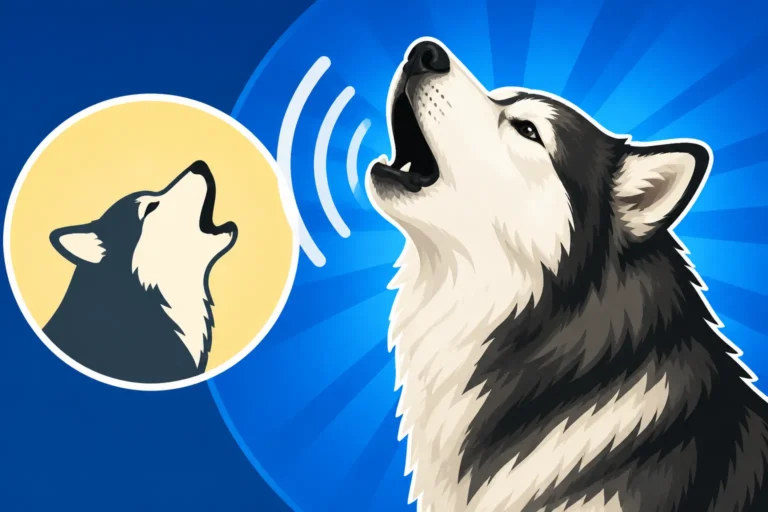
It’s a sound that can chill you to the bone or fill your heart with joy, depending on the context: the distinctive, often haunting howl of an Alaskan Malamute. If you live with one of these magnificent dogs, you’ve undoubtedly experienced it, perhaps at an inconvenient hour or in response to a distant siren, and you might be wondering, "Why on earth do they do that?!" This guide will delve deep into the ancient instincts and modern triggers behind your Malamute's vocalizations, offering insights into why they howl and practical tips for managing this unique form of communication.
The Ancestral Echo: Why Howling is Deeply Ingrained in Malamutes
To understand why your Alaskan Malamute howls, you really have to look back at their roots. These aren't just any dogs; they are living, breathing echoes of their ancestors, bred for thousands of years by the Mahlemut people of the Arctic. Their vocalizations are a direct link to their wild past and their history as working dogs in vast, open landscapes.
The Call of the Wild: Wolf Ancestry and Pack Communication
Alaskan Malamutes are one of the oldest Arctic breeds, and they share a strong genetic lineage with wolves. Think about a wolf pack in the wild: how do they communicate across miles of dense forest or over snow-covered plains? They howl. Howling is an incredibly effective way for canids to announce their presence, locate pack members, warn off rivals, and even express emotions like loneliness or excitement. It’s not a short, sharp bark, but a long, carrying sound designed to travel. Your Malamute carries that ancient programming within them. It's a fundamental part of their being, not a quirk they picked up. When they unleash that powerful sound, they're tapping into a communication method that has served their kind for millennia.
Communication in the Arctic: A Tool for Survival
For the Mahlemut people, who relied on these dogs for survival, howling likely served practical purposes beyond just emotional expression. Imagine a team of freight dogs spread out in a snowstorm, or individual dogs out foraging. A howl could signal location, indicate danger, or call scattered team members back together. These dogs were literally bred for freight, not speed, working in often challenging, vast environments where visual cues were limited. Their howling was a crucial element of their cooperative efforts and their very survival. So, when your Malamute belts out a tune, they aren't necessarily "misbehaving"; they're using a communication tool that was once vital to their existence, even if its immediate purpose isn't as clear in your suburban living room. This ingrained behavior is a stark contrast to dogs bred for guarding or hunting small prey, which might have different vocal tendencies.
Deciphering the Modern Howl: What Your Malamute is Trying to Tell You
While the instinct is ancient, the reasons your modern Malamute howls can be varied and often specific to their current environment and emotional state. It's rarely without cause, and learning to differentiate between their different vocalizations can give you a powerful insight into their world.
The Symphony of Triggers: External Stimuli
One of the most common reasons Malamutes howl is in response to specific sounds or events around them. It’s like they have an internal switch that flips when certain frequencies hit their ears.
Sirens, Music, and Other Dogs
Have you ever noticed your Malamute starting a mournful howl the moment an ambulance siren wails in the distance? Or perhaps they join in with a particularly catchy song on the radio, or respond to the howl of a neighborhood dog they've never even met? This is a classic Malamute trait. Their ears are incredibly sensitive, and certain pitches and frequencies can trigger an automatic, almost involuntary, howling response. It's not necessarily a sign of distress; often, it's just them acknowledging the sound and, in their own way, participating in the "conversation." It's similar to how some dogs react to harmonicas or certain musical notes. They might even seem to enjoy it, adding their own unique cadence to the urban chorus. Why a Malamute Howls at Sirens is a testament to this common phenomenon.
Attention-Seeking and Environmental Cues
Sometimes, the howl is a direct communication to you. Malamutes are intelligent and will quickly learn that a howl gets a reaction. If they're bored, want food, or simply want you to acknowledge them, a well-placed howl might do the trick. They might also howl in response to seeing another animal outside, hearing a strange noise, or even just as you walk in the door, a joyful announcement of your return. They often use a characteristic "woo" sound, which is a softer, more conversational howl, distinct from an alarm bark. Understanding What a Malamute's Woo Actually Means can help you recognize when they're just saying hello versus trying to tell you something more urgent.
Emotional Outpourings: Internal States
Beyond external triggers, a Malamute's howl can be a profound expression of their inner world, reflecting feelings of loneliness, anxiety, or even simple joy.
Separation Anxiety and Loneliness
This is often the most heartbreaking reason a Malamute howls. These are pack animals, deeply bonded to their human families. Being left alone for long periods can be incredibly stressful for them, leading to classic symptoms of separation anxiety. A prolonged, repetitive, and often desperate howl when you leave the house is a strong indicator that your Malamute is experiencing distress. This isn't just a casual vocalization; it's a plea for comfort and companionship. If you suspect your Malamute is suffering from this, addressing the underlying anxiety is crucial. This issue is often why Alaskan Malamutes Fill Rescues at Eighteen Months—owners underestimate their need for companionship and stimulation. For more on this, you might want to look at Whether an Alaskan Malamute Gets Separation Anxiety.
Boredom and Lack of Stimulation
A tired Malamute is a good Malamute, as the saying goes. These dogs were bred for heavy work, pulling sleds over long distances. If they aren't getting enough physical exercise and mental enrichment, they can become bored and frustrated, and howling can be an outlet for that pent-up energy. A Malamute who is left alone in a yard with nothing to do might howl simply because they have nothing better to occupy their active minds. This isn't about being destructive (though boredom can lead to that too, like What a Malamute Chews Through in a Year), but about expressing a deep-seated need for a job or activity. They need to pull, to explore, to think. If your Malamute isn't getting adequate opportunities to fulfill these instincts, a mournful howl might be their way of saying, "I'm bored, please engage with me!" You'll find more on their intrinsic drive in Why a Pet Malamute Still Needs to Pull.
Managing Your Malamute's Vocalizations: Realistic Expectations and Practical Strategies
It’s important to acknowledge upfront that you'll likely never fully silence an Alaskan Malamute. Howling is a part of who they are. The goal isn't to eliminate it entirely, but to understand why they're doing it and to manage it to an acceptable level through training, enrichment, and environmental adjustments.
Understanding the "Why" Before Addressing the "How"
Before you embark on any training, take some time to observe your Malamute's howling patterns.
- When does it happen? Is it only when you leave? When sirens go by? When they hear other dogs? At specific times of day?
- What does it sound like? Is it a short "woo-woo," a drawn-out mournful wail, or an excited yodel?
- What are they doing before and after the howl? Are they pacing, looking out the window, or just lying down?
This detective work will help you pinpoint the root cause, which is essential for choosing the right approach.
| Howl Type / Trigger | Possible Meaning | Suggested Approach |
|---|---|---|
| Sirens/Music | Automatic response, acknowledging sound. | Desensitization, counter-conditioning (treats when siren stops). |
| Separation | Distress, loneliness, anxiety. | Address separation anxiety, gradual departures, enrichment. |
| Boredom/Under-exercised | Needs mental and physical stimulation, a "job." | Increase exercise, puzzle toys, training sessions, pulling work. |
| Attention-seeking | Wants interaction, knows it gets a reaction. | Ignore when howling, reward quiet, teach "speak" and "quiet." |
| Communication (e.g., "woo") | Saying hello, expressing general contentment/excitement. | Acknowledge gently, enjoy the unique vocalization, don't reinforce excessive. |
Enrichment and Exercise: A Tired Malamute is a Quieter Malamute
The absolute foundation of managing any Malamute behavior, including howling, is ensuring their needs for physical and mental stimulation are met.
Physical Activity
These dogs need serious exercise. A quick walk around the block isn't enough. They thrive on long hikes, runs, or best of all, activities where they can pull. Consider investing in a pulling harness and exploring activities like canicross, bikejoring, or even urban mushing. This gives them a sense of purpose and drains that incredible energy reserve. A Malamute that has had a good, strenuous workout is far less likely to howl from sheer boredom or excess energy. Remember, they are working dogs at heart, and neglecting this aspect is like asking a fish to live on land.
Mental Stimulation
Beyond physical exercise, Malamutes need to use their brains. Puzzle toys, scent work, obedience training sessions, and even simply learning new tricks can provide valuable mental enrichment. Rotate toys to keep things fresh. Hide treats for them to find. Consider advanced obedience or even agility if your Malamute enjoys it. For structured training guidance, platforms like BAXTER & Bella offer online resources that can help you implement positive training methods. The more engaged their minds are, the less likely they are to resort to howling out of frustration.
Training Strategies: Teaching a "Quiet" Command
While you can't stop all howling, you can teach your Malamute a "quiet" cue. This involves teaching them to bark or howl on command ("speak") and then following up with a "quiet" command.
"Speak" and "Quiet"
- Trigger the Bark/Howl: Find what makes your Malamute vocalize (e.g., a knock at the door, a siren, or even just you imitating a howl).
- Add a Cue: As they vocalize, say "Speak!" and then immediately reward them. Repeat this several times.
- Introduce "Quiet": Once they reliably "speak" on command, let them vocalize once or twice, then hold a treat to their nose, or wait for a brief pause in their vocalization. The instant they are quiet, say "Quiet!" and give them the treat.
- Practice and Consistency: Practice this many times a day in short sessions. Gradually increase the duration they need to be quiet before they get the treat. Eventually, you'll be able to say "Quiet!" without a treat in hand, relying on their understanding of the command. This helps teach them that silence is also a rewarded behavior. Teaching an Alaskan Malamute a Quiet Cue delves into this in more detail.
Counter-Conditioning for Triggers
If your Malamute howls at sirens or other specific sounds, you can try counter-conditioning. This means changing their emotional response to the trigger.
- Identify the Trigger: Let's say it's a distant siren.
- Positive Association: The moment you hear the siren (or just before, if you can anticipate it), start giving your Malamute high-value treats or engage them in a fun game.
- Change the Association: The idea is for them to associate the siren not with a need to howl, but with good things happening. Over time, the siren becomes a signal for treats, not for howling. This takes patience and consistency.
Environmental Management: Reducing Unwanted Noise
Sometimes, simply changing their environment can help reduce howling.
Soundproofing and White Noise
If your Malamute is triggered by sounds from outside, consider ways to minimize those noises. Heavy curtains can help block some sound, and turning on a fan, white noise machine, or even playing classical music can help mask external triggers. If you're really committed, you might look into more significant soundproofing measures for a specific room. While not a complete solution, reducing the intensity of triggers can lessen the frequency of howling. You can find various soundproofing materials and white noise machines on platforms like Amazon.
Managing Visual Stimuli
If your Malamute howls at things they see outside, limiting their view can be beneficial. Close curtains or blinds when you're not there to supervise, or use window film on lower panes. Sometimes, what they see triggers the vocalization, especially if it involves other dogs or small animals that ignite their prey drive. Remember, What an Alaskan Malamute Was Bred to Hunt instilled in them a keen awareness of movement and sound.
Addressing Underlying Issues: When to Seek Professional Help
If howling is severe, constant, or accompanied by other signs of distress (like destructive behavior, pacing, inappropriate urination/defecation), it might be more than just typical Malamute vocalization.
Separation Anxiety
As mentioned, prolonged howling when left alone is a key sign of separation anxiety. This isn't something to punish; it's a panic attack for your dog. A professional dog trainer or a veterinary behaviorist can provide tailored strategies, which might include medication in severe cases, to help your Malamute cope. Trying to "tough it out" or punishing them for anxiety will only make the problem worse. The article How Many Hours an Alaskan Malamute Can Be Left discusses realistic expectations for leaving your Malamute alone.
Health Concerns
While less common for howling specifically, any sudden change in behavior, including increased vocalization, should warrant a vet visit to rule out underlying pain, discomfort, or other medical issues. Sometimes, a dog might howl due to discomfort, especially as they get older.
Living Harmoniously with a Vocal Malamute
Living with an Alaskan Malamute means embracing their unique qualities, and their vocalizations are certainly one of them. While a silent Malamute is a rare beast indeed, a well-exercised, mentally stimulated, and properly trained Malamute is much more likely to communicate in acceptable ways. It’s a dance of understanding their ancient instincts, respecting their needs, and gently guiding them within your modern home. Their howls are not just noise; they are a deep part of their heritage and a form of expression that, once understood, can deepen your bond with these magnificent dogs.
Disclaimer
This article is for general informational purposes only and does not constitute professional advice. Laws, prices and regulations vary by location and change over time. Consult a qualified professional for guidance on your specific situation.