Whether an Alaskan Malamute’s Nose Fades in Winter
Alaskan Malamute snow nose causes a harmless winter pigment change linked to cold temperatures affecting the tyrosinase enzyme.
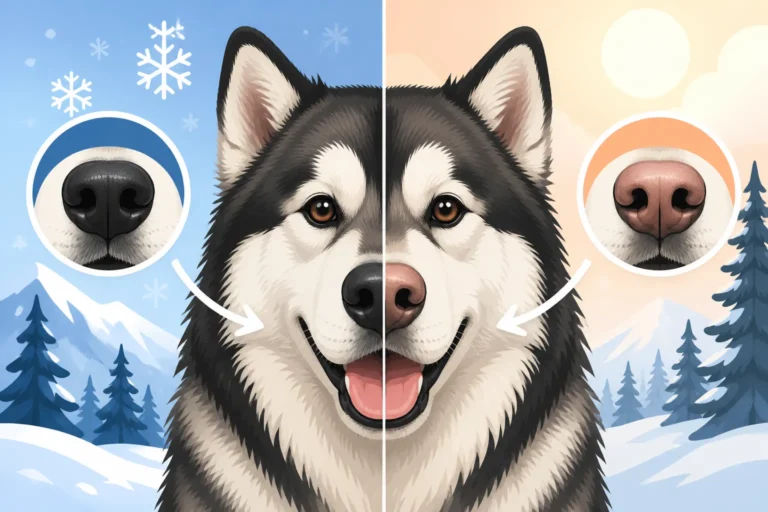
Alaskan Malamute snow nose causes a harmless winter pigment change linked to cold temperatures affecting the tyrosinase enzyme.
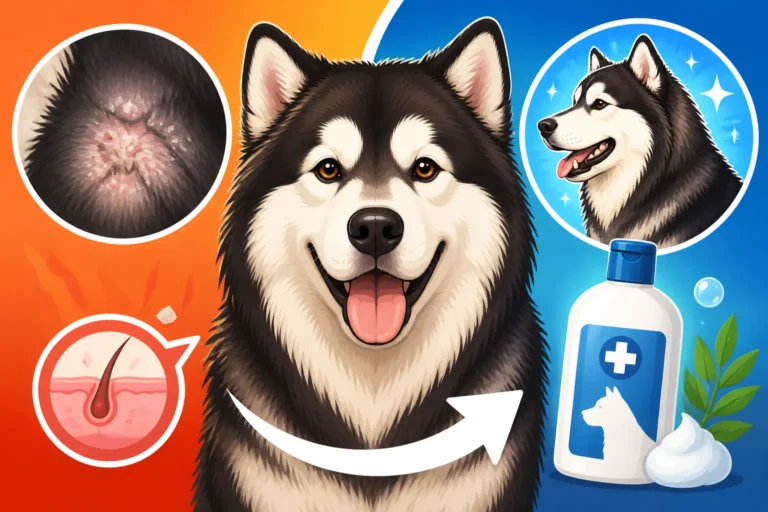
Medicated shampoo for Alaskan Malamutes helps treat bacterial infections, yeast, and skin irritation caused by zinc issues.
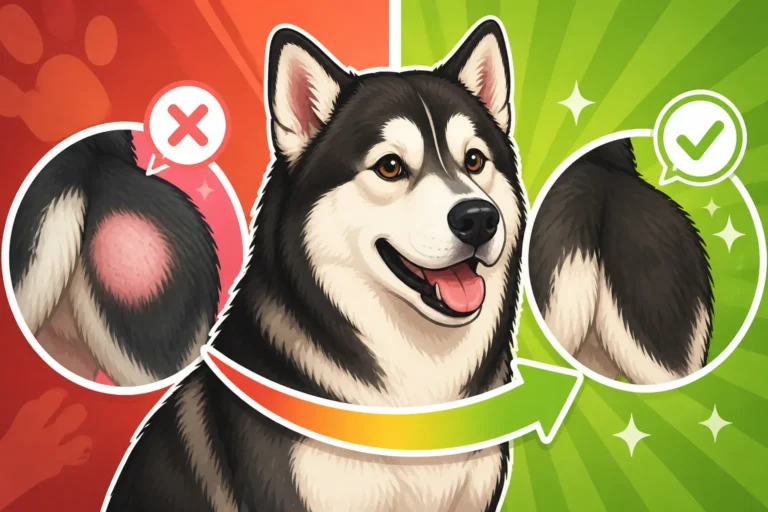
Alaskan Malamute bald patches, zinc responsive dermatosis, hypothyroidism, allergies, skin infections, and parasites causing hair loss.
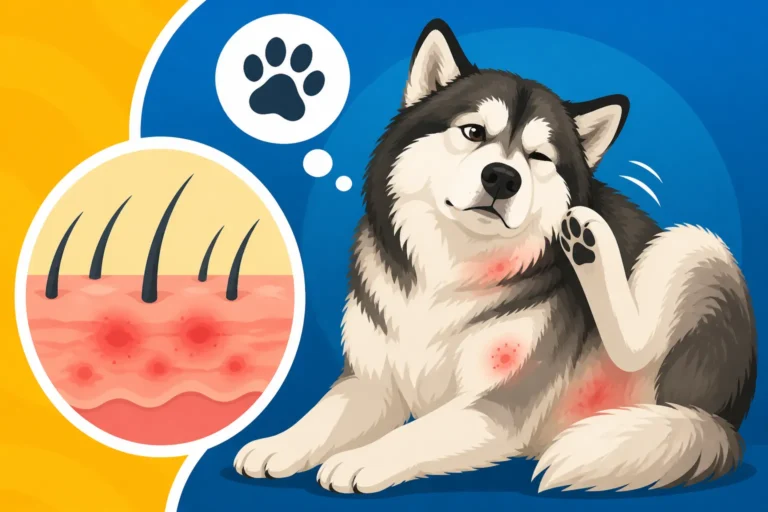
Skin allergies in Alaskan Malamutes require identifying symptoms, navigating diagnosis, and finding effective management strategies.
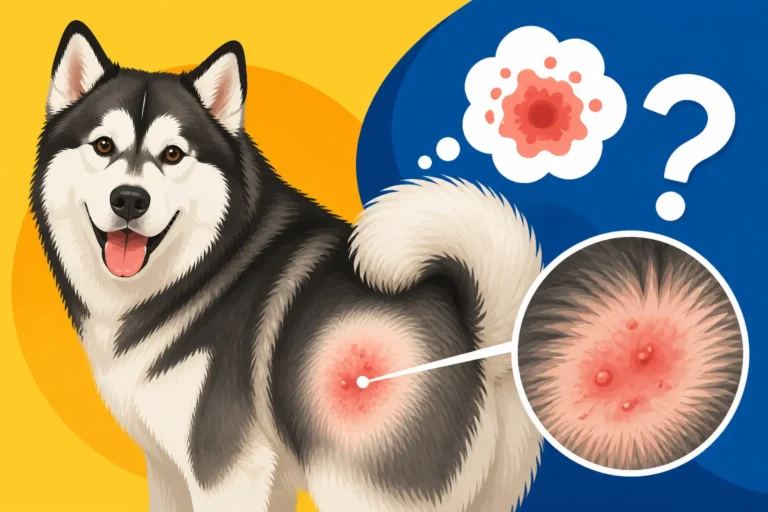
Alaskan Malamute hot spots and skin infections under thick double coats, with treatment methods and early prevention strategies.
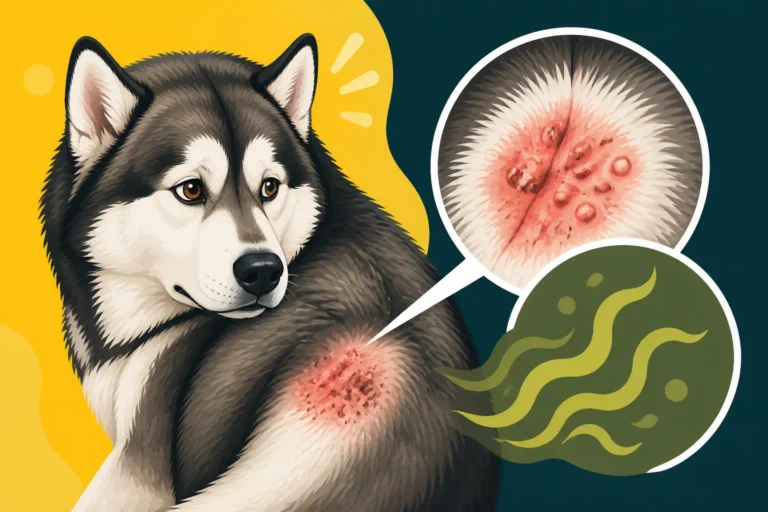
Alaskan Malamute skin infections cause distinct odors that help owners identify hidden bacterial and yeast problems beneath thick coats.
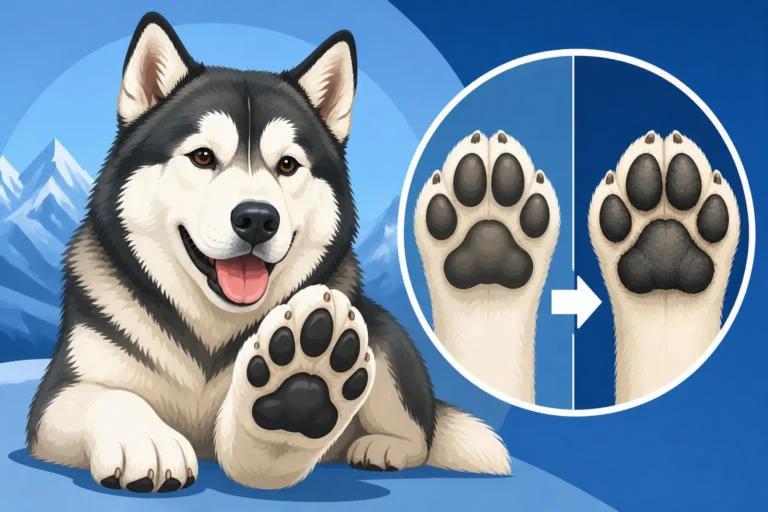
Alaskan Malamute paw pad thickening caused by regular activity, natural cold insulation, and abnormal hyperkeratosis symptoms.
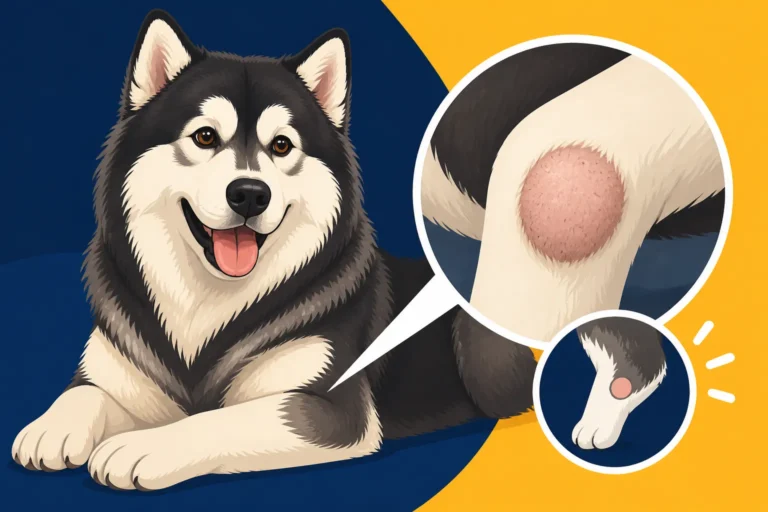
Alaskan Malamute elbow hair loss stems from pressure calluses caused by hard surfaces and body weight against joints.
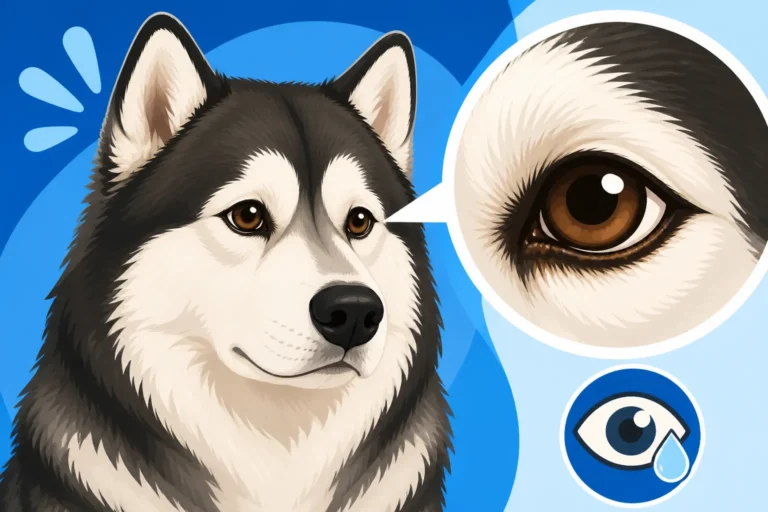
Alaskan Malamute eye rim crusting explains potential health problems, early warning signs, and dermatological skin conditions.
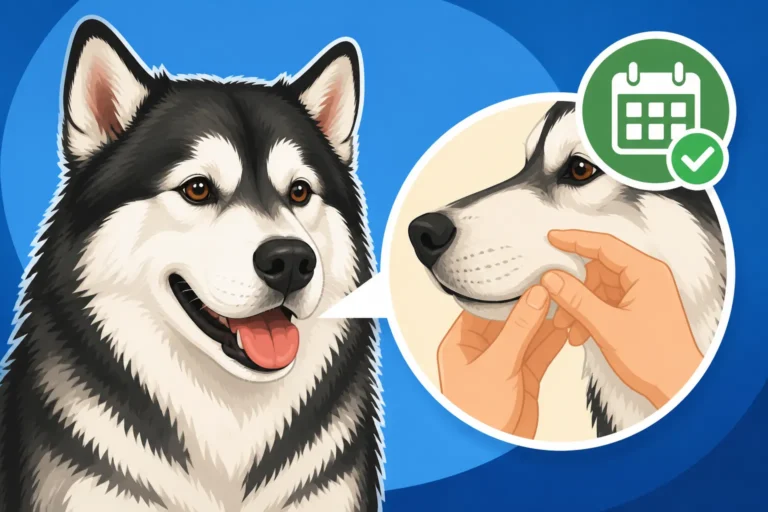
Weekly muzzle checks for Alaskan Malamutes reveal hidden skin issues like Zinc Responsive Dermatosis and minor abrasions.