Feeding an Old Alaskan Malamute
Senior Alaskan Malamute nutrition changes require slower metabolism adjustments, dental pain solutions, and aging organ support.
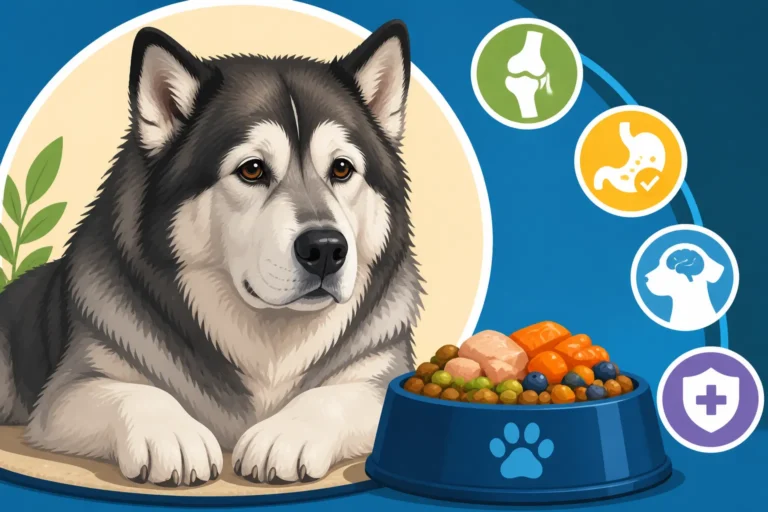
Senior Alaskan Malamute nutrition changes require slower metabolism adjustments, dental pain solutions, and aging organ support.
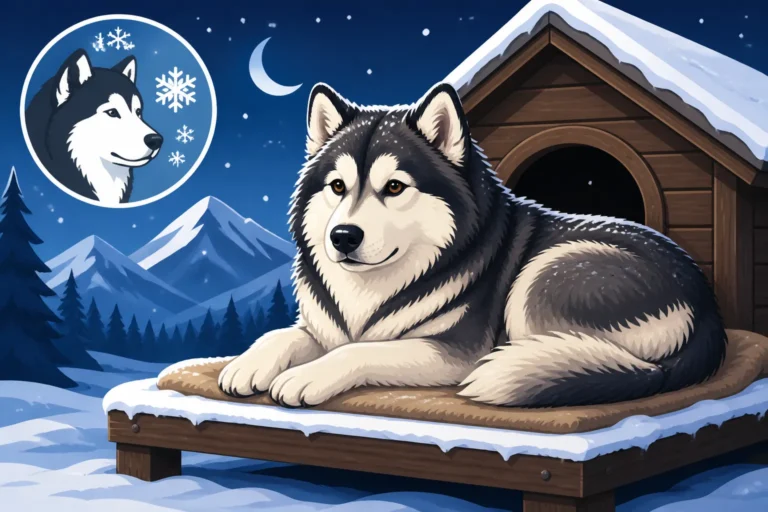
Alaskan Malamute winter survival depends on a thick double coat insulation and cold adapted metabolism for safe outdoor sleeping.
Alaskan Malamute enjoyment of snow stems from Arctic ancestry, resilient double coats, specialized paws, and historic freighting work.
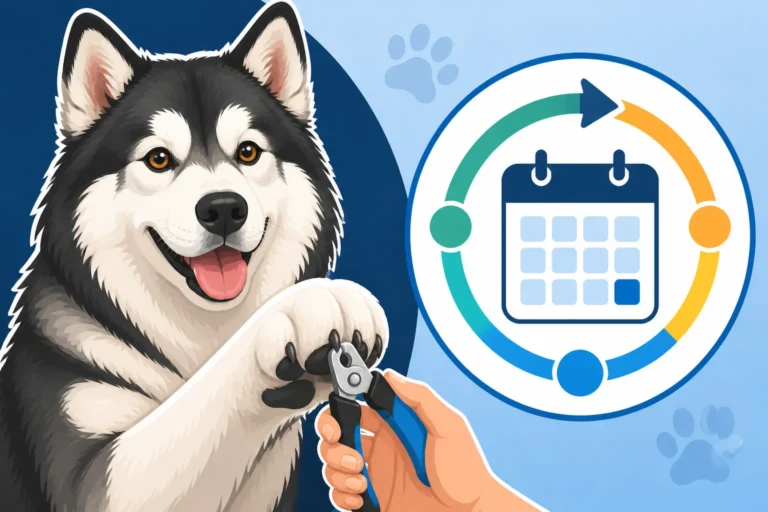
Alaskan Malamute nail maintenance explains how overgrown claws cause joint pressure and how regular trimming prevents pain.
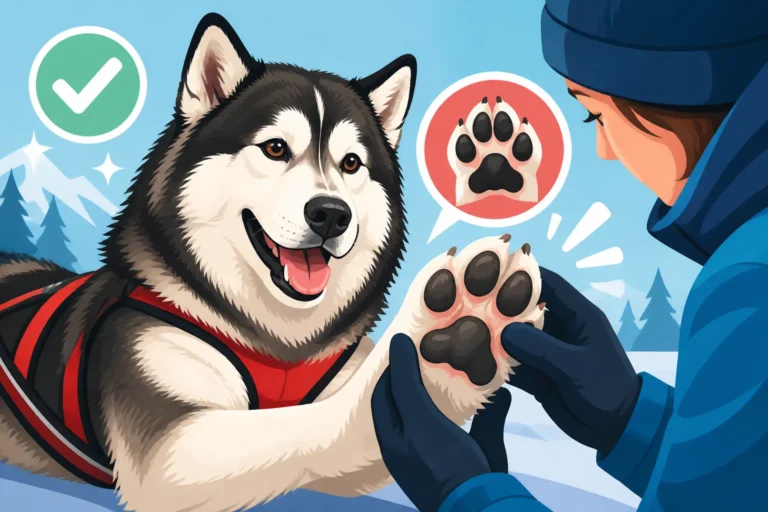
Alaskan Malamute paw pad checks after strenuous pulling reveal friction wear, ice cuts, and deep tissue bruising on thick soles.
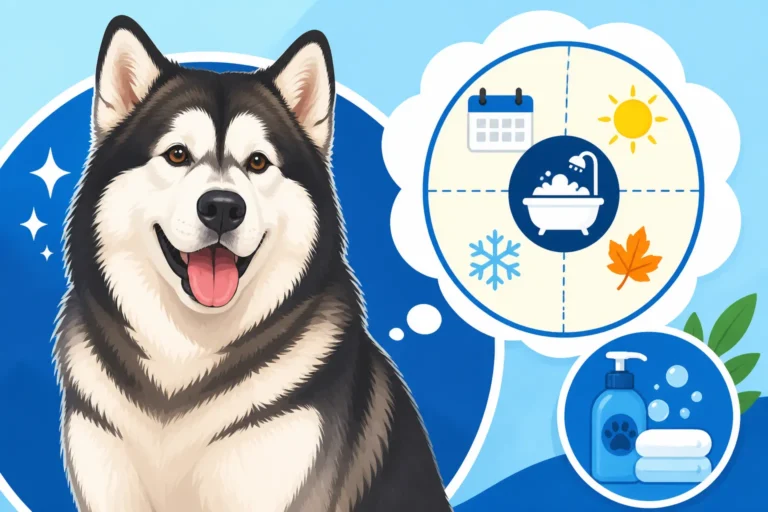
Alaskan Malamute bathing frequency requires a less is more approach because a dense double coat needs natural oils intact.
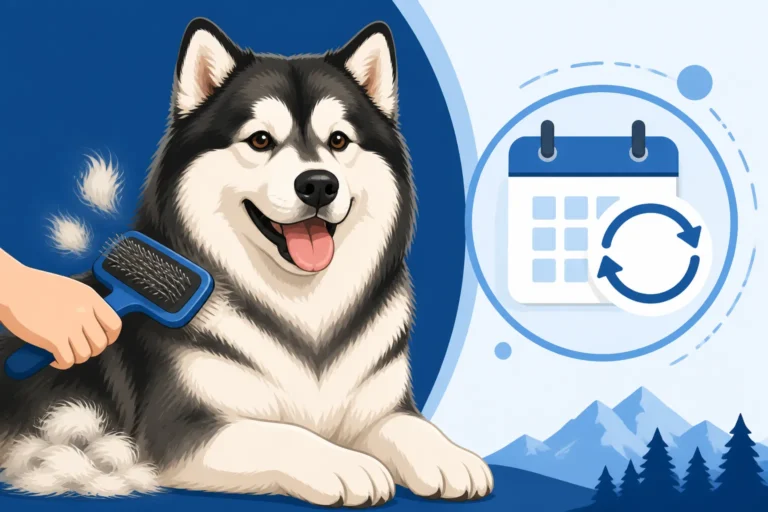
Alaskan Malamute coat care and brushing frequency details explain how to manage heavy shedding and protect the double layer.
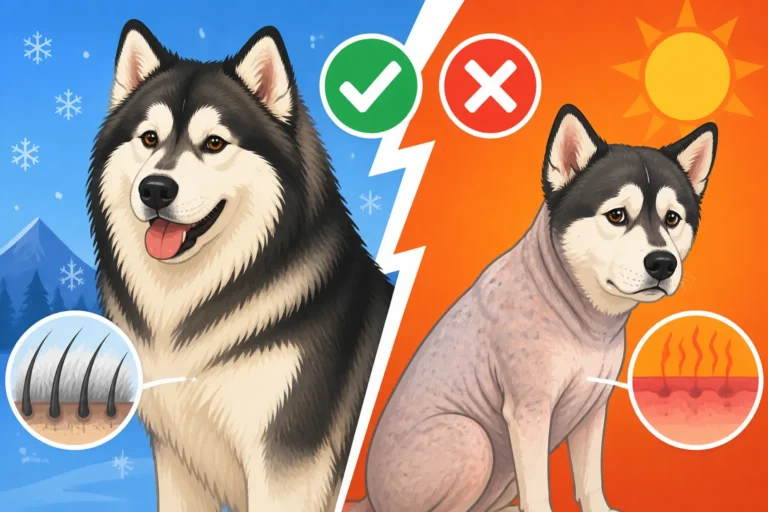
An Alaskan Malamute double coat functions as a natural thermostat that regulates body temperature and protects the skin.

Alaskan Malamute coat blow duration varies by environment and hormones, shedding dense undercoats en masse for warmer weather.
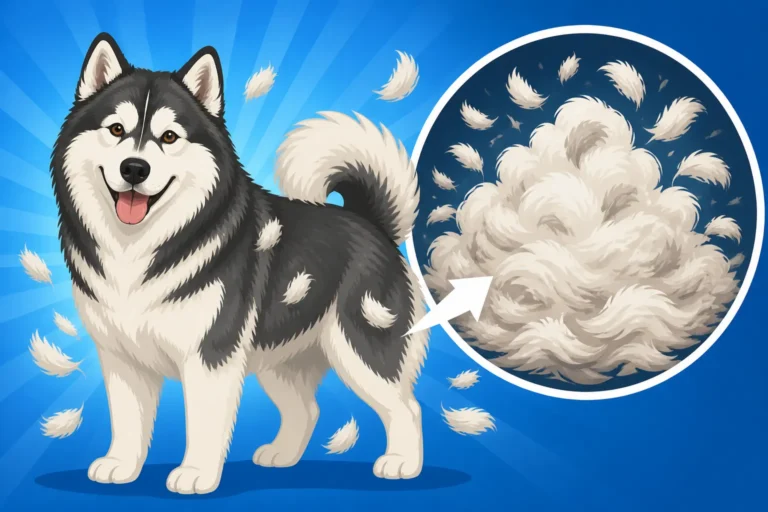
Alaskan Malamute coat blowing is a seasonal shedding process where the dense undercoat rapidly drops for temperature regulation.