The First Year With an Alaskan Malamute Puppy
Alaskan Malamute puppy ownership involves managing destructive chewing, early socialization, potty training, and positive reinforcement training.

Alaskan Malamute puppy ownership involves managing destructive chewing, early socialization, potty training, and positive reinforcement training.
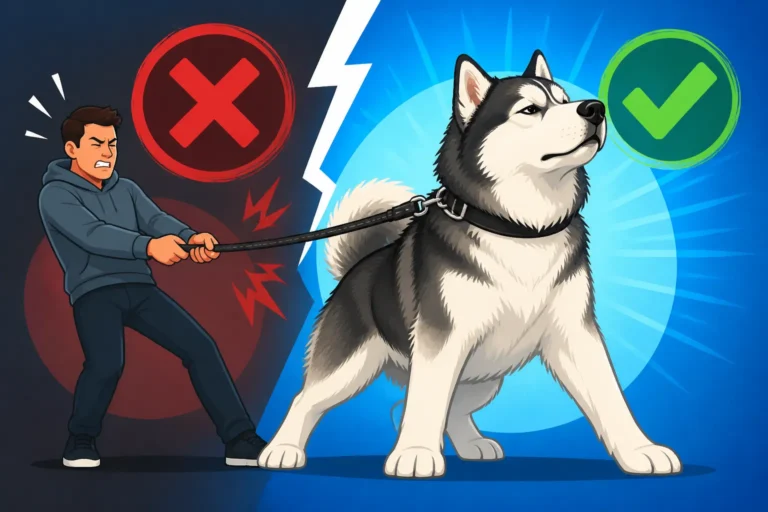
Alaskan Malamute training methods that use force fail because independent working dogs reject domination and break trust.
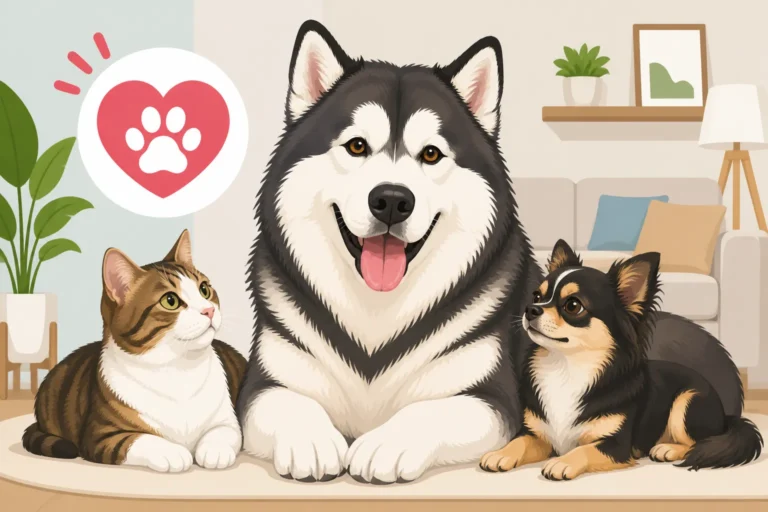
Alaskan Malamute instincts create severe risks for household cats and small dogs, requiring constant management to ensure safety.

Adolescent Malamute behavioral changes and hormonal shifts explain why the fourteen month old dog suddenly challenges house rules.
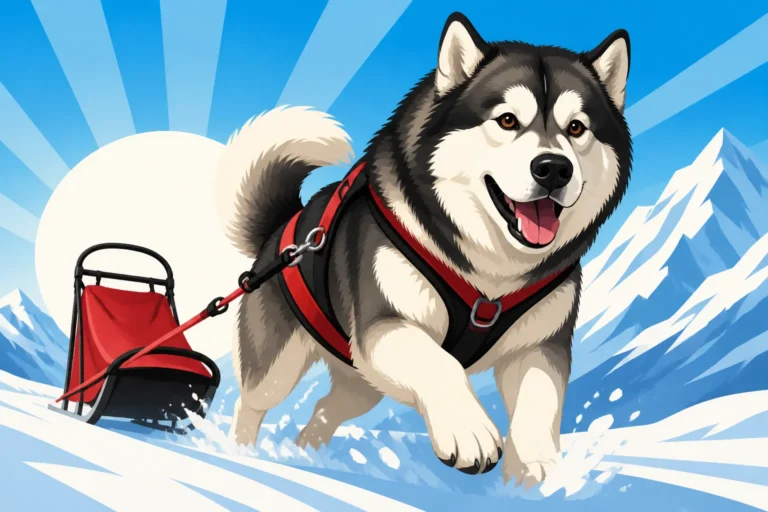
Alaskan Malamute pulling instincts stem from historical Arctic freighting heritage, requiring physical and mental work outlets.

Alaskan Malamute vocalizations rely on ancestral wolf instincts, explaining why these working dogs prefer howls and woo woos over barks.

Alaskan Malamute digging stems from ancestral survival instincts, requiring owners to understand these behaviors to protect property and keep dogs safe.

Alaskan Malamute same-sex aggression stems from ancient pack heritage, involving hormonal influences, socialization, and subtle warning signals.
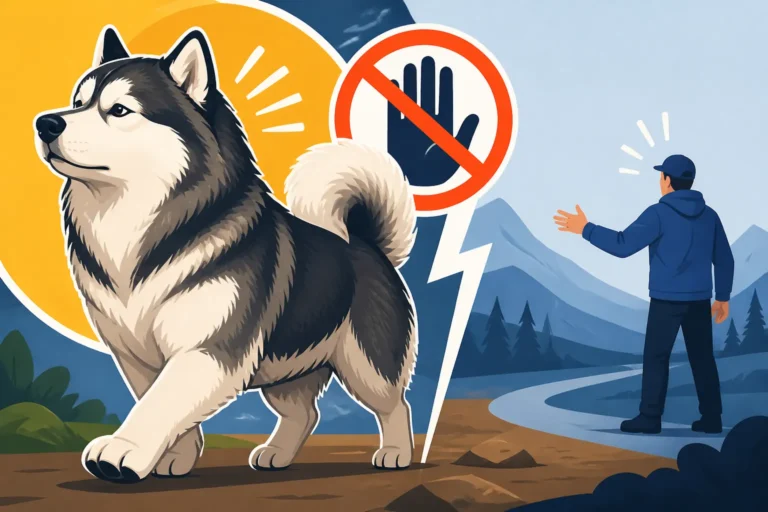
Alaskan Malamute independence, prey drive, and survival instincts prevent reliable recall, requiring secure environments and management.

Alaskan Malamute ancestry details how ancient subsistence hunting instincts drive modern behavioral challenges, prey aggression, and containment needs.