Whether a Malamute’s Muzzle Crusts First
Alaskan Malamute muzzle crusting often indicates zinc-responsive dermatosis, explaining symptoms, early signs, and veterinary diagnosis methods.
Know what to watch for.
Breed-specific conditions, screening and DNA tests, what surgery actually costs, and the daily habits that stretch a healthy lifespan.

Alaskan Malamute muzzle crusting often indicates zinc-responsive dermatosis, explaining symptoms, early signs, and veterinary diagnosis methods.
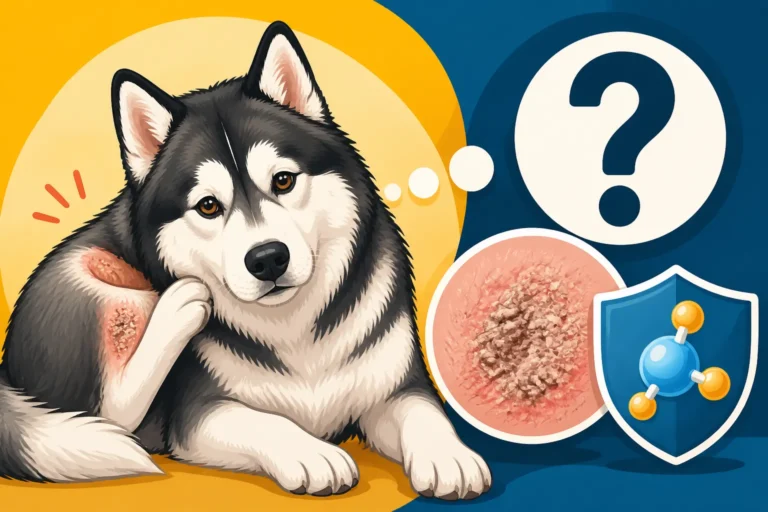
Crusty skin on an Alaskan Malamute often indicates Zinc Responsive Dermatosis, a genetic condition requiring lifelong management and veterinary diagnosis.

Alaskan Malamute puppy genetic testing for CNGB3 identifies day blindness, clarifies inheritance, and helps manage vision health.

Genetic screening using the CNGB3 test explains how responsible breeding nearly eradicated cone degeneration in Alaskan Malamute puppies.
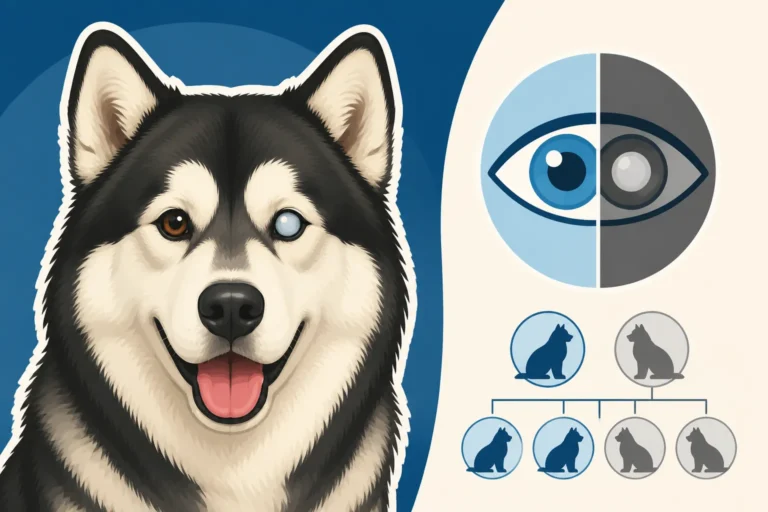
Alaskan Malamute day blindness is a recessive condition caused by a CNGB3 gene mutation that impairs retinal cone cells.

Alaskan Malamute day blindness and night blindness are distinct conditions affecting different retinal cells with opposing behavioral impacts.

Canine sunglasses help day-blind Alaskan Malamutes navigate bright daylight by filtering glare, reducing discomfort, and improving vision.

Alaskan Malamute day blindness limits bright light vision, but owners can help dogs thrive using routine, scent markers, and genetic testing.
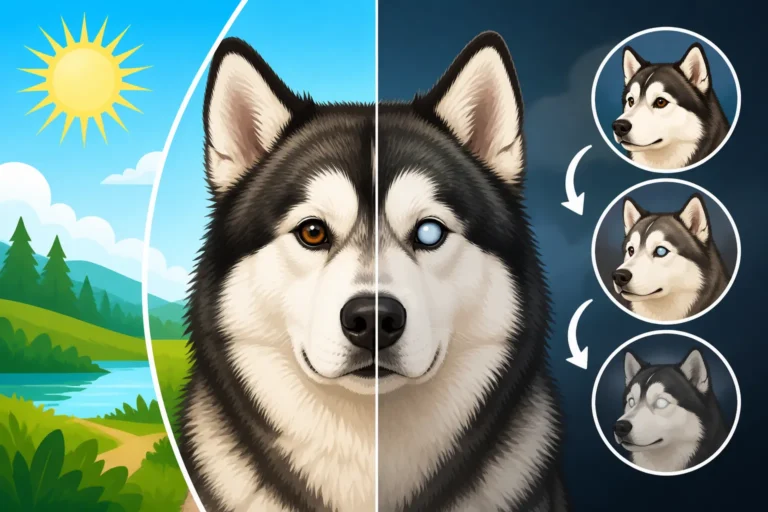
Alaskan Malamute day blindness is a non-progressive inherited eye disorder caused by a CNGB3 gene mutation that does not worsen with age.

Day blindness in Alaskan Malamutes explains genetic cone degeneration, vision loss in sunlight, and ways to protect affected dogs.