Caring for an Alaskan Malamute Past Eight
Alaskan Malamutes reach senior status around age eight, requiring diet adjustments, joint care, and regular veterinary check-ups.
Know what to watch for.
Breed-specific conditions, screening and DNA tests, what surgery actually costs, and the daily habits that stretch a healthy lifespan.
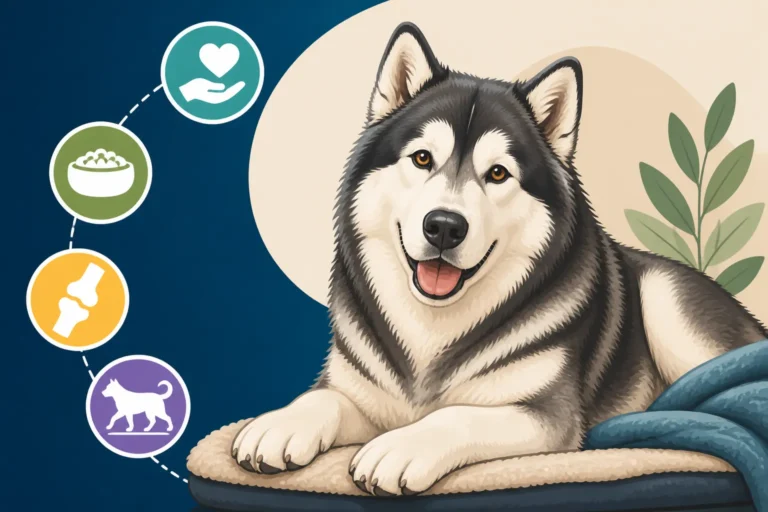
Alaskan Malamutes reach senior status around age eight, requiring diet adjustments, joint care, and regular veterinary check-ups.

Alaskan Malamutes hide discomfort and pain to a dangerous degree, allowing owners to spot subtle warning signs before severe illness appears.
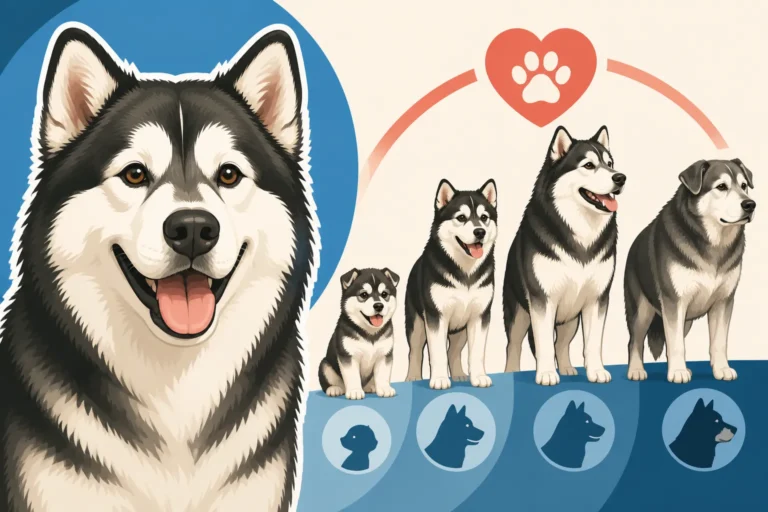
Alaskan Malamutes live ten to fourteen years, detailing genetics, health challenges, diet, and veterinary care that influence their longevity.
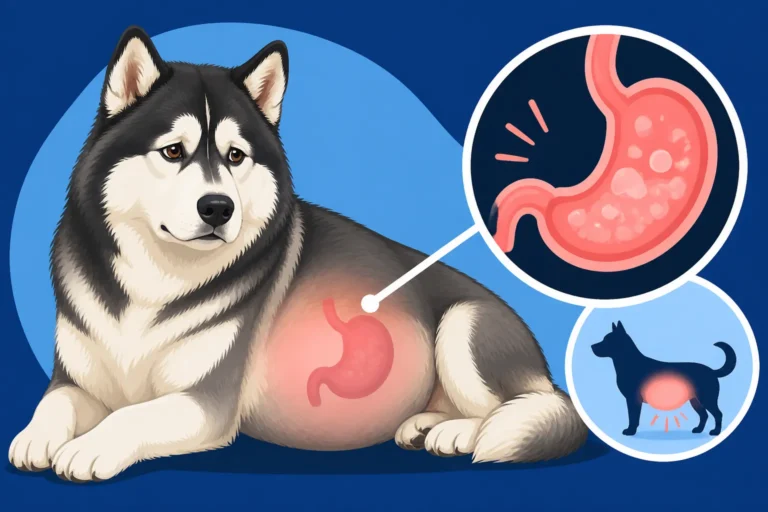
Gastric dilatation-volvulus in Alaskan Malamutes causes stomach twisting. Owners learn warning signs, emergency veterinary care, and prevention surgery.
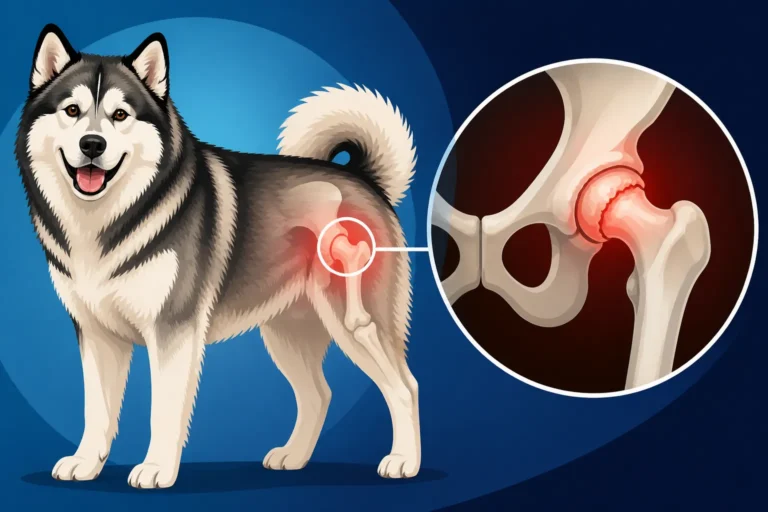
Hip dysplasia in Alaskan Malamutes causes structural failure and pain, impacting the working dogs through improper joint development.
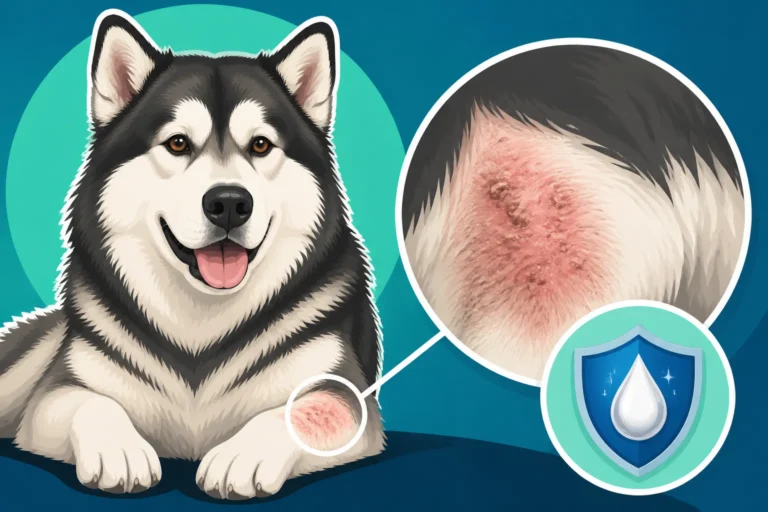
Zinc Responsive Dermatosis in Alaskan Malamutes involves inherited trace mineral inefficiency, causing crusty skin lesions and hair loss.
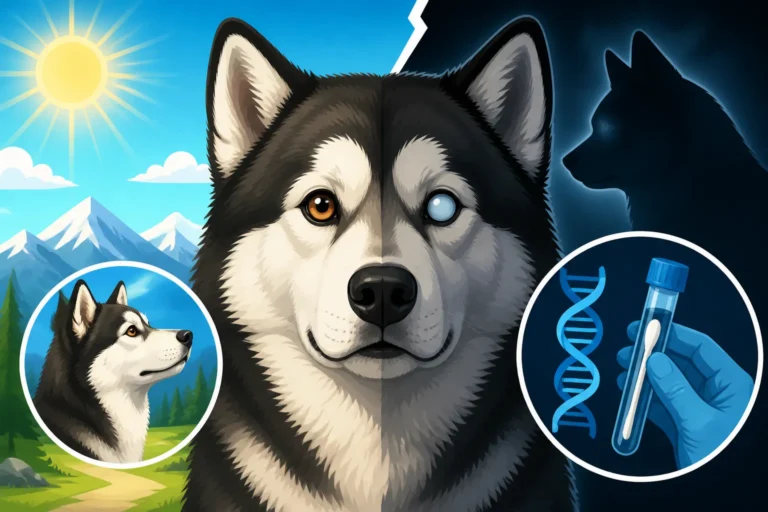
Alaskan Malamute day blindness, caused by CNGB3 gene mutations, impairs bright light vision but can be prevented with genetic testing.
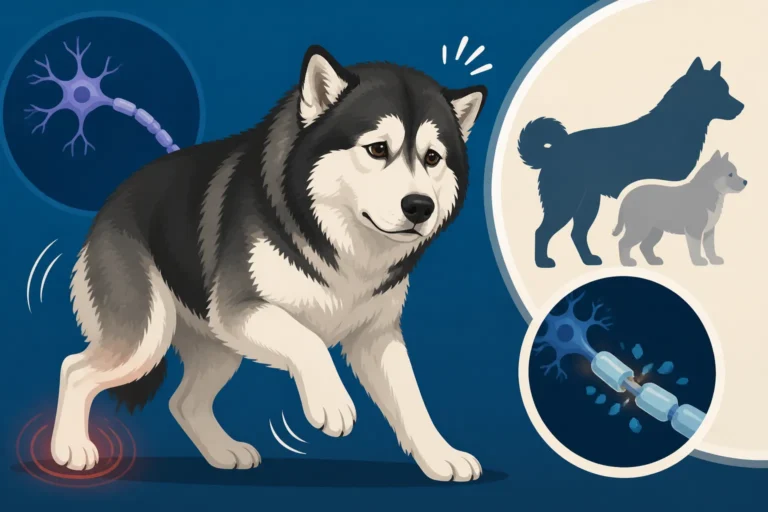
Inherited polyneuropathy in Alaskan Malamutes causes progressive muscle weakness, stumbling, and nerve degeneration around one year of age.
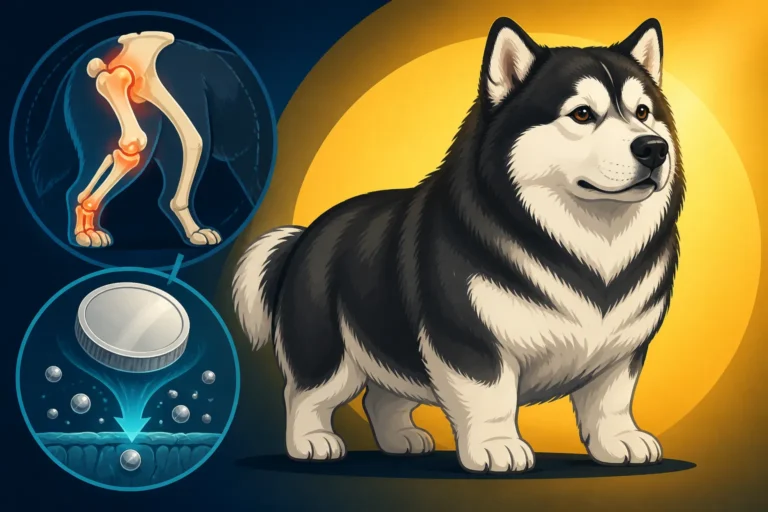
Chondrodysplasia in Alaskan Malamutes causes stunted bone growth and severely reduces dietary zinc absorption to just twenty-five percent.
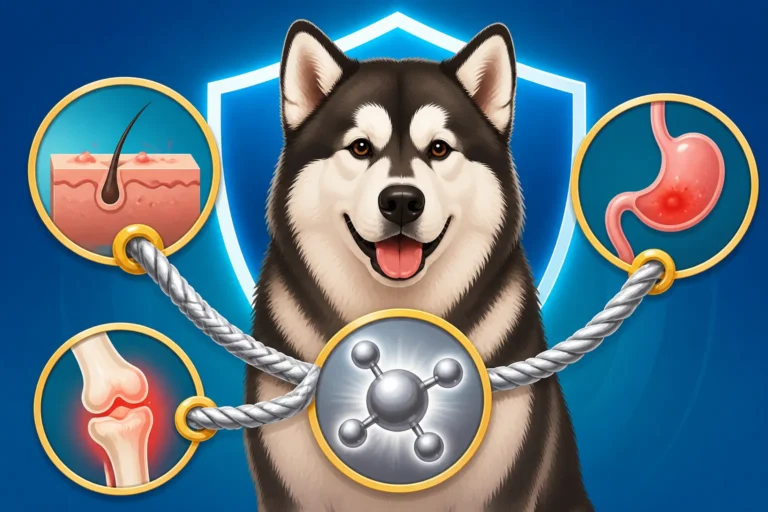
Alaskan Malamute zinc malabsorption causes three distinct health conditions, including skin disease, skeletal abnormalities, and nerve disorders.