Whether a Malamute Needs Zinc for Life
Alaskan Malamute zinc responsive dermatosis usually requires lifelong supplementation because genetic malabsorption prevents proper mineral use.
Know what to watch for.
Breed-specific conditions, screening and DNA tests, what surgery actually costs, and the daily habits that stretch a healthy lifespan.

Alaskan Malamute zinc responsive dermatosis usually requires lifelong supplementation because genetic malabsorption prevents proper mineral use.

Zinc deficiency treatment for Alaskan Malamutes involves safe supplementation, dietary adjustments, and managing skin symptoms.
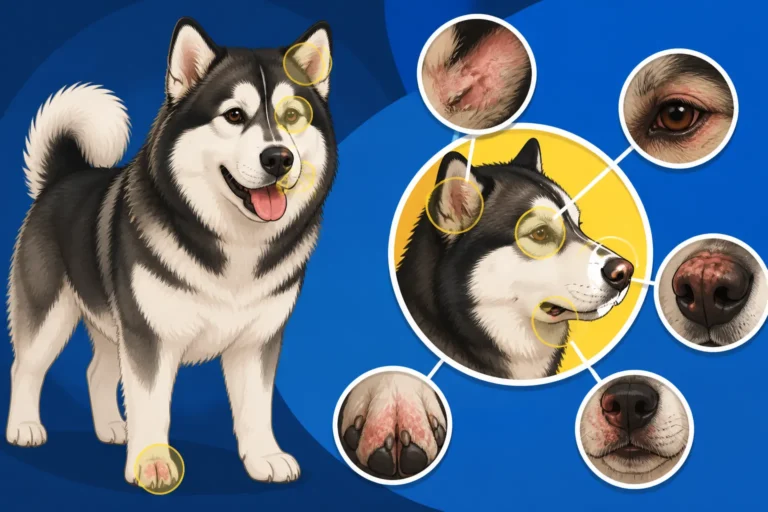
Zinc responsive dermatosis causes early facial lesions on a Malamute’s muzzle, eyes, and ears before spreading to the paws.
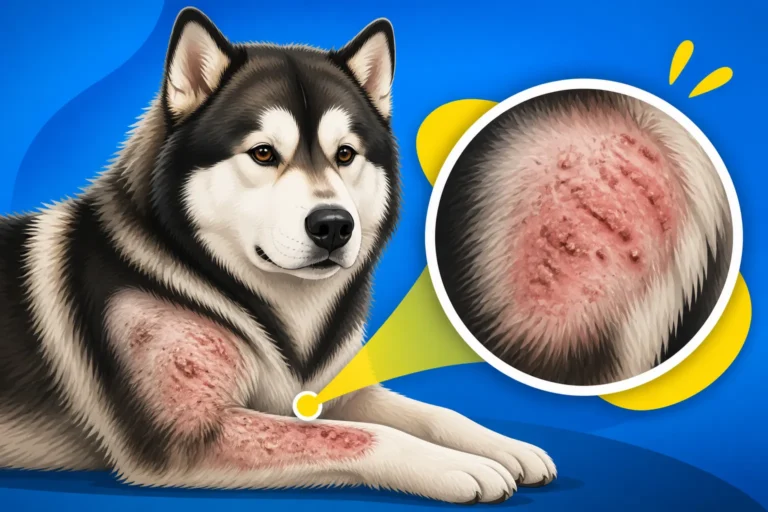
Zinc responsive dermatosis in Alaskan Malamutes causes crusty skin patches, hair loss, and discomfort due to poor absorption.

Alaskan Malamute day blindness still occurs because irresponsible backyard breeders skip CNGB3 gene tests and mate carriers.

Alaskan Malamute day blindness testing identifies the CNGB3 gene mutation causing congenital stationary night blindness.

Cone cell failure from the CNGB3 gene mutation causes daytime vision loss in Alaskan Malamutes, while healthy rods improve twilight sight.

Day blindness in Alaskan Malamutes is a genetic condition caused by CNGB3 gene mutations affecting cone photoreceptor cells.
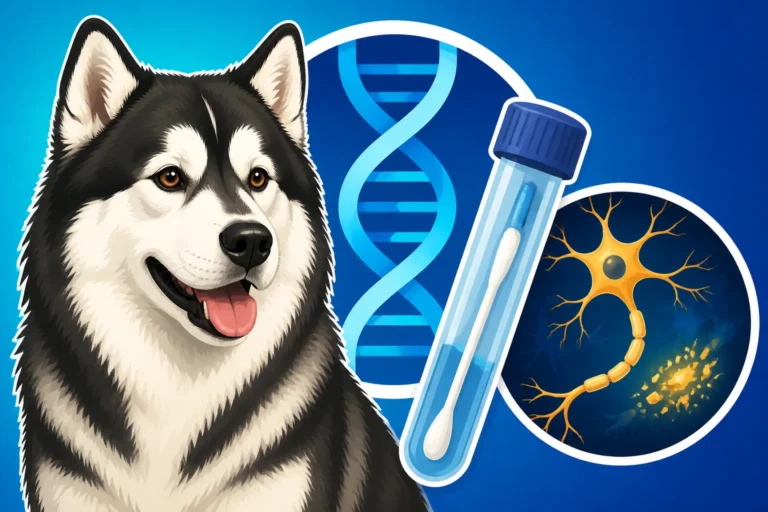
Alaskan Malamute polyneuropathy DNA testing explains how cheek swabs identify clear, carrier, or affected dogs to prevent genetic disease.

Inherited polyneuropathy damages peripheral and laryngeal nerves, restricting airway function and causing serious breathing difficulties in Alaskan Malamutes.