Whether a Malamute With Zinc Dermatosis Should Be Bred
Alaskan Malamutes with zinc responsive dermatosis present complex ethical breeding questions regarding inherited poor absorption and puppy health.
Know what to watch for.
Breed-specific conditions, screening and DNA tests, what surgery actually costs, and the daily habits that stretch a healthy lifespan.

Alaskan Malamutes with zinc responsive dermatosis present complex ethical breeding questions regarding inherited poor absorption and puppy health.
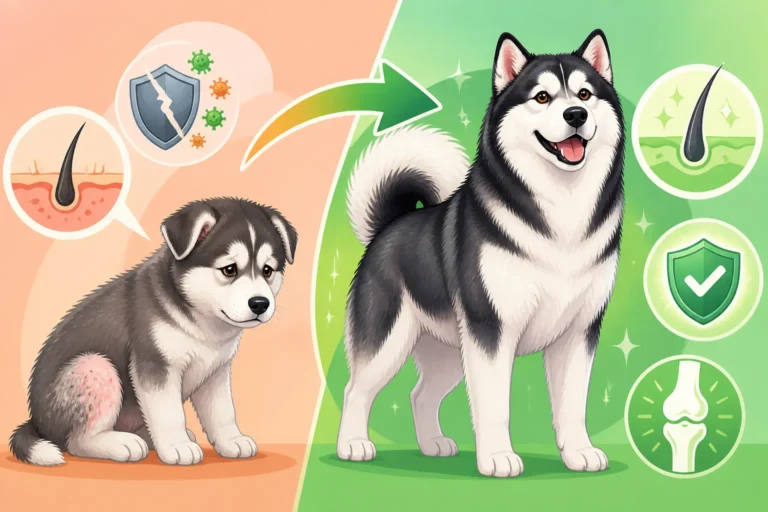
Zinc deficiency in Alaskan Malamute puppies is a lifelong genetic disorder requiring permanent veterinary management rather than a temporary phase.
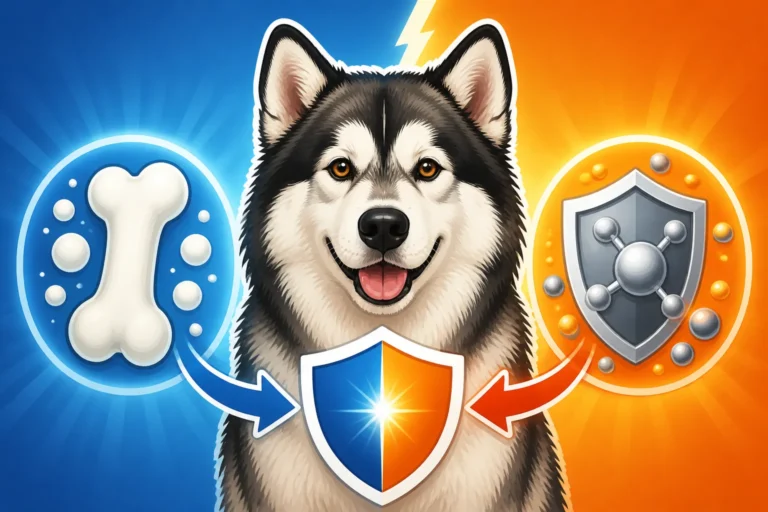
Alaskan Malamute zinc absorption and calcium interactions explained, detailing genetic challenges and safe dietary practices.

Zinc responsive dermatosis in Alaskan Malamutes often returns because genetic malabsorption requires lifelong daily supplementation and careful management.
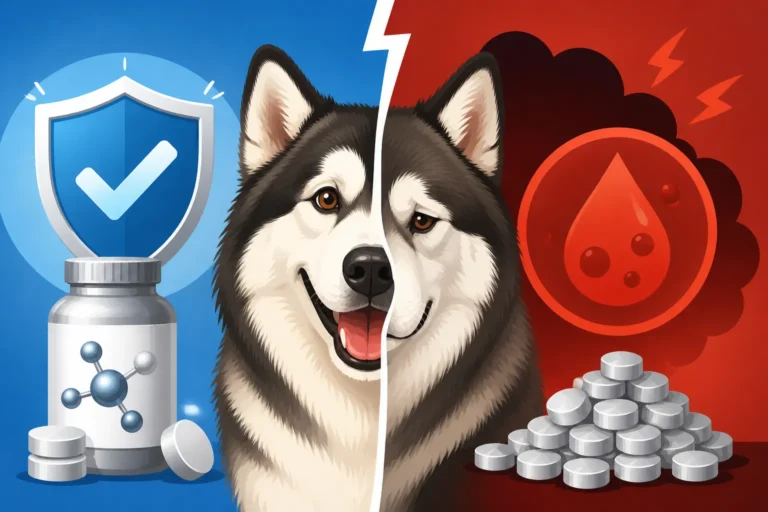
Alaskan Malamute zinc toxicity causes copper deficiency, anemia, and organ damage when excessive supplementation overwhelms their metabolism.
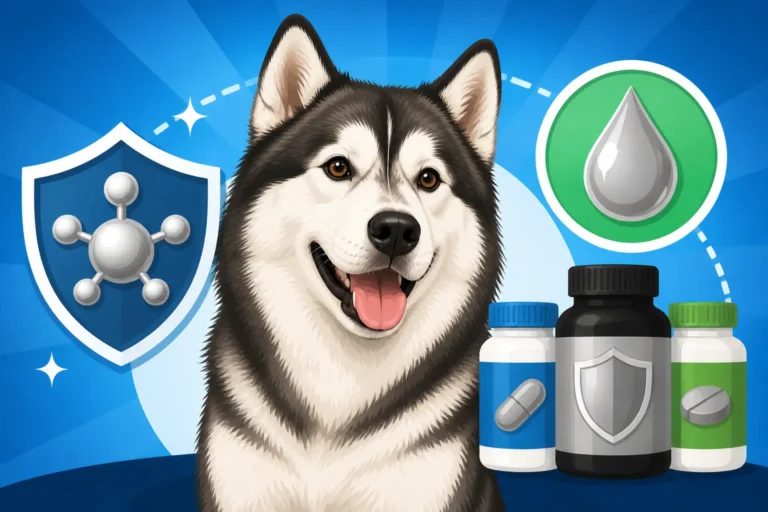
Alaskan Malamute zinc supplements help manage zinc deficiency by providing bioavailable chelated forms like zinc methionine for proper absorption.
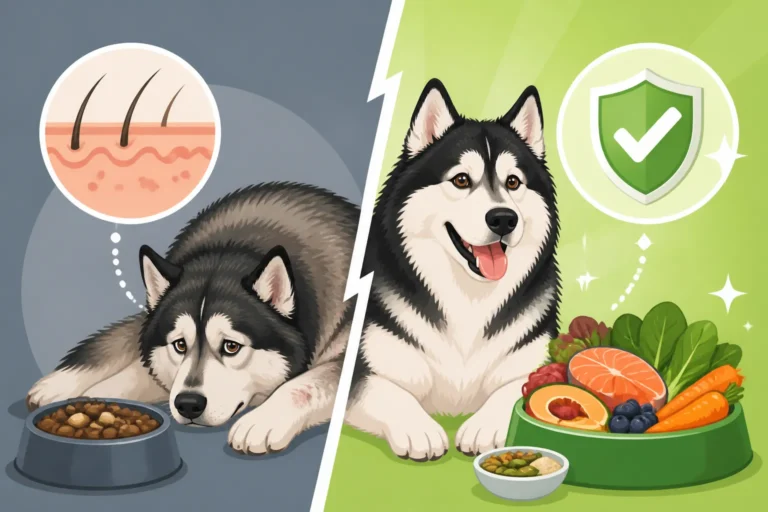
Alaskan Malamute zinc deficiency requires lifelong targeted supplementation rather than simple diet changes due to genetic malabsorption issues.

Alaskan Malamute zinc problems stem from genetics or diet, affecting skin health and requiring proper veterinary diagnosis and care.
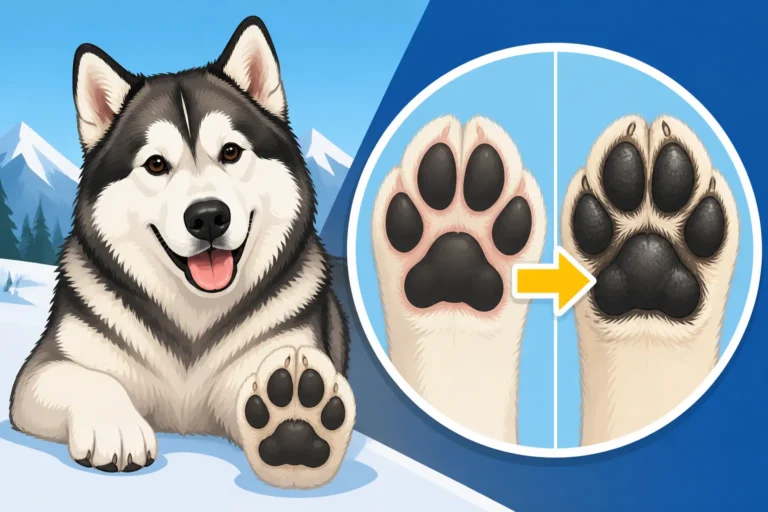
Alaskan Malamute paw pads thicken and toughen naturally through regular exercise, diverse terrain, genetics, and proper nutrition.

Alaskan Malamute periocular hair loss stems from allergies, parasites, fungal infections, zinc deficiency, or hypothyroidism.