Whether a Malamute Needs Yearly Thyroid Bloodwork
Alaskan Malamute thyroid health screening details help owners decide if yearly bloodwork is necessary based on age and clinical signs.
Know what to watch for.
Breed-specific conditions, screening and DNA tests, what surgery actually costs, and the daily habits that stretch a healthy lifespan.
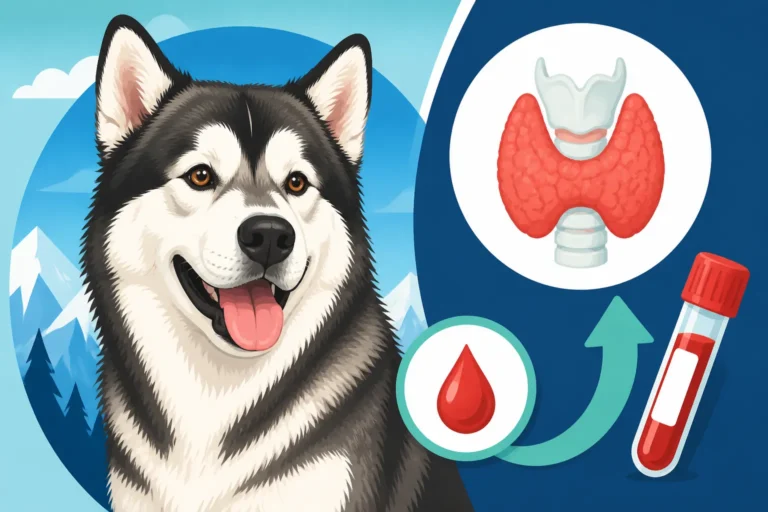
Alaskan Malamute thyroid health screening details help owners decide if yearly bloodwork is necessary based on age and clinical signs.

Alaskan Malamutes face overlapping symptoms of thyroid disease and zinc deficiency, requiring careful veterinary testing for an accurate diagnosis.
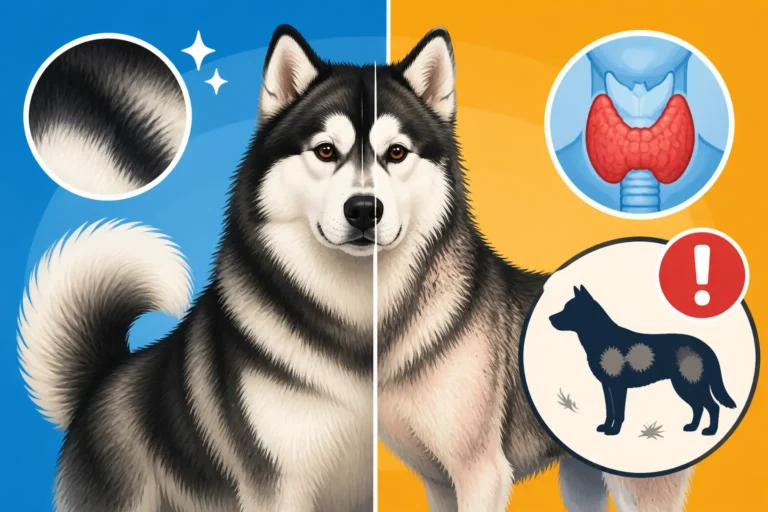
Alaskan Malamute hypothyroidism disrupts hair growth cycles, causing symmetrical coat thinning, weight gain, and low energy levels.
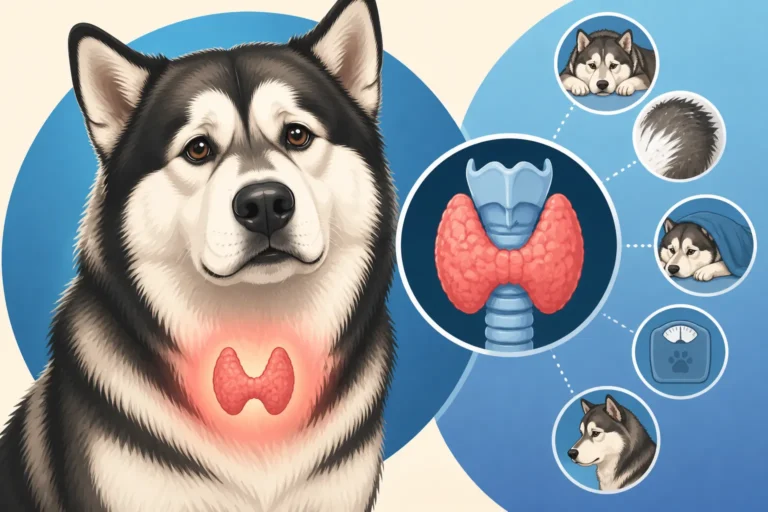
Alaskan Malamute thyroid failure signs include dry coat, symmetrical hair loss, unexplained weight gain, and persistent lethargy.

Alaskan Malamute gastropexy and neuter surgery timing, anesthesia safety, recovery periods, and techniques like laparoscopy explained clearly.

Slow feeder usage reduces rapid eating and air intake in Alaskan Malamutes, mitigating one potential risk factor for bloat.

Alaskan Malamute post-meal rest requirements and practical feeding strategies help protect deep-chested dogs from fatal bloat.
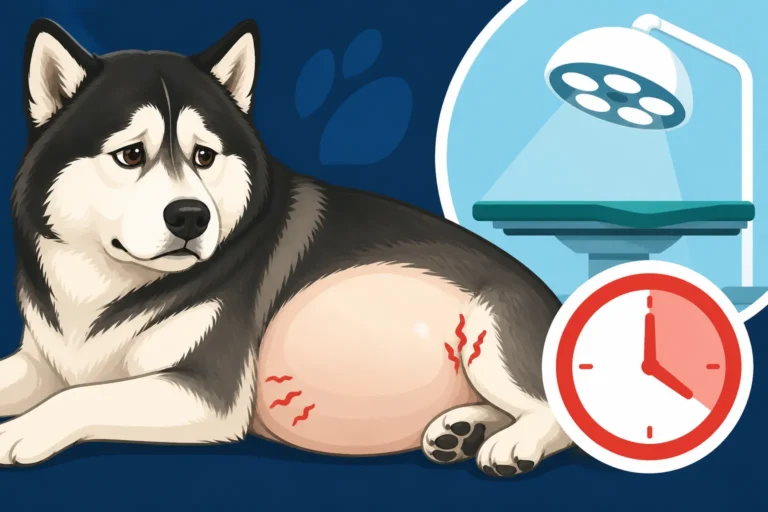
Alaskan Malamute bloat requires immediate emergency surgery because the condition progresses rapidly, threatening the dog’s life within hours.

Alaskan Malamute physical demands, conditioning programs, and proactive care explain how working dogs maintain long, healthy lives without premature decline.

Joint supplement ingredients like glucosamine, chondroitin, and omega-3 fatty acids help support Alaskan Malamute mobility.