Knowing When an Old Alaskan Malamute Has Had Enough
Senior Alaskan Malamute health decline signs, physical changes, and behavioral shifts help owners assess quality of life.
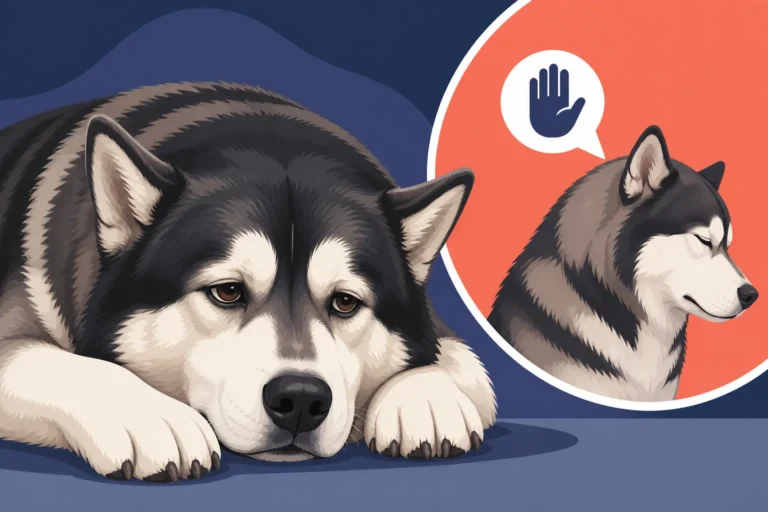
Senior Alaskan Malamute health decline signs, physical changes, and behavioral shifts help owners assess quality of life.

Senior Alaskan Malamute pulling cues, physical limitations, and safe ways to continue the activity with modified workloads.

Cognitive decline in aging Alaskan Malamutes causes disorientation, altered social behavior, and sleep disturbances, which veterinarians can diagnose and treat.
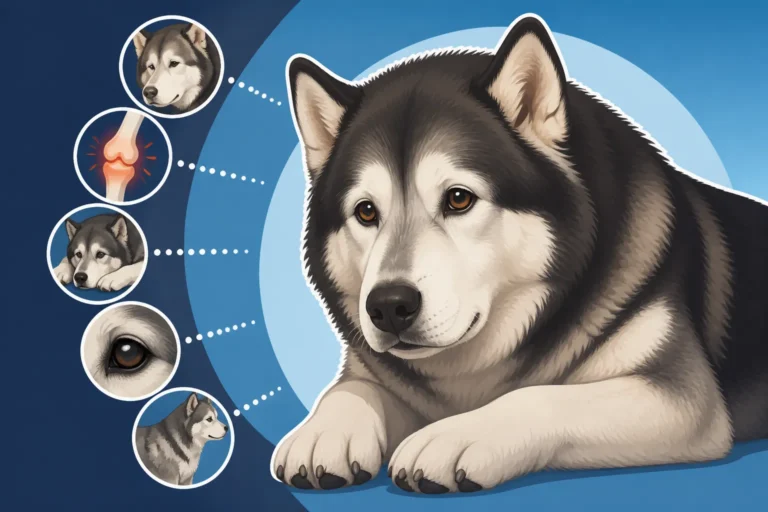
Aging Alaskan Malamutes display physical and behavioral signs like reduced energy, stiffness, cognitive decline, coat changes, and sensory loss.

Alaskan Malamute lifespan examines how working lifestyles, genetics, nutrition, and veterinary care influence longevity in this breed.

Alaskan Malamute lifespans typically range from ten to fourteen years, influenced by genetics, diet, exercise, and veterinary care.

Alaskan Malamutes face severe risks from heat stroke, exploring recovery outcomes, emergency first aid, and lifelong health management.
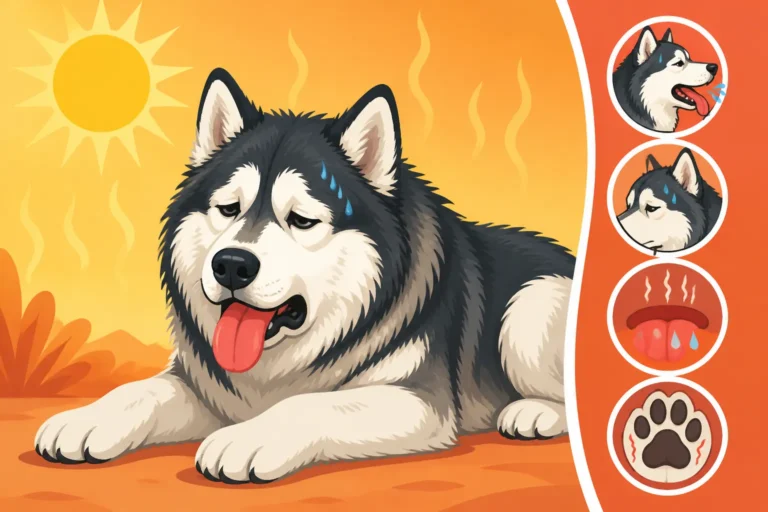
Alaskan Malamute owners learn to recognize subtle overheating signs like excessive panting, lethargy, and dangerous body temperature changes.

Alaskan Malamute mortality risks are examined by comparing the acute dangers of heatstroke with the cumulative impact of various genetic and acquired diseases.

Alaskan Malamute anesthesia safety involves efficient metabolism, airway management, and pre-anesthetic screening to prevent complications.