Whether a Malamute Puppy Needs Extra Zinc
Bringing a fluffy Alaskan Malamute puppy home is an absolute joy, but it also comes with a lot of questions, especially around their unique health needs. One concern that often leaves new owners scratching their heads is whether their growing Malamute puppy requires extra zinc beyond what's in their regular puppy food. It's a valid worry, as this breed has a well-known predisposition to zinc-responsive dermatosis. This guide will delve into why Malamutes have such a particular relationship with zinc, how to identify potential deficiencies in your young pup, and what proactive steps you can take to ensure they get precisely what they need without going overboard.
The Unique Zinc Predicament of Alaskan Malamute Puppies
It’s not just an old wives' tale; Alaskan Malamutes genuinely have a different relationship with zinc compared to many other dog breeds. This isn't usually about a lack of zinc in their food, but rather an issue with how their bodies absorb and utilize it. It’s a genetic quirk, an inherited condition that makes them less efficient at drawing this crucial mineral from their diet and getting it where it needs to go within their system. This predisposition means that while most breeds thrive on standard commercial diets, a Malamute might be struggling even with supposedly adequate zinc levels.
Think of it this way: your Malamute puppy's digestive system might have a special "bouncer" at the zinc absorption club, letting fewer molecules in than it should. This isn't a problem every single Malamute puppy will face, but the breed's history and genetic lineage make it a significant consideration for every owner. This genetic factor is why you'll often hear breeders and experienced Malamute owners discussing zinc so frequently. It's a foundational piece of their health puzzle, and understanding it early can save a lot of heartache and vet visits down the line. You can learn more about this connection in How Poor Zinc Absorption Links a Malamute's Three Disorders.
Genetic Predisposition and Breed History
The genetic roots of zinc deficiency in Malamutes are quite profound. It's believed to be an autosomal recessive trait, meaning a puppy needs to inherit a copy of the gene from both parents to be clinically affected. However, even carriers (those with one copy) might show some subtle inefficiencies in zinc metabolism. This isn't a flaw in the breed; it's an adaptation that perhaps served some purpose in their ancestral environment, or perhaps it's simply a genetic bottleneck that became more prominent as the breed developed. The Mahlemut people who originally bred these dogs in the harsh Arctic environment of Kotzebue Sound probably didn't have commercial dog food, relying instead on a diet of local game and fish, which may have offered zinc in a more bioavailable form or in higher quantities than some modern diets.
The problem arises when this ancient genetic coding meets modern canine nutrition. If a diet is high in certain inhibitors, even a slightly inefficient system can fall behind. This is why vigilance is so important, especially during rapid growth phases when puppies have a higher demand for all nutrients, including zinc. Ensuring your Malamute comes from a reputable breeder who screens for genetic health issues can provide some peace of mind, but the underlying predisposition remains a breed characteristic to be aware of throughout their life. It's not a reason to panic, but certainly a reason to be informed and proactive.
Why Zinc is So Crucial for Growing Pups
Zinc is far from a minor nutrient; it's an essential trace mineral involved in hundreds of enzymatic processes throughout the body. For a growing Malamute puppy, its role is absolutely critical. Zinc is vital for:
- Immune System Function: A robust immune system is crucial for puppies exploring the world and encountering new pathogens. Zinc helps immune cells develop and function properly, fending off illnesses.
- Skin and Coat Health: This is often the most visible impact of zinc deficiency. Zinc is essential for cell division and protein synthesis, which are constantly happening in the skin and hair follicles. Without enough, skin can become dry, flaky, crusty, and inflamed, and hair quality suffers.
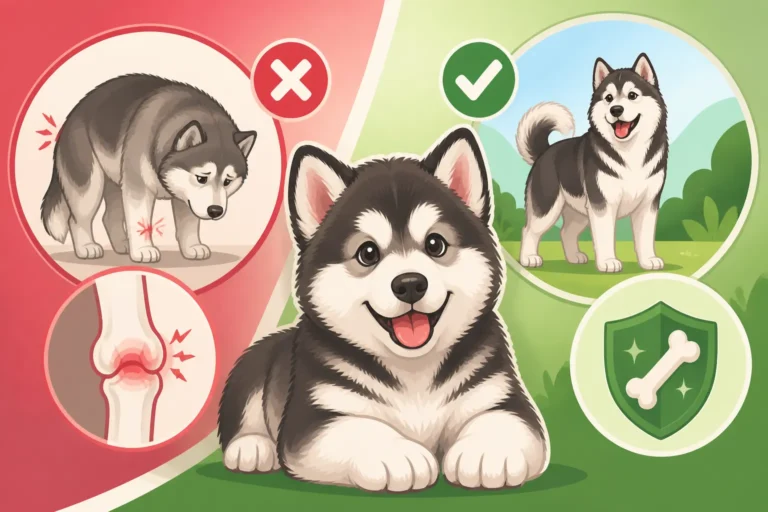
- Growth and Development: As large breed dogs, Malamutes grow rapidly. Zinc plays a key role in bone development, protein metabolism, and cell growth, all vital for healthy physical maturation.
- Wound Healing: Any cuts, scrapes, or minor injuries a puppy inevitably gets need zinc for efficient repair and recovery.
- Appetite and Sense of Taste/Smell: Believe it or not, zinc impacts these too! A severely zinc-deficient puppy might have a reduced appetite, compounding growth issues.
Without sufficient zinc, a puppy's development can be compromised in multiple ways. While skin issues are the most common and recognizable symptom, the internal impacts on organ function and overall health are just as significant, even if less obvious. This is why waiting until symptoms appear isn't ideal; proactive understanding is always better.
Spotting the Subtle Signs: Is Your Malamute Puppy Low on Zinc?
Recognizing zinc deficiency in a Malamute puppy can sometimes be tricky because the initial signs can be subtle or mistaken for other skin conditions. However, knowing what to look for can help you intervene early, before the problem becomes severe. Zinc-responsive dermatosis typically manifests with skin and coat issues, but general lethargy or reduced appetite can also be indicators. It’s important to remember that these signs don't always mean zinc deficiency, but in a Malamute, it should definitely be on your radar.
Early Warning Signs on Skin and Coat
The skin is often the first place to show signs of a problem. You might start noticing changes around certain areas of your puppy's face and body. The key is to be observant during your regular grooming and cuddle sessions.
- Crusting and Scaling: One of the hallmark signs is the development of crusty, scaly, or thickened skin, particularly around the eyes, muzzle, ears, and paw pads. It might look like dandruff initially, but then progress to tougher, greyish or reddish crusts. Sometimes, these lesions can even appear on the elbows and hocks. You can often see What Zinc Responsive Dermatosis Looks Like on a Malamute in photos if you look online.
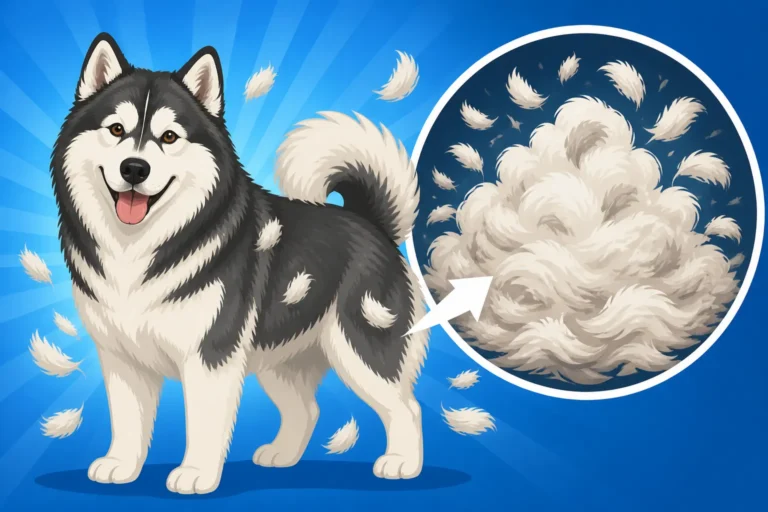
- Hair Loss (Alopecia): Along with crusting, you might notice areas of hair thinning or complete hair loss. This often occurs around the eyes, giving a "spectacled" appearance, or on the face, ears, and legs. The coat may also appear dull and dry overall, lacking its characteristic Malamute luster.
- Redness and Inflammation: The affected skin can become red and inflamed, especially if the puppy is scratching or rubbing the irritated areas. This can lead to secondary bacterial or yeast infections, which then worsen the itching and skin condition, making it even more uncomfortable for your pup.
- Thickened Paw Pads: In more advanced cases, the paw pads can become noticeably thickened, hard, and even cracked. This can be quite painful and make walking difficult for a young, active Malamute puppy. This is a sign that the deficiency has been progressing for some time.
- Lethargy and Poor Appetite: While less specific, a puppy suffering from a significant zinc deficiency might also seem less energetic than usual or have a decreased interest in food. If they're constantly uncomfortable from skin irritation, it can definitely impact their overall demeanor and desire to eat.
Differentiating from Other Conditions
It’s crucial to remember that many skin conditions can mimic the signs of zinc deficiency, such as allergies, parasitic infestations (like mange), or other nutritional imbalances. This is why a proper veterinary diagnosis is absolutely essential. A vet will typically perform a physical examination, potentially do some skin scrapings to rule out parasites, and might recommend a skin biopsy. A skin biopsy can show characteristic changes in the skin cells that are indicative of zinc-responsive dermatosis.
Sometimes, vets might also suggest a trial of zinc supplementation, carefully monitoring the puppy's response. Improvements in skin condition after a few weeks of supplementation can be a strong indicator. Never attempt to self-diagnose or treat with supplements without veterinary guidance, as too much zinc can also be harmful. Your vet can also help rule out conditions like hypothyroidism, which can cause similar coat changes and is also seen in Malamutes. Whether a Malamute's Thyroid Disease Is Mistaken for Zinc Deficiency is a good read on this topic.
Navigating Diet and Supplements: What Your Malamute Puppy Really Needs
This is where many owners feel overwhelmed. You want the best for your Malamute puppy, but the sheer volume of dog food options and conflicting advice can be confusing. The core question is: does my Malamute puppy need extra zinc beyond what's in their food? The answer isn't a simple yes or no; it depends on the individual puppy, their diet, and their genetic predisposition.
Evaluating Commercial Puppy Foods
Most high-quality commercial puppy foods, especially those formulated for large breeds, are designed to be nutritionally complete and balanced, including adequate levels of zinc. Reputable brands like Orijen, Acana, Purina Pro Plan, or Royal Canin generally follow AAFCO guidelines, which set minimum and often maximum nutrient levels. However, for a Malamute with a genetic predisposition to poor zinc absorption, "adequate" might not be truly sufficient.
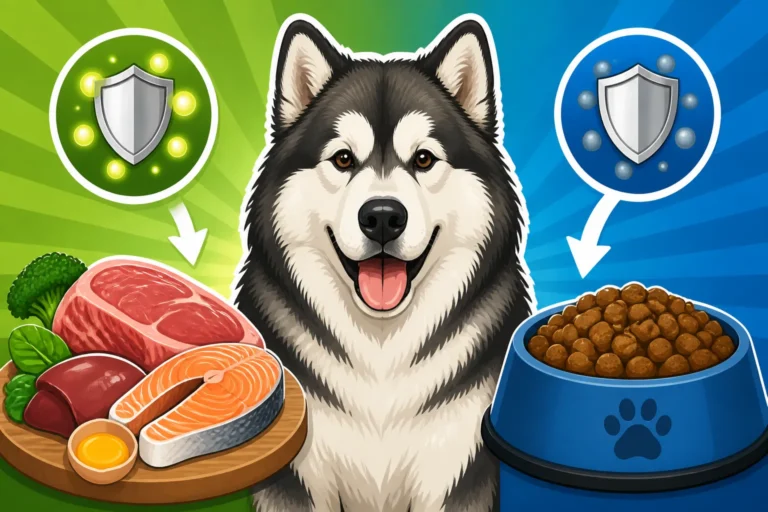
When choosing a food, look at the ingredient list and the guaranteed analysis. While the percentage of zinc might not be immediately obvious, reputable manufacturers will often list key minerals. More importantly, consider the type of zinc. Zinc chelate (like zinc methionine or zinc proteinate) is often more bioavailable than inorganic forms like zinc oxide or zinc sulfate, meaning it's easier for the body to absorb. If you're feeding a diet that contains a lot of ingredients known to inhibit zinc absorption, such as high levels of calcium or phytates found in certain grains, this can exacerbate the problem for an already predisposed Malamute. It's a tricky balance, and sometimes even the "best" food might not be enough for your specific Malamute puppy.
Dietary Components That Can Inhibit Zinc Absorption
It's not just about how much zinc is in the food; it's also about what else is in there. Certain dietary components can actively interfere with a Malamute's already inefficient zinc absorption. Being aware of these can help you make more informed choices about their diet.
- High Calcium Levels: Calcium, especially in excessive amounts, can compete with zinc for absorption sites in the gut. While calcium is vital for bone growth, feeding a diet with a very high calcium-to-phosphorus ratio or supplementing calcium unnecessarily can be detrimental to zinc absorption. This is especially relevant for large breed puppies, where careful calcium balance is already critical for skeletal development.
- Phytates: These compounds are found in certain plant-based ingredients, particularly in legumes, grains, and some seeds. Phytates bind to zinc, forming insoluble complexes that the body cannot absorb. While many commercial foods process ingredients in ways that reduce phytate levels, a diet heavily reliant on phytate-rich ingredients could still pose a challenge for a Malamute. This is an important consideration when thinking about Whether Phytates in Grain Block a Malamute's Zinc.
- Excess Fiber: While fiber is generally good for digestive health, very high levels of certain types of fiber can also reduce nutrient absorption, including zinc, by speeding up transit time or binding to minerals.
- Certain Other Minerals: High levels of other minerals like copper or iron can sometimes interfere with zinc absorption, as they share similar absorption pathways. Commercial foods are typically balanced to avoid this, but it’s something to be aware of if you’re using multiple supplements.
Here's a quick overview of dietary factors affecting zinc absorption:
| Factor | Effect on Zinc Absorption | Common Sources |
|---|---|---|
| High Calcium | Can compete with zinc for absorption, especially if excessive. | Bone meal, dairy products, some mineral supplements. |
| Phytates | Bind to zinc, making it unavailable for absorption. | Grains (corn, wheat, soy), legumes (peas, lentils), nuts, seeds. |
| Excess Fiber | May reduce absorption by binding minerals or speeding transit. | High-fiber grains, beet pulp, certain vegetables. |
| Inorganic Zinc | Less bioavailable than organic (chelated) forms. | Zinc oxide, zinc sulfate (often found in lower-quality supplements or fortified foods). |
| Chelated Zinc | Highly bioavailable, better absorbed. | Zinc methionine, zinc proteinate (found in higher-quality supplements and premium foods). |
When you're looking at different foods on Chewy or comparing options, keep these factors in mind. Some premium brands are formulated with highly bioavailable zinc sources and carefully balanced mineral ratios to mitigate these issues.
When and How to Supplement Zinc: A Vet's Guidance is Key
The decision to supplement zinc for your Malamute puppy should never be taken lightly or done without professional veterinary guidance. While zinc deficiency is a concern, excessive zinc can be toxic and lead to other serious health problems, including copper deficiency anemia. It's a delicate balance that needs careful management.
The Role of Veterinary Consultation
If you suspect your Malamute puppy might be zinc deficient, or even if you just want to be proactive due to the breed's known predisposition, the first step is always a visit to your veterinarian. Your vet will:
- Perform a thorough examination: To rule out other potential causes for skin issues.
- Conduct Diagnostic Tests: This might include skin scrapings, fungal cultures, or a skin biopsy to confirm zinc-responsive dermatosis. Blood tests for zinc levels are also available, though interpreting them can sometimes be complex as serum levels don't always perfectly reflect tissue zinc status. However, a significant drop can be an indicator.
- Recommend a Specific Supplementation Protocol: If zinc deficiency is diagnosed or strongly suspected, your vet will advise on the appropriate type, dosage, and duration of zinc supplementation. They might recommend Zinc Is the Thread Running Through Three Malamute Diseases if your dog's issues seem complex.
Never start supplementing on your own. The correct dosage for a Malamute puppy can vary significantly based on their weight, the severity of the deficiency, and the type of zinc supplement used. What works for an adult dog or another breed could be completely wrong for your growing Malamute.
Types of Zinc Supplements and Administration
If your vet recommends a zinc supplement, they will likely specify a chelated form, such as zinc methionine or zinc picolinate. These forms are generally more easily absorbed by the body. Which Zinc Supplement Suits a Malamute is a common question, and chelated forms are usually preferred. Inorganic forms, like zinc sulfate, are less expensive but also less bioavailable and more likely to cause stomach upset.
Common ways to administer zinc supplements include:
- Oral Tablets/Capsules: These are the most common and convenient. Your vet will prescribe a specific milligram dosage. It’s often recommended to give zinc supplements with food to minimize gastric irritation, although some vets might suggest giving it separately from high-calcium meals for better absorption.
- Liquid Forms: Less common for zinc, but some specific formulations might exist.
- Dietary Adjustments: Sometimes, simply switching to a higher-quality commercial food with a better zinc source or avoiding foods with high phytate levels can be part of the solution. If you're exploring fresh food options like Ollie, discussing fortification with their nutritionists or your vet is paramount.
Dosage is critical. Zinc is typically supplemented in milligrams per kilogram of body weight. An initial "loading dose" might be higher to quickly correct the deficiency, followed by a maintenance dose that might need to be continued for the Malamute's entire life. This is why the question of Whether a Malamute Needs Zinc for Life is often yes for affected individuals. Close monitoring of your puppy's skin condition and general health during supplementation is also vital, and regular vet check-ups will be necessary to adjust the dosage as they grow. You can find many veterinarian-recommended zinc supplements on Amazon or Chewy, but always ensure they match your vet's specific recommendations.
Long-Term Monitoring and Prevention
Even if your Malamute puppy responds well to zinc supplementation, long-term vigilance is key. This isn't a "cure" for their genetic predisposition, but rather a management strategy. You'll need to continue monitoring their skin and coat for any recurring signs of deficiency. Regular check-ups with your vet will help ensure the dosage remains appropriate as your puppy grows into an adult.
For prevention, especially if your puppy has not shown signs of deficiency but you want to be proactive, focus on a high-quality, large-breed puppy food from a reputable brand. Ensure it uses bioavailable forms of zinc. Avoid unnecessary calcium supplementation unless specifically directed by your vet. While some Malamute owners might consider a low-dose, prophylactic zinc supplement, this should still be discussed with a vet to ensure it's safe and won't lead to zinc toxicity over time. Being diligent about their diet and attentive to any subtle changes in their skin or coat will be your best tools in managing your Malamute puppy's unique zinc needs throughout their life.
Disclaimer
This article is for general informational purposes only and does not constitute professional advice. Laws, prices and regulations vary by location and change over time. Consult a qualified professional for guidance on your specific situation.