Whether an Alaskan Malamute Is an Efficient Eater
It's incredibly common for new Alaskan Malamute owners to stare at their massive, powerful dog and then look at the meager amount of food in their bowl, utterly convinced they're doing something wrong. You might feel like your Malamute is barely touching their meals compared to other big dogs you’ve known, and it’s easy to worry if they're getting enough nutrients. This guide will delve into why Alaskan Malamutes are often considered efficient eaters, explaining the fascinating reasons behind their unique metabolism and offering practical advice on how to feed them appropriately.
The Historical Roots of the Malamute's Efficient Metabolism
Many of us look at the sheer size and muscle of an Alaskan Malamute and assume they must be voracious eaters, constantly needing fuel to maintain their impressive physique and energy levels. But if you’ve lived with one for more than a few weeks, you’ve likely observed something quite different. The truth is, your Malamute’s ancestors dictated a very specific metabolic blueprint, one built for endurance and survival in harsh conditions, not for speed or gluttony. Their historical role profoundly shaped how their bodies process and utilize food, making them incredibly efficient with their calories. This ancient wisdom is still very much at play in your modern companion.
A Legacy of Scarcity and Survival
To understand why your Malamute might eat less than you expect, we need to journey back to their origins with the Mahlemut people in the Arctic. These dogs weren't just pets; they were essential survival tools, integral to hunting, hauling heavy loads, and navigating unforgiving terrain. Food resources in the Arctic were often scarce and unpredictable. There weren't giant kibble bags or endless fresh meat deliveries. The dogs had to make every calorie count. Their bodies evolved to convert what little they ate into maximum energy and heat, rather than burning through it quickly like a high-octane sprinter.
Think about it: a dog that burns through its fuel too fast in sub-zero temperatures, or one that constantly needs a massive food intake to sustain itself, wouldn't have survived. The Mahlemut wouldn't have been able to sustain them. This genetic predisposition means your Malamute is wired to operate on less, a survival trait passed down through generations. They weren't bred for racing where every ounce of speed is paramount and requires constant, high-octane fuel. Instead, they were bred for enduring freight work, pulling heavy loads steadily over long distances on limited rations. This fundamental difference in their ancestral "job description" sets them apart from many other large, active breeds.
The "Feast or Famine" Adaptation
The Malamute's metabolism is a masterclass in adaptation, perfectly tuned to what's often referred to as a "feast or famine" cycle. In their natural environment, a successful hunt might mean a sudden abundance of food, followed by days or even weeks of lean times. Their bodies learned to be incredibly good at absorbing and storing nutrients during the "feast" periods, making very efficient use of the fat and protein available. Then, during the "famine," they could tap into those reserves and maintain function without rapidly depleting their energy.
This means your Malamute typically has a lower basal metabolic rate compared to other breeds of similar size. They simply don't need as many calories per pound of body weight to maintain their functions. Their systems are experts at extracting every bit of nutritional value from their food, making it last longer and provide sustained energy. It's like having a car with an incredibly fuel-efficient engine; it goes further on less gas. This inherent efficiency is why you might see them skip a meal or eat sparingly, especially if their activity level isn't consistently high. It's not necessarily a sign of pickiness or illness (though those can happen too, of course!), but often just their ancient programming at work.
Why They Don't Eat Like a Lab or a Shepherd
When people compare their Malamute's eating habits to, say, a Labrador Retriever or a German Shepherd, they often come away puzzled. A Lab, known for its endless enthusiasm and often bottomless stomach, might hoover down its food in seconds and then beg for more. A German Shepherd, with its intense drive, often has a consistent, robust appetite to match its energy. Malamutes, however, march to a different drummer.
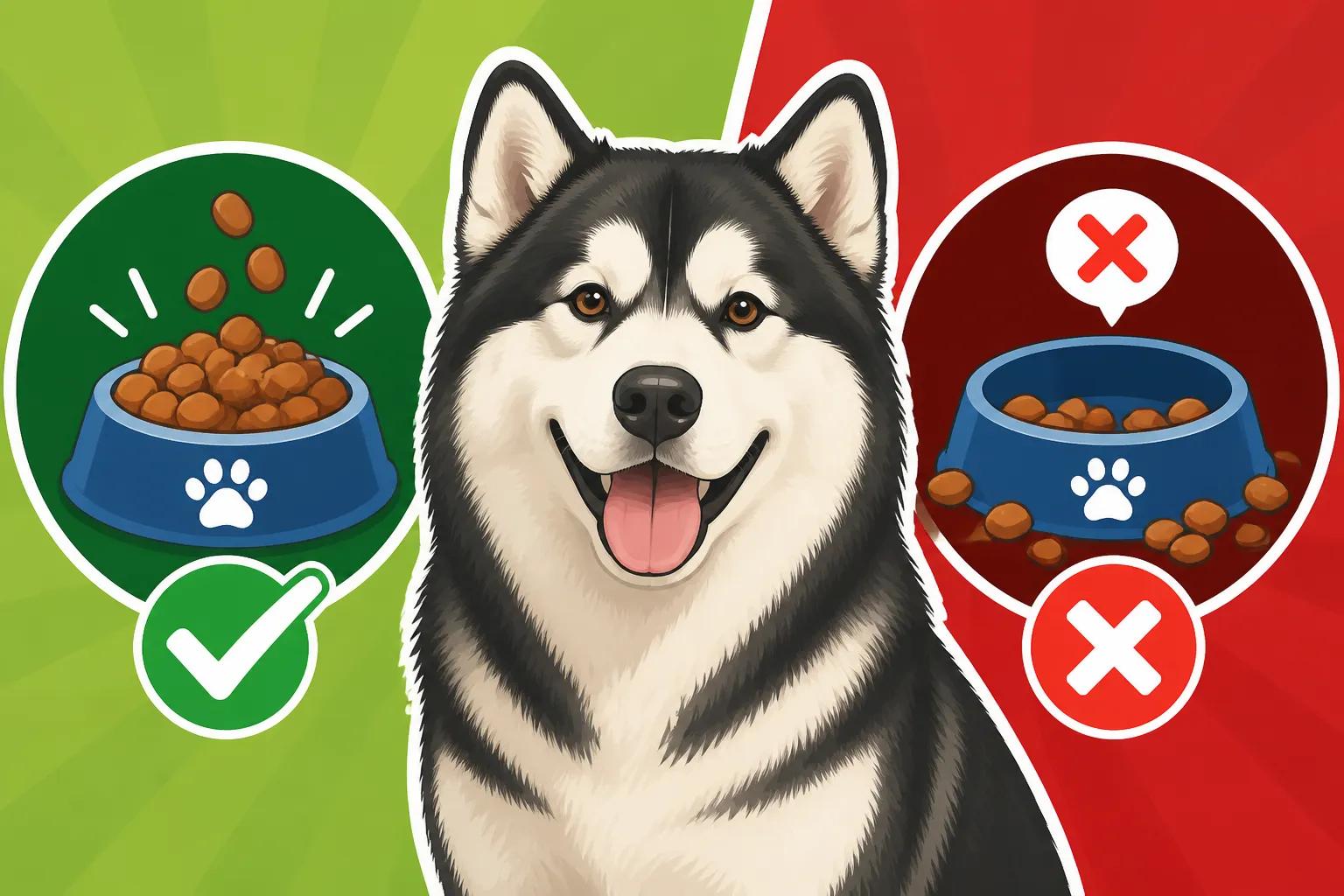
This isn't to say all Malamutes are dainty eaters; some certainly enjoy their food with gusto. But it's far more common to encounter a Malamute that grazes, leaves food in its bowl, or even skips a meal entirely, only to eat it later when it feels ready. Many owners fret, thinking their dog must be sick or unhappy. However, more often than not, it's just Why an Alaskan Malamute Eats Less Than Expected – a perfectly normal manifestation of their efficient metabolism. They simply don't have the same biological drive to constantly consume that many other breeds possess. Understanding this can save you a lot of worry and vet visits for a dog that's actually perfectly healthy, just being a Malamute.
What "Efficient Eater" Means for Your Alaskan Malamute
So, what does this highly efficient metabolism really mean for you as an Alaskan Malamute owner? It's not just a fun historical fact; it has tangible impacts on how you approach their diet, manage their weight, and even interpret their eating behavior. Embracing this characteristic means understanding that their nutritional needs might be different from what you're used to with other breeds, and that less can truly be more when it comes to their meals.
Fewer Calories, More Sustenance
The most direct implication of their efficient metabolism is that Alaskan Malamutes generally require fewer calories per day than other large dog breeds of comparable size and activity level. This doesn't mean they need less nutritious food; quite the opposite. Because they are so adept at utilizing what they eat, the quality of their diet becomes paramount. You want every calorie to be packed with essential nutrients, not empty fillers.
When selecting food, focus on high-quality protein sources and healthy fats. Avoid foods with excessive grains or artificial ingredients that offer little nutritional value. Think nutrient-dense kibbles available on platforms like Chewy or specialty fresh food services like Ollie. Even when choosing a raw diet, ensuring it’s balanced and complete is crucial. It’s a common mistake to overfeed a Malamute, thinking their large size demands huge portions, but this often leads to rapid weight gain and associated health issues. It's about feeding for optimal health, not just filling a bowl. This efficient system also means you need to be particularly mindful of specific dietary needs, like Feeding an Alaskan Malamute for Zinc It Cannot Absorb, as their bodies also manage micronutrients with unique efficiency or sometimes, deficiency.
Managing Weight and Avoiding Obesity
One of the ironies of owning an efficient eater is that they can become overweight surprisingly easily. Because their bodies are so good at holding onto calories, even a slight overestimation of their daily needs or too many treats can quickly tip the scales. An overweight Malamute is not a healthy Malamute; excess weight puts strain on their joints, exacerbates conditions like hip dysplasia, and can shorten their lifespan. You might already be thinking about Keeping an Alaskan Malamute at a Working Weight, which is a constant balancing act.
Regularly assessing your Malamute’s body condition is vital. Their thick double coat can hide a multitude of sins, so feeling for their ribs is more reliable than just looking. You should be able to feel their ribs without pressing hard, and they should have a discernible waist when viewed from above. If you're struggling to feel those ribs, it's a clear sign they're carrying too much weight. This isn't just about aesthetics; it's about their long-term health and mobility. Adjusting food intake based on activity levels, age, and individual metabolism is key to preventing obesity.
Not Always a Guzzle, Often a Graze
Unlike many breeds that inhale their food the moment the bowl hits the floor, many Malamutes are graziers. They might take a few bites, walk away, come back later, or even leave half their meal for hours. This behavior, while sometimes concerning for owners, is often perfectly normal for an Alaskan Malamute. They're not driven by the same frantic hunger that a highly active, less metabolically efficient dog might be.
However, it's important to distinguish between normal grazing and a genuine lack of appetite due to illness. If your Malamute suddenly stops eating for an extended period, shows signs of lethargy, vomiting, or diarrhea, or seems to be in pain, a vet visit is absolutely warranted. But if they're otherwise healthy and active, leaving some kibble in the bowl for a while is often just them being themselves. Their appetite can also fluctuate with the seasons and their activity level. For instance, How Many Pounds of Food a Malamute Eats in Winter might increase significantly when they're working hard in cold weather, only to drop off dramatically in warmer months or during periods of less exercise. This adaptability is another facet of their efficient eating habits.
| Factor | Typical Large Breed | Alaskan Malamute (Average) |
|---|---|---|
| Calorie Needs (per lb body weight) | Moderate to High | Moderate to Low |
| Eating Speed | Fast, Guzzles | Slow, Grazes |
| Likelihood of Skipping Meals | Low | Moderate to High |
| Weight Gain Tendency | Varies by breed/activity | High, if overfed |
| Metabolic Rate | Higher | Lower, efficient |
| Response to Scarcity | Less adapted | Highly adapted |
Practical Feeding Strategies for Your Efficient Malamute
Understanding your Malamute's efficient metabolism is the first step; the next is applying that knowledge to practical, healthy feeding strategies. It's about providing the right fuel in the right amounts, ensuring they thrive without becoming overweight or missing out on vital nutrients. This means careful food selection, portion control, and awareness of their unique digestive considerations and changing needs throughout their life.
Choosing the Right Food and Portions
Given their efficiency, the quality of food you provide your Malamute is crucial. Every calorie needs to count. Look for dog foods where a named meat source is the first ingredient, and ideally, the first few ingredients. Avoid excessive fillers like corn, wheat, or soy, as these provide less nutritional value for their efficient systems and can sometimes lead to digestive upset or allergies. Both dry kibble and fresh food diets can work beautifully for Malamutes, as long as they are complete and balanced. Many owners find excellent options on online retailers like Chewy or Amazon, offering a wide range of premium kibbles. For those interested in fresh food, services like Ollie provide pre-portioned, human-grade meals that can be an excellent choice for a Malamute's discerning palate and efficient digestion.
When it comes to portions, start with the lower end of the recommended feeding guidelines on your chosen food packaging, especially for an adult pet Malamute. Then, adjust based on your dog's individual activity level and body condition. A Malamute that is actively working, pulling a sled, or engaging in strenuous exercise will naturally need more food than a couch potato. However, even then, their efficiency means they still might need less than you’d expect for their output. Regularly check their weight and body condition – feeling those ribs is key – and tweak their portions accordingly. Remember, How Much an Adult Alaskan Malamute Should Eat is often less than you think, and it's always easier to add a little more food than to take off extra weight. For more granular guidance, you can explore resources on How Many Cups a Day an Adult Alaskan Malamute Eats.
Avoiding Bloat and Promoting Healthy Digestion
Even efficient eaters can be prone to certain digestive issues, and bloat (Gastric Dilatation-Volvulus or GDV) is a serious concern for deep-chested breeds like the Alaskan Malamute. While their eating habits might be less frantic, taking precautions is still vital. One helpful strategy is using a slow-feeder bowl or spreading their food out on a large baking sheet. This encourages them to eat more slowly, reducing the amount of air they swallow, which is believed to be a contributing factor to bloat.
Another crucial recommendation is to ensure your Malamute rests quietly for at least an hour before and after eating. Strenuous exercise, running, or rough play immediately following a meal can increase the risk of bloat. Divide their daily food allowance into at least two meals, rather than one large one, to reduce the volume in their stomach at any given time. While these measures can help, it's important to know the Signs a Malamute Is Bloating so you can act quickly if an emergency arises. Prompt veterinary attention is critical if you suspect bloat.
Monitoring and Adjusting for Life Stages
An Alaskan Malamute's nutritional needs aren't static; they evolve throughout their life. What works for a bustling puppy won't necessarily be right for a senior dog or a working adult. For puppies, the goal is steady, healthy growth, not rapid bulk. You'll want to ensure your Why a Malamute Puppy Should Grow Slowly, as too much food can lead to orthopedic problems later in life. Puppy food formulas are designed to support this crucial developmental stage.
As they transition to adulthood, typically around 12-18 months, their calorie needs will often decrease. This is when many owners make the mistake of continuing puppy portions, leading to early weight gain. Senior Malamutes, usually considered eight years or older, also have different needs. Their metabolism might slow further, and they may become less active. Caring for an Old Alaskan Malamute often involves reducing calorie intake while ensuring they still get plenty of joint support and easily digestible nutrients. There are many specialized senior dog foods that can help with Feeding an Old Alaskan Malamute. On the other end of the spectrum, if you have a working Malamute engaged in regular freighting, sledding, or other strenuous activities, their caloric demands will be higher, and you might need to look into performance formulas. The key is constant observation and adjustment; your Malamute's efficient nature requires an owner who pays close attention to their changing needs. If your Malamute is a working dog, you will need to consider Feeding a Working Malamute Against a Pet One.
Disclaimer
This article is for general informational purposes only and does not constitute professional advice. Laws, prices and regulations vary by location and change over time. Consult a qualified professional for guidance on your specific situation.