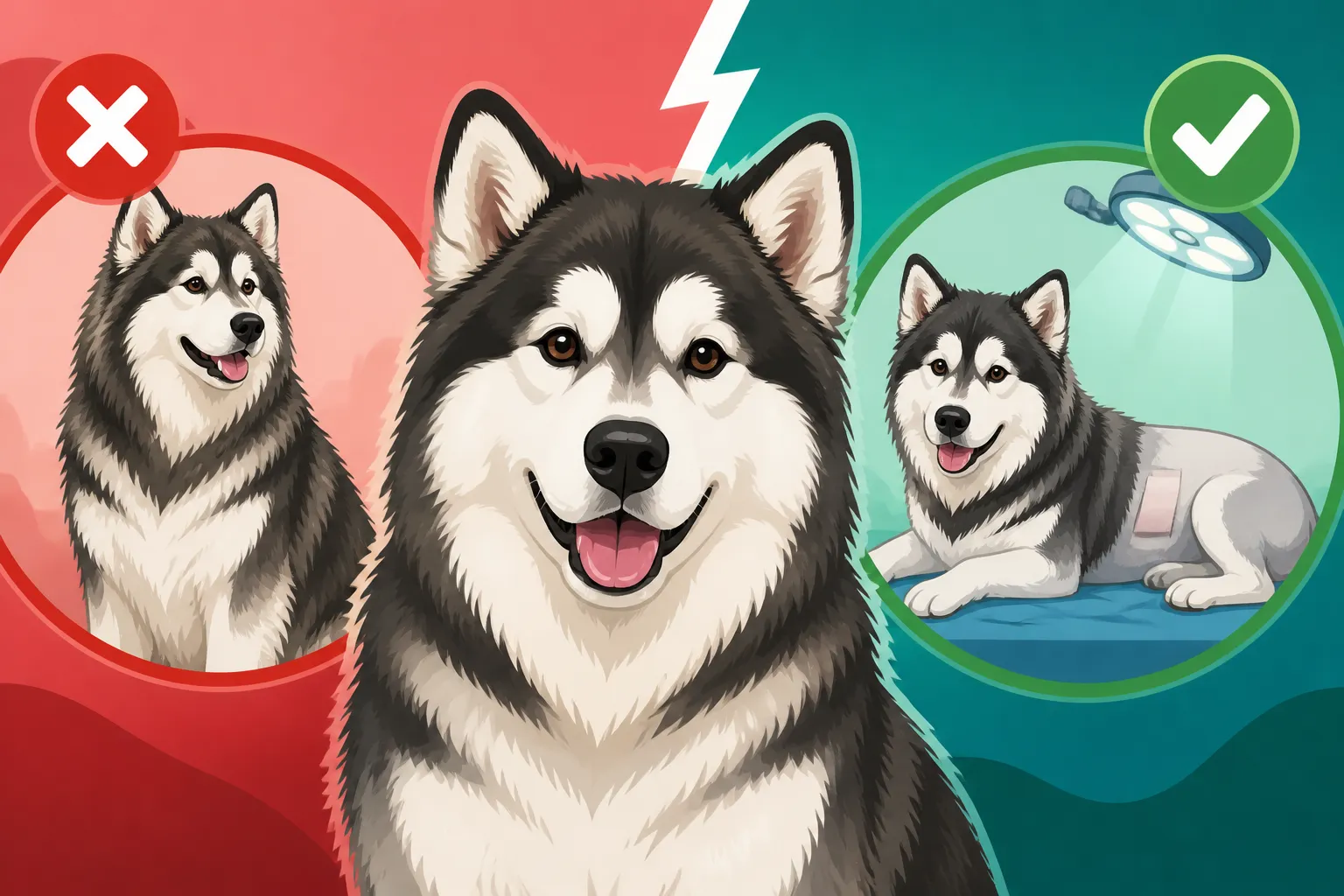
Whether an Alaskan Malamute Should Be Clipped for Surgery
It’s a moment every Alaskan Malamute owner dreads: the vet tells you your beloved fluffball needs surgery. Your mind races through everything from the procedure itself to the recovery, but then a new, specific anxiety often hits – "Are they going to shave my Malamute?" The thought of that magnificent, insulating double coat being buzzed off can be truly heartbreaking, not just for aesthetics but for your dog's comfort and health. This guide is here to walk you through why surgical clipping is necessary, how it impacts your Malamute, and what you can do to support them through the process and beyond.
The Malamute's Unique Double Coat and Its Purpose
When you live with an Alaskan Malamute, you quickly learn their coat isn't just fur; it's a marvel of natural engineering. It's designed to protect them in some of the harshest environments on Earth, and understanding its structure is key to appreciating why the idea of shaving it causes so much concern.
What Makes the Malamute Coat Special?
Your Malamute's coat is a masterclass in insulation, perfectly adapted to their heritage as powerful freighting dogs in arctic climates. It consists of two distinct layers: a dense, woolly undercoat and a protective outer layer of coarse guard hairs. The undercoat is incredibly thick, almost like a downy blanket, providing exceptional thermal insulation that traps air close to the body, keeping them warm in freezing temperatures. It's often described as an impenetrable barrier against cold, wind, and even wet snow, which simply sheds off the guard hairs. This double layer is what makes them so resilient outdoors, thriving in conditions that would send other breeds shivering indoors.
Why Shaving is Generally a No-Go
Because of this specialized structure, shaving a Malamute for anything other than a medical necessity is almost universally frowned upon by experienced owners and breed experts. You might think shaving would cool them down in summer, but it actually does the opposite. Their double coat acts as both a heater in winter and a cooler in summer, thanks to its insulating properties. By trapping a layer of air, it helps regulate their body temperature, protecting them from both extreme cold and extreme heat. Remove that natural insulation, and you expose their delicate skin to sunburn, insect bites, and the harsh elements. Moreover, shaving can permanently damage the coat, leading to patchy regrowth, a change in texture, and sometimes even "post-clipping alopecia," where the fur simply doesn't grow back correctly or fully. This is why you should always avoid Why an Alaskan Malamute Must Never Be Shaved in general circumstances.
The Surgical Clipping Imperative
Despite all the reasons not to shave a Malamute, there are times when it’s absolutely unavoidable, and surgery is one of them. For any invasive procedure, a sterile field is paramount to prevent infection. This means the surgical site must be meticulously clean, and fur, unfortunately, harbors bacteria and can get in the way of incisions and sutures. Your veterinarian isn't clipping your Malamute's coat to be unkind or to save time; they're doing it to ensure the highest standard of care and minimize the risk of serious complications like surgical site infections. It’s a crucial step in maintaining a sterile environment and allowing the surgical team clear access. While it might be a shock to see that bald patch, remember it's a small, temporary sacrifice for their long-term health.
Balancing Surgical Necessity with Coat Integrity
The moment you see that shaven patch on your Malamute, your heart might sink a little. You know it was necessary, but the visual change, coupled with concerns about their comfort and future coat health, is very real. It’s about managing expectations and providing the best post-operative care.
The Minimum Necessary Clip
Good veterinary practices understand the importance of a Malamute's coat and will typically aim for the smallest necessary clip. They don't go for a full body shave unless the surgical or diagnostic need demands it. Often, it's a precise area around the incision site, allowing just enough clear skin for preparation and the procedure itself. Discussing this beforehand with your vet can often ease some of your anxiety. You can ask them to mark the area they intend to shave, if feasible, just to give you a visual. Sometimes, depending on the surgery, it might be a small square on a leg for an IV, or a larger area on the abdomen for an abdominal surgery. The goal is always to balance surgical safety with respect for the animal's natural protective layers.
Post-Surgical Coat Care
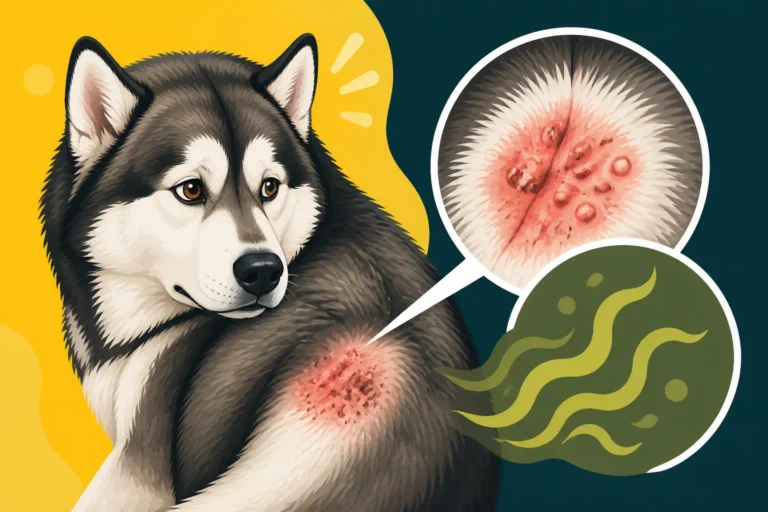
Once your Malamute is home from surgery, that shaven patch requires a bit of extra attention. Firstly, the exposed skin is sensitive. It might be a little irritated from the clipping or the surgical prep solutions. Keep an eye out for redness, excessive licking, or signs of discomfort. You'll likely have a recovery suit or Elizabethan collar (e-collar, "cone of shame") to prevent them from interfering with the incision, but this also helps protect the bare skin. For a while, that patch won't offer any sun protection, so if your Malamute is lounging outdoors, make sure they have ample shade.
As the fur starts to grow back, typically within a few weeks, it's vital to monitor it. Sometimes the texture can be slightly different initially, and it might take longer to match the rest of the coat. Good nutrition, like a high-quality diet or supplements (ask your vet about specific recommendations, perhaps exploring options from a brand like Ollie for nutrient-dense whole foods), can support healthy hair growth. Be patient; a Malamute's coat grows slowly, and it may take months, even up to a year, for the shaven area to fully integrate with the surrounding fur. Remember, How Long a Malamute's Coat Blow Lasts can give you an idea of how quickly their coat cycles, which helps frame expectations for regrowth.
Addressing Owner Concerns and Expectations
It’s completely normal to feel a bit sad or worried about your Malamute’s clipped fur. Many owners confess to feeling like their dog looks "naked" or vulnerable. It's important to set realistic expectations for regrowth. The hair will grow back, but it won't be overnight, and the initial re-growth might look a little 'off' compared to the surrounding untouched coat.
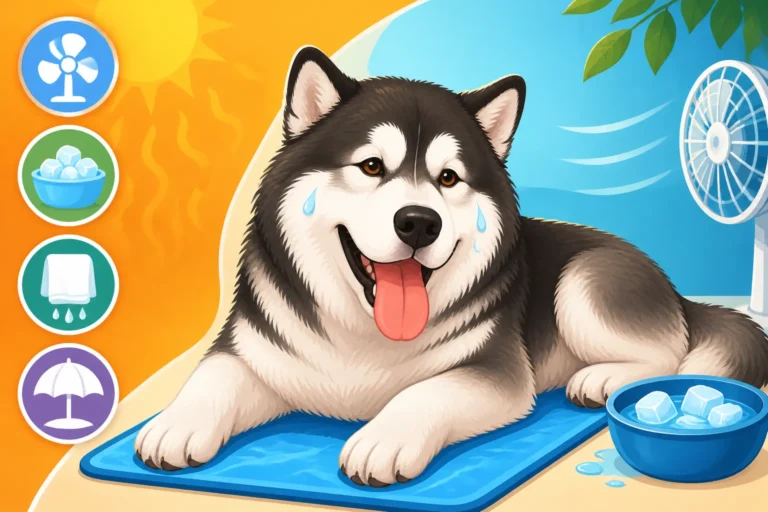
Your Malamute relies on its coat for so much more than just looks, particularly for temperature regulation. That bald patch will affect their ability to manage heat and cold in that area. In warmer weather, be extra vigilant for signs of overheating; ensure they have access to cool spots, shade, and plenty of water. In colder weather, that spot will be more vulnerable to the cold, so consider a soft, comfortable sweater or recovery suit to provide some temporary insulation, especially if they are accustomed to outdoor access. The Temperature at Which a Malamute Should Stay Indoors becomes even more critical with exposed skin. Don't be shy about reaching out to your vet with any concerns during this regrowth period; they’ve seen it all before and can offer reassurance and practical tips.
Practical Considerations for a Malamute Undergoing Surgery
Beyond the initial clip, there are several practical steps you can take to make your Malamute’s surgical recovery and coat regrowth as smooth and comfortable as possible. This proactive approach can make a huge difference to their well-being and your peace of mind.
Keeping Your Malamute Comfortable Post-Op
The immediate post-operative period is crucial. Your Malamute will likely be groggy and possibly uncomfortable. Providing a soft, clean, and quiet space to recover is paramount. For the clipped area, protection is key. As mentioned, an Elizabethan collar or a soft recovery suit (you can find various styles on platforms like Amazon or Chewy) will be essential to prevent licking, chewing, or scratching at the incision. This also incidentally provides some protection for the exposed skin.
Remember their natural insulation is compromised in the clipped area. If your home tends to be on the cooler side, particularly if they enjoy sleeping on cold floors, consider adding extra blankets or a dog bed to provide warmth to the exposed area. Conversely, if it's warm, ensure they have access to cool surfaces and plenty of water. Monitor their panting and general demeanor closely for any signs of being too hot. For tips on managing heat, you might find How to Cool an Overheated Alaskan Malamute helpful.
Managing the Grow-Out Process
Patience is a virtue when waiting for a Malamute's coat to grow back. It won’t be instant, and you might notice some interesting stages. The new hair might come in a slightly different shade or texture at first, or it might grow in patchy. Regular, gentle brushing of the surrounding coat can help stimulate circulation and distribute natural oils, which can indirectly support the health of the growing patch. Once the new hair is long enough to blend, incorporating the clipped area into your regular grooming routine will be important to prevent matting, especially as the undercoat starts to emerge again. You'll want to use tools designed for double coats; a good undercoat rake, which you can purchase from Chewy or Amazon, will be your best friend when tackling the eventual fluff. Which Brush Gets Through a Malamute's Undercoat offers more detailed advice on grooming tools.
Also, consider their diet. A balanced diet rich in essential fatty acids and proteins is fundamental for healthy skin and coat. While a special diet for coat regrowth isn't usually necessary, ensuring their regular food is high quality is always a good idea. Some owners explore options like Ollie to ensure their dogs get optimal nutrition, which can contribute to overall skin and coat health.
Working with Your Vet and Groomer
Communication is your most powerful tool throughout this process. Before surgery, talk to your vet about your concerns regarding the coat clipping. Ask about the estimated size of the area to be clipped and any specific aftercare instructions related to the exposed skin. They can provide advice on protecting the site, managing temperature, and what to expect during regrowth.
Once your Malamute is healing well, if you use a professional groomer, give them a heads-up about the clipped area. They can offer advice on how to handle the growing fur, prevent matting, and integrate it back into the overall coat health. They understand the unique challenges of a Malamute's double coat and can help guide you on the best approach for brushing and bathing during the grow-out phase, ensuring the integrity of their magnificent coat is restored as fully as possible.
Disclaimer
This article is for general informational purposes only and does not constitute professional advice. Laws, prices and regulations vary by location and change over time. Consult a qualified professional for guidance on your specific situation.