Whether Malamute Fur Can Be Spun Into Yarn
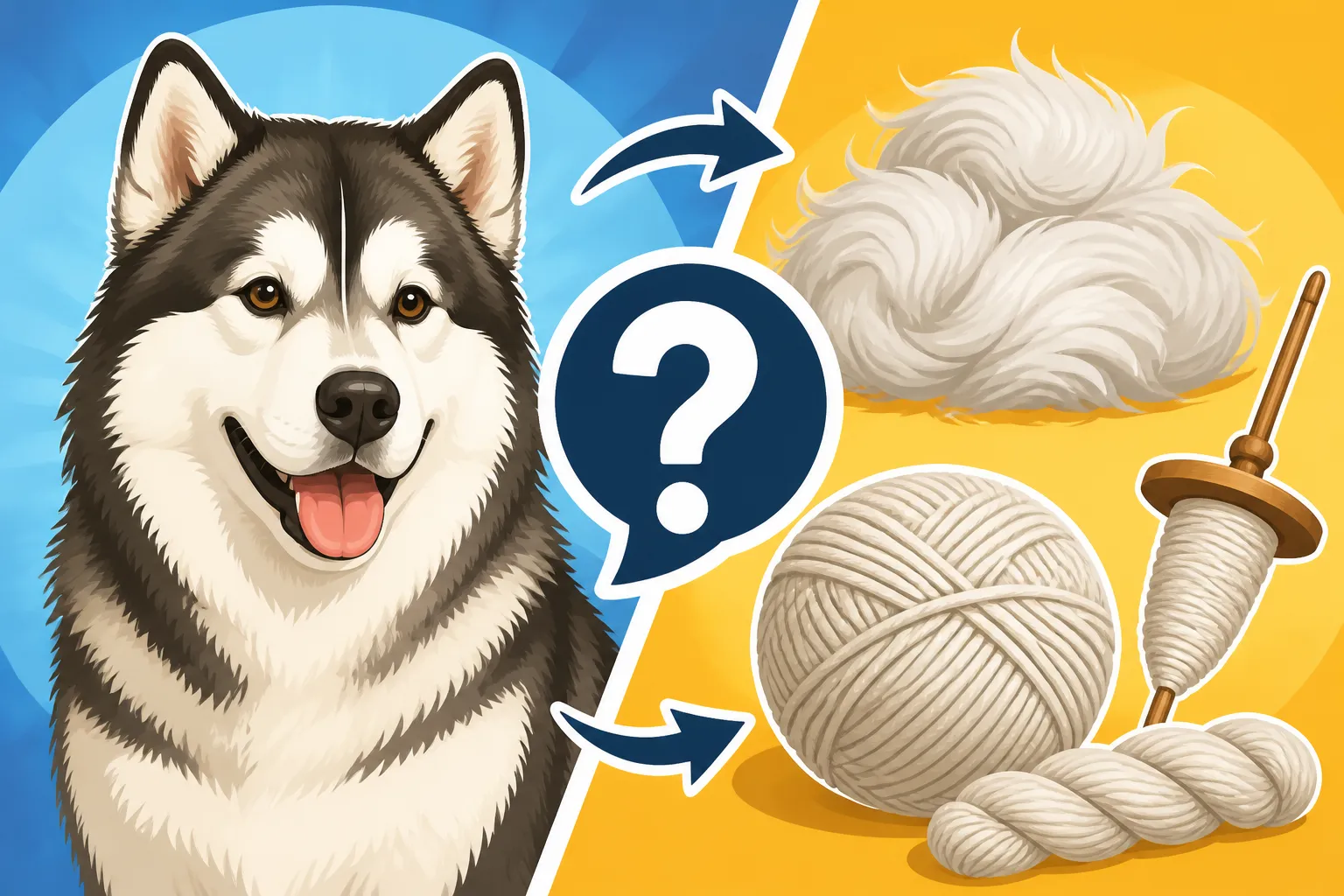
If you're an Alaskan Malamute owner, you know the struggle is real. That beautiful, majestic coat that keeps them warm in the harshest winters also produces an astonishing amount of fluff, especially during their infamous "coat blow" seasons. You sweep, you vacuum, you brush, and still, it feels like your house is slowly being redecorated in Malamute fur. It's enough to make you wonder, "What on earth am I going to do with all this?" Well, for many, the idea of turning that abundant, soft undercoat into something useful and even beautiful – like yarn – sparks a real interest. This guide will dive deep into whether that dream is actually a reality, and how you might go about spinning your Malamute's glorious fluff into wearable art.
The Malamute Coat: A Fiber Goldmine (or Challenge)?
Let's be honest, few things are as distinct as the Alaskan Malamute's coat. It’s not just fur; it’s a feat of natural engineering, perfectly adapted to extreme cold. But what makes it so efficient at insulation also makes it a never-ending source of fiber for its human companions. Understanding the structure of this coat is the first step in appreciating its potential as a textile.
Understanding the Unique Double Coat
Your Malamute isn't just fluffy; they have a very specific, utilitarian double coat designed to protect them from the elements. There are two distinct layers, each with its own role, and only one is truly desirable for spinning.
First, you have the harsh outer guard hairs. These are coarser, longer, and stiffer. Their primary purpose is protection – shielding the dog from snow, ice, rain, and wind. They’re like a waterproof, windproof shell. While they contribute to the overall appearance and function of the coat, they aren't what you want for spinning a soft, comfortable yarn. They tend to be prickly and less malleable.
Beneath this protective layer lies the true treasure: the soft, dense undercoat. This is the downy, woolly layer that provides incredible insulation. It’s what keeps your Malamute toasty warm even when temperatures plummet far below freezing. This undercoat is what sheds in massive quantities, particularly during spring and fall, in an event affectionately (or perhaps despairingly) known as The Malamute Coat Blow That Fills a Vacuum in an Afternoon. It's this luxurious undercoat that spinners covet. It's incredibly fine, soft, and feels wonderfully warm against the skin. If you've ever found yourself stuffing a bag full of brushed-out Malamute fluff and marveled at its softness, you're already halfway to understanding why it's so appealing for yarn.
The Sheer Volume of Fur
If you own a Malamute, you don't need me to tell you about the sheer volume of fur they produce. It's legendary! During a full coat blow, it can feel like you're brushing out an entire second dog's worth of fur every day. I've had friends jokingly ask if my Malamute is actually multiplying when they see the piles of fluff. This isn't just a minor annoyance; it's a significant management task. Owners often feel overwhelmed trying to keep up, and finding a purpose for all that fiber becomes a genuine consideration.
This overwhelming amount of fur, however, is precisely what makes the idea of spinning it so appealing. Instead of constantly throwing away bags and bags of perfectly good fiber, you're transforming it into something beautiful and lasting. It’s an exercise in sustainability and a way to honor your dog in a unique, tangible form. The sheer quantity, which often feels like a burden, transforms into an exciting resource. Just imagine how much yarn you could get when you realize How Much Undercoat Comes Off an Alaskan Malamute during one good brushing session! It's truly a seemingly endless supply.
Preparing Malamute Fur for Spinning
Before you can even think about turning that pile of fluff into a cozy scarf, there are crucial steps involved in collecting and preparing the fiber. This isn't just about bagging up whatever comes off your brush; careful preparation makes all the difference in the quality of the final yarn.
Collection and Storage: Not Just a Pile of Hair
The way you collect your Malamute's fur has a huge impact on its spinnability. You absolutely want to collect fur that comes out only through brushing, not fur that has been cut or shaved. Cut fur has blunt ends, which makes it harder to spin into a strong, cohesive thread, and the resulting yarn can feel prickly. The naturally shed undercoat has tapered ends, which interlock beautifully, creating a smoother, more durable yarn.
Focus on collecting the soft undercoat, trying to minimize the inclusion of coarser guard hairs. While a few guard hairs are inevitable, a higher proportion of undercoat will yield a softer yarn. Brush your Malamute regularly, especially during shedding season. Many owners find a good undercoat rake or a force dryer to be invaluable tools. For example, popular online retailers like Chewy or Amazon offer a wide range of specialized brushes and rakes designed for double-coated breeds. These tools really get down to that dense undercoat. You might find some great options available from brands like Furminator or Chris Christensen. You'll definitely want to read up on Which Brush Gets Through a Malamute's Undercoat to make sure you're using the right tool for optimal collection.
Once collected, the fur needs to be stored properly. It must be clean and dry. Any moisture can lead to mold or mildew, ruining your precious fiber. Store it loosely in breathable bags, like pillowcases or paper bags, rather than airtight plastic containers where moisture can get trapped. Label your bags with the date and perhaps even which dog the fur came from if you have multiple Malamutes! Keeping it clean also means trying to collect fur that hasn't picked up too much outdoor debris, dirt, or food scraps. A regular grooming routine, even outside of shedding season, helps ensure cleaner fiber. If you're wondering How Often an Alaskan Malamute Needs Brushing, the answer is usually "more than you think," especially if you're collecting for spinning!
Cleaning and Carding: Essential Pre-Spinning Steps
Even with careful collection, Malamute fur will need some cleaning before it’s ready to spin. Your dog’s natural oils, dander, and any lingering bits of dirt or debris need to be removed. This is often done through a gentle washing process using a mild, wool-safe soap. The key is to avoid agitation, which can cause felting, just like washing wool. You want to soak the fur gently, rinse it thoroughly, and then let it air dry completely. Some people prefer to dry clean their fiber or use specialized methods to preserve as much of the natural character as possible. This step is critical because any residual dirt or oil can affect the feel of the yarn and its longevity, and nobody wants a "dirty dog" smell clinging to their beautiful handmade item.
After cleaning and drying, the next crucial step is carding. Carding is the process of disentangling, cleaning, and aligning the fibers, preparing them for spinning. Imagine taking a tangled mass of cotton and carefully teasing it out into a fluffy, even cloud – that's essentially what carding does. This can be done with hand carders, which resemble paddles with wire teeth, or a drum carder, a larger machine that makes the process more efficient, especially for larger quantities of fur. Carding removes any remaining small bits of debris, further separates the guard hairs from the undercoat, and creates a "rolag" or "batt" of fiber that is uniform and easy to feed into the spinning wheel or spindle. This smooth, aligned preparation is vital for achieving a consistent and strong yarn. It also allows you to see the true color and texture of the Malamute's undercoat, which can range from creamy whites to various shades of gray and even reddish tones.
The Art and Science of Spinning Malamute Yarn
Now we get to the exciting part: turning that carefully prepared fluff into actual yarn! This is where skill, patience, and a little bit of artistry come into play. It's a truly rewarding process, but it's important to understand the unique characteristics of Malamute fiber.
Blending for Strength and Softness
Malamute undercoat is wonderfully soft – often compared to cashmere or angora in terms of luxurious feel. However, like these fine fibers, it can sometimes lack the inherent strength and elasticity found in, say, sheep's wool. On its own, 100% Malamute yarn can sometimes be a bit fragile or have a tendency to pill more easily, especially for items that will see a lot of wear.
This is where blending becomes your best friend. Combining Malamute fur with other fibers can significantly enhance the yarn's properties. For example:
- Wool: Blending with sheep's wool (like Merino, for its softness) adds elasticity, memory, and strength, making the yarn more durable and easier to work with. A blend of 50-70% Malamute fur and 30-50% wool is a common and highly successful ratio, creating a yarn that is both soft and resilient.
- Alpaca: For even more luxury and softness, alpaca can be a beautiful addition. It offers warmth and drape, and its natural luster complements the Malamute fur.
- Silk: A small percentage of silk can add incredible strength, sheen, and a luxurious feel, making the yarn truly special.
- Nylon: For items requiring extra durability, like socks, a blend with a small amount of nylon can be beneficial, though this is less common for "chiengora" (dog fur yarn).
The blend you choose will depend on the intended use of the yarn and your personal preference for softness versus durability. It's a delightful experiment to see how different fibers interact with your Malamute's unique fluff!
The Spinning Process: From Fiber to Thread
Spinning is the ancient craft of twisting fibers together to create a continuous strand of yarn. You can do this with a simple drop spindle or a more advanced spinning wheel. Both methods involve drafting (pulling out a small amount of fiber) and twisting it.
With a drop spindle, you hand-draft the fiber and use the momentum of the spinning spindle to impart the twist. It's a meditative and portable craft, excellent for beginners or for spinning smaller amounts of fiber.
A spinning wheel offers more control and speed. You use a treadle to power the wheel, which twists the fiber as you feed it in and draft it. Learning to spin takes practice, but the satisfaction of creating your own yarn from your dog's fur is immense. The goal is to create a consistent "single" strand of yarn.
Once you have spun your singles, the next step for most projects is plying. Plying involves taking two or more of these single strands and twisting them together in the opposite direction. This adds strength, balances the yarn, and prevents it from unraveling. A two-ply yarn is common and creates a balanced, durable thread perfect for knitting or crocheting. Without plying, a single strand of yarn would likely be too delicate and prone to breaking.
If hand-spinning isn't something you're ready to tackle yourself, don't despair! There are professional spinners who specialize in "chiengora" (dog fur yarn). You can send them your carefully collected and cleaned Malamute undercoat, and they will process and spin it into beautiful yarn for you. This is a fantastic option for those who want the unique yarn without the time commitment of learning to spin.
What Can You Make with Malamute Yarn?
So, you've gone through the effort of collecting, cleaning, and spinning your Malamute's fur into beautiful yarn. Now what? The possibilities are truly delightful and incredibly personal.
Malamute yarn, especially when blended for strength, is exceptionally warm and soft. It's ideal for items that will be worn close to the body, offering maximum comfort and insulation. Think about cherished items like:
- Hats: A Malamute yarn hat would be incredibly warm, perfect for cold winter days, and a constant reminder of your furry friend.
- Scarves and Cowls: Wrap yourself in the warmth and love of your Malamute's fur. These make fantastic gifts too!
- Mittens or Gloves: Keep your hands toasty with a unique pair of gloves.
- Small Blankets or Throws: While a full-sized blanket might require an almost impossible amount of fur, smaller throws or accent blankets are definitely achievable and make for incredibly sentimental pieces.
- Baby Booties or Hats: For new arrivals in the family, a small item made from the family Malamute's fur can be a truly special heirloom, representing the connection to the canine member of the family.
The warmth and unique feel of "chiengora" are unparalleled. Beyond its practical qualities, there's immense sentimental value in wearing or using something made directly from your beloved dog. It's a tangible connection, a way to keep a piece of them with you always, long after their coat blow seasons are a distant memory, or even after they've crossed the rainbow bridge. It truly is a labor of love that transforms a yearly nuisance into a cherished keepsake.
Practical Considerations and Challenges
While the idea of Malamute yarn is enchanting, it’s important to approach it with realistic expectations. There are some practical considerations and challenges that every aspiring "chiengora" enthusiast should be aware of.
The Smell Factor: Addressing Common Concerns
This is often the first question people ask: "Does dog fur yarn smell like dog?" It's a valid concern, and one that gives many people pause. Nobody wants to wear a hat that smells like a wet dog!
The good news is that proper cleaning and processing largely eliminate any noticeable "doggy" odor. The natural oils and dander that contribute to a dog's smell are removed during the washing and carding stages. A well-prepared and spun Malamute yarn should be virtually odorless. Think of it like wool: raw sheep's wool can smell very "sheepy," but a finished wool sweater has no such odor. The same principles apply here.
However, it's worth noting that all animal fibers, including wool, can develop a faint "animal" smell if they get wet and then don't dry properly, or if they are stored in damp conditions. This is usually very subtle and temporary. If you've ever had a wool sweater get thoroughly soaked, you might have noticed a similar, earthy scent. Rest assured, if your Malamute yarn is processed correctly, it won't carry that distinct "wet dog" aroma that we Malamute owners know all too well. It will simply be a wonderfully warm and soft fiber. It's a common misconception, often rooted in folks wondering Whether an Alaskan Malamute Barely Smells to begin with, which they actually don't for the most part when healthy!
Time, Skill, and Cost Investment
Creating Malamute yarn is not a quick or inexpensive endeavor, especially if you're starting from scratch. It's genuinely a labor of love.
- Time Commitment: Collecting enough clean undercoat can take months, depending on your Malamute's shedding cycle and your dedication to regular brushing. Preparing the fiber (washing, drying, carding) is also time-consuming. Learning to spin, if you're new to it, requires many hours of practice. Even experienced spinners dedicate significant time to each project.
- Skill Acquisition: Spinning is a craft that takes time to master. Learning to control the drafting and twist to create a consistent yarn is a skill that develops with practice. There are workshops, online tutorials, and local spinning guilds that can help you learn.
- Cost of Equipment/Services: If you plan to spin yourself, you'll need to invest in equipment: hand carders, a drop spindle, or a spinning wheel. These can range in price from very affordable (for a basic spindle) to several hundreds or even thousands for a high-quality wheel. If you opt for professional spinning services, you'll pay for the expertise and labor involved. The cost will vary based on the weight of the fiber and the complexity of the spinning (e.g., blending, plying). When you consider What Grooming an Alaskan Malamute Costs over its lifetime, adding in spinning can certainly be an extra but rewarding expense.
It's important to approach this not as a way to save money on yarn, but as a hobby, a craft, and a deeply personal project. The value lies in the process and the unique, sentimental end product, rather than in economic savings.
Alternatives to Spinning Your Own
What if the idea of learning to spin, or the time commitment, feels too daunting, but you still hate the thought of all that wonderful Malamute fluff going to waste? You have options!
- Professional Spinners: As mentioned, there are many skilled artisans who specialize in "chiengora." A quick online search for "dog fur spinning services" or "chiengora yarn" will likely reveal several individuals or small businesses that can turn your raw fiber into finished yarn. They'll guide you on how to prepare and ship your fur to them. This is often the most practical route for those who lack the time or inclination to learn spinning themselves.
- Donating to Crafters: Some local crafting groups, fiber artists, or even art schools might be interested in experimenting with Malamute fur. You could reach out to them and see if they have any projects where your donations might be useful. While less common, it's always worth exploring.
- Other Crafts: Even if spinning isn't the path, Malamute fur can be used in other crafts. Some people use it for felting projects, stuffing for pet beds or pillows, or even as nesting material for wild birds (though ensure it's clean and free of chemicals for wildlife).
Ultimately, whether you decide to dive headfirst into the world of spinning or explore other avenues, the key is recognizing that your Malamute's fur is a precious, renewable resource. It represents a unique part of your dog and can be transformed into something truly special, a testament to the bond you share.
| Aspect of Malamute Fur Spinning | Description | Considerations |
|---|---|---|
| Fiber Type | Primarily the soft, dense undercoat | Coarse guard hairs are less desirable for soft yarn. |
| Collection | Brush-out fur only; avoid cut/shaved fur. | Regular brushing, especially during coat blow, yields best results. |
| Preparation | Must be clean, dry, and carded to align fibers. | Improper cleaning can lead to odor; poor carding leads to inconsistent yarn. |
| Spinning Method | Can be done with a drop spindle or spinning wheel. | Requires practice to achieve consistent results; professional services are available. |
| Blending | Often blended with wool or other fibers (alpaca, silk) for strength and elasticity. | 100% Malamute yarn can be very soft but potentially less durable. |
| End Products | Ideal for warm, soft items like hats, scarves, mittens, small blankets. | Offers high sentimental value and unique warmth. |
| Odor Concern | Proper cleaning eliminates "doggy" smell. | Like wool, may have a faint animal scent if wet, but this typically dissipates. |
| Investment | Significant time, potential skill acquisition, and cost for equipment or professional services. | More of a hobby/labor of love than a cost-saving measure. |
Disclaimer
This article is for general informational purposes only and does not constitute professional advice. Laws, prices and regulations vary by location and change over time. Consult a qualified professional for guidance on your specific situation.