Whether Paw Balm Helps an Alaskan Malamute
It’s a common sight for us Malamute parents: our majestic, powerful dogs, built for the harshest conditions, can sometimes get surprisingly delicate paw pads. Maybe you’ve noticed them licking their feet more often, or perhaps you’ve felt the rough, cracked texture of their pads after a long walk or a day of play. This guide will dive deep into whether paw balm is truly a helpful ally in keeping your Alaskan Malamute's paws healthy and comfortable.
The Unique Challenges of an Alaskan Malamute's Paws
Our Malamutes are incredible creatures, bred over centuries by the Mahlemut people of the Arctic to pull heavy loads over vast distances in extreme cold. Their bodies are masterpieces of adaptation, from their dense double coats to their powerful musculature. Yet, their paw pads, despite being robust, are still surprisingly vulnerable to the demands we place on them in our modern world. They’re constantly exposed to a variety of surfaces and elements, often without the natural conditioning they might receive in their ancestral environments.
Why Malamute Paws Face Extra Wear and Tear
Think about what your Malamute loves to do: exploring trails, bounding through snow, or even just trotting beside you on a paved path. Each of these activities, while wonderful for their physical and mental health, puts significant stress on their paw pads. Unlike the rest of their body, which is insulated by that glorious double coat, their paws are directly in contact with the ground, absorbing every impact and battling every temperature extreme. A day spent pulling a sled, hiking a rocky mountain trail, or even just running on concrete can lead to dryness, abrasions, and cracks. We might not always notice it immediately because these dogs are so stoic, but the cumulative effect is real. Their pads are designed for resilience, yes, but they aren't invincible. The friction, the temperature changes, and the sheer mileage can take their toll, especially if they’re not accustomed to varied terrains or if the climate is particularly harsh. It’s a bit like us trying to walk barefoot on all sorts of surfaces without any care – eventually, our feet would suffer too.
When you think about the original purpose of the Alaskan Malamute, pulling heavy freight, you realize their paws were meant for packed snow and ice. Our modern environments introduce a whole new set of challenges. Hot asphalt in summer can cause burns, while road salt and de-icers in winter can be incredibly corrosive and irritating. Even just dry indoor air can contribute to brittle pads. While we strive to give them the exercise they need, we also need to be mindful of the surfaces they traverse. A happy, active Malamute often means a Malamute whose paws are working hard, and sometimes, a little too hard for their own good. It's a balance, giving them the activity they crave while protecting their most important tools for movement. Keeping an eye on their paw health is just as crucial as their overall physical conditioning, especially for those active dogs. We talk more about this in Checking an Alaskan Malamute's Pads After Pulling.
Common Paw Problems in Alaskan Malamutes
So, what exactly are we looking out for? The most frequent issue is dry, cracked paw pads. These aren't just cosmetic; they can be incredibly painful for your Malamute. Imagine tiny fissures opening up with every step, exposing sensitive tissue to dirt, bacteria, and further irritation. This can lead to your Malamute obsessively licking their paws, which only exacerbates the problem by introducing more moisture and potentially yeast or bacterial infections. In more severe cases, pads can bleed, making every step agony and opening the door to serious infections that require veterinary intervention. The pain can lead to changes in gait, reluctance to walk, or even limping, as they try to avoid putting pressure on the sore spots.
Beyond dryness and cracking, other environmental factors can cause problems. Road salt, de-icers, and harsh chemicals used on sidewalks and roads during winter can cause chemical burns or severe irritation. Hot pavement in summer can literally scorch their pads, leading to blisters and extreme pain. In rough terrain, small stones, burrs, or sharp twigs can get lodged between their pads, causing discomfort and potential infection. Sometimes, you might notice their paw pads becoming unusually thick or calloused, which might seem protective but can also indicate an underlying issue or simply a lack of proper moisture, making them more prone to splitting. It’s important to distinguish between normal wear and tear and signs of distress, which might include redness, swelling, unusual odor, or persistent lameness. Catching these problems early can save your Malamute a lot of discomfort and prevent more serious health issues down the line. We dive deeper into these specific issues in posts like Whether an Alaskan Malamute's Pads Crack in Winter and Whether Road Salt Hurts an Alaskan Malamute's Pads.
Understanding Paw Balms and How They Work
Given the constant assault on their paws, it makes sense to look for solutions that offer both protection and healing. This is where paw balms come into play, acting as a crucial line of defense and a soothing treatment for your Malamute's hardworking feet.
What is Paw Balm Made Of?
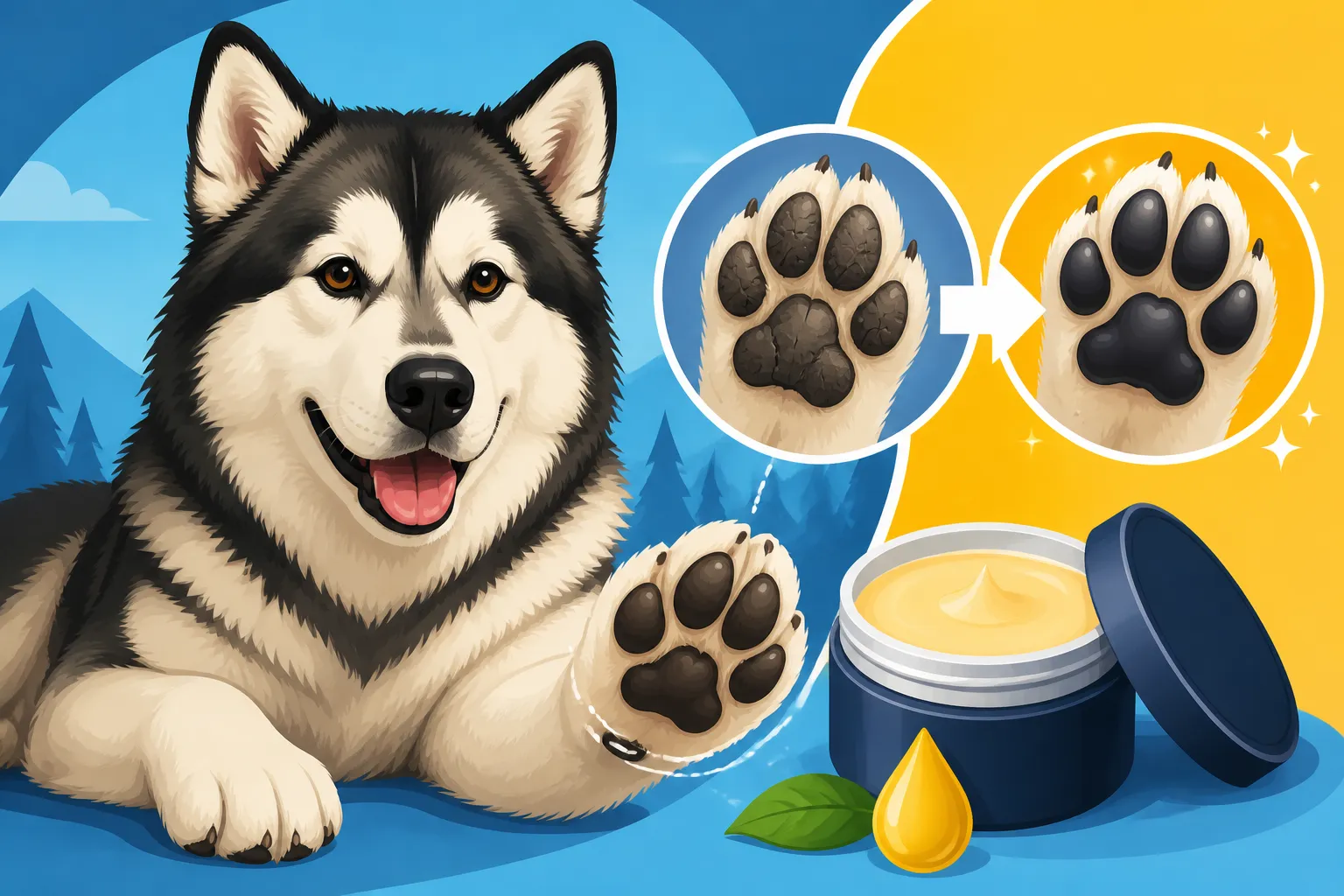
At its heart, a good paw balm is designed to moisturize, soothe, and protect. The key to its effectiveness lies in its ingredients, which are typically a blend of natural waxes and beneficial oils. You'll often find natural waxes like beeswax or carnauba wax, which are fantastic for creating a protective, breathable barrier on the pad surface. This barrier helps seal in moisture and shield against external irritants like salt, ice, or hot pavement. It's like a tiny, invisible bootie for their paws.
Beyond the waxes, the moisturizing power comes from a variety of oils and butters. Common ingredients include shea butter, known for its deep moisturizing and anti-inflammatory properties; coconut oil, which is a natural moisturizer and has some antimicrobial benefits; and vitamin E oil, an antioxidant that supports skin health and healing. Some formulations might also include soothing botanicals like calendula or chamomile to calm irritated skin. When choosing a paw balm, it's absolutely paramount to select one made with natural, non-toxic, and dog-safe ingredients. Our Malamutes are habitual lickers, and whatever goes on their paws will inevitably end up in their mouths. Reputable brands understand this, formulating their balms to be harmless if ingested. You can easily find a wide array of quality paw balms from trusted brands on platforms like Chewy or Amazon, offering everything from organic blends to those specifically formulated for extreme weather protection. It's worth doing a little research into the ingredient list to ensure you're getting a product that’s safe and effective for your beloved companion.
How Paw Balm Benefits Malamute Paws
So, how does this blend of waxes and oils actually help your Malamute? The primary benefit is intense moisturization. Just like our skin, dry paw pads lose their elasticity and become prone to cracking. Paw balm deeply penetrates the skin, restoring moisture and suppleness. This makes the pads more resilient and less likely to split, even under the stress of regular activity. It's not just about comfort; it’s about maintaining the integrity of their protective outer layer. Softer, healthier pads are better able to withstand the demands of their active lifestyle.
Beyond moisturizing, paw balm creates a crucial protective barrier. When your Malamute is walking on harsh surfaces – be it scorching summer asphalt, freezing winter ice, or chemically treated sidewalks – that thin layer of balm acts as a shield. It helps prevent direct contact between the irritants and the sensitive skin of their pads, reducing the risk of burns, chemical exposure, and chafing. This is particularly valuable for working or highly active Malamutes who spend a lot of time outdoors. Moreover, for pads that are already showing signs of irritation, paw balm can provide soothing relief. Many ingredients have anti-inflammatory properties that can calm redness and discomfort, reducing your Malamute’s urge to lick and chew, which can often turn a minor irritation into a secondary infection. By providing this protective and healing layer, paw balm contributes significantly to your Malamute's overall comfort and long-term paw health, keeping them ready for their next adventure. For Malamutes whose pads tend to thicken and get rough, a good balm can help restore elasticity, as discussed in Whether a Malamute's Paw Pads Thicken.
Applying Paw Balm: Tips for Malamute Owners
Using paw balm effectively requires a bit of technique and patience, especially with a Malamute who might not be thrilled about having their feet handled. But with a consistent approach and positive reinforcement, it can become a routine that benefits both you and your furry friend.
Best Practices for Application
Before you even think about applying paw balm, the first and most critical step is to ensure your Malamute's paws are clean and dry. After a walk, especially in dirty, muddy, or snowy conditions, use a damp cloth to wipe away any debris, dirt, or chemical residues like road salt. Then, thoroughly dry their paws. Applying balm to dirty or wet paws can trap moisture or irritants against the skin, potentially leading to bigger problems. Once clean, take a small, pea-sized amount of balm and gently massage it into each paw pad. Don’t forget the spaces between the pads, as these areas can also get dry and cracked. The key is a thin, even layer; you don’t want to leave a thick, greasy residue that will just pick up more dirt or make them slip.
Now, for the Malamute-specific challenge: getting them to cooperate! Many Malamutes are not naturally keen on having their paws handled. This is where distraction and positive reinforcement come in. Try applying the balm immediately after a long walk or play session when they are tired and more likely to settle down. A delicious, high-value treat can be a lifesaver. Give them a special chew toy or a lick mat covered in peanut butter (xylitol-free, of course!) while you work on their paws. Make it a calm, positive experience, even if it takes a few tries to get it right. Consistency is also important; aim for daily application, especially if your Malamute is very active or has existing paw issues. If you make it a regular, positive part of their routine, they'll be far more accepting, and you’ll see much better results.
When to Use Paw Balm and What to Look For
Paw balm isn't just for fixing existing problems; it's a powerful preventative tool, too. Think of it as proactive care for your Malamute's hardworking feet. For active dogs, or those living in areas with harsh weather, applying balm before heading out can create a protective barrier against extreme temperatures, rough terrain, or irritating substances like road salt. This is especially true during winter months where ice, snow, and de-icing chemicals are prevalent, but also in summer when hot pavement can be a real hazard. In colder climates, embracing winter means embracing paw protection, as we discuss in Winter Is When an Alaskan Malamute Comes Alive. Conversely, in warmer regions, avoiding daytime walks on scorching asphalt is crucial, a topic deeply explored in Summer Is the Season That Kills Alaskan Malamutes.
You should also use paw balm reactively, at the first sign of dryness, flaking, or minor cracks. Don't wait until the pads are severely damaged. Early intervention can prevent minor issues from escalating into painful conditions. After consistent application, you should start to see improvement: the pads will feel softer, look less red or irritated, and your Malamute might show less inclination to lick or chew at their feet. They might even move more comfortably. However, it's vital to know when to consult your veterinarian. If cracking is severe, bleeding, or shows any signs of infection (like swelling, pus, strong odor), or if your Malamute is consistently limping despite balm application, it's time for professional medical advice. Paw balm is a wonderful aid, but it's not a substitute for veterinary care for serious injuries or infections. Regular checks of their paw pads, as highlighted in Checking an Alaskan Malamute's Pads After Pulling, can help you determine the best course of action.
| Paw Condition | Primary Cause (Malamute Specific) | How Paw Balm Helps | When to Consider Vet Visit |
|---|---|---|---|
| Dry, Flaky Pads | Low humidity, exposure to harsh surfaces (pavement, snow), lack of moisture | Deeply moisturizes, restores suppleness, prevents further drying. | If persistent despite balm, or accompanied by severe itching. |
| Cracked Pads | Extreme dryness, friction, chemical irritants (road salt) | Soothes, moisturizes, forms a protective barrier to aid healing and prevent deeper cracks. | If cracks are deep, bleeding, swollen, or show signs of infection. |
| Rough/Calloused Pads | Constant abrasion from varied terrains, pulling activities | Softens and improves elasticity, making pads less brittle and prone to splitting. | If pads are unusually thick, painful, or causing lameness. |
| Minor Irritation/Redness | Mild chemical exposure, rough surfaces, light chafing | Soothes with natural ingredients, forms a barrier against further irritation. | If redness persists, worsens, or is accompanied by swelling/pus. |
| Protection from Elements | Hot pavement, ice, snow, road salt | Creates a physical barrier, minimizing direct contact and reducing damage. | N/A (Preventative use) |
Beyond Balm: Holistic Paw Care for Your Malamute
While paw balm is undoubtedly a fantastic tool in your Malamute paw care arsenal, it's essential to remember that it's just one piece of a larger puzzle. True paw health, just like overall health, is a holistic endeavor that involves good nutrition, smart environmental management, and consistent preventative measures.
Nutrition and Hydration for Healthy Paws
You might not immediately connect what's in your Malamute's bowl with the condition of their paw pads, but believe me, there's a strong link. A well-balanced diet rich in essential fatty acids, particularly omega-3s, plays a crucial role in maintaining healthy skin and a robust coat – and that includes their paw pads. Omega-3s help to reduce inflammation and promote skin elasticity, making the pads more supple and less prone to cracking. If your Malamute's diet is lacking in these vital nutrients, you might notice drier skin, a duller coat, and more brittle paw pads.
Many high-quality dog foods incorporate these beneficial fats, but for some Malamutes, additional supplementation might be necessary. Adding a fish oil supplement to their diet can make a noticeable difference in the overall health of their skin and pads. Brands that prioritize fresh, whole ingredients, like Ollie, often include these vital nutrients, but even with premium kibble, available through retailers like Chewy or Amazon, you might consider an extra boost. Beyond specific nutrients, adequate hydration is also non-negotiable. Dogs who don't drink enough water can experience generalized dryness, which absolutely extends to their skin and paw pads. Always ensure your Malamute has access to fresh, clean water, especially after exercise or in warm weather. Think of it this way: healthy paws start from the inside out. Providing good nutrition and plenty of water sets the foundation for strong, resilient pads that are less susceptible to environmental damage. We often delve into the benefits of supplements in articles like Whether an Alaskan Malamute Needs Fish Oil.
Environmental Management and Other Protective Measures
Beyond what goes into your Malamute, careful management of their environment and external protection are equally vital for paw health. As much as our Malamutes love the great outdoors, some conditions demand extra caution. Hot pavement is a silent menace in the summer, capable of causing severe burns within minutes. Always test the ground with the back of your hand; if it’s too hot for you to hold for five seconds, it’s too hot for your Malamute’s paws. Similarly, in winter, watch out for road salt and de-icers, which are not only irritating but can also be toxic if ingested. Opt for walking routes that avoid heavily treated sidewalks when possible.
Sometimes, despite all our best efforts, a little more protection is needed. Dog booties can be a lifesaver in extreme conditions – think icy trails, abrasive rocky terrain, or sidewalks heavily laden with salt. While some Malamutes take a while to get used to them, they can offer unparalleled protection against harsh elements and physical abrasions. Beyond reactive measures, establish a routine of regular paw checks. After every walk or adventure, take a moment to inspect their pads for cuts, scrapes, foreign objects (like burrs or tiny stones), or signs of irritation. This proactive approach allows you to catch minor issues before they become major problems. And don't forget nail trims! Overly long nails can splay the paw, leading to abnormal pressure on the pads and even discomfort or injury to the paw structure itself. Regular trimming, as discussed in How Often an Alaskan Malamute's Nails Need Cutting, is a fundamental aspect of holistic paw care. For our senior Malamutes, who might be less mobile or have thinning pads, these protective measures become even more critical, a topic we explore in Caring for an Old Alaskan Malamute.
Disclaimer
This article is for general informational purposes only and does not constitute professional advice. Laws, prices and regulations vary by location and change over time. Consult a qualified professional for guidance on your specific situation.