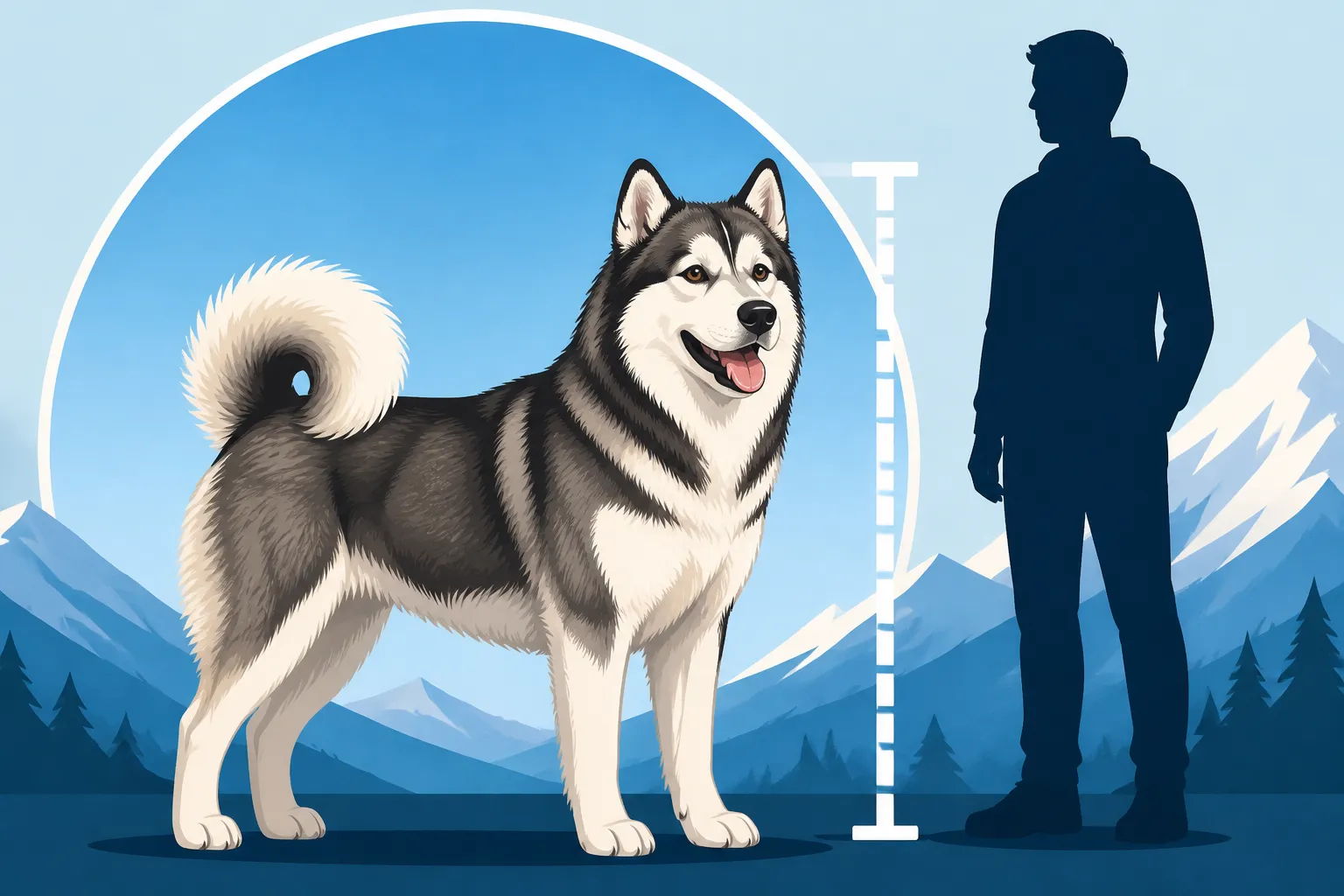
How Tall an Alaskan Malamute Stands
One of the most common questions new or prospective Malamute owners grapple with is, "Just how big do these majestic dogs get?" It's not just about fitting them in your car or home; understanding their standard height is crucial for appreciating their heritage as powerful freighting dogs and ensuring you're bringing home a healthy, well-bred animal. This comprehensive guide will walk you through the official breed standards, explore the nuances of individual variation, and tackle some of the misleading claims about "giant" or "miniature" Malamutes, helping you understand what to truly expect.
The Official Alaskan Malamute Breed Standard for Height
When we talk about an Alaskan Malamute's height, we're not just guessing or going by what we've seen on social media. The breed has a very specific standard, established by kennel clubs like the American Kennel Club (AKC), which outlines the ideal characteristics, including size. This standard isn't just arbitrary; it's a blueprint designed to preserve the Malamute's functional integrity as a powerful, heavy-duty sled dog.
The AKC Ideal for Males and Females
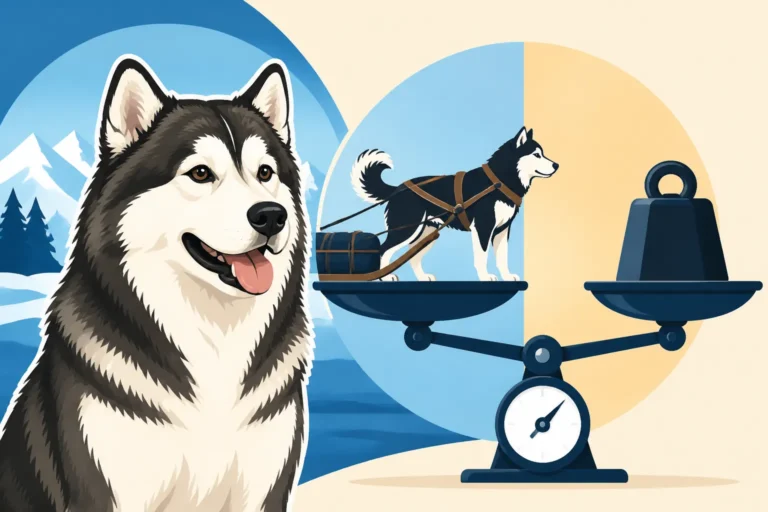
For Alaskan Malamutes, the AKC standard specifies an ideal height and weight for dogs mature enough for freighting. This isn't a hard-and-fast rule that every single Malamute must fit perfectly, but rather a guide for breeders and judges to ensure the breed maintains its distinctive characteristics and working ability. For males, the ideal height at the shoulder (withers) is typically around 25 inches, with a corresponding weight of about 85 pounds. Females are slightly smaller, with an ideal height of 23 inches and a weight of 75 pounds. These are the "freighting sizes" – designed for endurance and pulling power, not speed. It’s a common misconception that heavier is always better, but actually, an overly large or heavy Malamute might struggle with the efficient, enduring work they were bred for.
It's important to remember that these are ideals, and slight variations are normal. A Malamute isn't "faulted" for being an inch or two off these numbers, especially if their overall balance, structure, and movement are correct. The emphasis is on proportionality and soundness, ensuring they can perform their historical job. The standard aims for a balance where power, stamina, and agility can all come together. They need sturdy bones and powerful muscles to pull heavy loads over long distances, which is why their build is so stocky and substantial. If you're looking into adding one of these magnificent dogs to your family, understanding What an Alaskan Malamute Actually Weighs is just as important as knowing their height.
Ideal Build and Proportions for Freighting
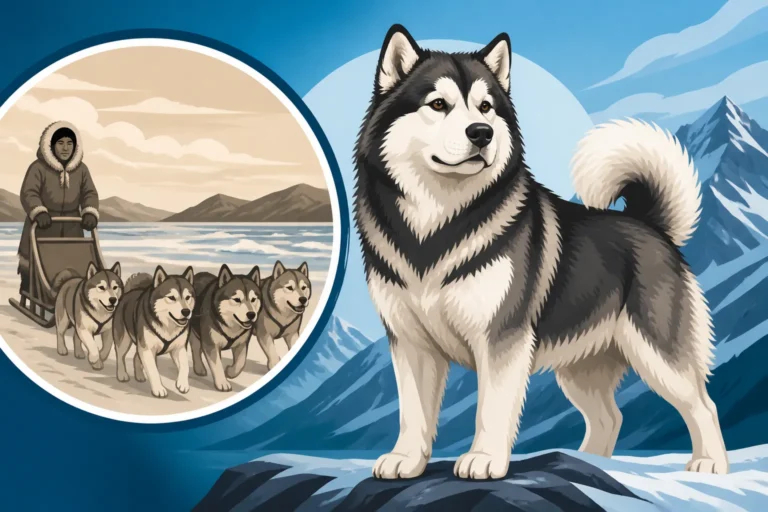
The Alaskan Malamute's build is fundamentally tied to its original purpose: freighting. This means they were bred to pull heavy loads over long distances in harsh Arctic conditions. Their height, therefore, is part of a larger picture of their overall conformation, which prioritizes strength, endurance, and efficiency of movement. Imagine a team of these dogs working tirelessly across a frozen landscape – every aspect of their anatomy, from their powerful shoulders to their deep chests, contributes to their ability to perform this demanding task.
A well-proportioned Malamute should have a strong, compact body, not overly long or leggy. Their legs should be well-boned and muscular, capable of supporting their robust frame and handling the stresses of pulling. Their chest should be deep and wide, providing ample room for lung capacity and heart function, which are vital for stamina. The back should be level and strong, contributing to the power transfer when pulling. It's a structure built for sustained effort rather than bursts of speed. A Malamute isn't meant to be slender and speedy like a Greyhound; they're the heavy-duty trucks of the dog world. This explains why they tend to move with a powerful, rhythmic gait, designed to conserve energy while covering ground efficiently. These proportions are a testament to their heritage and why they are so different from other sled dog breeds.
Understanding Natural Variations in Malamute Height
While the breed standard provides a clear ideal, it's rare to find two Malamutes that are exactly the same height and weight. Just like people, individual dogs will have natural variations, even within the same litter. These differences can stem from a variety of factors, including their specific genetic lines, their gender, and even their individual developmental journey. Recognizing these natural variations helps set realistic expectations and prevents undue concern over minor deviations from the ideal.
Genetic Line Differences Kotzebue vs. M'Loot
For many years, the Alaskan Malamute breed was primarily influenced by two distinct lines: the Kotzebue and the M'Loot. While these lines have largely been integrated over time, their historical characteristics still subtly influence the breed's appearance, including height. The Kotzebue line, championed by Eva Seeley, tended to produce dogs that were generally smaller, more compact, and consistent in type, often closer to the lower end of the official standard height. They were known for their stamina and endurance.
On the other hand, the M'Loot line, associated with Paul Voelker, often produced Malamutes that were larger and sometimes more variable in appearance, occasionally exceeding the ideal standard in height and weight. These dogs were known for their impressive size and power. Today, most Alaskan Malamutes are a blend of these two foundational lines, but you might still notice some breeders or lines that lean towards the characteristics of one over the other. This can manifest as slightly taller or shorter individuals, though always within the acceptable range of the overall breed standard. Understanding The Kotzebue and M'Loot Lines Behind Every Modern Malamute can really help paint a clearer picture of their lineage.
Individual Dog Variation
Even among siblings from the same litter, you’ll see individual differences in height and overall size. Just like human families, some puppies are naturally a little bigger or smaller than their littermates. This is entirely normal and part of the beautiful genetic diversity within a breed. These variations are often quite subtle, perhaps an inch or two difference in height at maturity, but they can be noticeable when comparing dogs side-by-side.
Factors like birth order, nutrient absorption in the womb, and early developmental nuances can all play a role. Some puppies might hit growth spurts earlier, while others might take a bit longer to fill out. A responsible breeder understands these natural variations and will be able to discuss them with you. They'll also be focused on ensuring all puppies are healthy and thriving, regardless of minor size differences. What matters most is that the dog is well-proportioned, healthy, and exhibits the characteristic Malamute temperament and structure. It's a gentle reminder that while standards exist, each dog is a unique individual.
Gender Differences in Size
One of the most consistent variations in Alaskan Malamute height is the difference between males and females. Generally, male Malamutes are larger and heavier than females, a trait common across many dog breeds, particularly those with a working heritage where size and strength were advantageous. As noted in the AKC standard, males typically aim for an ideal height of 25 inches at the shoulder and 85 pounds, while females are ideally 23 inches and 75 pounds.
This size disparity isn't just about a few pounds or inches; it often contributes to subtle differences in their overall build and presence. Males tend to have a more robust, masculine head and bone structure, appearing more massive and powerful. Females, while still substantial and strong, often have a slightly more refined and feminine appearance. This natural dimorphism is part of the breed's appeal. When considering a Malamute, it's worth thinking about whether you prefer the larger stature of a male or the slightly more moderate size of a female. For a deeper dive into this, you might find Whether a Female Malamute Is Much Smaller an interesting read, as it addresses this very point directly.
The "Giant" Malamute Myth and Reality
It's a common phenomenon in the dog world: take an already impressive breed, make it bigger, and call it "giant." While there are some truly massive Alaskan Malamutes out there, the term "Giant Malamute" often implies a separate, recognized variety, which it is not. These oversized dogs often fall outside the healthy and functional parameters of the breed standard, bringing with them a host of potential issues that prospective owners really need to understand before getting swept up in the allure of immense size.
What is an "Oversized" Malamute?
An "oversized" Malamute is simply an Alaskan Malamute that significantly exceeds the breed standard's ideal height and weight for its gender. While the standard sets ideals of 25 inches/85 pounds for males and 23 inches/75 pounds for females, you might encounter dogs marketed as "giants" that are, for example, 28-30 inches tall and pushing 120-150 pounds or more. These individuals are not a recognized variety or a distinct type of Malamute. They are simply larger than what is considered ideal and healthy for the breed.
These dogs often come from breeders who specifically select for increased size, sometimes at the expense of proper structure, health, and temperament. While their sheer mass can be impressive to look at, it’s crucial to understand that "bigger" does not equal "better" or "more authentic" when it comes to the Alaskan Malamute. In fact, excessive size can be detrimental to the dog's long-term well-being and its ability to perform the work it was originally bred for. The standard exists for a reason: to maintain the breed's functionality and soundness. For those curious, Whether a Giant Alaskan Malamute Is a Real Type delves deeper into this discussion.
Health Implications of Excessive Size
The allure of a "giant" dog can be strong, but the health implications of excessive size in any large breed, including Alaskan Malamutes, are significant and often severe. When a dog grows beyond its optimal structural design, its skeletal system, joints, and internal organs can be placed under immense strain. Imagine carrying an extra 30-50 pounds on your frame every single day – it takes a toll.
Oversized Malamutes are at a much higher risk for a range of musculoskeletal problems, including hip and elbow dysplasia, arthritis, and other joint-related issues. Their growth plates are under greater stress, and their bones and ligaments may not be able to adequately support their increased mass, leading to breakdown and pain earlier in life. Beyond orthopedic issues, larger dogs tend to have a shorter lifespan overall, and oversized individuals may also experience increased strain on their cardiovascular system, leading to heart problems. Bloat, a life-threatening gastric condition, is also a concern for large, deep-chested breeds, and rapid, excessive growth might exacerbate this risk. It's a sad reality that chasing extreme size often comes at the cost of the dog's comfort and longevity.
Why Some Breeders Market "Giants"
So, why do some breeders deliberately produce and market "giant" Malamutes, despite the associated health risks and deviation from the breed standard? The simple answer, unfortunately, is often demand and profit. There's a segment of the public that is drawn to the impressive, larger-than-life appearance of an oversized dog. They see a "giant" Malamute as more unique, more powerful, or simply more imposing, without fully understanding the underlying issues.
These breeders capitalize on this demand, often using terms like "rare" or "exclusive" to justify higher prices. They might downplay or outright ignore the health consequences, focusing solely on the dog's size. It's a classic case of prioritizing aesthetics over health and breed integrity. Reputable breeders, on the other hand, focus on breeding healthy dogs that conform to the standard, understanding that the standard represents the ideal functional dog. They screen their breeding stock for genetic diseases and temperamental soundness, not just for impressive size. Always exercise caution when a breeder emphasizes a dog's "giant" status, as it's often a red flag regarding their breeding practices. To ensure you're making an informed choice, always investigate The Health Tests Both Alaskan Malamute Parents Should Have.
The "Miniature" Malamute Myth and Reality
On the flip side of the "giant" phenomenon, we also see claims of "miniature" Alaskan Malamutes. This is another area where misinformation and sometimes unethical breeding practices can mislead unsuspecting buyers. Just like their "giant" counterparts, there is no recognized miniature version of the Alaskan Malamute. Any dog marketed as such is either a mixed breed, a result of dwarfism, or an extremely undersized individual potentially bred unethically.
Understanding "Miniature" Claims
When you see a dog advertised as a "miniature Alaskan Malamute," it's crucial to approach such claims with extreme skepticism. There is no official or recognized "miniature" variety of the Alaskan Malamute breed. The AKC and other reputable kennel clubs do not acknowledge such a designation. So, what could these "miniature" claims actually mean?
Often, these dogs are either mixed breeds, frequently a Malamute cross with a smaller Spitz-type dog like a Pomeranian or a miniature Husky. Sometimes, they might be purebred Malamutes that are significantly undersized due to poor breeding practices, malnutrition, or health issues during development. In some unfortunate cases, the "miniature" aspect is due to a form of dwarfism, which can come with its own set of serious health challenges, distinct from the breed's inherited chondrodysplasia. It's vital not to confuse an intentionally bred smaller dog with the legitimate dwarfism seen in the breed. If you’re ever told about a "miniature" Malamute, you should be asking probing questions about its lineage and health. Understanding Whether a Miniature Alaskan Malamute Is a Real Thing is critical for any prospective owner.
The Dangers of Intentional Undersizing
Intentional undersizing, much like intentional oversizing, comes with significant dangers and ethical concerns. Breeders who aim to produce "miniature" versions of a breed often do so through questionable practices, such as breeding the runts of litters, breeding dogs with various forms of dwarfism, or frequently crossing with other smaller breeds. These methods can introduce a multitude of health problems and genetic weaknesses into the puppies.
Dogs bred for extreme smallness can suffer from fragile bones, dental issues due to overcrowded mouths, and difficulties regulating their body temperature. They may also be more prone to conditions like patellar luxation (slipping kneecaps), tracheal collapse, and heart problems. Furthermore, the temperament of these dogs can sometimes be compromised; fear and anxiety can be heightened in abnormally small individuals, leading to behavioral issues. It's a cruel gamble with a dog's well-being for the sake of a perceived "cuteness" or novelty. Always prioritize health and ethical breeding over size trends.
Whether Malamute Dwarfism Has a DNA Test
It's important to distinguish between "miniature" dogs (often the result of irresponsible breeding or cross-breeding) and actual dwarfism, which is a specific genetic condition. Alaskan Malamutes are indeed susceptible to a hereditary condition known as chondrodysplasia, which results in disproportionate dwarfism. This condition is characterized by shorter, often bowed limbs, and sometimes other health complications like anemia.
The good news is that reputable science has given us the tools to manage this. There is a DNA test available for chondrodysplasia in Alaskan Malamutes. This test can identify dogs that are clear, carriers, or affected by the condition. This means ethical breeders can test their breeding stock and make informed decisions to avoid producing affected puppies. If a puppy looks unusually small or has noticeably short, bowed legs, especially around the 6-8 week mark, it’s not a "miniature," it’s likely affected by chondrodysplasia. This genetic condition is far from a trendy "miniature" version of the breed; it's a serious health issue that responsible breeding practices are actively working to eliminate. For more information, including how this condition presents, you might want to read Whether a Dwarf Malamute Puppy Looks Normal at Birth and The Week a Dwarf Malamute's Legs Fall Behind.
Factors Influencing an Alaskan Malamute's Growth
A Malamute's journey from a tiny puppy to a majestic adult is fascinating, and several factors play a crucial role in how they develop their impressive stature. Genetics lay the foundation, but environmental elements like nutrition and exercise are equally critical in ensuring a puppy grows into a healthy, well-structured adult within the breed's expected height range. Getting these factors right, especially during those rapid growth phases, is vital for long-term health and soundness.
Nutrition and Diet for Healthy Growth
Proper nutrition is arguably one of the most critical factors influencing a Malamute's healthy growth and ultimately, their adult height and weight. Unlike some breeds where rapid growth is less problematic, Malamutes, as large and heavy-boned dogs, need to grow at a controlled pace. Rapid growth, often fueled by overly high-calorie or imbalanced diets, can put excessive stress on developing bones and joints, leading to orthopedic issues like hip and elbow dysplasia, even if the dog is genetically clear of these conditions.
Puppy foods specifically formulated for large breeds are often recommended because they typically have a balanced calcium-to-phosphorus ratio and controlled calorie levels designed to support slow, steady growth. Overfeeding is just as detrimental as underfeeding. It's about providing high-quality, nutrient-dense food in appropriate portions. Brands like Chewy offer a wide selection of large-breed puppy formulas, and their detailed nutritional information can help you choose the right one for your growing Malamute. Regularly monitoring your puppy's weight and body condition is essential, and always consult with your veterinarian for tailored dietary advice. The goal is steady, robust development, not super-sized puppies. To understand more about this, explore Why a Malamute Puppy Should Grow Slowly.
Exercise and Activity During Development
Just as nutrition is key, the right amount and type of exercise during a Malamute's developmental stages profoundly impact their skeletal health and eventual height. While these are energetic dogs, over-exercising a growing puppy can be just as harmful as too little exercise. Their bones, joints, and ligaments are still developing and are vulnerable to injury from excessive impact or strenuous activity.
Puppies should have plenty of opportunities for free-play on soft surfaces, like grass, where they can run, tumble, and explore at their own pace. Forced, repetitive activities such as long runs on pavement, jumping from heights, or prolonged pulling on a harness should be strictly limited, or even avoided, until their growth plates have closed. This typically occurs between 18-24 months of age, depending on the individual dog. During this period, structured exercise should focus on short, controlled walks and mental stimulation. Too much high-impact activity can lead to joint problems later in life, regardless of the dog's genetic predisposition. A balanced approach ensures their body can mature robustly without undue stress, allowing them to reach their genetic potential for height and strength safely.
Genetics and Parental Influence
Ultimately, the blueprint for an Alaskan Malamute's adult height is encoded in their genes, inherited directly from their parents. This is why a reputable breeder will be able to tell you about the size of the puppy's parents, grandparents, and often other relatives in the pedigree. Dogs from lines known for producing individuals at the larger end of the standard are more likely to produce similarly sized offspring, and vice versa.
However, genetics aren't simply a matter of averages. There can be a range of heights even within a single litter, due to the complex interplay of genes. Environmental factors like nutrition and exercise during growth can also influence how a dog expresses its genetic potential. A puppy with the genetic potential to be a 25-inch male might fall short if it experiences severe malnutrition or chronic health issues during its growth phase. Conversely, an oversized dog might be the result of a genetic predisposition combined with accelerated growth from overfeeding. This is why looking at the size and conformation of the parent dogs is often the best indicator of what to expect from a puppy, as it gives you insight into the genetic potential passed down.
Practical Advice for Measuring Your Malamute
You've learned about the ideal heights and the factors that influence them, but how do you actually measure your own Alaskan Malamute accurately? It's not always as straightforward as it sounds, especially with a wiggly puppy or a large, fluffy adult. Having a clear method and understanding when to measure can give you a better idea of where your dog stands in relation to the breed standard.
Tools and Technique for Accurate Measurement
Measuring your Malamute's height requires a few simple tools and a consistent technique. The goal is to measure from the ground to the highest point of their shoulders, known as the withers. This is the ridge between the shoulder blades, typically the highest point on the dog's back when they are standing squarely.
Here's how to do it:
- Equipment: You'll need a measuring stick, a carpenter's square, or a level that can extend high enough. A sturdy, flat surface for your dog to stand on is essential.
- Positioning: Have your Malamute stand on all fours, as squarely as possible, with their head in a natural position – not looking up or down excessively. This might require an extra pair of hands or a delicious treat to keep them still!
- Measurement: Place the measuring stick or a ruler vertically directly behind your dog's elbow, going up towards their back. Place the carpenter's square or a level horizontally across the top of their withers, ensuring it's truly level and not angled. The point where the horizontal edge intersects the vertical stick will give you their height. Repeat a few times to ensure accuracy.
- Consistency: Always measure on the same surface and try to use the same method each time for comparative tracking, especially during puppyhood.
Remember, patience is key! Your Malamute might find this a strange game at first, but with positive reinforcement, they’ll get the hang of it. You can even use a favorite treat from Chewy as a reward for their cooperation!
When to Measure for Final Height
While it's fun to track your Malamute puppy's growth, their "final" adult height isn't reached until they've fully matured. For a large breed like the Alaskan Malamute, this takes longer than it does for smaller dogs. Typically, Malamutes will reach their full height somewhere between 12 to 18 months of age. However, they will continue to fill out and gain muscle mass until they are about two to three years old.
So, if you're looking for their definitive height measurement to compare against the breed standard, it's best to wait until they are at least 18 months old. Measuring them earlier will only give you an approximation of their current growth stage. Regular vet check-ups can also provide insights, as veterinarians often track growth and can tell you if your dog is on a healthy trajectory. Don't be concerned if your Malamute looks a bit "leggy" or disproportionate as a teenager; they're still growing into their frame. For more details on their developmental timeline, take a look at The Age an Alaskan Malamute Stops Growing.
Understanding Growth Charts
Growth charts are a helpful visual tool for owners, especially for large breeds, to track their puppy's development against typical growth curves. While not every Malamute will follow the exact average line, these charts can provide a general idea of whether your puppy is growing at a healthy rate. Your veterinarian might use or provide access to breed-specific growth charts, or you can find general large-breed puppy growth charts online.
These charts typically plot age against weight, and sometimes height. By regularly recording your puppy's measurements, you can see if they are falling within the expected range for their age. A sudden spike or drop off the growth curve could indicate an issue, such as overfeeding, underfeeding, or a health problem, and warrants a discussion with your vet. However, it's crucial not to become overly fixated on precise numbers. Each dog is an individual. The main purpose of a growth chart is to ensure healthy, steady development, rather than aiming for a specific number. Remember, slow and steady wins the race when it comes to a Malamute's healthy growth.
Comparing Malamute Height to Other Breeds
When you’re looking at an Alaskan Malamute, their impressive size is often one of the first things people notice. But how does that stack up against other popular breeds, especially those often confused with them? Understanding these comparisons can help you appreciate the Malamute's unique build and purpose, and certainly clear up some common misunderstandings.
Alaskan Malamute vs. Siberian Husky
This is perhaps the most common comparison, and for good reason – both are stunning northern breeds with similar looks. However, when it comes to height and overall build, there are distinct differences. The Alaskan Malamute is, without a doubt, the larger and more heavily built of the two. As we've discussed, the ideal Malamute male stands around 25 inches at the shoulder and weighs 85 pounds, with females slightly smaller.
The Siberian Husky, in contrast, is a medium-sized dog bred for speed and endurance rather than brute strength. Male Siberian Huskies typically stand between 21 to 23.5 inches at the shoulder and weigh 45 to 60 pounds. Females are even smaller, usually 20 to 22 inches and 35 to 50 pounds. You can clearly see the difference: a Malamute is significantly taller, heavier, and has a more substantial bone structure. They are the freight haulers, while Huskies are the speedy racers. This difference in build is directly related to their historical jobs. If you want to dive deeper into this comparison, check out The Alaskan Malamute Against the Siberian Husky.
| Characteristic | Alaskan Malamute (Ideal) | Siberian Husky (Ideal) |
|---|---|---|
| Male Height | 25 inches (63.5 cm) at shoulder | 21-23.5 inches (53-60 cm) at shoulder |
| Male Weight | 85 lbs (38.6 kg) | 45-60 lbs (20.4-27.2 kg) |
| Female Height | 23 inches (58.4 cm) at shoulder | 20-22 inches (50.8-55.9 cm) at shoulder |
| Female Weight | 75 lbs (34 kg) | 35-50 lbs (15.9-22.7 kg) |
| Build | Heavy bone, powerful, substantial | Medium bone, agile, athletic |
| Purpose | Heavy freighting, endurance | Light freighting, speed, endurance |
Alaskan Malamute vs. Samoyed
Another beautiful northern breed, the Samoyed, often gets grouped in conversations with Malamutes and Huskies, but again, their size and build distinguish them. The Samoyed, known for its "smiling" face and beautiful white coat, is generally smaller and lighter than an Alaskan Malamute.
Male Samoyeds typically stand between 21 to 23.5 inches at the shoulder, similar to a Siberian Husky, but they tend to be a bit more robust in build, usually weighing between 45 to 65 pounds. Females are 19 to 21 inches tall and weigh 35 to 50 pounds. While they share a working dog heritage and can pull sleds, their frame is not built for the heavy freighting demands of the Malamute. They are more graceful and agile, designed for herding reindeer and lighter sled work. So, while a Samoyed can seem substantial, especially with all that fur, they generally won't reach the sheer height or massive bone structure of a true Alaskan Malamute.
Alaskan Malamute vs. Other Large Working Breeds
When you compare the Alaskan Malamute to other large working breeds, their specialized build truly stands out. Take, for example, a German Shepherd Dog, which often reaches similar heights (males 24-26 inches), but is typically leaner and more agile, built for speed and agility in police or military work. A Malamute's heavier bone structure and broader frame are immediately noticeable in comparison.
Another interesting comparison might be with a Bernese Mountain Dog, which can be taller (males 25-27.5 inches) and heavier (80-115 pounds). While also a powerful freighting breed from mountainous regions, the Bernese has a different gait and coat, adapted to its specific environment and tasks. The Malamute's compact, powerful build, specifically designed for pulling heavy loads over long distances in Arctic conditions, is quite distinct. They might not be the tallest dog breed out there, but their combination of height, weight, and substantial bone makes them one of the most powerful and enduring. Their unique adaptations are a testament to their deep roots in the Arctic and their original purpose.
Disclaimer
This article is for general informational purposes only and does not constitute professional advice. Laws, prices and regulations vary by location and change over time. Consult a qualified professional for guidance on your specific situation.