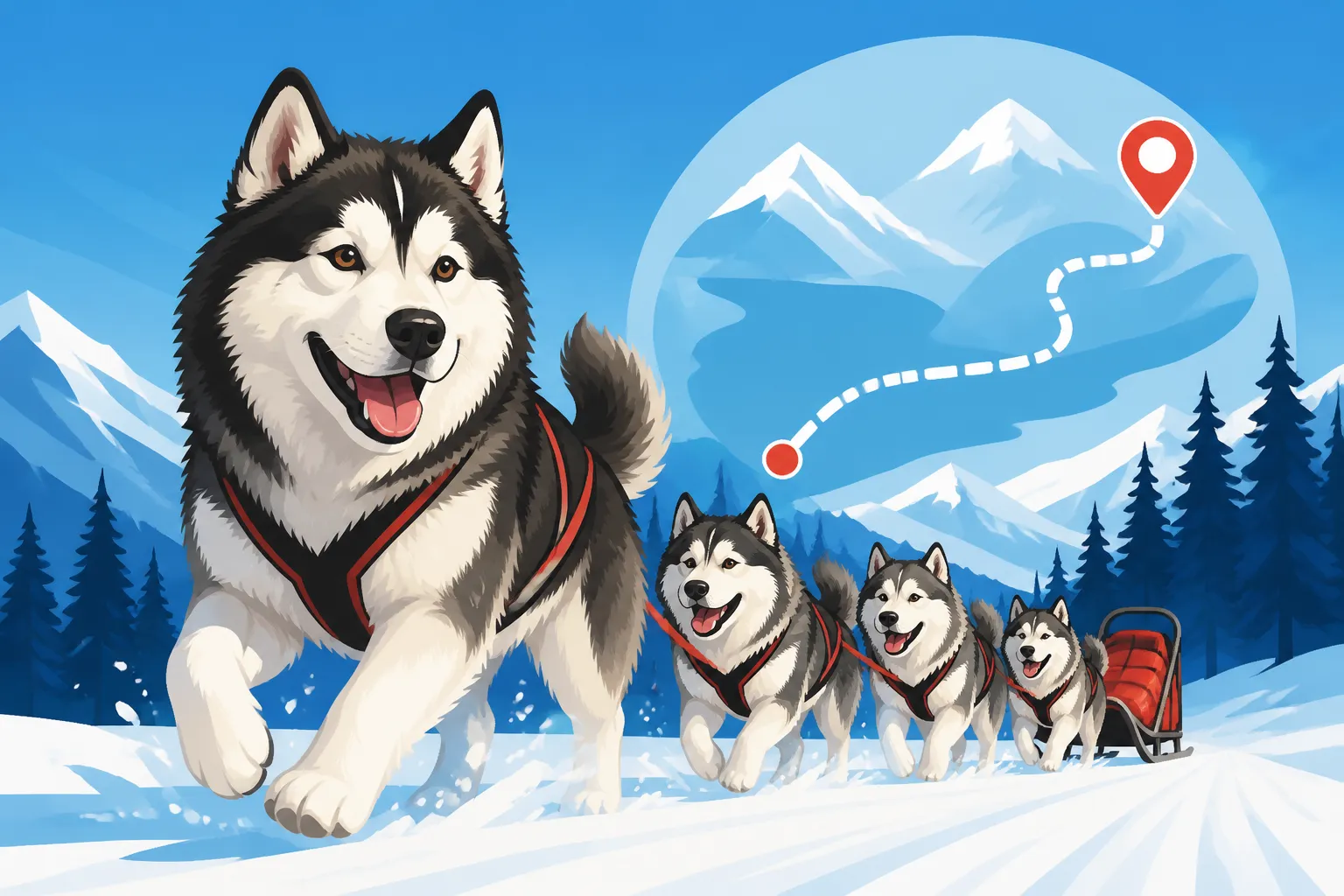
How Far a Malamute Freight Team Traveled in a Day
It's natural to wonder about the incredible feats of endurance and strength these magnificent dogs achieved, especially if you've ever watched your own Alaskan Malamute settle in for a long, leisurely nap after a short walk. You might think, "How could these powerful creatures, so prone to resting, have been the backbone of Arctic transportation?" The truth is, the Alaskan Malamute was bred for a very specific, grueling job that prioritized consistency and immense pulling power over sheer speed, and understanding their historical daily travel distances helps us truly appreciate their unique legacy. This guide will delve into the historical role of Malamute freight teams and the many factors that influenced how far they could travel in a day.
Understanding the Malamute's Historical Role in Freight
Before we even begin to talk about miles, it's crucial to understand the fundamental purpose for which the Alaskan Malamute was developed. These weren't dogs bred for racing across short distances; they were the semi-trucks of the Arctic, built for heavy hauling over vast, challenging terrains. Their entire physiology, from their dense double coat to their powerful, deep chest, screams "endurance" and "strength."
The Mahlemut and Their Dogs
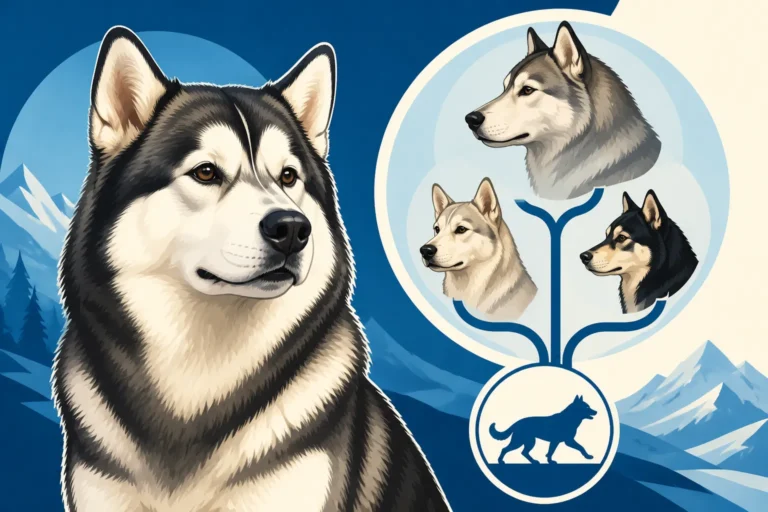
The story of the Alaskan Malamute begins with the Mahlemut people of the Kotzebue Sound region in northwestern Alaska. For centuries, these indigenous communities relied on their dogs for survival in one of the harshest environments on Earth. These dogs were integral to their way of life, not just as companions, but as essential working animals. Their primary function was to transport heavy loads—hunted game, fishing gear, firewood, and family possessions—across the frozen tundra. Imagine navigating vast, unforgiving landscapes, where every ounce of sustenance and every piece of equipment needed to be moved by brute force and unwavering determination. That was the daily reality for these dogs and their people. The Mahlemut of Kotzebue Sound Bred the Alaskan Malamute offers more insight into this fascinating history.
Freight vs. Speed: A Core Distinction
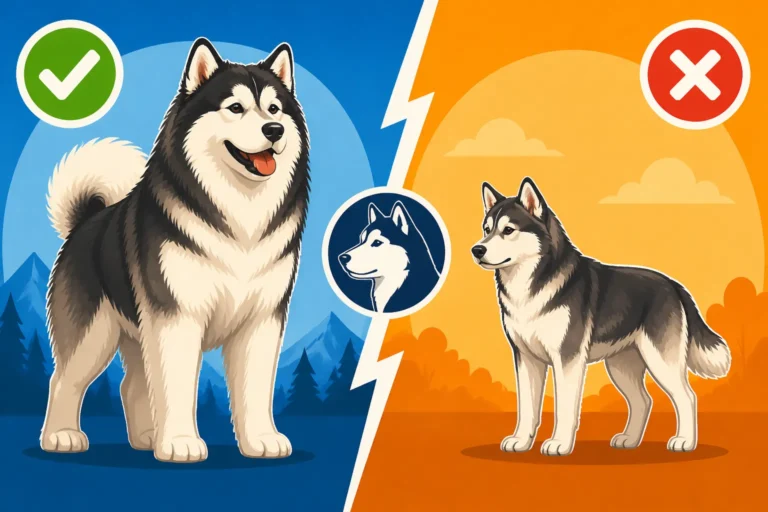
When many people think of sled dogs, their minds often jump to the image of the lean, fast Siberian Husky racing across snow. And while Huskies are incredible athletes in their own right, the Malamute's design ethos was entirely different. The Mahlemut didn't need speed for short bursts; they needed consistent, reliable power to move substantial weight day after day, week after week. This distinction is paramount when considering how far a Malamute freight team could travel. A Malamute team wasn't designed to win a sprint race; it was designed to ensure the survival and prosperity of a community by steadily moving necessary goods, often in extreme conditions. This foundational difference is key to appreciating their capabilities and understanding why their daily mileage might look different from a racing team's. You can learn more about this crucial difference in Freight, Not Speed: What Separates a Malamute From a Racing Dog.
Factors Influencing a Freight Team's Daily Distance
You might think there's a simple, single answer to "how far did they travel?" but the reality is far more complex. The distance an Alaskan Malamute freight team could cover in a single day was influenced by a multitude of interconnected factors, much like how a modern delivery truck's route depends on road conditions, cargo, and driver breaks.
Terrain and Trail Conditions
Picture this: you're trying to haul hundreds of pounds across a landscape that is constantly shifting. Deep, fresh powder snow might slow a team to a crawl, requiring immense effort to break trail. Packed ice, while offering good glide, could be treacherous. Glare ice meant a constant risk of slips and falls, especially with heavy loads. Then there were the variations in elevation—long, steady climbs up frozen riverbeds or arduous passages through mountain ranges. A smooth, well-trodden trail, perhaps on a frozen lake or river, allowed for more efficient travel than breaking a new path through untouched wilderness or navigating rough, sastrugi-covered terrain. Even modest changes in elevation or a sudden drift of snow could significantly reduce the day's potential mileage.
Load Weight and Team Size
This is where the Malamute truly shone. They were bred to haul heavy loads, far more than their body weight, over extended periods. But naturally, the heavier the load, the slower and shorter the travel distance would be. A team might consist of four dogs for lighter loads or shorter trips, but for truly massive hauls, the Mahlemut might hitch up teams of six, eight, or even more Malamutes. Each dog added power, but also required more food and management. How Much Weight a Malamute Freight Team Hauled details their incredible capacity. The optimal balance between team size and load weight was a constant calculation for the mushers, aiming for efficiency without overworking the dogs. Think of it like a semi-truck; a fully loaded truck isn't going to zip along as fast as an empty one.
Weather and Temperature Extremes
The Arctic is notoriously unforgiving. A crisp, cold, clear day with minimal wind could be ideal for travel, as the dogs wouldn't overheat, and the snow conditions might be firm. However, sudden blizzards, white-out conditions, or temperatures plummeting to -50°F (-45°C) would drastically impact travel. In such extreme weather, simply finding and maintaining the trail became a monumental task, let alone making significant headway. The goal often shifted from covering distance to finding shelter and ensuring the survival of the team. Conversely, while Malamutes thrive in cold, periods of unseasonably warm weather could also slow them down due to the risk of overheating and soft snow conditions. Winter Is When an Alaskan Malamute Comes Alive really highlights how they prefer the cold.
Driver Skill and Experience
Last but certainly not least, the person driving the team—the musher—played an invaluable role. An experienced musher knew the terrain, understood their dogs' limits, and could read the weather. They could expertly choose the best routes, make wise decisions about when to rest, and motivate their team without overworking them. Knowing how to pack a sled to distribute weight evenly, how to maintain the equipment, and how to communicate effectively with each dog was crucial. A skilled musher could coax more distance and efficiency out of their team than an inexperienced one. This human element was the glue that held the entire operation together, ensuring the team's health and successful completion of the journey.
Typical Daily Distances for Alaskan Malamute Freight Teams
So, with all those variables in mind, what kind of mileage could these incredible teams truly achieve? It’s less about a precise number and more about understanding their consistent, powerful output.
Average Daily Performance
Historically, Alaskan Malamute freight teams typically covered anywhere from 15 to 25 miles (24 to 40 kilometers) in a day. On exceptional days with perfect conditions, light loads, and an eager team on a well-established trail, they might push closer to 30 miles (48 kilometers). However, these longer distances were often balanced by shorter days when weather was poor, trails were difficult, or exceptionally heavy loads necessitated more frequent rest. This average daily distance might seem modest compared to what a modern vehicle can cover, but consider the context: no roads, no GPS, no climate control, just raw dog power and human grit against the vastness of the Arctic. It was a sustained, demanding effort, day in and day out, not a quick dash.
Sustained Travel vs. Short Hauls
It's important to distinguish between short, local hauls—perhaps bringing game back to camp or moving supplies between seasonal settlements—and longer expeditions. For a short, heavily loaded trip, a team might only cover 10-15 miles in a day. However, on long-distance treks, where a consistent pace was more critical than pushing for maximum daily mileage, the team would settle into that steady 15-25 mile rhythm. The Mahlemut people were masters of efficiency, knowing when to conserve their dogs' energy and when to push forward. For them, it was about reliably reaching a destination, often over days or weeks, rather than setting daily speed records. What the Mahlemut Used Their Malamutes For paints a clearer picture of their varied tasks.
Here's a quick overview of how different factors might sway daily travel:
| Factor | Ideal Conditions | Challenging Conditions | Typical Daily Range (Miles) |
|---|---|---|---|
| Terrain/Trail | Hard-packed snow, flat, well-defined trail | Deep powder, icy patches, rugged, untracked | 20-30 |
| Load Weight | Light to moderate load | Very heavy load (e.g., Whether a Malamute Team Hauled a Thousand Pounds) | 15-25 |
| Team Size | Optimal number of dogs for load (e.g., 6-8) | Too few dogs for a heavy load, or too many for terrain | 15-25 |
| Weather | Cold, clear, minimal wind | Blizzard, white-out, extreme cold, unseasonable warmth | 10-20 |
| Musher Skill | Experienced, knowledgeable, good dog handler | Inexperienced, poor trail judgment, overworks dogs | 15-25 (but more consistently) |
Famous Expeditions and Their Numbers
While the Alaskan Malamute wasn't typically chosen for the record-breaking speed of racing events, they were absolutely critical in many of the most famous Arctic and Antarctic expeditions. Explorers like Byrd and Amundsen relied on these powerful, resilient dogs to haul tons of supplies across frozen continents. Their success wasn't measured in how fast they got there, but that they got there, and the Malamutes were instrumental. The distances covered on these expeditions would vary wildly, often being significantly less on days spent battling blizzards or breaking through treacherous ice fields, and then perhaps slightly more on clearer stretches. The key was the sheer perseverance and strength of the Malamute, enabling these journeys to be completed even when conditions were at their absolute worst.
The Endurance, Not the Sprint: Malamute Legacy Today
Even though dog sledding has evolved, and the specific needs of Arctic survival have changed for most communities, the Malamute's incredible legacy of strength, endurance, and powerful pulling continues to define the breed.
Modern Interpretations of Freight Work
Today, few people rely on Malamutes to haul their entire household across the tundra, but the instinct and capability are still very much alive. Modern Malamute owners who engage in activities like weight pull, recreational sledding, or even skijoring are tapping into that ancient drive. In these sports, the emphasis remains on the dog's strength and steady effort, mirroring their historical freighting role. You'll often see them outfitted with specialized harnesses and gear, much of which you can find through retailers like Chewy, designed to distribute weight and allow them to pull comfortably and efficiently. Pulling Is the Only Job an Alaskan Malamute Really Wants highlights this innate desire. These activities are not about speed; they are about showcasing the Malamute's incredible power and stamina, giving them a job that fulfills their natural instincts.
Why This History Matters for Pet Owners
Understanding the Malamute's historical role is vital for anyone considering bringing one of these magnificent dogs into their home. Their ancestors weren't bred to be couch potatoes, even if your Malamute excels at it! They were bred to work, to pull, and to cover significant distances over challenging terrain. This means that even a pet Malamute has an inherent need for physical and mental stimulation. They need regular, robust exercise, not just a quick walk around the block. They also thrive on having a "job," whether that's carrying a backpack on hikes, engaging in urban mushing, or even pulling a wagon with kids in it. Their efficient metabolism, a trait developed for sustained work on minimal rations, also means they often require less food than their size might suggest, but the right kind of food—often high-quality, nutrient-dense options you can find on sites like Chewy. Ignoring their historical instincts can lead to boredom, destructive behaviors, and an unhappy dog. By honoring their past, we provide them with the rich, fulfilling lives they were truly meant to live. It also helps us understand why What an Alaskan Malamute Needs Every Day isn't just a suggestion, but a requirement for this breed.
Disclaimer
This article is for general informational purposes only and does not constitute professional advice. Laws, prices and regulations vary by location and change over time. Consult a qualified professional for guidance on your specific situation.