Whether a Sable Malamute Exists
A sable Alaskan Malamute does exist, although the word can mean slightly different things in breeder conversations and color descriptions. That makes puppy photos and listings confusing: a dark gray puppy may grow warmer, while a red or seal-colored coat can look sable in certain light. This guide explains what sable usually means, how to distinguish it from similar colors, and what to ask before choosing a puppy.
What sable means on an Alaskan Malamute
Sable is a coat color, not a separate type of Malamute
Sable is a recognized color description for Alaskan Malamutes. It does not refer to a different breed, a smaller variety, or a special working line. A sable Malamute is simply an Alaskan Malamute with a particular mix of coat colors and shading.
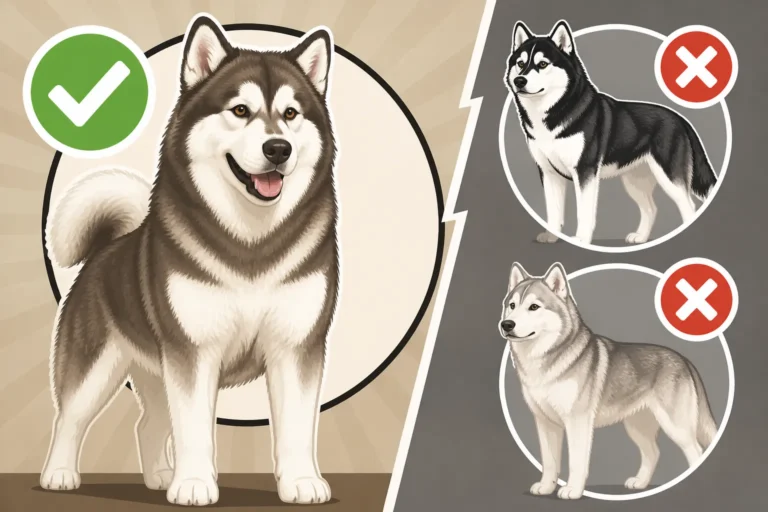
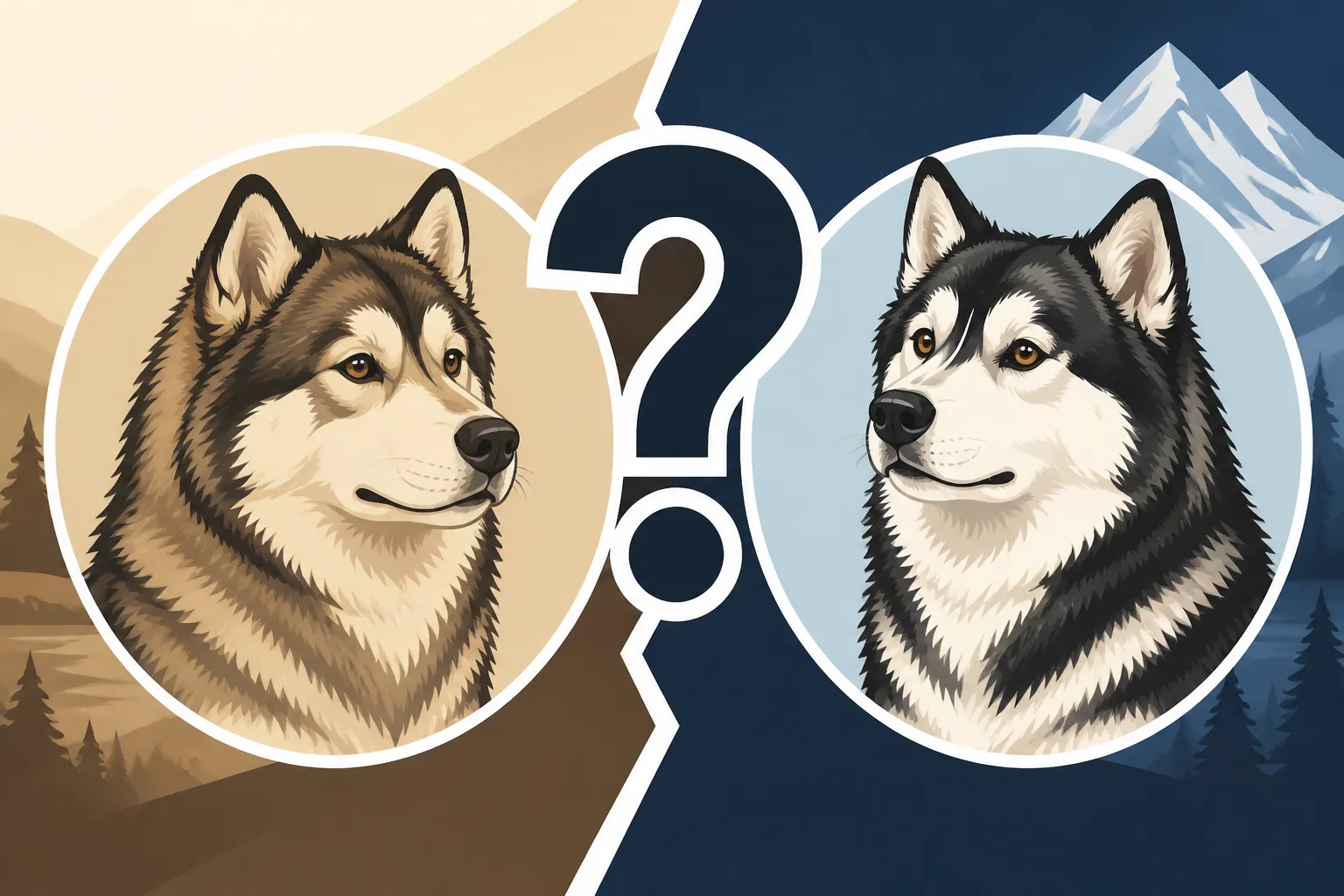
People often use “sable” to describe a warm, brownish or tan coat with darker-tipped hairs or a dark overlay. The exact appearance varies. One dog may look mostly warm gray or brown, while another has more obvious black shading across its back. The coat usually includes white areas, as Malamute markings typically do.
The breed’s color descriptions include a range of shades, and the boundaries between them are not always obvious from a single photo. If you are comparing possible colors, The Colors an Alaskan Malamute Comes In offers a broader look at the breed’s coat palette.
What sable fur may look like
A sable Malamute may have a warm-toned undercoat, dark-tipped guard hairs, or a mixture of brown, gray, black, and cream. The balance can vary across the body. A dog’s back may look darker than its sides, and its face may have familiar Malamute markings that make the color seem different from one angle to another.
Lighting adds another layer of confusion. A coat photographed in direct sun can look lighter and more golden than the same coat indoors. Wet fur, a seasonal coat change, or a phone camera’s automatic color adjustment can also alter how sable appears in pictures. A breeder’s label is useful, but it should not be treated as a perfect color diagnosis from a snapshot.
Sable also describes the overall impression of the coat, rather than guaranteeing that every individual hair has the same pattern. Two sable littermates can look noticeably different as adults. If a listing calls a puppy sable, ask what the breeder means by the term and request photos of the puppy’s parents or adult relatives when available.
Sable can be confused with other colors
Sable overlaps visually with other Malamute colors, particularly red, seal, and darker gray shades. A red Malamute tends to show warmer red or copper tones, while a sable dog may have a mixture of warm coloring and dark-tipped hairs. A seal-colored coat can also appear dark, especially across the back, and may be mistaken for sable in poor lighting.
These are practical descriptions, not always clear-cut visual boxes. Coat color terminology may vary among breeders, registries, and owners. When appearance matters to you, compare the dog in natural light and ask how the color is recorded in its registration or pedigree paperwork. For another commonly debated color label, see Whether a Red Alaskan Malamute Is Purebred.
| Color description | Common visual impression | Why it may be confused with sable |
|---|---|---|
| Sable | Warm or brownish tones, often with darker shading or tipped hairs | The mix of light and dark hairs can look gray, red, or seal-colored |
| Red | Copper, reddish brown, or warm rust tones | Warm red coats may have darker shading that resembles sable |
| Seal | Dark overall coat, sometimes with lighter areas underneath | Dark guard hairs can make the coat appear brown or sable in certain light |
| Gray | Gray tones ranging from light to dark, usually with white markings | Gray coats may contain warmer or darker shading |
How to tell whether a Malamute is sable
Look at the coat in natural light
Start by looking at the dog outdoors in indirect daylight. Bright direct sun can wash out darker shading, while indoor lighting may add a yellow or reddish cast. Look at several areas rather than relying on one patch: the back, shoulders, sides, and face may have different tones.
It can help to view the coat when it is dry and fully grown. A young puppy’s coat may not show the same balance of colors as its adult coat, and a Malamute’s thick double coat can make it difficult to see the guard-hair pattern clearly. If possible, ask for several recent photos taken in different settings, not just one carefully edited portrait.
Also look beyond color. Malamutes are recognized by their overall build, coat, markings, and other breed characteristics—not by a single shade. A sable appearance does not, by itself, confirm that a dog is purebred. Pedigree information and responsible breeding practices matter more than a color label.
Separate coat color from face markings
Malamutes can have a range of facial markings, including caps, bars, and masks. These markings are separate from the underlying coat color. A dark cap or bar can make a sable dog’s face look especially dark, while pale facial markings may make the same coat seem lighter by contrast. For help distinguishing those patterns, see What a Malamute's Cap and Bar Markings Are.
A useful question for a breeder is, “What parts of this dog’s coat make you describe it as sable?” That invites a more specific answer than asking whether the puppy is “really sable.” The breeder may point to the warm body color, the dark tips, or the coat description used in the litter records.
If a puppy’s color is being used as a selling point, ask for the color to be explained plainly rather than relying on terms like “rare,” “exotic,” or “special.” Those words do not tell you anything dependable about temperament, health, working ability, or whether the dog fits the breed standard.
Consider how the coat may change with age
Puppies can change in appearance as their coat develops. The adult guard hairs and undercoat may create a different balance of light and dark than the puppy coat did. Some dogs look warmer or darker as they mature; others show more gray or lighter shading than expected. A photograph of a young puppy is not a guarantee of the precise adult shade.
Seasonal coat changes can affect the look too. When a Malamute sheds or regrows its undercoat, the coat may seem less dense, lighter, or more strongly patterned. Sun exposure and normal wear can also influence how the coat appears. These shifts do not necessarily mean the dog has changed to a different color category.
For more on how puppy coloring develops, read Whether a Malamute Puppy's Color Changes. Changes later in life are a separate question; Whether a Malamute's Coat Silvers With Age discusses the way an older dog’s coat may appear different over time.
Sable Malamutes, breed standards, and buying questions
Is sable acceptable for the breed?
Yes. Sable is within the range of recognized Alaskan Malamute colors. The breed standard allows a range of shades, including sable, with white generally appearing on areas such as the underside, legs, feet, and facial markings. The standard is about the dog as a whole, not just its color.
Exact wording and recording practices can differ between registries and paperwork. If you are planning to show a dog, check the relevant organization’s current standard and registration guidance rather than assuming that a breeder’s casual color label is the official designation. Which Colors the Alaskan Malamute Standard Allows provides more detail on the range of colors and markings.
For a pet home, a sable coat usually has little practical significance. It does not make the dog more suitable for cold weather, stronger at pulling, healthier, or easier to train. Those qualities depend on the individual dog, its breeding, health, care, and experience.
What to ask a breeder about a sable puppy
A thoughtful breeder should be able to explain how they describe the puppy’s color and how they assess the litter’s health and temperament. Color can be part of the conversation, but it should not take over the conversation. Ask about the parents, the puppies’ living conditions, veterinary care, and the breeder’s approach to matching a puppy with a home.
Useful questions include:
- How are the puppy’s color and markings described in the litter records?
- Can I see photos of the parents and adult relatives in natural light?
- What health screening is appropriate for the parents?
- How are the puppies being socialized and evaluated?
- What support is available if the puppy’s adult appearance differs from its puppy photos?
A breeder should not promise an exact adult shade based only on a young puppy’s appearance. Nor should a higher price be justified solely by calling a color rare. If the seller focuses heavily on color while avoiding basic questions about health, temperament, or care, treat that as a reason to slow down and ask more.
The same careful approach applies when reading a pedigree or advertisement. Labels can be helpful clues, but they are not substitutes for documentation, a clear conversation, and a chance to assess the puppy and its environment.
Caring for a sable Malamute’s coat
Color does not change the grooming routine
A sable Malamute needs the same basic coat care as other Malamutes. The breed has a dense double coat, so regular brushing helps remove loose undercoat and keeps you familiar with the dog’s skin. Brushing is especially important during heavy shedding, when loose fur can collect quickly around the home.
Work through the coat patiently, reaching the undercoat without scraping or irritating the skin. Check areas that can be easy to miss, including behind the ears, around the collar, under the tail, and where the legs meet the body. A sable coat’s darker tips do not require special products or color treatments.
If you are choosing grooming equipment, make sure the tool suits a dense double coat and learn how to use it gently. Chewy is one place owners may browse for brushes and grooming supplies, but the product description should explain the coat type it is designed for. If you are unsure what will reach through the undercoat without irritating the skin, ask a groomer or veterinary professional before buying. For brushing guidance, see Which Brush Gets Through a Malamute's Undercoat and How Often an Alaskan Malamute Needs Brushing.
Keep coat products simple and skin-focused
A sable coat does not need dye, brightening shampoo, or a product intended to intensify its color. These products are unnecessary for ordinary care and may be unsuitable for a dog’s skin. Choose grooming products for their intended use, follow label directions, and stop using anything that appears to cause irritation.
If you shop for shampoo or a brush through Chewy, check the product details for suitability with double-coated dogs rather than choosing based on packaging or color claims. Chewy may also be a convenient place to compare basic grooming supplies, but a product listing cannot diagnose a skin problem or tell you what is appropriate for a particular dog.
Watch for persistent redness, itching, scabs, unusual hair loss, or changes in the skin’s texture. Those signs are not evidence that the dog’s sable color is “coming in” or that the coat needs a color product. A veterinarian can help determine whether the issue is related to skin irritation, parasites, infection, or another cause.
Choose the dog, not just the shade
The short answer is yes: sable Alaskan Malamutes exist, and sable is among the recognized color descriptions for the breed. The label can cover a range of warm tones and dark shading, and its appearance may be hard to separate from red, seal, or gray in some dogs. Photos, lighting, age, and individual variation all play a part.
If you are choosing a Malamute, let color be one small detail rather than the deciding factor. Give more weight to health information, temperament, responsible breeding, and whether you can meet the breed’s needs. A sable coat may catch your eye, but the individual dog’s wellbeing and fit with your household matter much more.
Disclaimer
This article is for general informational purposes only and does not constitute professional advice. Laws, prices and regulations vary by location and change over time. Consult a qualified professional for guidance on your specific situation.