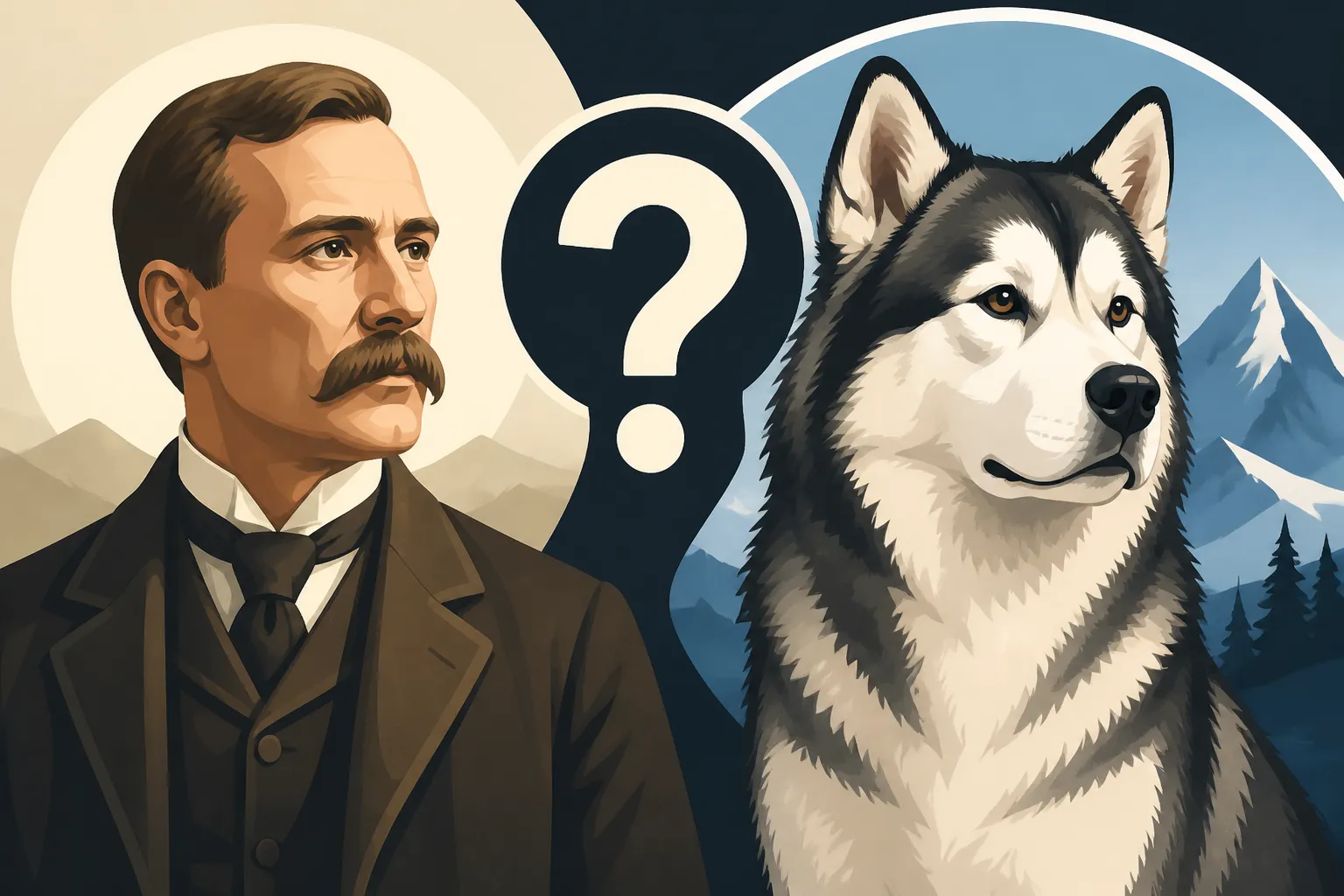
Whether Arthur Walden Kept Malamutes
It's easy to get lost in the swirling mists of history when we talk about the beginnings of our beloved Alaskan Malamutes. So many remarkable dogs and dedicated people shaped the world of sledding, and sometimes, the lines blur, leaving us wondering who was truly connected to which magnificent breed. This guide aims to clear up a common point of confusion: whether Arthur Walden, a pivotal figure in American sled dog history, was specifically involved with the Alaskan Malamute breed.
The Luminary Figure of Arthur Walden in Early Sled Dog History
Arthur Walden is a name synonymous with early American sled dog development and racing, particularly in New England. He was a true pioneer, often credited with bringing organized sled dog racing to the United States. His life was dedicated to dogs and the sport of mushing, and his influence cast a long shadow over the nascent world of northern breeds in America.
Who Was Arthur Walden and His Legacy?
Arthur Walden was an explorer, dog trainer, and musher whose passion for sled dogs led him to create the "Chinook" breed, named after his famous lead dog. Chinook was a magnificent specimen, a large, powerful sled dog of uncertain lineage, believed to be a cross between a Mastiff, a Saint Bernard, and perhaps some form of Greenland or Eskimo dog. Walden's goal was to breed a powerful, intelligent, and dedicated sled dog suited for both freighting and racing in the harsh New England winters. He wasn't focused on preserving an ancient indigenous breed, but rather on creating a new, optimized working dog. This is a crucial distinction when we consider the Malamute.
Walden's efforts culminated in the establishment of the New England Sled Dog Club and the first organized sled dog races in the region. His enthusiasm and dedication helped popularize sledding as both a sport and a practical means of transportation. For many, his name became almost interchangeable with "sled dog," and his kennel, Chinook Kennels, was widely recognized. He even participated in Admiral Byrd's first Antarctic expedition, showcasing the capabilities of his Chinook dogs on the global stage.
Walden's Contributions to Sled Dog Culture
Walden's most enduring contribution was arguably the creation and popularization of the Chinook breed. These dogs, while never achieving the widespread recognition of some other northern breeds, carried on his legacy of powerful, devoted working dogs. He emphasized temperament and working ability, traits that are highly valued in any sled dog, including the Alaskan Malamute. He demonstrated that sled dogs were not just for the frigid wilds of Alaska but could thrive and excel in other snowy regions.
His work also helped lay the groundwork for a broader appreciation of sledding breeds in the lower 48 states, encouraging people to look beyond traditional companion animals and embrace the unique characteristics of these northern dogs. This increased visibility, in turn, created a pathway for other breeds, like the Siberian Husky and the Alaskan Malamute, to gain traction and eventually achieve formal recognition from kennel clubs. His passion undeniably sparked interest in the entire category of sled dogs, preparing the public for breeds with ancient histories, like our mighty Malamutes.
Understanding the Alaskan Malamute's Distinct Origins
While Arthur Walden was busy developing his Chinooks, the Alaskan Malamute was on a very different trajectory, rooted in millennia of partnership with indigenous peoples in the Arctic. Their story is one of pure functionality, developed for a specific purpose in an unforgiving land, long before formalized dog breeds were a concept.
The Mahlemut People and Their Dogs
The true origin of the Alaskan Malamute lies with the Mahlemut (also spelled Mahlemiut or Malemiut) people, an Inuit tribe inhabiting the Kotzebue Sound region of northwest Alaska. These dogs were not bred for speed in races, but for immense strength and endurance in freighting. They were the original workhorses of the Arctic, pulling heavy loads of supplies, hunting equipment, and game over vast, icy distances. Their role was critical for the survival of the Mahlemut people, who relied on them for transportation and hunting. Imagine needing to haul a thousand pounds of food and gear across frozen tundra—that's the job these dogs were bred for, slowly and steadily. The Mahlemut of Kotzebue Sound Bred the Alaskan Malamute is a fascinating dive into this ancient partnership.
The Mahlemut dogs were selectively bred for generations for these specific traits: power, stamina, and a dense, protective coat. They were an integral part of the family unit, intelligent and resilient, able to withstand extreme cold and arduous conditions. Their physical characteristics, from their deep chests to their powerful bone structure, are direct results of their original purpose: Freight, Not Speed: What Separates a Malamute From a Racing Dog. These were not dogs easily mistaken for lighter, faster racing breeds.
Key Figures in the Malamute's Early Development
The Alaskan Malamute as a recognized breed in the modern sense owes much to dedicated individuals who sought to preserve the purity of these ancient dogs in the face of crossbreeding during the Alaskan Gold Rush. The Gold Rush era saw many working dogs, including the Mahlemut dogs, crossbred with other breeds to produce faster sled teams, often for racing or short-distance hauling. This threatened the distinct characteristics of the true Malamute. Whether the Gold Rush Nearly Ruined the Malamute explains this period of upheaval.
It was individuals like Eva B. Seeley (Chinook Kennels, confusingly, but not Walden's Chinook line, though she acquired some of his dogs later) and Paul Voelker Sr. (known for the Kotzebue line) who were instrumental in identifying and promoting the pure Malamute type. Seeley, in particular, gathered dogs from Alaska that closely matched the original Mahlemut dogs and began a meticulous breeding program to establish the breed standard. She, along with others, worked to ensure these magnificent dogs were recognized and their unique lineage preserved. Eventually, the breed received recognition from the American Kennel Club. How the Malamute Was Rebuilt After the Gold Rush details these efforts. It was a painstaking process, often involving traveling to remote regions to find dogs that truly embodied the Mahlemut ideal.
Distinguishing Between Malamutes and Other Sled Dogs of the Era
The world of sled dogs in the early 20th century was a rich tapestry of different types, purposes, and bloodlines. It’s easy to conflate them, especially when historical records can be less precise than modern kennel club registries. Understanding the fundamental differences helps clarify Arthur Walden's specific impact.
The "Chinook" Breed vs. Alaskan Malamutes
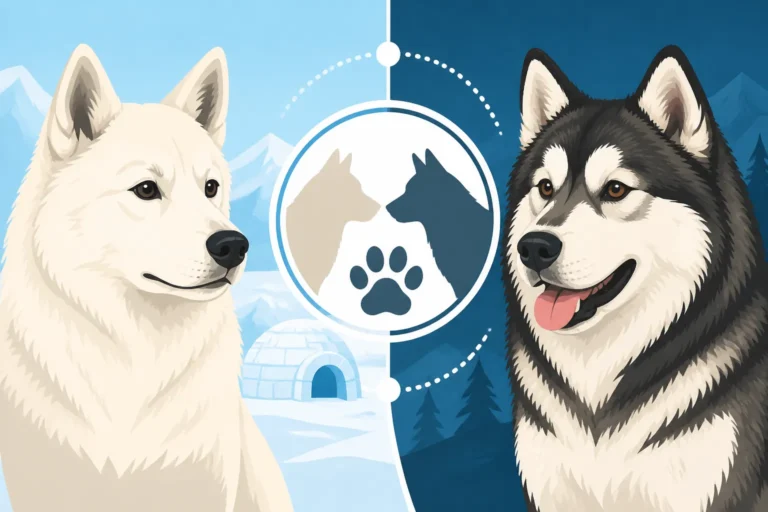
Arthur Walden's primary focus was the Chinook breed, a distinct lineage developed in New England. While also a powerful sled dog, the Chinook's origins are relatively recent, dating back to 1917 with Walden's foundation dog. Chinooks were bred for speed and endurance in racing, often displaying a fawn or golden coat, and typically had a leaner build than the heavy-boned Malamute. Their purpose was distinct from the Mahlemut dogs, which were designed for heavy freighting over long distances at a slower, more deliberate pace.
Consider the physique: a Malamute has a deep, broad chest, a sturdy frame, and powerful legs built for pulling immense weight. They are often described as having a "bear-like" gait when they move slowly. Chinooks, while strong, were often bred with a different silhouette, optimized for speed. They also didn't carry the millennia of history tied to indigenous Arctic communities. They were a creation of Walden, whereas the Alaskan Malamute was an ancient breed preserved. If you were ordering supplies from Chewy for your sled team back then, you'd be looking for very specific characteristics depending on whether you needed a fast racer or a heavy freighter.
The Broad Category of "Sled Dogs" in Early Expeditions
It's important to remember that during the heroic age of polar exploration, the term "sled dog" was a broad descriptor, often encompassing a variety of working dogs, many of which were mixed breeds. Expeditions like those of Peary, Amundsen, and Byrd often utilized dogs sourced from various Arctic communities or bred specifically for their projects, without a strict adherence to what we now consider purebred standards. These dogs were selected purely for their ability to survive and work in extreme conditions. Peary, Amundsen and Byrd Took Malamutes to the Poles delves into the types of dogs these famous explorers used.
For instance, when Arthur Walden participated in Admiral Byrd's expedition to Antarctica, he took his Chinook dogs. These were not Alaskan Malamutes, but his own distinct breed. The goal was practical utility – getting the job done – rather than upholding a specific breed standard. Many of the dogs on these expeditions were hardy, resilient animals, but they weren't necessarily recognized purebred Malamutes. While Malamutes certainly served on many expeditions, and their unique qualities made them invaluable, the general term "sled dog" on expeditions often referred to a melting pot of powerful northern dogs.
Why the Confusion Around Walden and Malamutes Persists
It's understandable why Arthur Walden's name might be linked with Alaskan Malamutes in some people's minds. The landscape of sled dog breeds was much less defined a century ago, and prominent figures often became associated with the entire sphere of working dogs.
The Blurry Lines of Early Breed Recognition
Before widespread kennel club recognition and DNA testing, the lines between different northern breeds and landraces were often quite fluid. Dogs from different regions were sometimes grouped under general terms like "Eskimo dogs" or "husky types." It took dedicated efforts from specific individuals to establish distinct breed standards and meticulously trace pedigrees. For many years, a powerful, northern-looking sled dog might simply be called a "husky" or "Malamute" without the strict genetic or historical definitions we apply today. If you picked up dog food from Chewy, you might just be looking for "sled dog food" rather than a specific breed formula.
Walden's Chinook dogs, while a recognized breed, also shared some superficial similarities with Malamutes in terms of their power and working drive, contributing to the general confusion among those not intimately familiar with the nuances of each lineage. Furthermore, the very limited number of Malamutes available for breeding after the Gold Rush meant that establishing a clear, uncontaminated genetic line was a massive undertaking. The Kotzebue and M'Loot Lines Behind Every Modern Malamute showcases how even within the Malamute breed, distinct lines were eventually established and then merged.
Popular Misconceptions and Kennel Club Histories
The narrative surrounding early sled dog history is often condensed and simplified for popular consumption. A famous musher like Arthur Walden, working with powerful northern dogs, easily becomes associated with all "sled dogs" in the public imagination, including the iconic Alaskan Malamute. It's a natural leap for those not steeped in the specific histories of each breed.
Moreover, the fact that Eva Seeley, a pivotal figure in the Malamute's re-establishment, also operated "Chinook Kennels" adds another layer of historical entanglement. While her Chinook Kennels initially housed Siberian Huskies and later focused on Alaskan Malamutes, the name itself carried weight from Walden's earlier contributions to the sled dog world. It's a detail that can easily lead to misunderstandings, but it's important to remember that while the kennel name might have been similar, the dogs and their breeding goals were distinct. Ultimately, Arthur Walden's legacy lies firmly with the Chinook breed, a testament to his own vision, rather than being a chapter in the ancient history of the Alaskan Malamute.
| Aspect | Alaskan Malamute | Chinook Breed (Arthur Walden's dogs) |
|---|---|---|
| Origin | Indigenous Mahlemut people of Arctic Alaska (ancient) | New Hampshire, USA (created by Arthur Walden, 1917) |
| Primary Purpose | Heavy freighting, endurance, survival | Racing, general sled work |
| Typical Build | Powerful, heavy-boned, deep-chested | Leaner, athletic, built for speed |
| Temperament Focus | Stubborn independence, immense strength, devotion | Intelligent, devoted, willing worker |
| Ancestry | Ancient Arctic indigenous dogs | Cross of Mastiff, Saint Bernard, various sled dogs |
| Key Proponents | Eva Seeley, Paul Voelker Sr. (post-Gold Rush) | Arthur Walden |
| Kennel Club Status | AKC recognized as a distinct breed | AKC recognized (initially rare breed, later recognized) |
Disclaimer
This article is for general informational purposes only and does not constitute professional advice. Laws, prices and regulations vary by location and change over time. Consult a qualified professional for guidance on your specific situation.