Whether a Seal Colored Malamute Is Correct
A seal-colored Alaskan Malamute can be correct, but “seal” is usually a descriptive coat term rather than a separate color category in the breed standard. That distinction can make photos, breeder descriptions, and online color labels confusing. This guide explains what seal coloring looks like, how it fits the recognized color range, and what matters more than coat shade when assessing a Malamute.
What seal coloring means on an Alaskan Malamute
Seal describes an appearance, not a separate breed type
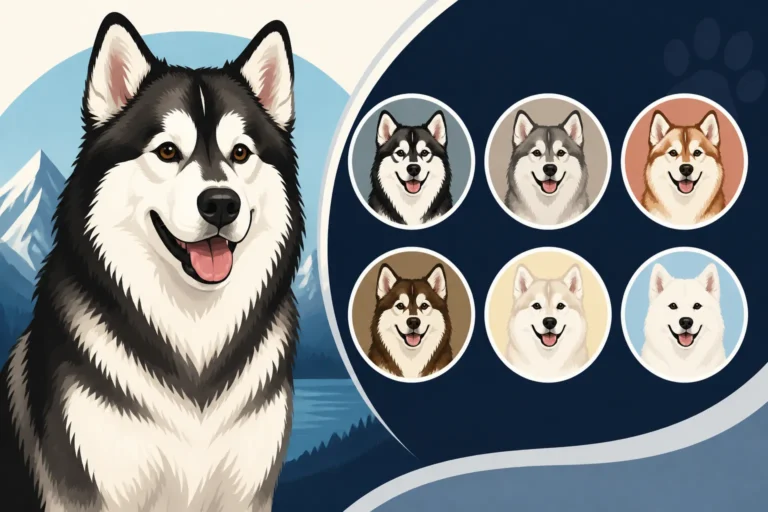
People generally use “seal” to describe a dark coat with black or nearly black guard hairs and a lighter undercoat that can show through. Depending on the light, the coat may look black, brownish-black, charcoal, or subtly shaded. That shifting appearance is part of why two owners might describe similar-looking Malamutes differently.
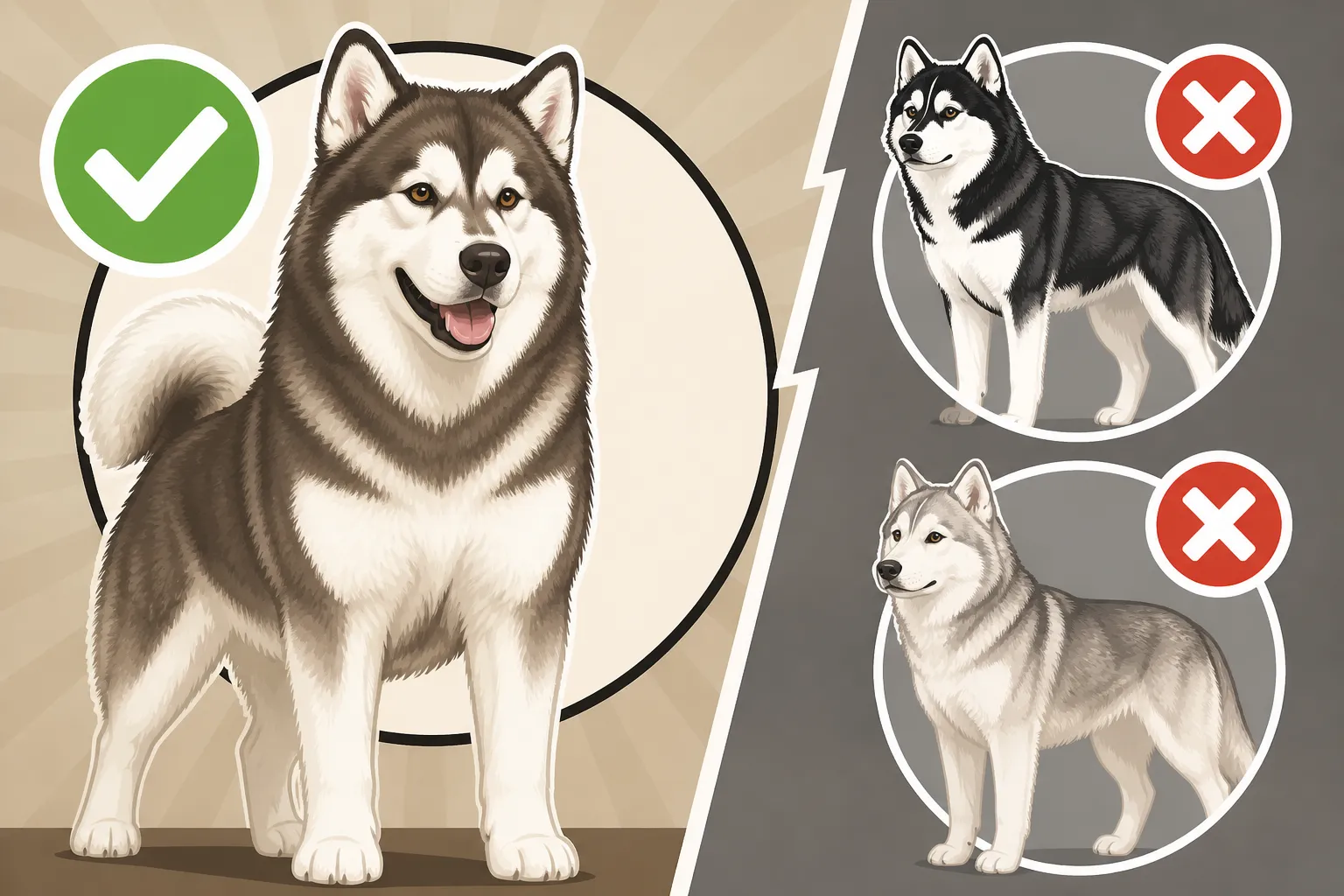
The word is useful in everyday conversation, but it is not usually treated as its own formal color class in the Alaskan Malamute breed standard. A seal-looking dog may fit within the standard’s accepted range of coat colors and shadings, including gray, black, sable, and related variations. The overall coat pattern and markings matter too, not simply whether the dog looks dark in a photograph.
If you are comparing a breeder’s description with a registry or show standard, look at the whole dog and the language used by the relevant organization. A seller calling a puppy “seal” is giving you a visual description; that label alone does not establish pedigree, registration status, or show eligibility. For a broader look at accepted colors, see Which Colors the Alaskan Malamute Standard Allows.
How seal differs from black, gray, and sable
A dark Malamute can be difficult to classify from one picture. Lighting, camera settings, coat length, and whether the dog is outdoors can all change the apparent color. Black guard hairs over a lighter undercoat may look nearly solid from a distance, while close inspection in daylight may reveal gray, tan, or reddish tones.
Gray Malamutes generally show a more obvious mix of gray and black hairs. A sable coat may have warmer tones, often with dark-tipped hairs over a lighter or reddish base. A seal-looking coat tends to read as very dark overall, but the boundary between these descriptions is not always crisp. Coat color terms are often used conversationally rather than as precise genetic labels.
| Description | What you may notice | What the label does not tell you |
|---|---|---|
| Seal | A dark coat that may look black or brownish-black, sometimes with a lighter undercoat showing | It does not identify a separate Malamute type |
| Black | A strong dark appearance, often with lighter areas elsewhere on the body | It does not mean the dog must be one solid color |
| Gray | A blend of gray and darker hairs, with variation in shade | It does not predict temperament or working ability |
| Sable | Dark-tipped hairs with warmer or lighter tones underneath | It does not confirm a particular bloodline |
These descriptions can overlap in ordinary use. If someone is deciding whether a dog’s color is acceptable, the most helpful comparison is not a label on a sales page but the recognized standard and the dog’s full markings. The article What a Malamute's Cap and Bar Markings Are explains some of the facial pattern terms you may encounter alongside color descriptions.
Is a seal-colored Malamute considered correct
The breed standard considers more than the coat’s darkness
Alaskan Malamutes are expected to have a double coat, with a dense undercoat and coarser outer guard hairs. The standard allows a range of coat colors and shadings, while white is an important part of the typical pattern. It commonly appears on the underbody, parts of the legs and feet, and facial markings.
That means a dark-looking seal coat can be compatible with the breed’s accepted color range, provided the dog’s overall coloring and markings fit the applicable standard. “Seal” by itself is not a guarantee that a dog is correct in every other respect. A color description cannot answer questions about structure, movement, health, or whether the dog meets a particular show organization’s requirements.
There are exceptions and details worth knowing. A wholly white Malamute is treated differently from a dark dog with the usual white areas, and a dog’s eye color also matters under the breed standard. For related questions, read Whether an All White Malamute Is Correct and Whether a Malamute's Eyes Must Be Brown.
Show suitability is not decided by a color nickname
If you are considering showing a Malamute, ask the breeder or an experienced breed mentor how the dog’s color is recorded and how the dog compares with the relevant standard. A judge evaluates the whole animal, not just whether its coat has a fashionable or unusual name. Conformation, sound movement, overall condition, and breed type all contribute to the assessment.
A puppy may also look different as its coat develops. Guard hairs and undercoat can make the same dog appear lighter or darker at different ages, and seasonal coat changes can alter how much of the undercoat is visible. A photo taken indoors may hide tones that are obvious in natural daylight. That is one reason a single online image is a poor basis for a firm color judgment.
If a breeder describes a puppy as seal, ask what they mean by the term and request clear photos in natural light. A responsible conversation should be straightforward: the breeder can explain the puppy’s parentage, registration information, health screening, and expected adult coat without suggesting that a color label proves quality. Whether a Malamute Puppy's Color Changes covers why a young dog’s appearance may shift over time.
How to assess a seal Malamute in person or in photos
Look at the coat in natural light
Whenever possible, view the dog outdoors in indirect daylight rather than relying on a flash photo or a heavily edited image. Look across the back and sides, then check the face, legs, feet, and underside. The coat may have a dark top layer while the undercoat or areas around the shoulders show a different shade.
Try not to judge color from a wet coat, a freshly groomed coat, or a picture taken under warm indoor bulbs. Wet fur clumps and darkens, while indoor lighting can add a brown or yellow cast. A coat that looks nearly black in a shaded kennel may show gray or sable tones in brighter light.
If you are speaking with a breeder remotely, ask for several recent pictures rather than a single carefully posed image. A short video in daylight can help show how the coat looks as the dog moves. Photos are still only a visual aid, though: they cannot confirm pedigree or replace documentation from the breeder.
Treat marketplace descriptions as informal labels
Color names can be used loosely in listings, social posts, and conversations. A description such as “seal,” “silver,” or “rare black” may reflect the seller’s impression rather than a formal classification. If you see a striking color claim in a listing, ask for the dog’s registration details and the breeder’s explanation instead of assuming the label has a standardized meaning.
The same caution applies when browsing products or general pet information on retailers such as Chewy. A color term used in a product description or customer discussion is not a substitute for a breed standard. Retailer pages may be useful for ordinary supplies, but they should not be treated as proof that a particular dog meets show or registration requirements.
This is also a good place to separate coat color from health. A dark or seal-looking coat does not, by itself, show that a Malamute is healthier, more authentic, or better suited to pulling. If you are choosing a puppy, put more weight on health records, temperament, sound structure, and the breeder’s openness than on a dramatic color description. For comparison with another commonly discussed shade, see Whether a Silver Malamute Is Purebred and Whether a Red Alaskan Malamute Is Purebred.
What seal coloring does and does not tell you
Color does not establish pedigree or quality
A Malamute’s appearance can offer clues about its coat pattern, but a color nickname cannot prove ancestry. Registration papers and reliable breeding records are the appropriate place to check pedigree. If you are buying a puppy, ask to see the parents’ information and the records relevant to the litter rather than relying on a promise based on coat color.
Color also does not predict whether a dog will be an easy companion. Malamutes are powerful, independent working dogs, and their needs are shaped by temperament, socialization, health, and daily management—not whether their coat is called seal. A prospective owner should think through exercise, training, secure fencing, grooming, and the household’s ability to manage a large breed.
A breeder may understandably be proud of a distinctive-looking dog, but unusual color should not be used to distract from unanswered questions. Ask about the puppy’s upbringing, the parents’ behavior, and health screening. If a seller focuses on rarity while avoiding basic questions, treat that as a reason to slow down and seek clearer information.
Keep coat care practical
Seal-colored Malamutes need the same basic coat care as other Malamutes. Regular brushing helps remove loose undercoat and lets you notice skin irritation, mats, or changes in the coat. During heavy shedding, grooming may take considerably more time, but shaving the double coat is not a routine way to manage shedding or keep the dog cool.
A suitable brush or undercoat tool can make home grooming easier. If you are comparing grooming supplies at Chewy or another retailer, check that the tool is appropriate for a dense double coat and use it gently; harsh or overly frequent scraping can irritate skin. A groomer familiar with northern breeds can also demonstrate safe technique if you are unsure how to reach the undercoat without damaging the guard hairs.
For a dog with skin changes, hair loss, persistent itching, or unusual crusting, do not assume the cause is simply coat color or seasonal shedding. Ask a veterinarian to assess the problem. Color descriptions are about appearance; they do not diagnose skin or health conditions. If the nose itself changes color seasonally, Whether a Malamute's Nose Can Be Snow Nose explains a separate issue that should not be confused with coat shade.
When shopping for routine grooming products, Chewy may be one place to compare brush styles and product descriptions, but your Malamute’s coat condition and comfort should guide the choice. The aim is to keep the coat clean and manageable, not to make its color look darker, lighter, or more uniform.
Disclaimer
This article is for general informational purposes only and does not constitute professional advice. Laws, prices and regulations vary by location and change over time. Consult a qualified professional for guidance on your specific situation.