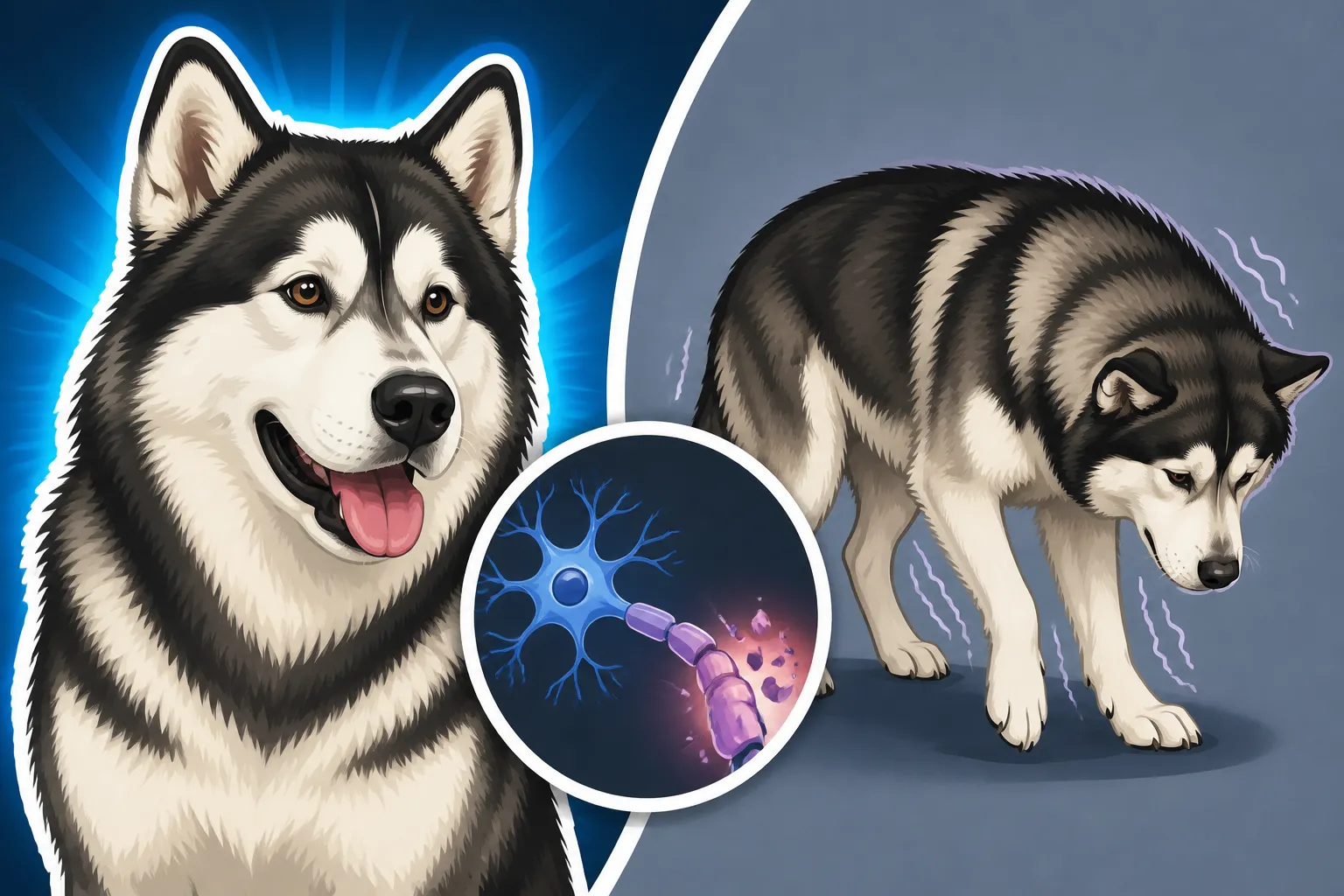
What Inherited Polyneuropathy Does to a Malamute
It's absolutely heartbreaking to watch your beloved Alaskan Malamute start to struggle with movement, perhaps stumble or lose their powerful bark, and not immediately understand why. The confusion, the worry, and the desperate search for answers can be overwhelming when these subtle yet concerning changes begin to manifest. This comprehensive guide is here to shed light on Inherited Polyneuropathy, a challenging neurological condition that can affect our majestic Malamutes, helping you understand its signs, progression, and how best to support your furry family member through it.
Understanding Inherited Polyneuropathy in Alaskan Malamutes
When we talk about Inherited Polyneuropathy in Alaskan Malamutes, it's not just a fancy medical term; it describes a very real and often distressing condition that impacts the very nerves that control movement and essential bodily functions. For an active breed like the Malamute, who loves to work and play, anything that hampers their mobility is particularly devastating for both them and their devoted owners.
What Exactly is Polyneuropathy?
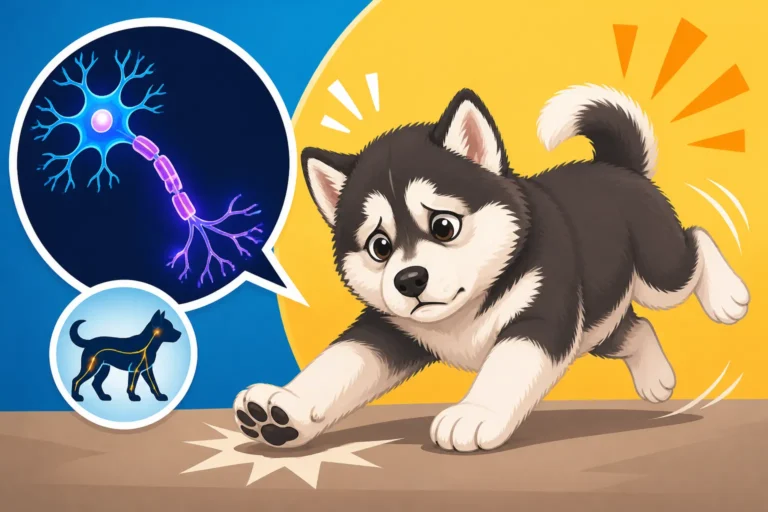
At its core, polyneuropathy refers to a disease that affects multiple peripheral nerves throughout the body. These aren't the nerves in the brain or spinal cord, but rather the ones that branch out to connect the central nervous system to the rest of the body, including muscles, skin, and internal organs. Think of it like the intricate wiring system in your house; if that wiring starts to fray or short-circuit, the appliances (muscles, in this case) don't get the proper signals to work effectively.
In Malamutes, this nerve damage means the messages traveling from the brain to the muscles become disrupted or don't get through at all. This leads to progressive weakness, muscle wasting, and a whole host of other symptoms. It's not a sudden onset condition in most cases, but rather a slow, insidious decline that can be hard to pinpoint in its early stages. Imagine trying to explain to your Malamute why their legs aren't working like they used to, or why their once booming "woo" is now a raspy whisper – it's a silent struggle for them that requires immense empathy and understanding from us.
The Genetic Link: Why Malamutes Are Susceptible
The term "inherited" is crucial here, as it tells us this condition isn't something a Malamute "catches" from the environment or through poor diet. Instead, it's passed down through generations. Specifically, Inherited Polyneuropathy in Alaskan Malamutes is known to be an autosomal recessive disorder. This means that for a Malamute to actually develop the disease, they must inherit two copies of the affected gene – one from each parent.
If a Malamute inherits only one copy of the gene, they won't show any symptoms of the disease themselves; they're considered a carrier. Carriers are perfectly healthy, but they can pass the gene on to their offspring. This is why responsible breeding practices are so vital, because two carriers bred together have a 25% chance of producing an affected puppy, a 50% chance of producing carrier puppies, and a 25% chance of producing clear puppies. Understanding Whether Both Malamute Parents Must Carry Polyneuropathy is key for preventing this heartbreaking disease. Thankfully, advances in veterinary genetics have provided us with tools to identify these carriers. Knowing The DNA Test That Finds Malamute Polyneuropathy allows breeders to make informed decisions and work towards breeding out this condition from the Malamute gene pool entirely. It’s a huge step forward in protecting future generations of these magnificent dogs.
Recognizing the Early Signs of Polyneuropathy
Catching any health issue early can make a world of difference in managing it, and Inherited Polyneuropathy is no exception. However, because its onset can be subtle and the symptoms progressive, it sometimes goes unnoticed or is mistaken for other conditions in its initial stages. Keeping a keen eye on your Malamute's behavior and physical abilities is paramount.
Subtle Changes in Gait and Coordination
One of the first things you might notice is a change in how your Malamute moves. This isn't usually a dramatic limp, but more of an awkwardness or lack of grace that wasn't there before. Perhaps they start stumbling more frequently, especially on uneven terrain or when turning quickly. You might observe a slight weakness in their hindquarters, making it harder for them to get up from a lying position, particularly after a long nap. Imagine your typically agile Malamute, built for pulling and endurance, suddenly looking a bit wobbly or hesitant when navigating stairs.
This subtle decline in coordination often means their nerves aren't transmitting signals to the muscles as efficiently as they should. You might even notice what's called a "high-stepping gait" in the front legs, where they lift their paws higher than necessary, almost as if trying to clear an invisible obstacle. These changes tend to appear when the Malamute is relatively young, typically between one and three years of age, though it can vary. Learning The Age Polyneuropathy Appears in a Malamute can help owners and breeders be vigilant during this critical developmental period. It's these small, persistent changes that should prompt a conversation with your veterinarian.
Unmistakable Voice and Breathing Alterations
Beyond the changes in gait, one of the most distinctive and often concerning symptoms of Inherited Polyneuropathy in Alaskan Malamutes involves their voice and breathing. Malamutes are known for their expressive "woos" and a variety of vocalizations that are far from a typical bark. So, when their voice starts to change, it's usually quite noticeable to an attentive owner.
You might hear a hoarseness develop, or their once robust "woo" might become quieter, weaker, or even completely disappear. This happens because the nerves supplying the larynx (voice box) are affected, leading to laryngeal paralysis. If you've ever wondered Why a Malamute's Bark Changes With Polyneuropathy, this nerve damage is the answer. It’s not just a cosmetic change; laryngeal paralysis can also have serious implications for breathing. As the condition progresses, the paralysis of the laryngeal muscles means the airway may not open properly during inhalation, leading to noisy breathing (stridor), especially during exercise, excitement, or in warmer weather. In severe cases, it can cause significant respiratory distress. It's crucial to be aware of Whether a Polyneuropathy Malamute Can Breathe Normally, as impaired breathing can be an emergency. If your Malamute is struggling to catch their breath, it warrants immediate veterinary attention. These respiratory issues often represent a more advanced stage of the disease and can be particularly frightening for both dog and owner.
How Polyneuropathy Progresses and Affects Daily Life
The journey with Inherited Polyneuropathy is a progressive one, meaning the symptoms tend to worsen over time. This can present increasing challenges for both the affected Malamute and their human family, requiring adaptability and a deep commitment to supportive care. It's a tough road, but understanding what to expect can help you navigate it with more confidence and compassion.
Impact on Mobility and Exercise Tolerance
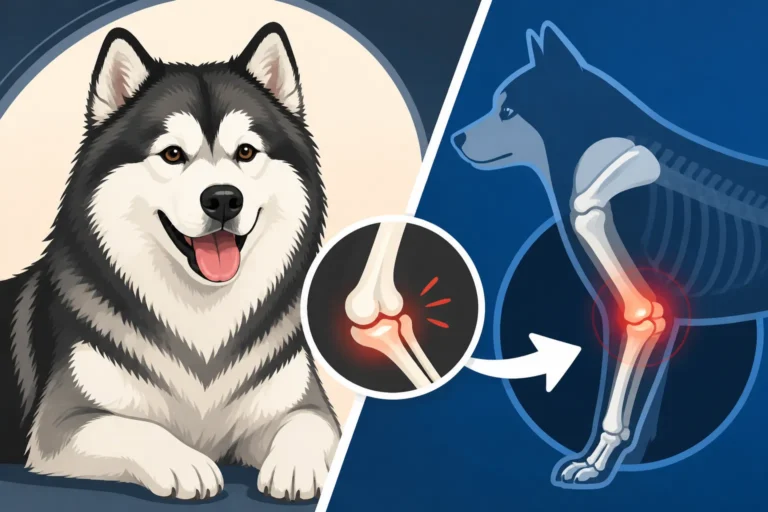
As the peripheral nerves continue to degenerate, the initial subtle stumbling or weakness inevitably progresses to more noticeable and debilitating mobility issues. Your Malamute, once a powerhouse of endurance, may find even short walks exhausting. Climbing stairs might become an impossible feat, and jumping into the car or onto furniture (if allowed!) could be out of the question. The muscle wasting (atrophy) that accompanies nerve damage becomes more pronounced, particularly in the hind limbs, leading to a visibly thinner appearance even if their appetite remains robust.
This loss of mobility isn't just physical; it takes a significant emotional toll on a breed like the Alaskan Malamute. They are dogs bred for work, for pulling, for covering vast distances. To have their very purpose curtailed by weakening limbs can lead to frustration and a decline in their overall quality of life if not managed thoughtfully. Owners often report their Malamutes becoming less engaged in activities they once loved, or showing signs of discomfort and lethargy. Adapting their environment and routine becomes critical to maintain their mental and physical well-being.
Challenges with Eating, Drinking, and Respiratory Function
Beyond mobility, polyneuropathy can extend its reach to other vital functions, making daily life considerably more challenging. The laryngeal paralysis mentioned earlier can progress to a point where simply eating and drinking become risky. When the larynx doesn't open and close correctly, there's an increased danger of aspiration – food or water accidentally entering the windpipe and lungs instead of going down the esophagus. This can lead to serious complications like aspiration pneumonia, which is a life-threatening infection.
To mitigate this, many owners find themselves needing to modify their Malamute's meal times. Soft, meatball-sized food might be easier to swallow, and elevated food and water bowls can help gravity guide food down the correct pipe. Even with these precautions, constant vigilance is necessary. Furthermore, the breathing difficulties can escalate. What started as noisy breathing might progress to episodes of severe respiratory distress, especially in warm weather or during any form of exertion. These episodes are terrifying and often require emergency veterinary intervention, which can be both emotionally draining and financially demanding. Having a robust pet insurance plan, such as those offered by Healthy Paws, can be a lifesaver in these situations, helping to cover unexpected and ongoing veterinary costs that arise from managing such a complex condition. These are the moments where you'll be grateful for any support you can get, whether it's through careful planning or a reliable insurance provider.
Diagnosis and Management Strategies
Receiving a diagnosis of Inherited Polyneuropathy can feel like a heavy blow, but understanding the diagnostic process and available management strategies is the first step towards providing the best possible care for your Malamute. While there is currently no cure, there are many ways to support your dog and maintain their quality of life.
Confirming the Diagnosis: Tests and Vet Visits
The path to diagnosis often begins with a thorough veterinary examination, focusing on your Malamute's neurological function. Your vet will assess their reflexes, muscle tone, gait, and coordination. They'll also pay close attention to any changes in their voice or breathing patterns. However, because many neurological conditions can present similarly, more specialized tests are usually required to confirm Inherited Polyneuropathy.
These might include electromyography (EMG) and nerve conduction velocity (NCV) studies, which measure the electrical activity in muscles and the speed at which nerves transmit signals. These tests can reveal nerve damage characteristic of polyneuropathy. Sometimes, a nerve and muscle biopsy may be recommended, where small tissue samples are taken and examined under a microscope. While these tests provide valuable physiological information, the definitive diagnosis for Inherited Polyneuropathy in Alaskan Malamutes often comes from genetic testing. This is a simple DNA test, usually performed with a cheek swab, which identifies the specific gene mutation responsible for the condition. Many Malamute owners wonder Whether a Malamute Owner Can Order the Polyneuropathy Test directly, and some reputable labs do offer owner-direct testing, though it's always best to involve your veterinarian in interpreting the results and guiding subsequent steps.
Living with Polyneuropathy: Supportive Care and Adaptation
Once a diagnosis is confirmed, the focus shifts to supportive care and adapting to your Malamute's evolving needs. There's no magic pill or surgery to reverse the nerve damage, so management is all about mitigating symptoms, maximizing comfort, and preserving quality of life. Physical therapy can be incredibly beneficial, including exercises to maintain muscle mass and joint mobility. Hydrotherapy, performed in a heated pool, can allow your Malamute to exercise weakened muscles without the stress of gravity, offering a sense of freedom and improving their strength.
At home, you'll likely need to make environmental modifications. Non-slip rugs on slick floors, ramps instead of stairs, and comfortable, supportive bedding can make a big difference. Assistive devices like slings or full-body harnesses can help you support your Malamute when they struggle to walk or rise. Regular, gentle exercise tailored to their current capabilities, rather than demanding strenuous activity, is crucial. For example, short, controlled leash walks or gentle play in a secure, flat area can help maintain muscle tone and mental stimulation.
As mentioned earlier, managing respiratory issues is paramount. If laryngeal paralysis is severe, your vet might discuss surgical options like a laryngeal tie-back, which permanently opens part of the airway. However, this surgery comes with its own risks, particularly increasing the chance of aspiration pneumonia, so it's a decision that requires careful consideration with your veterinary team. Medications might be prescribed to manage secondary symptoms, such as pain relief or antibiotics for aspiration pneumonia if it occurs.
The costs associated with ongoing physical therapy, specialized equipment, emergency vet visits, and potential surgeries can add up quickly. This is where pet insurance, like a comprehensive plan from Healthy Paws, truly demonstrates its value. A good policy can alleviate a significant portion of the financial burden, allowing you to focus on your Malamute's care without added stress. Many owners facing such a chronic, progressive condition find immense relief in knowing they have financial support.
Breeding Considerations and Prevention
Given that Inherited Polyneuropathy is a genetic condition, the most powerful tool we have to combat its prevalence in the Alaskan Malamute breed lies in responsible breeding practices and informed choices by prospective puppy owners. It's a collective responsibility that truly impacts the future health of these wonderful dogs.
The Ethical Responsibility of Breeders
For breeders, understanding the genetic basis of Inherited Polyneuropathy carries a profound ethical responsibility. Simply put, any Alaskan Malamute used for breeding should be genetically tested for this condition. A reputable breeder will not only test their breeding stock but will also be transparent about the results. This means they will readily provide documentation for both parent dogs, showing they are clear of the gene mutation or, at the very least, are only carriers.
The goal should be to breed away from this disease entirely. While a carrier Malamute itself is healthy and shows no symptoms, breeding two carriers together is a gamble that puts puppies at risk of developing the debilitating disease. Reputable breeders will strictly avoid such pairings. They understand the critical importance of Whether a Carrier Malamute Can Be Bred responsibly, meaning carriers can still be part of a breeding program if they are only bred to clear dogs, ensuring no affected puppies are produced. This careful selective breeding is how we work towards Whether Malamute Polyneuropathy Is Being Bred Out of the breed, ensuring healthier generations moving forward. This commitment goes beyond just preventing affected puppies; it strengthens the entire gene pool.
Informed Choices for Prospective Puppy Owners
For those dreaming of bringing an Alaskan Malamute puppy into their home, your role in preventing the spread of Inherited Polyneuropathy is just as vital. The best way to protect yourself and ensure you're getting a healthy puppy is to choose a responsible breeder who prioritizes genetic health testing. Don't be shy about asking direct questions about the health of the parents and their lineage.
Specifically, you should always ask to see the DNA test results for both the sire and dam (the puppy's parents) for Inherited Polyneuropathy. A reputable breeder will have these documents readily available and will be happy to share them. It’s your right as a buyer to verify this information, and any breeder who hesitates or dismisses your concerns should be a red flag. Knowing Whether a Malamute Buyer Can See the Breeder's Results empowers you to make an informed decision. Furthermore, consider the broader health picture. A good breeder will conduct a range of health screenings beyond just polyneuropathy. Familiarize yourself with The Health Tests Both Alaskan Malamute Parents Should Have to ensure you're supporting ethical practices and reducing the risk of multiple inherited diseases. While pet insurance providers like Healthy Paws offer invaluable support for unforeseen medical needs, the best prevention starts with a healthy puppy from a responsible breeder. Making an informed choice now can save you and your future Malamute immense heartache and expense down the line.
Summary of Polyneuropathy Stages and Management
| Stage of Polyneuropathy | Key Symptoms | Impact on Malamute | Management Strategies |
|---|---|---|---|
| Early Onset | Subtle stumbling, mild hindquarter weakness, occasional hoarseness. | Mild inconvenience, slight reduction in endurance. | Close monitoring, gentle exercise, vet consultation for diagnosis. |
| Progressive Stage | Noticeable gait changes (wobbling, high-stepping), muscle atrophy, consistent voice changes, noisy breathing. | Difficulty with stairs/jumps, reduced activity, potential aspiration risk. | Physical therapy, home modifications (ramps, non-slip floors), elevated bowls, soft food, respiratory support (avoid heat/exertion). |
| Advanced Stage | Severe weakness, inability to rise, significant muscle wasting, severe respiratory distress, frequent aspiration. | Significant mobility loss, high risk of pneumonia, profound impact on quality of life. | Intensive supportive care, assistive devices (slings/harnesses), veterinary emergencies for respiratory crises, palliative care discussions. |
Disclaimer
The information provided in this article is for educational purposes only and is not intended to be a substitute for professional veterinary advice, diagnosis, or treatment. Always seek the advice of your veterinarian or other qualified animal health provider with any questions you may have regarding a medical condition. Never disregard professional veterinary advice or delay in seeking it because of something you have read here.