How a Malamute’s Zinc Deficiency Is Treated
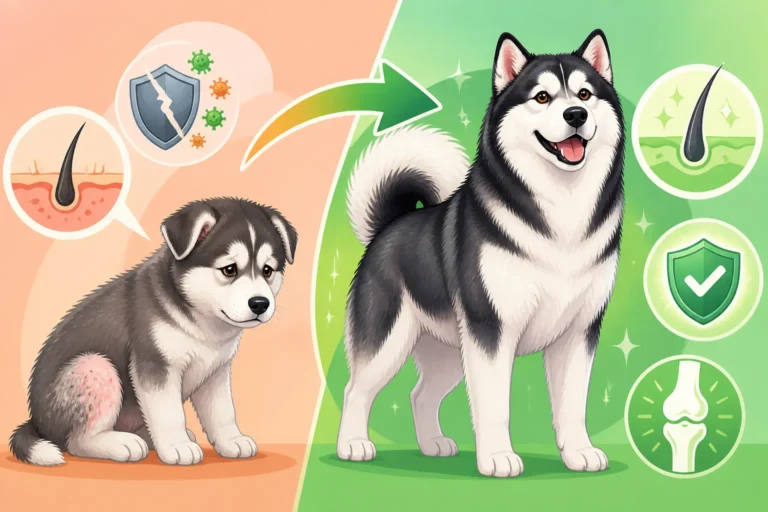
It’s truly disheartening to see your magnificent Alaskan Malamute suffering from skin issues, especially when they develop those crusty, flaky patches around their eyes, muzzle, and joints. Many Malamute owners have faced the baffling and frustrating challenge of zinc responsive dermatosis, a condition where their dog simply can't absorb enough zinc from their diet, leading to chronic skin problems. This guide is here to walk you through the comprehensive treatment approach, from understanding the underlying causes to implementing effective supplementation and long-term management strategies, so you can bring comfort and health back to your beloved companion.
Unpacking the Unique Challenges of Malamute Zinc Deficiency
When you first notice those distinctive skin lesions, it’s easy to feel a pang of worry and perhaps a bit of confusion. Is it an allergy? Is it something I’m doing wrong with their food? The truth is, zinc deficiency in Alaskan Malamutes is often a deeply ingrained issue, setting them apart from many other breeds. It’s not simply about throwing a generic multivitamin at the problem; it requires a targeted and informed approach.
Genetic Predisposition Versus Dietary Issues
For Alaskan Malamutes, zinc deficiency isn't just a matter of poor diet. While diet can certainly play a role, the primary culprit for many Malamutes is a genetic predisposition that affects how their bodies process and absorb zinc. It’s a bit like having a stubborn, inefficient gatekeeper for zinc in their digestive system. Even if your Malamute is eating a high-quality, balanced diet that should contain ample zinc, their body might just not be able to utilize it effectively. This is why you might feel frustrated, knowing you're doing everything "right" with their nutrition, yet they're still showing symptoms. This inherent issue is a critical factor in understanding Why a Malamute's Zinc Problem Is Diet or Genetics and why a simple diet change often isn't enough on its own.
Some lines of Alaskan Malamutes are more prone to this genetic quirk, and it's something responsible breeders are increasingly screening for, though it’s not always a straightforward test like some other genetic conditions. This genetic component means that even puppies can start showing signs early in life, and it’s rarely something they simply "grow out of." It’s a lifelong management scenario, and accepting this reality is the first step toward effective treatment.
The Impact of Calcium and Phytates on Zinc Absorption
Beyond genetics, certain dietary components can exacerbate a Malamute's already tricky zinc absorption. Calcium and phytates are two of the biggest offenders. While essential in appropriate amounts, excessive calcium in a diet can actively compete with zinc for absorption sites in the intestine, essentially blocking it. This is particularly relevant if your Malamute is on a diet with high calcium levels, perhaps due to large breed puppy formulas, or if you're supplementing with calcium without veterinary guidance. Many owners, in their earnest desire to provide the best for their growing pup, might inadvertently worsen the problem.
Similarly, phytates, which are compounds found in grains and legumes, can bind to zinc in the digestive tract, making it unavailable for absorption. While a completely grain-free diet isn't universally necessary or even recommended for all dogs, understanding how these ingredients interact with your Malamute's unique physiology is crucial. If your Malamute is genetically predisposed to poor zinc absorption, a diet high in phytates can push them over the edge into deficiency, even if the food theoretically contains enough zinc. This means we have to be thoughtful, not just about the amount of zinc in the food, but also about the bioavailability of that zinc and what might be hindering it.
The Cornerstone of Treatment: Zinc Supplementation
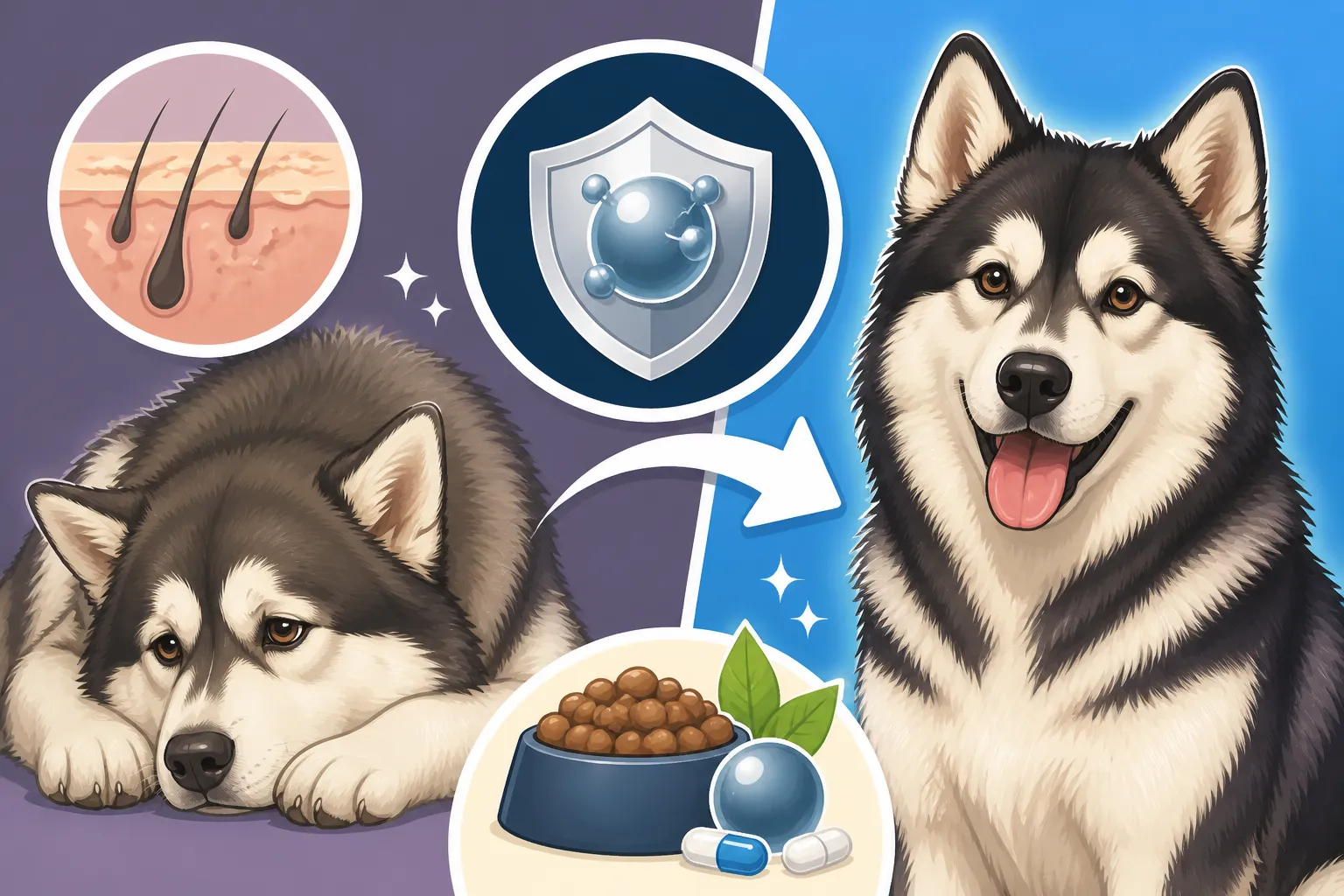
Once a zinc deficiency is diagnosed—often confirmed by a skin biopsy or, less reliably, blood tests in conjunction with clinical signs—the primary treatment revolves around direct zinc supplementation. This isn't a "wait and see" situation; your Malamute needs that extra zinc, and they need it in a form their body can actually use. It's about bypassing those inefficient absorption pathways as much as possible.
Choosing the Right Zinc Supplement Form
The world of supplements can be a minefield, and zinc is no exception. For Malamutes with diagnosed zinc responsive dermatosis, not just any zinc supplement will do. The most commonly recommended forms by veterinarians are zinc methionine and zinc sulfate. Zinc methionine is often favored because it's a chelated form, meaning the zinc is bound to an amino acid, which can make it more readily absorbed by the body compared to inorganic forms like zinc oxide. This chelation helps to circumvent some of those genetic absorption issues that Malamutes face. You can find this in supplements often formulated specifically for skin health, sometimes even mentioning "zinc for dogs."
Zinc sulfate is another effective option, though it might be slightly less bioavailable than zinc methionine for some dogs. The choice often comes down to individual response, availability, and your veterinarian’s recommendation. Zinc picolinate is another chelated form that some vets might suggest. The key is to discuss these options with your vet, as self-prescribing can lead to ineffective treatment or, in rare cases, even toxicity if the wrong form or dosage is used. Remember, the goal is not just more zinc, but absorbable zinc. This directly addresses the owner's pain point of knowing Which Zinc Supplement Suits a Malamute best.
Determining the Correct Dosage
Getting the dosage right is absolutely critical. Too little, and the symptoms persist; too much, and you risk zinc toxicity, which can lead to serious health problems like anemia, vomiting, and even organ damage. This is why veterinary guidance is non-negotiable. Your vet will typically start with a higher "loading dose" to quickly replenish your Malamute's zinc stores, especially if the symptoms are severe, like deep skin crusts or secondary infections. They will consider your dog's weight, the severity of the condition, and the specific form of zinc being used.
After the initial loading period, your Malamute will usually transition to a maintenance dose, which will be continued long-term, often for the rest of their life. This maintenance dose is crucial for preventing a relapse of symptoms. It's not uncommon for owners to think, "My dog looks better, maybe I can stop the supplements," but this almost always leads to a return of the frustrating skin issues. Regular monitoring, possibly through blood tests, although these can be tricky to interpret for zinc levels, and certainly through observing skin condition, will help fine-tune this dosage over time. It's important to understand How Much Zinc Is Safe for an Alaskan Malamute before starting any supplementation.
Administering Zinc Supplements Effectively
Consistency is key when it comes to administering zinc supplements. These are not "as needed" medications; they need to be given regularly, usually once or twice a day, exactly as prescribed by your veterinarian. Many owners find success by incorporating the supplement into a meal, perhaps mixed with a small amount of wet food, peanut butter (xylitol-free!), or plain yogurt to ensure it's eaten. For some Malamutes, especially those that are picky, you might need to get creative. Pill pockets, cheese, or even grinding the pill into a palatable treat can help.
It's important to give zinc supplements away from other medications or large meals, particularly those high in calcium, if possible, to maximize absorption. Your vet will advise on the best timing. For example, some might recommend giving it an hour before or two hours after a main meal. Keeping a routine helps ensure your Malamute gets the consistent supply of zinc their body needs to maintain healthy skin and immune function. This is a commitment, and it's an investment in your Malamute's long-term comfort and well-being. This ongoing commitment is part of What Zinc Supplementation Costs Over a Malamute's Life.
Managing the Skin Symptoms
While zinc supplementation works to correct the underlying deficiency, the visible skin symptoms – the crusts, scabs, hair loss, and inflammation – often need immediate attention. These aren't just cosmetic; they can be incredibly itchy, painful, and prone to secondary infections, adding another layer of discomfort for your Malamute.
Topical Treatments and Medicated Shampoos
Topical treatments are your frontline defense for soothing irritated skin and helping to clear up those unsightly lesions. Medicated shampoos, often containing ingredients like chlorhexidine, benzoyl peroxide, or sulfur, are frequently prescribed. These shampoos help to reduce bacterial or yeast overgrowth that can take advantage of compromised skin, gently exfoliate dead skin and crusts, and calm inflammation. Bathing your Malamute might seem like a daunting task, especially with their dense coat, but it's an essential part of the healing process.
Your vet will likely recommend a specific bathing frequency, perhaps two to three times a week initially, then tapering down as the skin improves. It's crucial to follow the instructions carefully, allowing the shampoo to sit on the skin for the recommended contact time (usually 5-10 minutes) before rinsing thoroughly. After bathing, a soothing leave-on conditioner or moisturizing spray can help prevent dryness and further irritation. You might also find that localized areas need specific creams or oint to accelerate healing, particularly on the muzzle or paw pads Where a Malamute's Zinc Lesions Appear First.
Addressing Secondary Infections
The damaged skin barrier caused by zinc deficiency makes Malamutes highly susceptible to secondary bacterial and yeast infections. These infections often manifest as redness, pus, foul odor, and intense itching, making your dog even more miserable. If your Malamute’s skin appears infected, topical treatments alone are often not enough. Your veterinarian will likely prescribe oral antibiotics for bacterial infections or oral antifungals for yeast infections, based on their assessment or sometimes after cultures are taken to identify the specific pathogen.
It's absolutely vital to complete the full course of any prescribed antibiotics or antifungals, even if the skin appears to be clearing up. Stopping early can lead to resistant infections that are much harder to treat. In addition to systemic medications, the medicated shampoos mentioned earlier play a supportive role in managing these secondary invaders. Treating these infections promptly not only brings relief to your Malamute but also allows the skin to heal more effectively once the zinc levels are optimized. Overlooking these secondary issues can prolong your dog's discomfort and delay recovery, impacting their overall quality of life.
Dietary Adjustments for Better Absorption
While supplementation is paramount, optimizing your Malamute's diet can provide crucial support, particularly in conjunction with their genetic predispositions. It's about creating an environment where their body can make the most of the zinc it does absorb and minimize interference.
Low-Phytate, High-Quality Diets
Given that phytates can bind to zinc and inhibit its absorption, opting for a diet lower in these compounds can be beneficial for some Malamutes. This doesn't necessarily mean a "grain-free" diet, as some grain-free options can still contain high levels of other phytate-rich ingredients like certain legumes (peas, lentils, chickpeas). Instead, focus on diets that are specifically formulated to be highly digestible and nutrient-dense, with carefully selected carbohydrate sources. For some dogs, a kibble with easily digestible grains like rice or oats might be perfectly fine, while for others, a different approach is needed.
The most important aspect is choosing a high-quality diet from a reputable brand that uses highly bioavailable ingredients. This means real meat as the primary protein source, and a good balance of vitamins and minerals. Think about the overall quality, not just buzzwords. A balanced, quality diet complements the zinc supplements, potentially reducing the overall dosage needed or simply making the existing dosage more effective. This careful consideration of nutrition supports the overall health and well-being, especially for a breed known for The Efficient Metabolism That Surprises Every New Malamute Owner.
Avoiding Problematic Ingredients
Beyond phytates, there are other ingredients and feeding practices that can inadvertently worsen zinc deficiency. As mentioned earlier, excessive calcium is a big one. Avoid supplementing calcium unless specifically directed by your vet, and be mindful of diets that might be excessively high in calcium, especially for adult dogs. Some raw diets, if not carefully balanced, can also contain high levels of calcium from bone, which could be counterproductive.
Similarly, some lower-quality commercial diets rely heavily on plant-based proteins and fillers that might be less digestible and contain more phytates. It’s worth looking at the ingredient list carefully and discussing your Malamute's specific food with your vet, especially if their symptoms are proving stubborn to resolve. While it's tempting to try new foods to "fix" the problem, remember that consistency is also important, and drastic changes without professional guidance can sometimes create new issues. The goal is to remove as many absorption inhibitors as possible while providing complete and balanced nutrition, complementing the targeted zinc treatment.
Long-Term Management and Monitoring
Treating zinc deficiency in an Alaskan Malamute is almost always a marathon, not a sprint. It’s a lifelong commitment to their health and comfort. This ongoing care involves regular veterinary oversight and careful observation on your part to ensure your Malamute remains symptom-free and thrives.
Regular Vet Check-ups and Blood Work
Even when your Malamute's skin looks fantastic and they're back to their normal, boisterous selves, regular veterinary check-ups are paramount. Your vet will want to monitor their overall health, assess the continued effectiveness of the zinc supplementation, and make any necessary adjustments to the dosage. These check-ups might include physical examinations, focusing on skin and coat health, and occasionally, blood work. While blood zinc levels can sometimes be difficult to interpret definitively in diagnosing zinc responsive dermatosis (as serum levels don't always reflect tissue levels), they can be useful for monitoring overall health and ensuring no other issues are developing.
During these visits, it's also a good time to discuss any new symptoms, changes in appetite, or other concerns you might have. Chronic conditions require a strong partnership between you and your vet. They can provide advice on managing potential flare-ups and ensure your Malamute’s overall health remains a priority as they age, especially when considering Caring for an Alaskan Malamute Past Eight. Being proactive with these check-ups can prevent minor issues from escalating into major problems, saving both stress and potential expense down the line. It's the kind of comprehensive care that an insurance plan like Healthy Paws can help support.
Adapting Treatment Over a Malamute's Life
Your Malamute's needs aren't static; they change as they grow from a playful puppy to a mature adult, and eventually into their senior years. This means their zinc supplementation plan might need to adapt over time. For example, a growing puppy might have slightly different requirements than a sedentary adult. Similarly, an older Malamute might have other health issues that influence their metabolism or diet, requiring a re-evaluation of their zinc dosage or form. Factors like activity level, weight, and the presence of other medical conditions can all play a role.
Additionally, while most Malamutes need zinc supplementation for life, there can be periods where slight adjustments are necessary, perhaps due to seasonal changes or stress, which can sometimes impact skin health. It’s a delicate balance, and vigilant observation of your Malamute's skin and general demeanor is your best tool. If you notice any return of the crusting, hair loss, or itching, contact your vet immediately. Don’t wait for it to get severe. Early intervention can prevent a full-blown flare-up and keep your Malamute comfortable. This continuous, flexible approach ensures your beloved companion continues to thrive and avoids the painful return of symptoms that we see in Zinc Responsive Dermatosis in an Alaskan Malamute.
Here’s a quick overview of common zinc supplement types:
| Zinc Supplement Type | Description | Absorption | Common Uses | Potential Side Effects |
|---|---|---|---|---|
| Zinc Methionine | Zinc chelated (bound) to the amino acid methionine | Generally considered highly bioavailable, especially for dogs | Preferred for zinc responsive dermatosis due to superior absorption | Gastrointestinal upset (vomiting, diarrhea) if dose too high or given on empty stomach |
| Zinc Sulfate | Inorganic zinc salt | Good absorption, but potentially less bioavailable than chelated forms | Common, often used as a first-line supplement | More likely to cause GI upset compared to chelated forms |
| Zinc Picolinate | Zinc chelated to picolinic acid | Good bioavailability, another chelated option | Used for various zinc deficiencies | Similar to other zinc supplements, GI upset is possible |
| Zinc Gluconate | Zinc salt of gluconic acid | Decent absorption, often found in human supplements | Sometimes used in veterinary medicine, but less common for Malamutes' specific needs | GI upset, metallic taste |
| Zinc Oxide | Inorganic zinc compound | Poorly absorbed by dogs; often ineffective for therapeutic use | Primarily used in topical preparations (e.g., diaper rash cream), not oral supplements | Very low oral bioavailability, thus generally ineffective for deficiency |
Disclaimer
The information provided in this article is for educational and informational purposes only and does not constitute veterinary medical advice. Always consult with a qualified veterinarian for any health concerns or before making any decisions about your pet's health or treatment plan. Individual needs can vary, and what works for one Malamute may not be appropriate for another.