How Common Chondrodysplasia Is in Alaskan Malamutes
There’s a unique anxiety that comes with owning an Alaskan Malamute, especially when you start diving into the breed’s specific health concerns. One of those concerns that can weigh heavily on a prospective or current owner's mind is chondrodysplasia, often referred to as Malamute dwarfism. It's unsettling to think about your majestic companion potentially being affected by a genetic condition. This guide aims to shed light on how common chondrodysplasia truly is, what it means for our beloved Mals, and how responsible breeding practices are helping to safeguard the breed.
Understanding Chondrodysplasia in Alaskan Malamutes
When we talk about chondrodysplasia in Alaskan Malamutes, it's easy for alarm bells to start ringing. This isn't just about a dog being smaller than average; it's a specific genetic condition that affects the cartilage and bone development. It's a type of dwarfism unique to the breed, distinct from other forms of skeletal abnormalities you might see in other dog breeds or even just a naturally small Malamute.
What Exactly Is Chondrodysplasia?
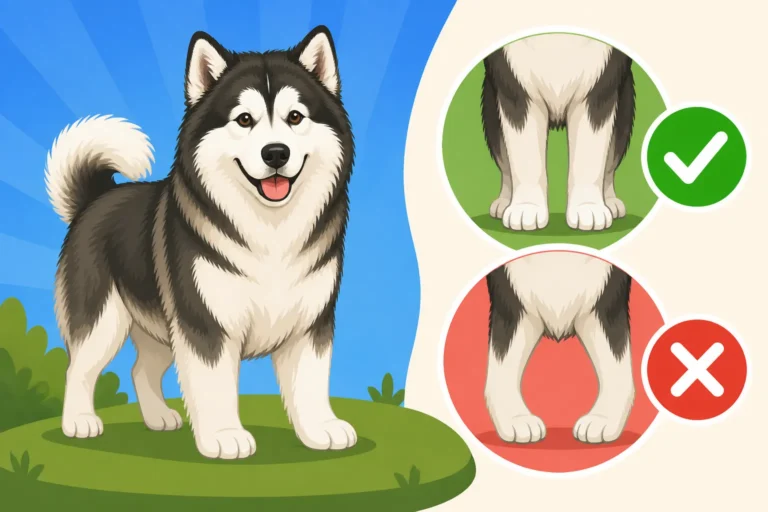
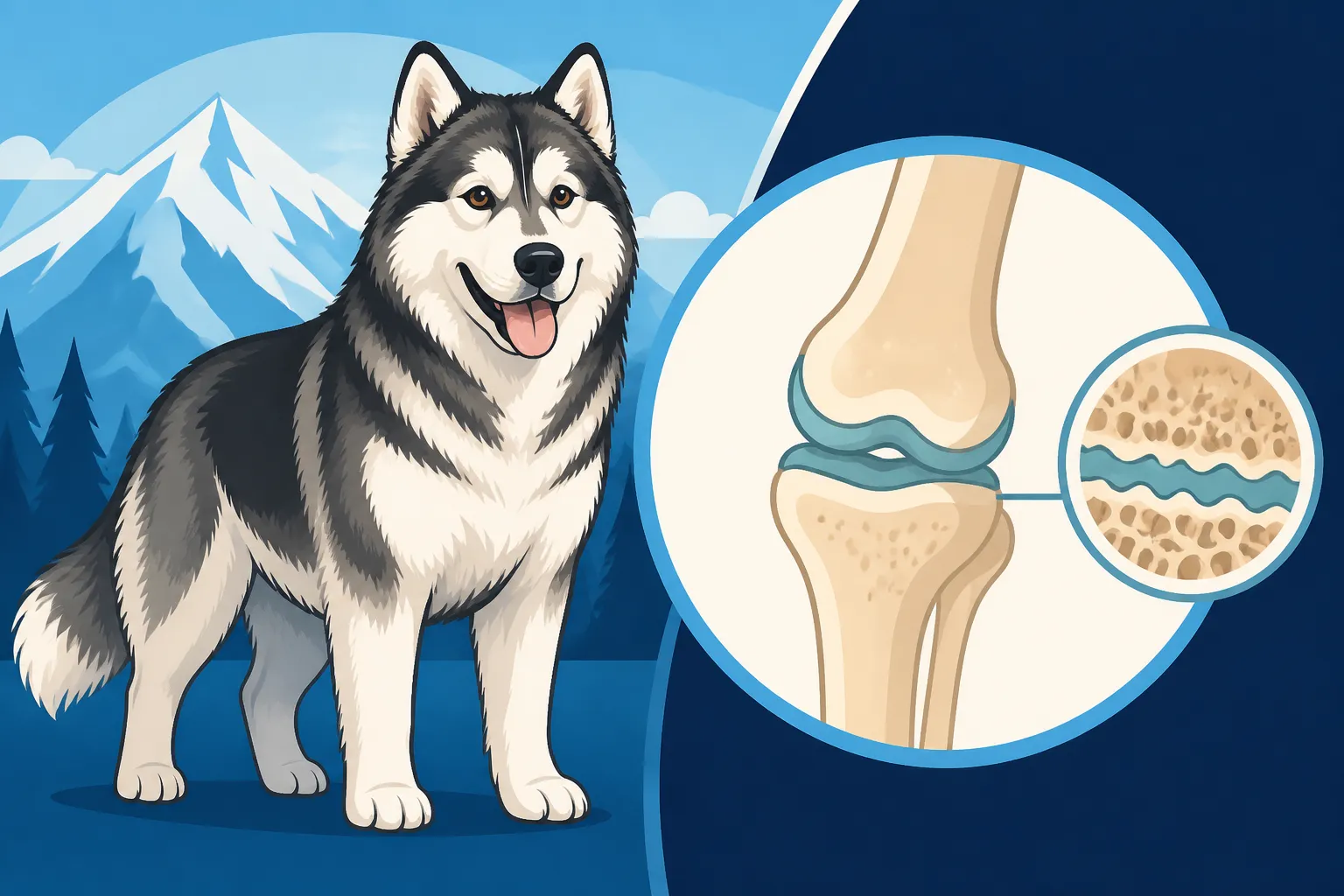
Chondrodysplasia, at its core, is a genetic disorder that impacts the normal growth of cartilage, particularly in the long bones of a dog's limbs. Imagine the growth plates in a puppy’s bones, which are designed to expand and lengthen as the puppy grows. In a Malamute affected by chondrodysplasia, this process is disrupted. The cartilage doesn't develop correctly, which means the bones, especially in the legs, don't reach their full, normal length. This leads to disproportionately short limbs, often with a bowed appearance, while the dog's body size remains relatively normal. It's a stark contrast to a typically proportioned Malamute, where every part grows in harmony.
This condition is sometimes confused with other growth issues, but it has specific characteristics. It's a recessive genetic trait, meaning a puppy must inherit a copy of the defective gene from both its mother and father to be affected. If a puppy inherits only one copy, it becomes a carrier, perfectly healthy itself but capable of passing the gene on. This understanding of inheritance is crucial, as it explains why the condition might not be immediately obvious in a breeding line until an affected puppy appears. For a deeper dive, you can learn more about What Chondrodysplasia Does to an Alaskan Malamute.
Recognizing the Early Signs
For new Malamute owners, or even seasoned ones, spotting the signs of chondrodysplasia early can be challenging, especially since puppies grow so fast and their proportions are constantly shifting. However, there are subtle cues. Typically, a chondrodysplastic Malamute puppy might look completely normal at birth. It’s usually around four to eight weeks of age that the signs really start to become visible. This is often the time when you might notice that their legs, particularly the front ones, seem to be lagging in growth compared to the rest of their body.
As the puppy continues to grow, usually by the time they are a couple of months old, the disproportion becomes more pronounced. You might observe bowed front legs, a waddling gait, and a general impression of being shorter and stockier than their littermates. This isn't just a matter of size; it's about the abnormal structure. For example, you can learn more about The Week a Dwarf Malamute's Legs Fall Behind to pinpoint exactly when to start looking for these differences. It's a heartbreaking observation for an owner who was expecting a robust, long-limbed Malamute, and it certainly highlights the importance of careful breeding.
The Prevalence of Chondrodysplasia in the Breed
The question of how common chondrodysplasia is in Alaskan Malamutes is a critical one for anyone considering this magnificent breed. Historically, it was a significant concern, but thanks to the dedication of responsible breeders and the advent of genetic testing, its prevalence has been dramatically reduced. It's a testament to how far breed clubs and scientific advancements have come in safeguarding the health of our dogs.
The Genetic Basis and Inheritance
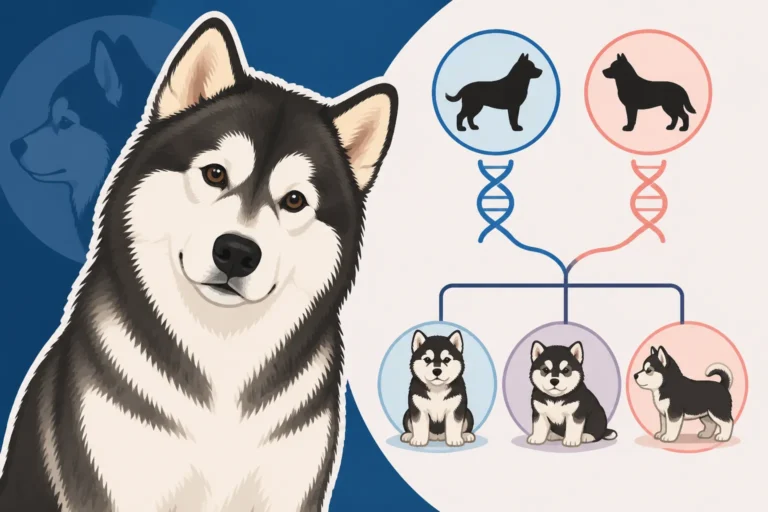
As mentioned, chondrodysplasia is an autosomal recessive inherited disorder. This means that for a Malamute to actually have the condition, it must receive a copy of the specific defective gene from both its mother and its father. If a dog only gets one copy of the gene, it’s considered a "carrier." Carriers are completely healthy and show no signs of chondrodysplasia themselves, which makes them tricky because you wouldn't know they carry the gene without a specific test. However, if two carriers are bred together, there's a 25% chance with each puppy that it will inherit two copies of the gene and thus be affected by chondrodysplasia. There’s a 50% chance each puppy will be a carrier, and a 25% chance it will be completely clear.
This inheritance pattern means that even if the condition appears to pop up out of nowhere in a litter, it's almost always because both parents unknowingly carried the gene. The good news is that because it's a recessive trait, it's easier to manage and reduce in a population once carriers are identified. This is fundamentally different from dominant genetic conditions where a single copy of a gene can cause the disease. Understanding Whether Malamute Chondrodysplasia Is Recessive is key to grasping why breeders prioritize genetic testing.
Historical Context and Current Screening Efforts
Back before reliable genetic testing was available, chondrodysplasia was certainly more common. Breeders would unknowingly perpetuate the gene simply because carriers appeared healthy and were bred. This led to frustrating and heartbreaking instances of affected puppies appearing in otherwise healthy litters. Imagine the surprise and devastation when a seemingly normal puppy started to show signs of dwarfism as its legs fell behind its body growth.
Today, the situation is vastly different. There is a specific, reliable DNA test available for Alaskan Malamute chondrodysplasia. This test can definitively identify if a dog is clear, a carrier, or affected. Reputable breeders now routinely test their breeding stock for this gene. This proactive approach has made a tremendous difference. By testing parents and only breeding carriers to clear dogs (or ideally, clear to clear), the incidence of affected puppies has plummeted. It’s now significantly less common to see chondrodysplastic Malamutes than it was decades ago, largely due to these diligent screening efforts. If you're looking for a puppy, always ask about The Health Tests Both Alaskan Malamute Parents Should Have, including the chondrodysplasia test.
Impact on Affected Malamutes and Their Owners
While the prevalence of chondrodysplasia has decreased, understanding its impact is still crucial. For those rare instances where a Malamute puppy is born with the condition, or for owners who adopt an affected dog, the challenges can be significant. It's not just about aesthetics; there are real health and lifestyle implications.
Health Challenges and Quality of Life
A Malamute affected by chondrodysplasia faces more than just short legs. The abnormal bone development can lead to a host of secondary issues. Their joints often experience undue stress because of the improper alignment and proportions, which can result in early onset arthritis, lameness, and chronic pain. Imagine a heavy dog like a Malamute trying to support its weight on disproportionately short, sometimes bowed, limbs. This can be very hard on their elbows, hips, and knees. Mobility can be significantly limited, making activities like running, jumping, or even navigating stairs difficult or impossible.
Owners often wonder Whether a Dwarf Malamute Lives a Normal Span. While the condition itself isn't typically life-threatening, the secondary health issues can certainly impact longevity and quality of life. Constant pain or severe mobility issues can lead to tough decisions for owners. Managing these conditions requires ongoing veterinary care, which can include pain medication, joint supplements, physical therapy, and even surgery in some cases. Having a good pet insurance plan, such as one from Healthy Paws, can be incredibly beneficial in mitigating the financial burden of these long-term health challenges, ensuring your Malamute gets the care they need.
Living with a Chondrodysplastic Malamute
Caring for a Malamute with chondrodysplasia requires commitment, patience, and often, significant adjustments to their environment. While these dogs might not be able to participate in strenuous activities like competitive weight pulling – you can explore Whether a Dwarf Malamute Can Pull a Sled for more insight – they still deserve a full and happy life. Modifications to your home might include ramps to help them get onto furniture or into cars, non-slip rugs on hard floors to prevent falls, and elevated food and water bowls to reduce strain.
Exercise routines need to be carefully managed, focusing on low-impact activities like short, controlled walks or swimming, rather than high-impact running or jumping. Weight management is also critical, as any excess weight will put even more strain on their compromised joints. These dogs often have wonderful temperaments, full of love and typical Malamute charm, so their owners' dedication to adapting their lifestyle to accommodate their physical needs is paramount. It’s a journey of love, requiring owners to truly understand and cater to their unique needs.
Breeding Considerations and Responsible Ownership
For anyone involved with Alaskan Malamutes, whether as a breeder or a prospective owner, understanding the role of genetics and responsible practices is paramount in preventing conditions like chondrodysplasia. The goal is to ensure the health and well-being of future generations of these magnificent dogs.
The Importance of Genetic Testing
Genetic testing is the single most powerful tool we have in the fight against inherited diseases like chondrodysplasia. For Alaskan Malamute breeders, testing all breeding stock is not just recommended; it's considered an ethical imperative by reputable kennel clubs and breed associations. The DNA test for chondrodysplasia can accurately identify if a dog is "Clear" (meaning they don't carry the gene), a "Carrier" (they carry one copy but are healthy), or "Affected" (they have two copies and will develop the condition).
By knowing the genetic status of their dogs, breeders can make informed decisions. For instance, a breeder might choose not to breed two carriers together, thereby eliminating the risk of producing affected puppies. A carrier can still be responsibly bred, but only to a clear mate, ensuring that all puppies in the litter will either be clear or carriers themselves, but none will be affected. This strategic breeding helps to slowly but surely remove the defective gene from the gene pool without sacrificing genetic diversity. When you're looking for a puppy, asking to see the genetic test results for both parents, including their chondrodysplasia status, is a non-negotiable step. This ensures that you're supporting ethical breeding practices.
Choosing a Responsible Breeder
Choosing a breeder is one of the most critical decisions you'll make when bringing an Alaskan Malamute into your life. A responsible breeder will be transparent about the health of their lines and will prioritize genetic health over everything else. They won't just tell you their dogs are healthy; they'll show you proof. This includes providing documentation of genetic screenings for conditions common in Malamutes, such as chondrodysplasia, polyneuropathy, and day blindness. You can inquire specifically about Whether a Malamute Dwarfism Has a DNA Test and expect a knowledgeable breeder to readily provide information.
A reputable breeder will also be willing to discuss the health history of their breeding dogs' parents and siblings, not just the immediate parents. They will be registered with recognized kennel clubs, adhere to breed standards, and be deeply involved in the Malamute community. They should also provide a health guarantee for their puppies. While no guarantee can cover every single possibility, it reflects a breeder's confidence in their stock and their commitment to the puppies they produce. Beware of breeders who cannot provide health clearances, offer puppies at suspiciously low prices, or refuse to let you meet the puppy's parents. Such situations might indicate a lack of proper health screening, increasing the risk of inherited conditions like chondrodysplasia. Organizations like the Alaskan Malamute Club of America often provide resources for finding ethical breeders. If an unexpected health issue arises, even with the best breeding practices, having robust pet insurance like Healthy Paws can provide immense peace of mind.
The table below summarizes the key genetic outcomes when breeding Malamutes concerning chondrodysplasia:
| Parent 1 Genetic Status | Parent 2 Genetic Status | Chance of Clear Puppy | Chance of Carrier Puppy | Chance of Affected Puppy |
|---|---|---|---|---|
| Clear (N/N) | Clear (N/N) | 100% | 0% | 0% |
| Clear (N/N) | Carrier (N/CD) | 50% | 50% | 0% |
| Carrier (N/CD) | Carrier (N/CD) | 25% | 50% | 25% |
| Clear (N/N) | Affected (CD/CD) | 0% | 100% | 0% |
| Carrier (N/CD) | Affected (CD/CD) | 0% | 50% | 50% |
| Affected (CD/CD) | Affected (CD/CD) | 0% | 0% | 100% |
N/N = Clear, N/CD = Carrier, CD/CD = Affected
This table clearly illustrates why breeding two carriers together is strongly discouraged, as it's the only scenario that produces affected puppies when neither parent is overtly diseased. Knowing this, responsible breeders avoid such pairings. Instead, they leverage genetic testing to ensure that all puppies born are at least healthy, even if they might be carriers themselves. This approach helps to slowly reduce the overall prevalence of the chondrodysplasia gene in the breed without completely removing valuable genetic lines from the breeding pool. When considering a puppy from a carrier parent, a responsible breeder will ensure the other parent is clear, guaranteeing a healthy puppy. You can further investigate topics like Whether Two Carrier Malamutes Should Be Bred for more ethical guidance.
It's a huge relief to know that the dedication of the Alaskan Malamute community has largely tackled the challenge of chondrodysplasia. While still present in the gene pool, its occurrence is thankfully far less common than it once was, thanks to widespread genetic testing and careful breeding choices. This allows us to focus on celebrating the incredible spirit and unique qualities of our beloved Alaskan Malamutes, knowing that breeders are diligently working to ensure their health for generations to come.
Disclaimer
Please remember that this article provides general information and insights based on common knowledge about Alaskan Malamutes and chondrodysplasia. For specific medical advice regarding your dog's health, always consult with a qualified veterinary professional. Medical information can change, and individual cases may vary significantly.